
Hear from Our Customers
When your walk-in freezer fails, you’re not just losing product—you’re losing profits. A restaurant dealing with temperature swings can waste $6,000 annually in spoiled produce alone. That’s money straight out of your pocket.
Professional installation eliminates these costly surprises. You get consistent temperatures that extend product shelf life, better inventory control, and the confidence that comes from knowing your food storage actually works. No more emergency runs to suppliers because half your inventory went bad overnight.
The right walk-in freezer pays for itself by preventing waste, letting you buy in bulk, and giving you the storage capacity to handle bigger orders without breaking a sweat.
We bring over 40 years of commercial refrigeration expertise to Westbury businesses. We’ve seen every possible freezer problem, from simple repairs to complete system overhauls, and know exactly how to get you back up and running fast.
Local restaurants, delis, and food service operations trust us because we show up when we say we will and fix problems right the first time. Our technicians understand the unique challenges of Long Island’s climate and the demanding pace of Westbury’s food service industry.
When equipment fails at 2 AM on a Saturday, we’re the team that answers the phone. That’s the kind of reliability that keeps local businesses operating smoothly, year after year.
Every installation starts with a thorough site evaluation. Our team examines your space, electrical capacity, and specific storage needs to design a system that fits perfectly. No guesswork, no surprises later.
Next comes the preparation work—ensuring proper electrical service, drainage, and access for equipment. We handle permits, coordinate with other contractors if needed, and make sure everything is ready before installation day.
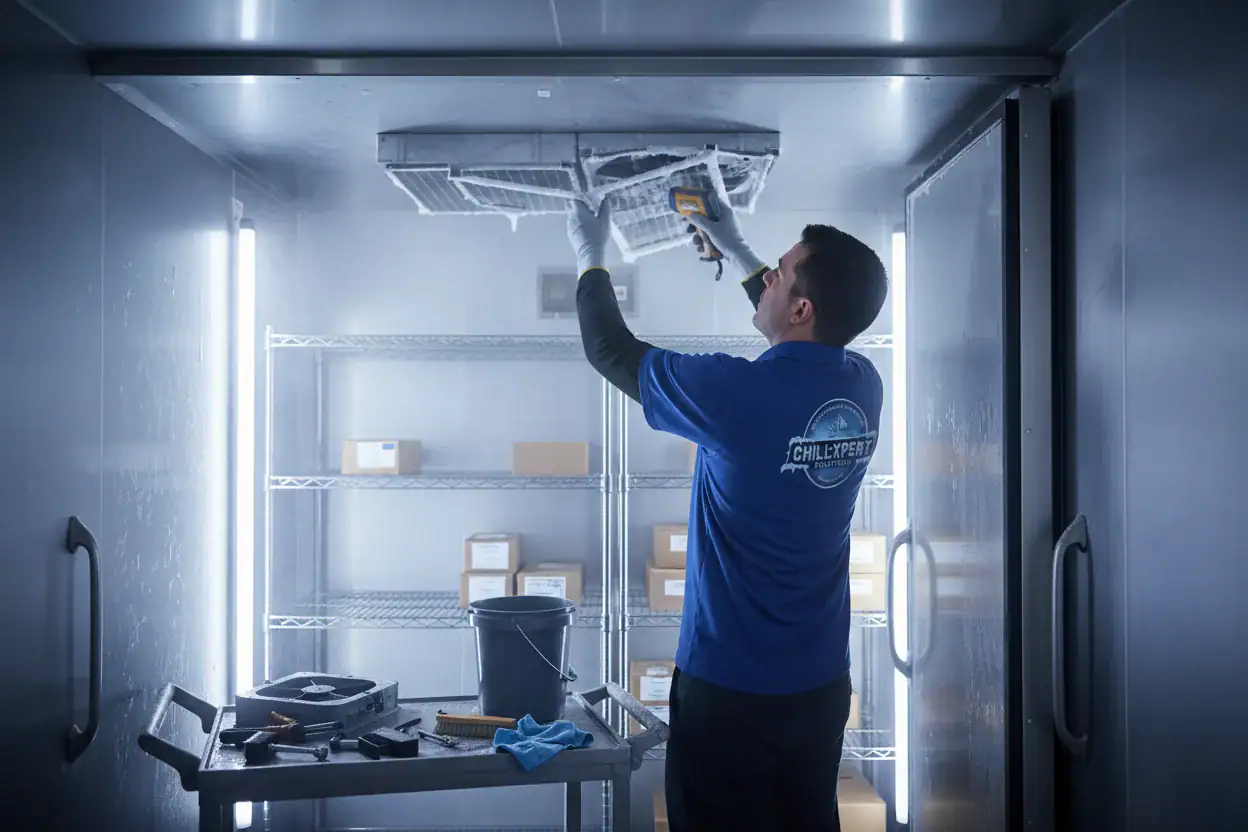
Installation itself is methodical and precise. Panels go up, refrigeration systems get connected, and every component gets tested multiple times. You don’t get handed the keys until temperatures are stable and everything operates exactly as designed. The result is a walk-in freezer that works reliably from day one.
Ready to get started?
Professional walk-in freezer service in Westbury means more than just installation. You get custom sizing to fit any space, energy-efficient systems that qualify for utility rebates, and ongoing maintenance that prevents costly breakdowns.
Westbury’s diverse food service landscape—from family restaurants to large catering operations—demands flexible solutions. Local businesses need freezers that can handle everything from daily prep to large event storage, often in spaces that weren’t originally designed for commercial refrigeration.
Our service includes electrical upgrades when needed, proper drainage installation, and compliance with local health department regulations. Maintenance agreements keep systems running efficiently while extending equipment life well beyond the typical 15-20 year lifespan. When problems do arise, our 24/7 emergency service means you’re never stuck with a warm freezer full of expensive inventory.
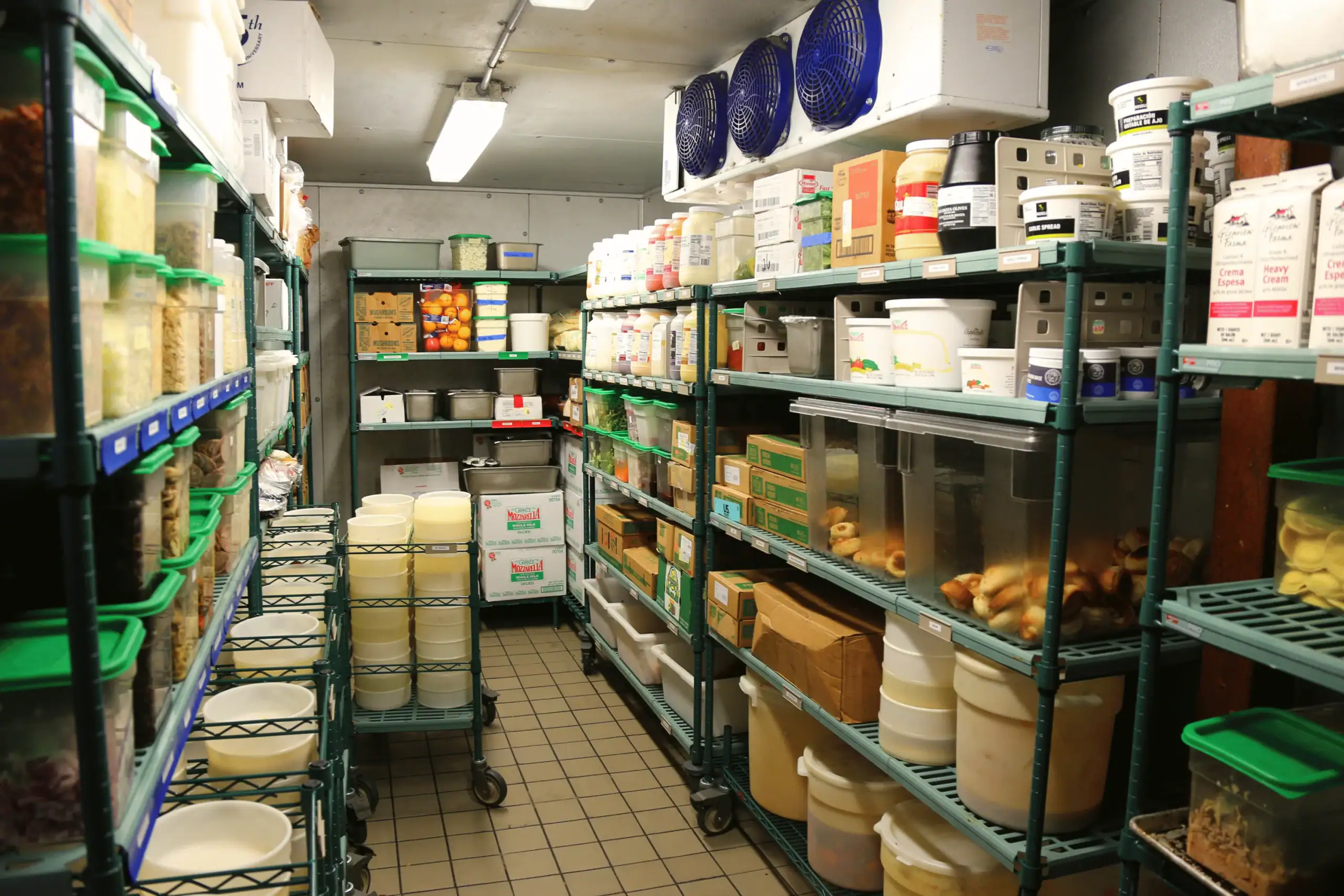
Installation costs typically range from $100 to $150 per square foot for complete setup. A small 6×6 foot unit runs between $5,000 and $10,000, while larger commercial installations can reach $40,000 depending on size and specifications.
The biggest variables are electrical requirements and site preparation. Many Westbury buildings need electrical panel upgrades to handle commercial refrigeration loads, which can add $2,000 to $7,000 to the project. Concrete pad preparation, drainage installation, and permits also factor into the final cost.
Getting accurate pricing requires an on-site evaluation because every installation is different. The good news is that a properly installed walk-in freezer pays for itself by preventing food spoilage and allowing bulk purchasing that reduces your ongoing food costs.
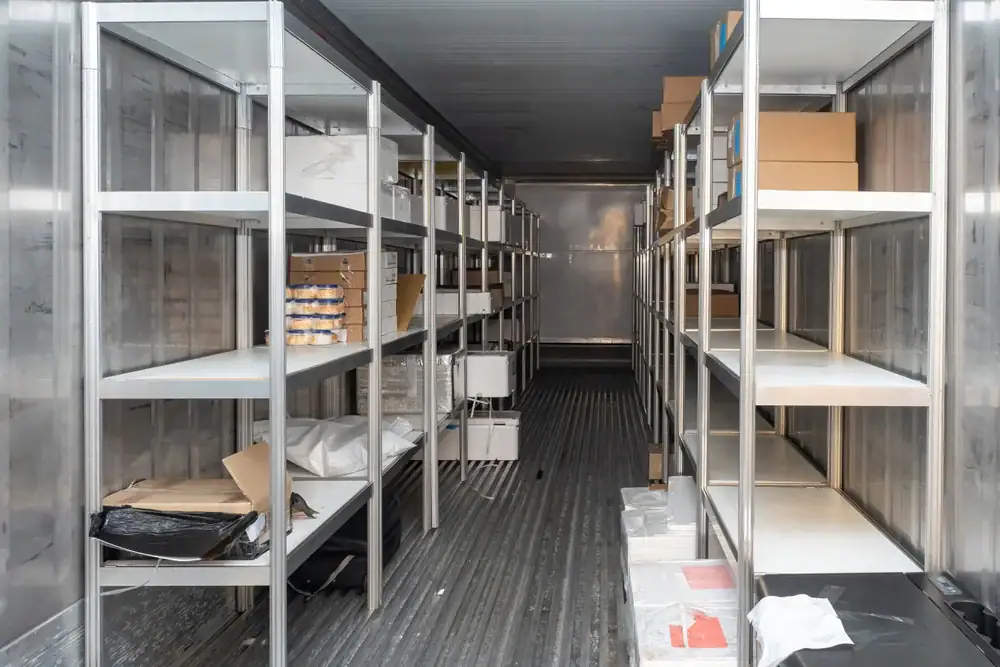
Size depends on your daily volume, menu complexity, and storage habits. A typical family restaurant needs 100-200 square feet of freezer space, while high-volume operations or catering businesses often require 300-500 square feet or more.
Consider your peak inventory periods, delivery schedules, and growth plans. If you receive deliveries twice weekly and serve 200 meals daily, you’ll need different capacity than a restaurant doing 50 meals with daily deliveries. Factor in space for proper air circulation—cramming a freezer full reduces efficiency and creates temperature inconsistencies.
The smart approach is sizing slightly larger than your current needs. It’s much more cost-effective to install the right size initially than to add a second unit later. Most successful restaurants find they use every square foot of properly planned freezer space within the first year.
Standard installations take 1-3 days depending on complexity and site conditions. Simple replacements in prepared spaces often complete in a single day, while new installations requiring electrical work or structural modifications can take longer.
The timeline starts with permitting, which varies by project scope. Basic installations might not need permits, while major electrical upgrades require approvals that can add a week to the schedule. Site preparation—concrete work, electrical upgrades, drainage—typically happens before the actual freezer installation.
Weather can impact outdoor work, and scheduling around your business hours affects timing. Most contractors prefer working during slower periods to minimize disruption. Planning ahead and having realistic expectations about preparation time prevents delays and ensures the installation goes smoothly.
Yes, commercial walk-in freezers require dedicated electrical circuits and often need service upgrades. Most units need 208-240V three-phase power, which many older buildings don’t have readily available.
Electrical requirements vary by freezer size and refrigeration system type. Small units might work with existing service, but larger installations almost always need panel upgrades or additional circuits. The refrigeration system, lighting, and defrost systems all have specific electrical needs that must be properly calculated.
Having an electrician evaluate your current service before ordering equipment prevents expensive surprises. Some buildings need complete electrical service upgrades costing several thousand dollars. Planning for electrical work upfront keeps your project on schedule and budget.
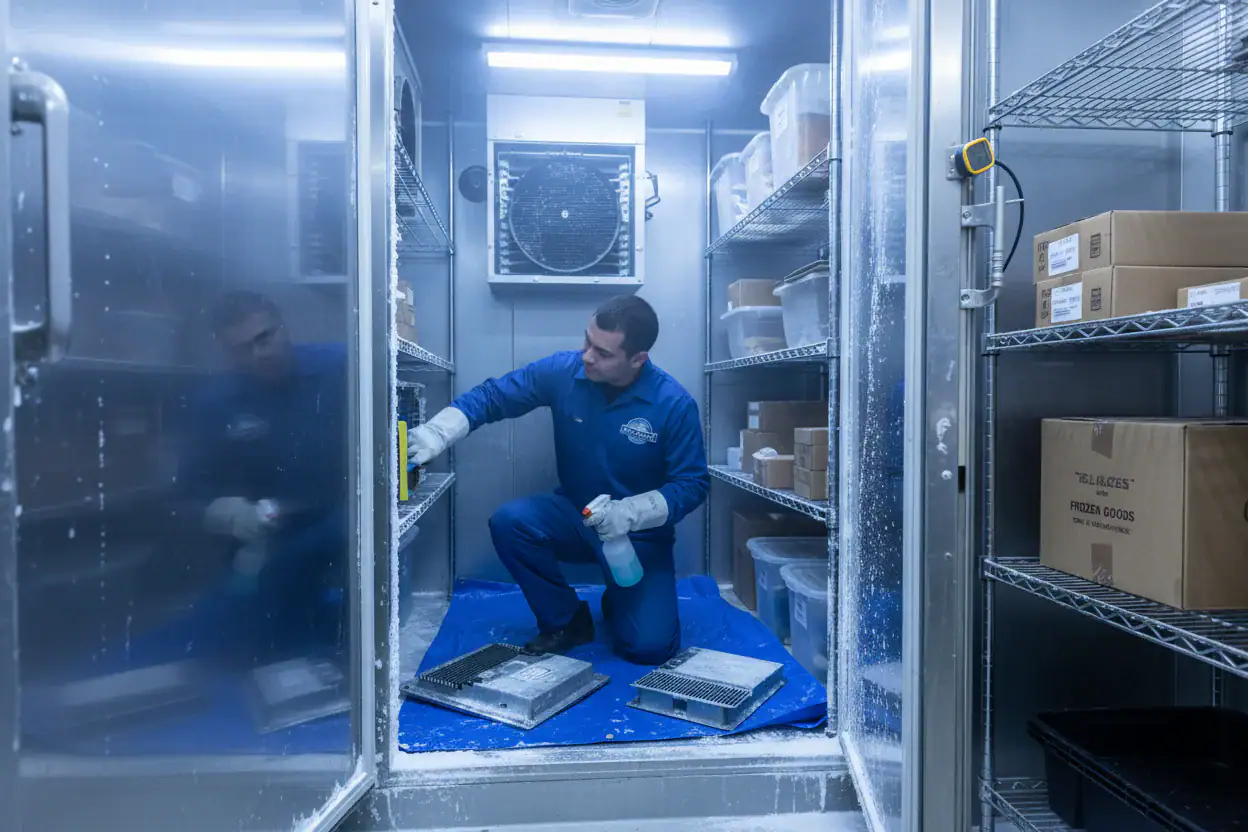
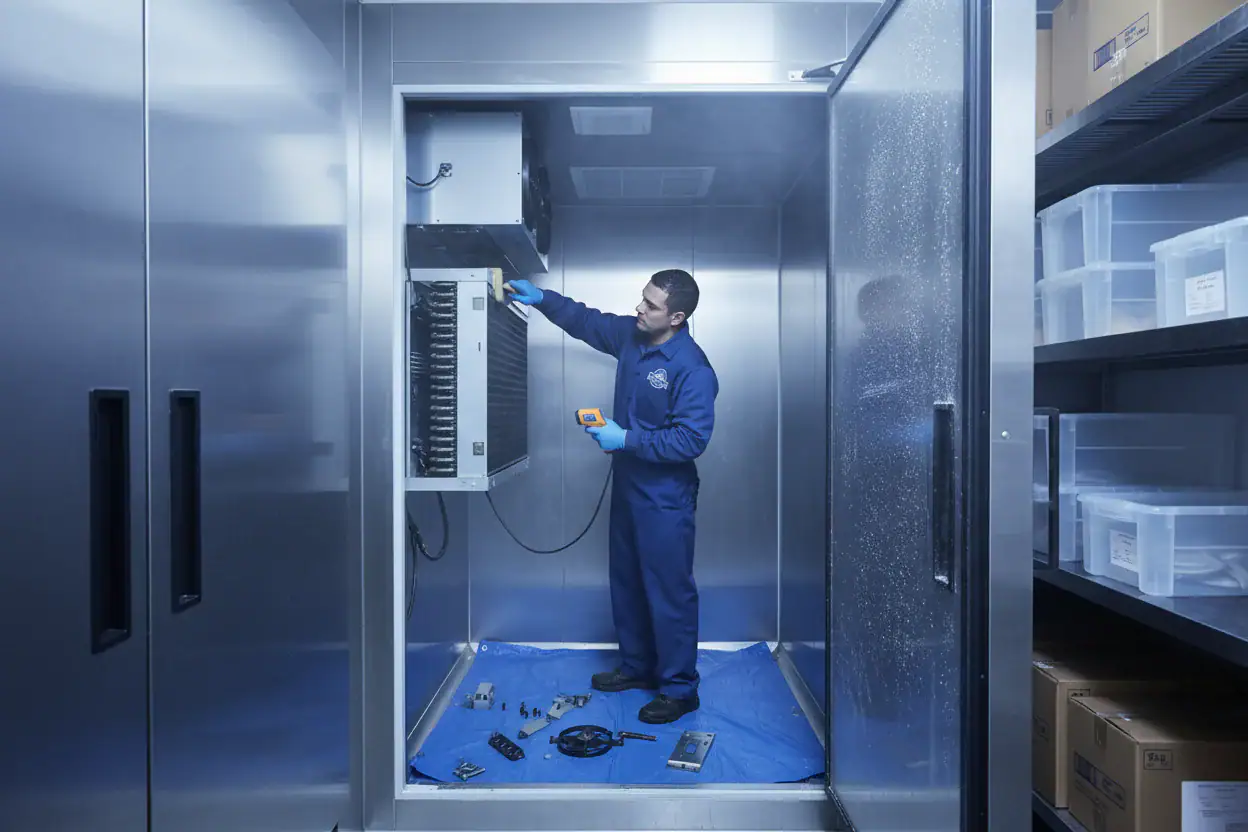
Regular maintenance includes monthly coil cleaning, checking refrigerant levels, inspecting door seals, and calibrating temperature controls. Preventive care costs $300-500 annually but prevents major breakdowns that can cost thousands.
Critical maintenance tasks include cleaning condenser coils (dirty coils reduce efficiency and increase energy costs), checking door gaskets for proper sealing, and ensuring defrost systems work correctly. Ignoring these basics leads to compressor failure, temperature inconsistencies, and higher energy bills.
Professional maintenance agreements make sense for most businesses because technicians catch problems early. A failing door seal might seem minor but can increase energy costs by 25% and stress the compressor. Regular inspections identify these issues before they become expensive repairs, extending your equipment’s 15-20 year lifespan.
Most existing buildings can accommodate walk-in freezers with proper planning and preparation. The key factors are adequate ceiling height, structural support for the equipment weight, and sufficient electrical service.
Older Westbury buildings often need electrical upgrades, improved drainage, or structural reinforcement. Some installations require removing walls or widening doorways for equipment access. These modifications are routine but need to be planned and budgeted appropriately.
We evaluate your space during the initial consultation, identifying any building modifications needed. Most challenges have straightforward solutions, and our experienced contractors know how to work within the constraints of existing buildings while meeting health department requirements and ensuring optimal performance.