
Hear from Our Customers
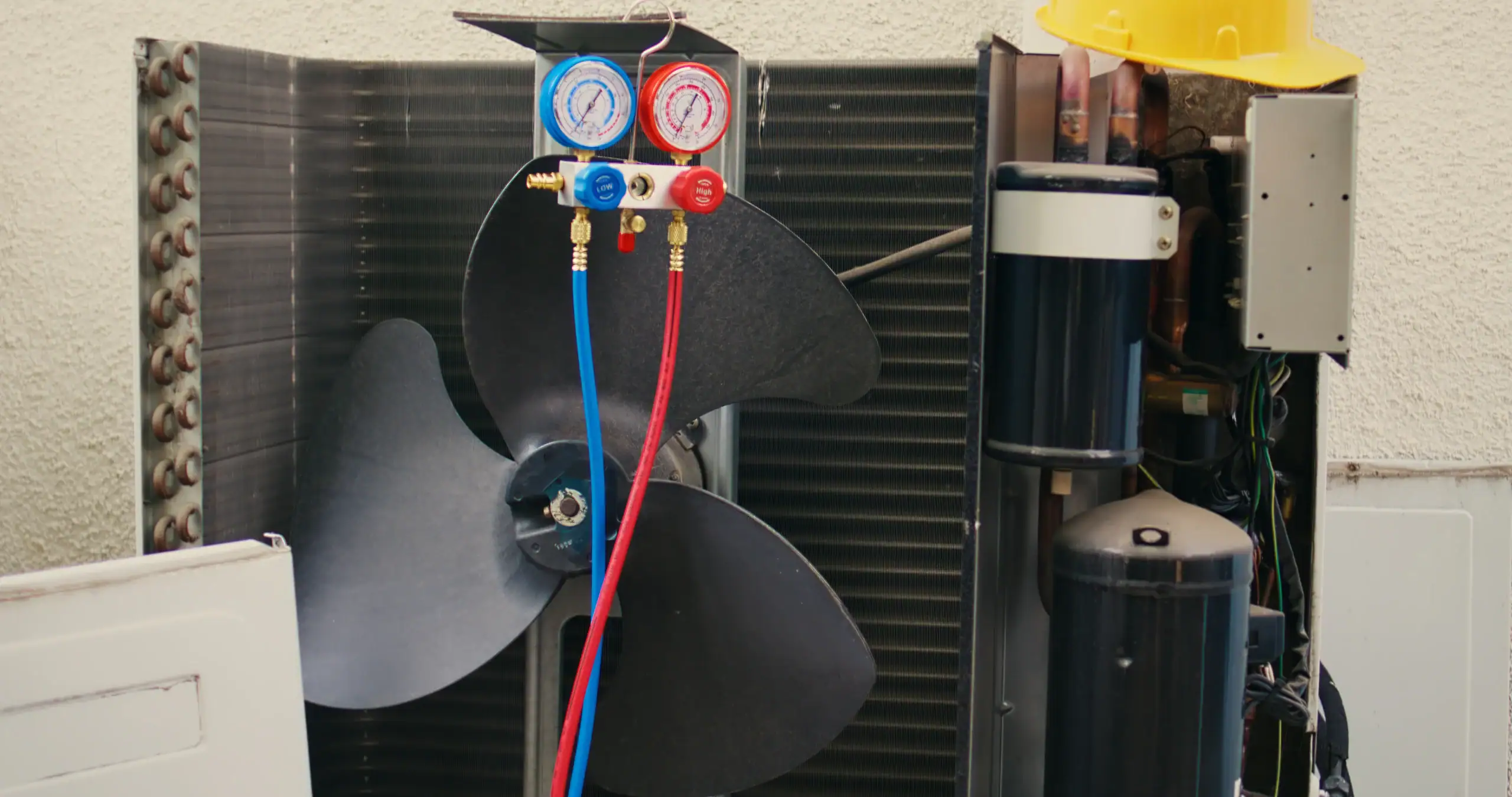
Your marine refrigeration system does more than keep drinks cold. It preserves your food investment during extended trips. It maintains comfortable cabin temperatures when you’re anchored for the night. It runs efficiently without draining your battery bank.
When your boat’s cooling system works properly, you focus on what you came out here for. No worrying about whether your ice maker will keep up. No calculating how long your provisions will last. No sweating through another uncomfortable night at anchor.
The difference between a properly installed marine HVAC system and a quick fix becomes obvious the first time you’re three hours offshore. You either have reliable cooling that runs quietly in the background, or you’re dealing with problems that shouldn’t exist.
We’ve been solving marine refrigeration challenges in Bay Shore and throughout Long Island for over 40 years. We serve boat owners who need their cooling systems to work reliably, not just when conditions are perfect.
Local boat owners know the unique challenges of marine environments. Salt air, constant vibration, and power limitations require specialized knowledge that residential HVAC technicians simply don’t have. We understand these demands because we’ve been working exclusively with marine and commercial refrigeration systems since the industry was different.
Bay Shore’s position on Long Island’s south shore means boats here face everything from calm bay waters to open ocean conditions. Your cooling system needs to handle both environments without missing a beat.
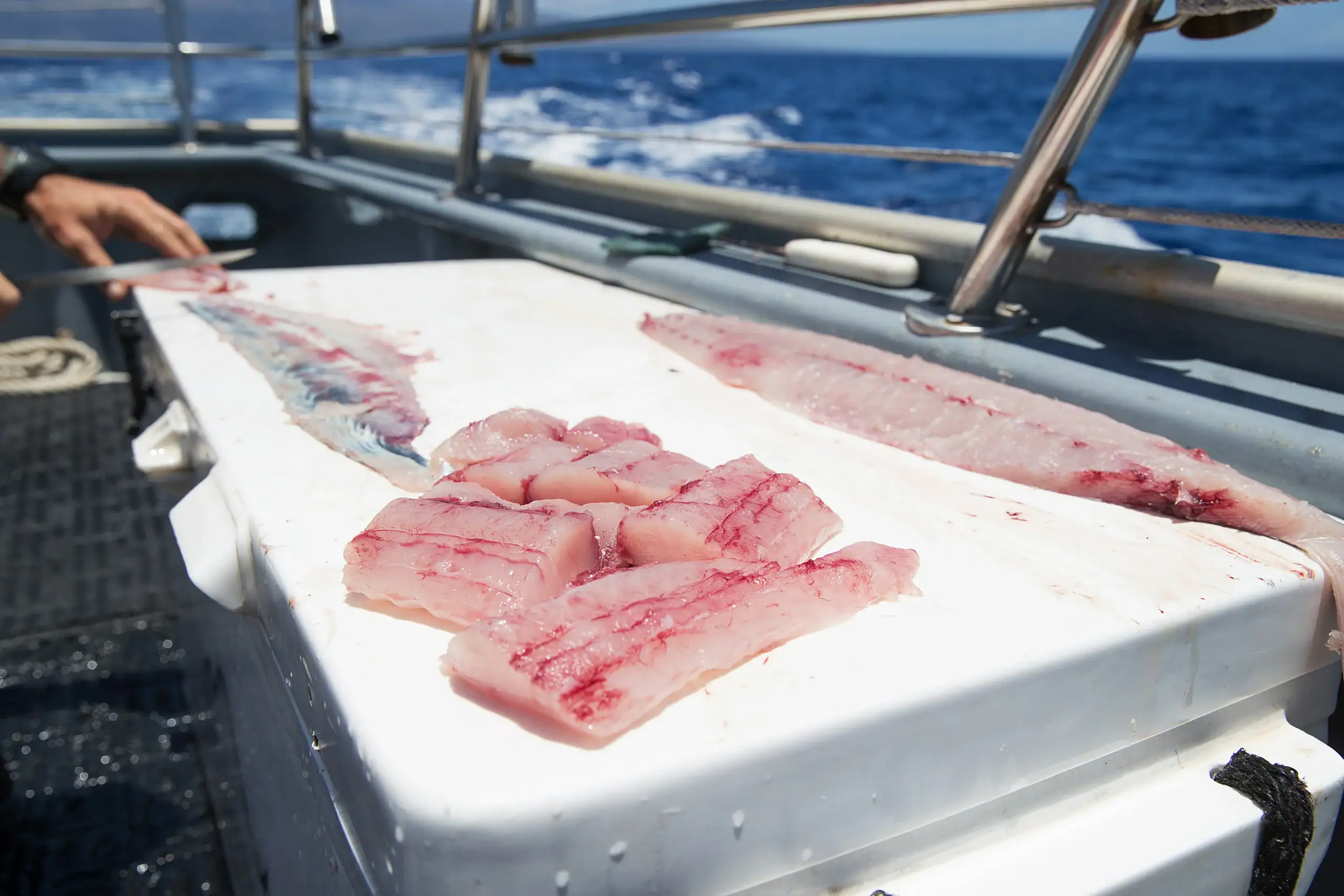
Every marine refrigeration project starts with understanding your boat’s specific needs. Power availability, space constraints, and usage patterns all factor into the right solution. We evaluate your electrical system, measure available space, and discuss how you actually use your boat.
Installation begins with proper mounting and vibration isolation. Marine environments demand different approaches than residential work. Every connection gets marine-grade treatment. Refrigerant lines are secured against movement. Electrical connections use marine-rated components designed for the environment.
Testing happens under actual operating conditions. The system runs through complete cycles while we monitor power consumption, temperature performance, and noise levels. You get documentation of system specifications and maintenance requirements. No guessing about what you have or how to maintain it properly.
Ready to get started?
Our marine refrigeration service includes everything from emergency repairs to planned system upgrades. We handle compressor replacements, refrigerant leaks, control system failures, and complete system installations. Every service call includes diagnostic testing to identify the root cause, not just the obvious symptoms.
Bay Shore boat owners deal with specific challenges. The area’s marine environment accelerates corrosion on improperly installed systems. Summer heat loads test system capacity. Extended cruising seasons demand reliable performance month after month. Local service means understanding these conditions and preparing systems to handle them.
We offer emergency service 24/7 because marine refrigeration problems don’t wait for business hours. Whether you’re dealing with a failed compressor before a weekend cruise or a refrigerant leak during an extended trip, response time matters. We maintain parts inventory for common repairs and can source specialized components quickly.
Marine refrigeration systems typically consume 3-8 amps on 12V DC systems, but actual consumption depends on system size, insulation quality, and ambient conditions. Unlike residential units that run on abundant AC power, marine systems are designed for battery operation with variable-speed compressors that adjust power consumption based on cooling demand.
Properly sized systems run more efficiently than oversized units. A system that’s too large will short-cycle, wasting power and creating temperature swings. The right system maintains consistent temperatures while minimizing battery drain, often running 30-40% of the time under normal conditions.
Power management becomes critical during extended anchoring. Modern marine refrigeration systems include battery protection features that prevent over-discharge, and many integrate with solar or wind charging systems to extend autonomous operation time.
Marine refrigeration systems are built for constant motion, salt air exposure, and limited power availability. They use DC compressors designed for battery operation, specialized mounting systems that handle vibration, and marine-grade components that resist corrosion.
The refrigerant systems are sealed differently to prevent leaks from constant movement. Insulation is typically thicker to maintain efficiency in varying ambient temperatures. Control systems often include battery protection and can interface with boat electrical systems for monitoring and automation.
Installation requirements are completely different. Marine units need proper ventilation in confined spaces, vibration isolation, and electrical connections that meet marine safety standards. The cooling capacity calculations factor in boat-specific heat loads that don’t exist in residential applications.
Professional marine refrigeration service should happen annually before the boating season, with additional service based on usage intensity. Systems used year-round or in commercial applications need more frequent attention, typically every 6-8 months.
Annual service includes refrigerant level checks, compressor performance testing, electrical connection inspection, and cleaning of condenser coils. Salt air accelerates corrosion on exposed components, so preventive maintenance catches problems before they cause failures.
High-use systems or boats in harsh environments may need quarterly inspections. Commercial fishing vessels and charter boats often schedule service every 3-4 months due to continuous operation and demanding conditions. The key is catching wear patterns before they lead to expensive emergency repairs.
Most older boats can be retrofitted with modern marine refrigeration, but success depends on available space, electrical capacity, and structural considerations. Modern systems are often more compact and efficient than older units, making installation easier in many cases.
The electrical system usually needs evaluation and possible upgrades. Older boats may lack adequate DC charging capacity or proper wiring for modern refrigeration loads. Battery capacity often needs expansion to support extended operation without engine runtime.
Space modifications might be necessary for proper ventilation and access. Modern systems have different mounting requirements and heat rejection needs. The retrofit process includes evaluating the existing ice box or refrigerator space and determining what modifications provide the best performance and reliability.
Immediate professional attention is needed when the system can’t maintain proper temperatures, makes unusual noises, shows visible refrigerant leaks, or draws excessive power. These symptoms indicate problems that worsen quickly in marine environments.
Temperature inconsistencies often signal compressor problems, refrigerant leaks, or control system failures. If the system runs continuously but doesn’t cool properly, or if it short-cycles frequently, professional diagnosis prevents complete system failure.
Unusual noises, especially grinding or squealing from the compressor, indicate mechanical problems that can cause catastrophic failure. Refrigerant leaks appear as oily residue around fittings and require immediate attention to prevent environmental damage and system destruction. High power consumption without corresponding cooling performance suggests efficiency problems that waste battery power and stress electrical systems.
Proper marine refrigeration sizing depends on storage volume, insulation quality, ambient temperatures, and usage patterns. A system that’s too small won’t maintain temperatures in hot weather, while an oversized system wastes power and creates temperature swings.
Calculate the actual storage volume you need, not just the available space. Consider how much food and beverages you typically carry and for how long. Factor in the number of people aboard and whether you’ll be provisioning from stores or need extended food storage capability.
Insulation quality dramatically affects sizing requirements. Well-insulated spaces need smaller systems, while poor insulation requires larger capacity. Professional evaluation includes measuring existing insulation, identifying thermal bridges, and calculating actual heat load based on your boat’s specific conditions and usage patterns.