
Hear from Our Customers
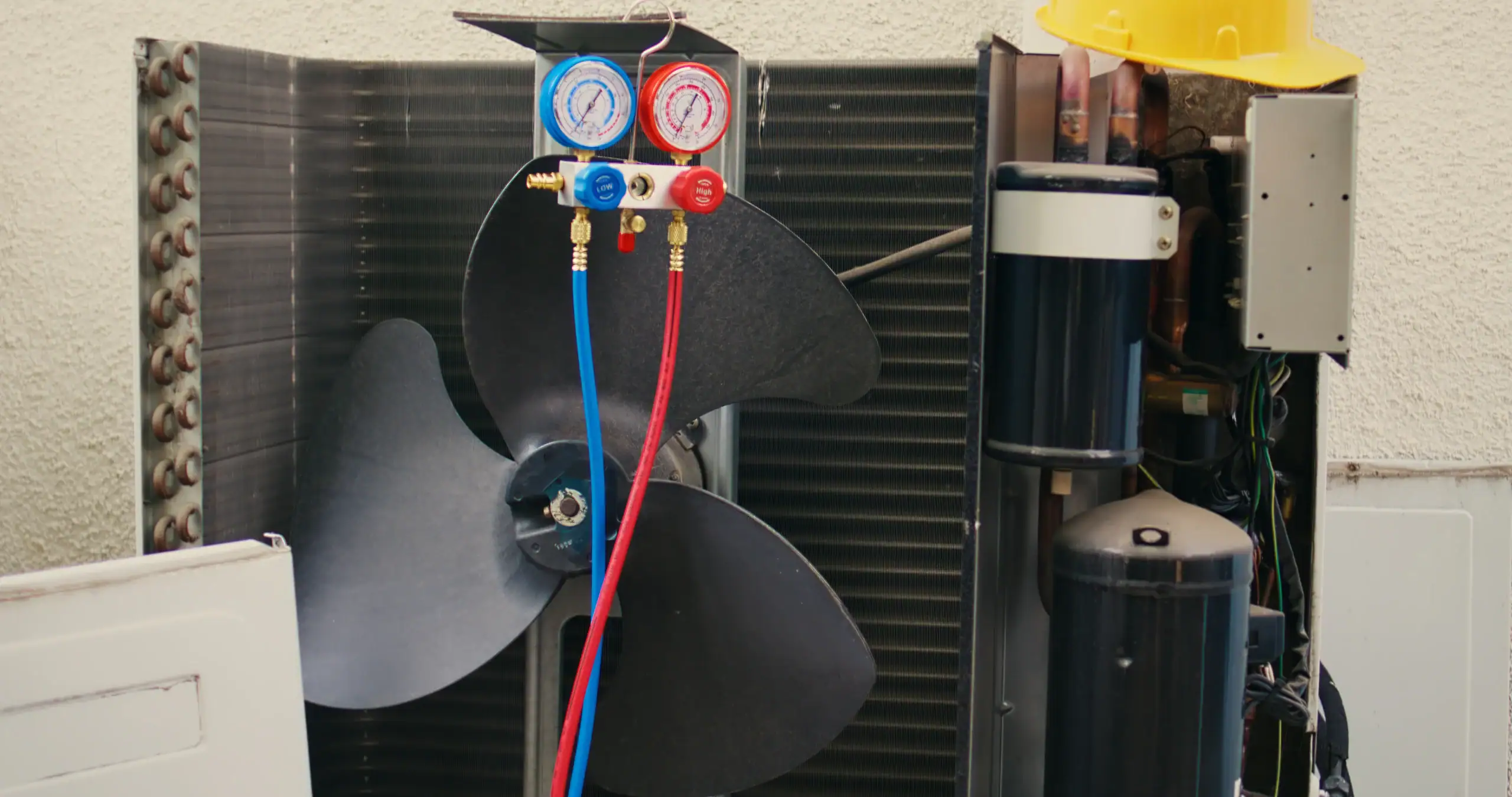
Your boat’s refrigeration or AC system just failed, or it’s running but not like it should. Either way, you’re stuck trying to find someone who actually knows marine systems—not just a regular HVAC tech who’ll guess their way through it.
Here’s what changes when you work with someone who specializes in marine refrigeration and boat air conditioning. Your system gets diagnosed correctly the first time. The repair or installation accounts for salt air, vibration, humidity, and the realities of marine environments that Long Island boat owners face every season.
You get a straight answer about what’s wrong, what it costs, and how long it takes. No runaround. No inflated boat-owner pricing. No callbacks because the fix didn’t hold.
You get your cooling system working right so you can use your boat the way you’re supposed to—without wondering if your food will spoil or your cabin will feel like a sauna by noon. Your weekends stay yours. Your time on the water doesn’t get cut short because your marine HVAC couldn’t handle a hot July afternoon.
We’ve been handling marine refrigeration and boat HVAC systems for over 40 years. We serve boat owners across East Massapequa and the greater Long Island area, along with a commercial client base that includes airports, restaurants, catering halls, and delis across the region.
That commercial refrigeration work matters because it proves capability at scale. When your marine AC fails, you’re working with a team that handles complex cooling systems daily—not someone who dabbles in boat work between residential calls.
We built our reputation on being available when you need us (24/7 consulting), transparent about pricing (free estimates), and straightforward in communication. Dozens of five-star reviews back that up. East Massapequa boat owners deal with enough—finding reliable marine refrigeration services shouldn’t be one of them.
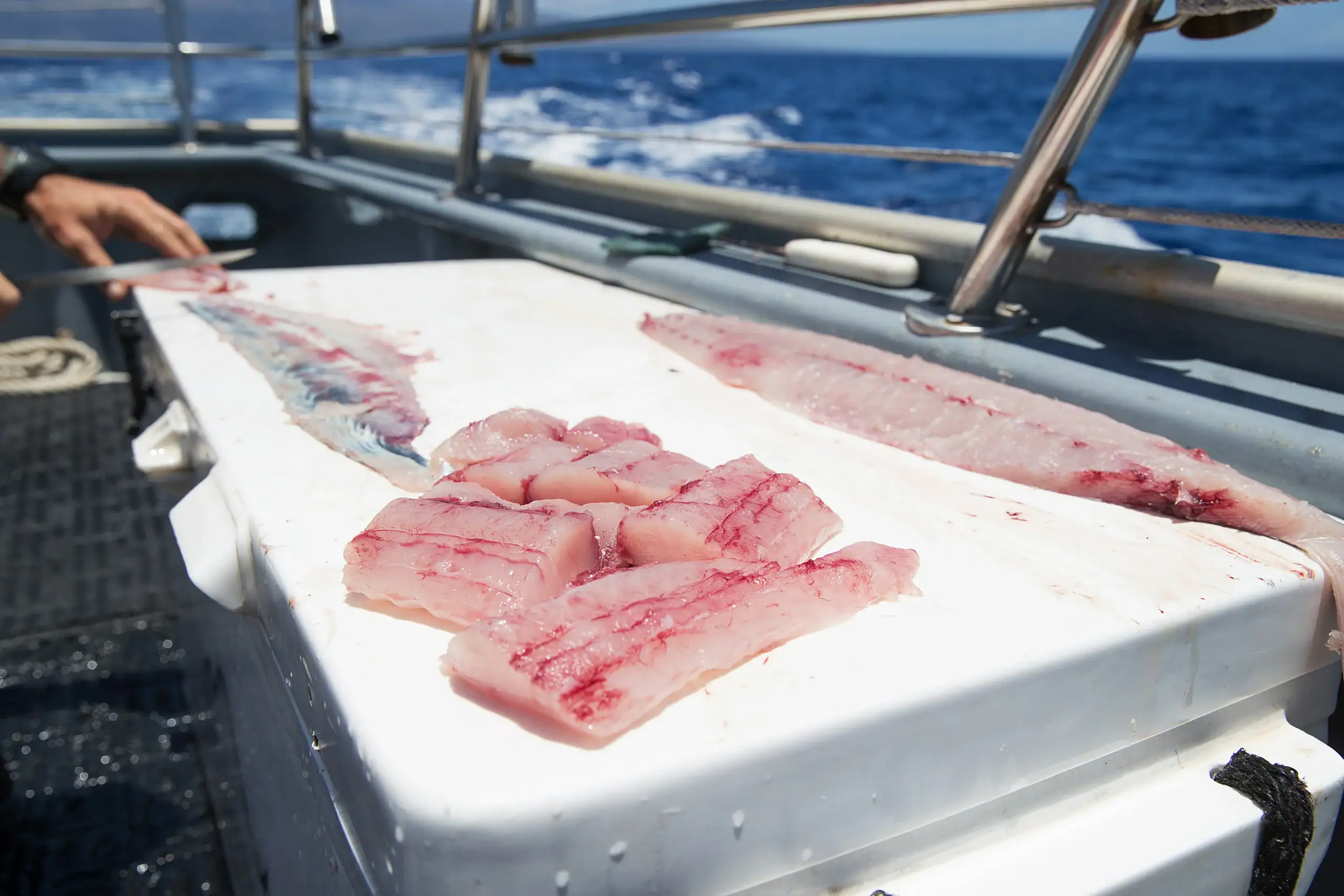
You reach out—phone, text, email, whatever works. Someone responds fast, and you get a free estimate. No games, no pressure to commit before you know what you’re looking at.
If you move forward, we come to your vessel with the right tools and marine-specific parts. We diagnose the issue, explain what’s actually wrong in plain language, and map out the fix. If it’s a boat AC repair, we handle it on-site when possible. If it’s a full refrigeration installation, we walk you through the options that fit your boat’s setup and your budget.
The work gets done right—properly sealed, correctly wired, and built to handle what marine environments throw at it. You’re not getting a quick patch that fails in three months. Marine refrigeration maintenance isn’t the same as slapping a band-aid on a residential unit and hoping it holds.
Before we leave, we test the system, show you it’s working, and answer any questions you have. You get clear communication throughout the process because you shouldn’t have to wonder what’s happening with your own boat. Then you’re back to using your vessel without that nagging worry about whether your cooling system will hold up when you’re ten miles offshore.
Ready to get started?
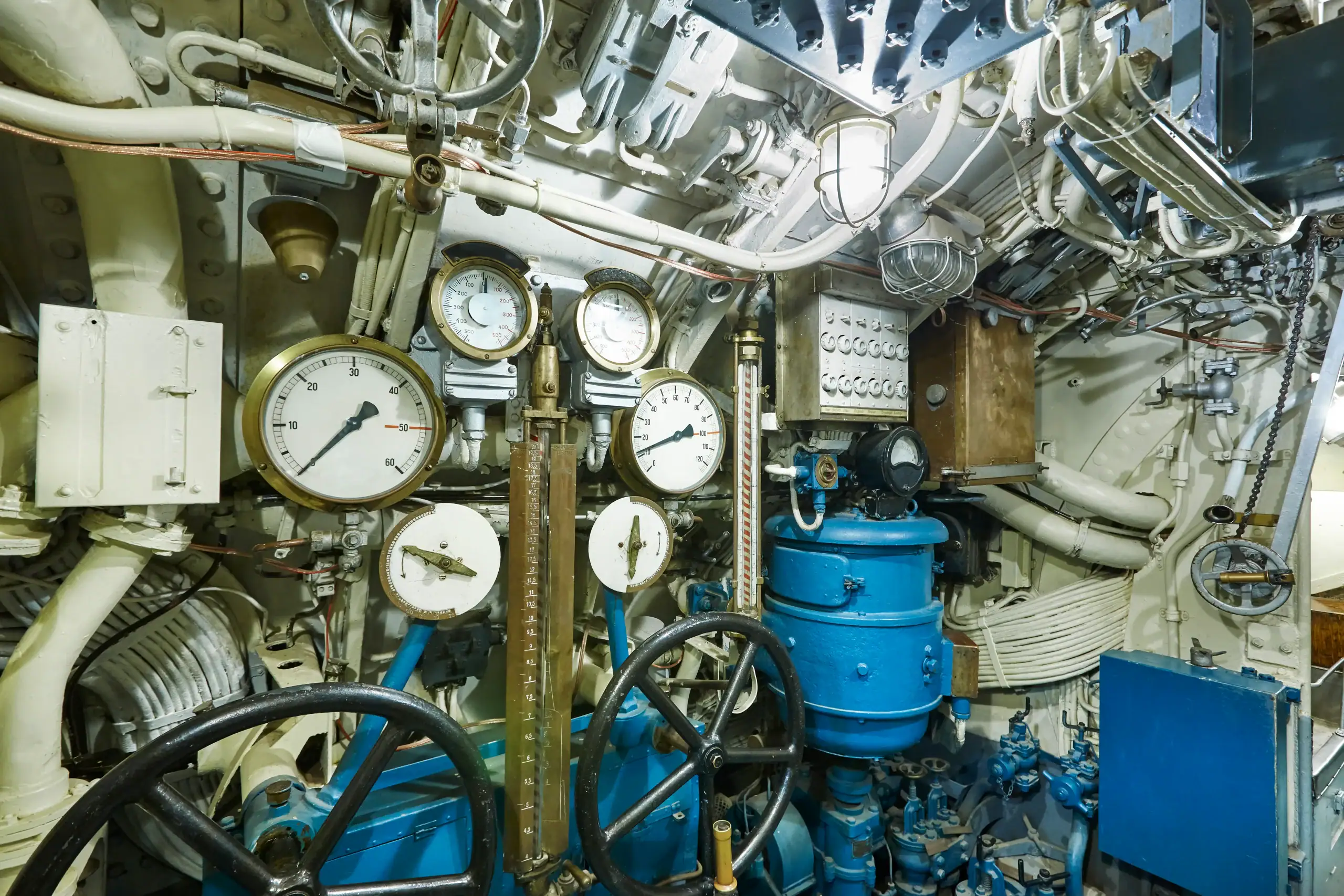
Marine refrigeration and boat air conditioning work isn’t the same as residential HVAC. Your boat faces salt air, constant vibration, limited space, and power constraints that land-based systems never see. That’s why the service needs to be different.
You get technicians who understand marine-grade components, DC power systems, and how to install equipment that won’t corrode or fail when exposed to moisture. We know which compressors work in tight engine rooms, how to route refrigerant lines without creating weak points, and what sealing methods actually hold up in marine environments.
For East Massapequa boat owners, this also means working with someone familiar with South Shore conditions. Long Island’s marine environment is tough on boat HVAC equipment—high humidity, salt exposure from the Atlantic, and temperature swings from April through October. Your refrigeration services should account for that reality, not treat your boat like a house with an outboard motor attached.
Whether it’s a full marine refrigeration system installation, a boat AC repair before the season starts, or preventive refrigeration maintenance to catch problems early, you’re getting work that’s built to last in the environment where you actually use your boat. Custom installations get designed around your vessel’s specific layout and power capabilities. Emergency repairs happen fast because a broken system in peak season means lost time on the water.
It depends entirely on what’s wrong. A simple fix—like a failed relay, a clogged strainer, or a loose connection—can take an hour or two. More involved repairs, like replacing a compressor or fixing a refrigerant leak, might take half a day or longer.
Here’s the thing: marine refrigeration systems are compact and tucked into tight spaces, so access is often the biggest time factor. A repair that would take 30 minutes in a wide-open commercial unit might take twice that on a boat where you’re working around fuel tanks, bilge pumps, and limited headroom.
The best approach is to get a marine HVAC technician to assess it first. We can give you a realistic timeline once we see what we’re working with and determine if parts need to be ordered. Most companies that specialize in boat refrigeration can get common repairs done the same day or within 24 hours, assuming they have the marine-grade parts on hand. If it’s peak season and you’re in East Massapequa or anywhere on Long Island, expect higher demand—but we prioritize based on urgency and keep you updated.
Technically, yes—but you’re taking a risk. Marine AC systems operate differently than residential or commercial units. They run on different power sources (often 12V or 24V DC, or a combination of AC/DC), deal with constant vibration, and face moisture and salt exposure that land-based systems never encounter.
A general HVAC tech might know refrigeration principles, but if they don’t understand marine-specific components, installation techniques, or environmental factors, the repair might not hold. You could end up with a temporary fix that fails a few weeks later, or worse, an installation that causes corrosion or electrical issues down the line.
It’s worth finding someone who works on boat air conditioning and marine HVAC regularly. We have the right marine-grade parts, understand the unique challenges of working on vessels, and know how to make repairs that actually last in a saltwater environment. You wouldn’t take your boat to a car mechanic—same logic applies here. The South Shore marine environment is particularly harsh, so proper installation and repair techniques matter even more for East Massapequa boat owners.
Marine refrigeration is built to handle conditions that would destroy a household fridge in weeks. It’s designed for constant motion, runs on DC power from your boat’s batteries, and uses components that resist corrosion from salt and moisture.
The cooling systems are also far more efficient because power is limited on a boat. A regular fridge pulls from an endless power grid. A marine refrigeration unit has to keep things cold without draining your batteries overnight, which means better insulation, more efficient compressors, and smarter temperature controls that cycle properly.
Installation is completely different too. Marine units get mounted securely to handle rough water, and all the components—refrigerant lines, wiring, vents—need to be sealed and protected against the elements. If you tried to install a regular fridge on a boat, it wouldn’t last a season. The compressor would fail from vibration, moisture would corrode the electrical components, and the inefficiency would kill your batteries before you made it through a weekend. Marine refrigeration systems are purpose-built to avoid all of that, which is why boat refrigeration services require specialized knowledge.
At minimum, once a year—ideally before the season starts in spring. If you use your boat heavily during summer months or keep it in the water year-round, twice a year makes more sense.
Marine AC systems work hard in tough conditions. Salt air gets into everything, moisture can cause corrosion on electrical connections, and the constant vibration loosens fittings over time. Regular boat AC repair and maintenance catch those issues before they turn into expensive failures. We check refrigerant levels, clean or replace filters, inspect electrical connections, test the compressor, and make sure everything’s sealed properly against moisture intrusion.
Skipping refrigeration maintenance doesn’t just risk a breakdown—it shortens the life of your system significantly. A well-maintained marine HVAC unit can last 10-15 years. One that’s ignored might give you five or six before it needs major repairs or complete replacement. The cost of an annual service is a fraction of what you’d pay for an emergency repair in the middle of July when every marine technician on Long Island is booked solid, and it’s way less than replacing the whole system prematurely. For East Massapequa boat owners who use their vessels regularly, preventive maintenance is the smartest investment you can make.
The most common culprits are power issues, refrigerant leaks, and compressor failures. Power problems—loose wiring, corroded connections, or a weak battery bank—account for a lot of boat refrigeration service calls. If the system isn’t getting consistent power, it won’t run properly or might not run at all.
Refrigerant leaks happen when vibration or corrosion creates tiny cracks in the lines. The system might run but won’t cool effectively because it’s low on refrigerant. You’ll notice your boat air conditioning running constantly but not keeping up, or your refrigeration barely staying cold. Compressor failures usually come from age, lack of maintenance, or operating in extreme conditions without proper ventilation.
You’ll also see failures from clogged filters, failed thermostats, corroded relay switches, or moisture getting into electrical components. Marine environments are brutal on boat HVAC equipment, so even small maintenance issues can snowball into bigger problems fast. The good news is that most of these are preventable with regular refrigeration maintenance, and even when something does fail, a technician who specializes in marine refrigeration can usually diagnose and fix it quickly. The key is catching issues early before a minor problem turns into a complete system failure when you’re trying to enjoy a weekend on the water.
There’s no single answer because it depends on your boat, the system you choose, and how complex the installation is. A basic marine fridge retrofit for a smaller vessel might run a few thousand dollars. A full marine AC and refrigeration system for a larger yacht with multiple zones could be significantly more.
The cost includes the marine-grade equipment itself, labor, and any modifications needed to fit the system into your boat’s existing setup. If your boat needs new wiring, upgraded batteries to handle the power draw, or custom mounting solutions, that adds to the total. Marine-grade components cost more than residential equivalents, but they’re built to last in conditions that would destroy cheaper equipment within a season or two.
The best approach is to get a free estimate based on your specific boat and needs. We’ll come to your vessel, assess your space and power situation, explain your options for boat air conditioning and refrigeration, and give you a clear breakdown of costs before any work starts. Avoid anyone who tries to quote you over the phone without seeing your boat—there are too many variables to give an accurate number without looking at the actual setup. For East Massapequa boat owners, working with a local company that understands Long Island marine conditions means you’re getting an installation designed for the environment where you’ll actually be using it.