Hear from Our Customers
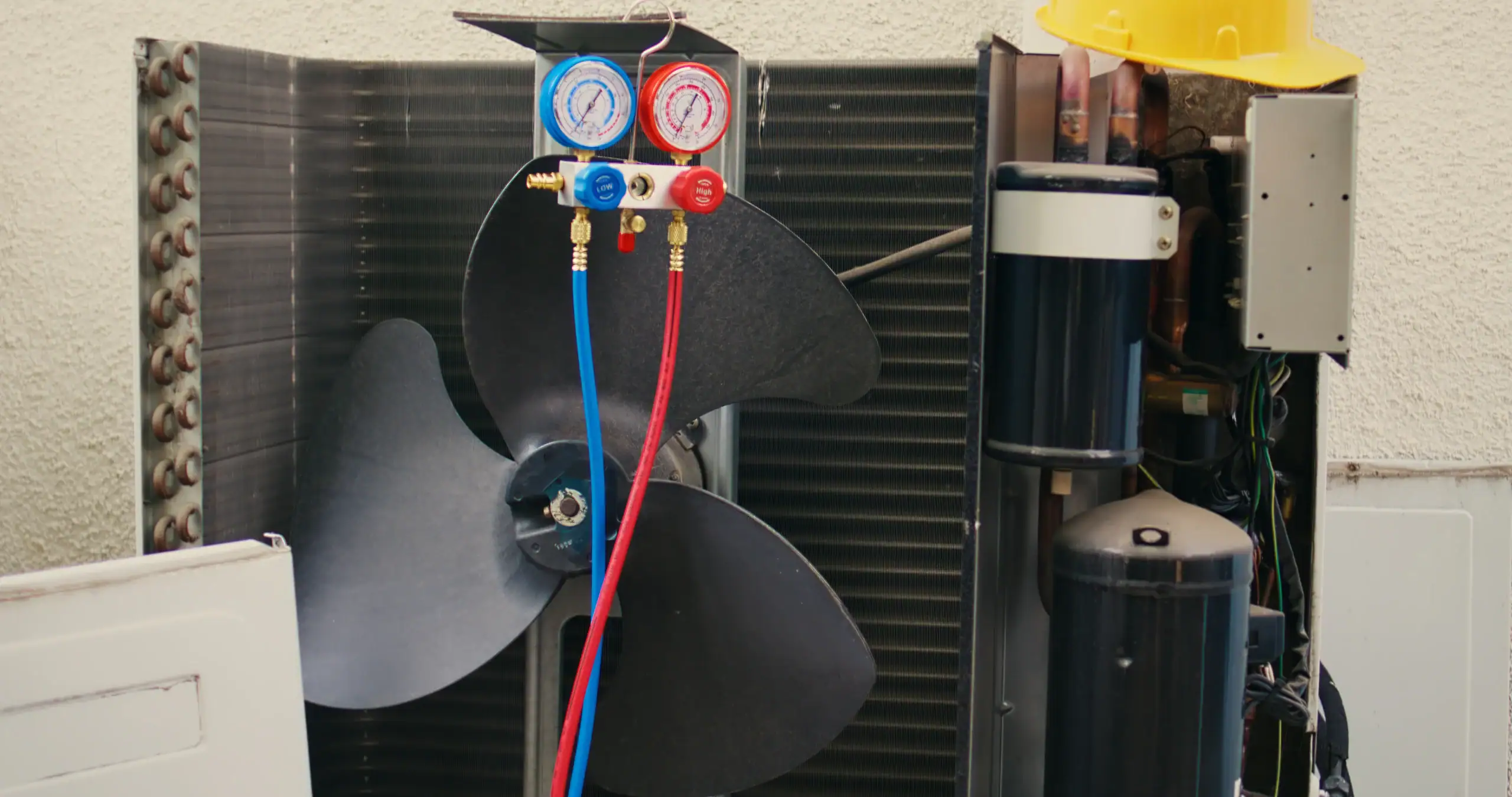
When your boat’s AC goes down in July, you don’t have time for the usual runaround. Most marine HVAC companies around Moriches Bay are booked solid for weeks during peak season, and by the time they get to you, half your summer’s already gone.
We’ve spent 40 years building the kind of operation that doesn’t leave you hanging. That means proper staffing, stocked trucks, and techs who know the difference between a clogged strainer and a failing compressor without wasting your time or money on guesswork.
You get straight answers about what’s broken, what it’ll cost, and how long it takes. No travel fee surprises. No “we’ll call you back” that never happens. Just fast, reliable boat refrigeration service that gets your boat comfortable again so you can actually use it.
We’ve been handling marine HVAC and commercial refrigeration across the Greater New York area for over 40 years. That’s not just boat AC—we’re talking airports, catering halls, restaurants, and complex commercial systems that most marine-only shops won’t touch.
That background matters when your boat has a chiller system, custom cooling setup, or something beyond a basic self-contained unit. We’ve seen it all, fixed it all, and installed systems other companies walk away from.
Mastic Beach and the Moriches Bay area have a strong boating community, and we’ve earned dozens of five-star reviews by showing up, doing the work right, and being available when you actually need us—including 24/7 for emergencies. You’re not getting a runaround or a three-week wait. You’re getting people who know what they’re doing and respect your time.
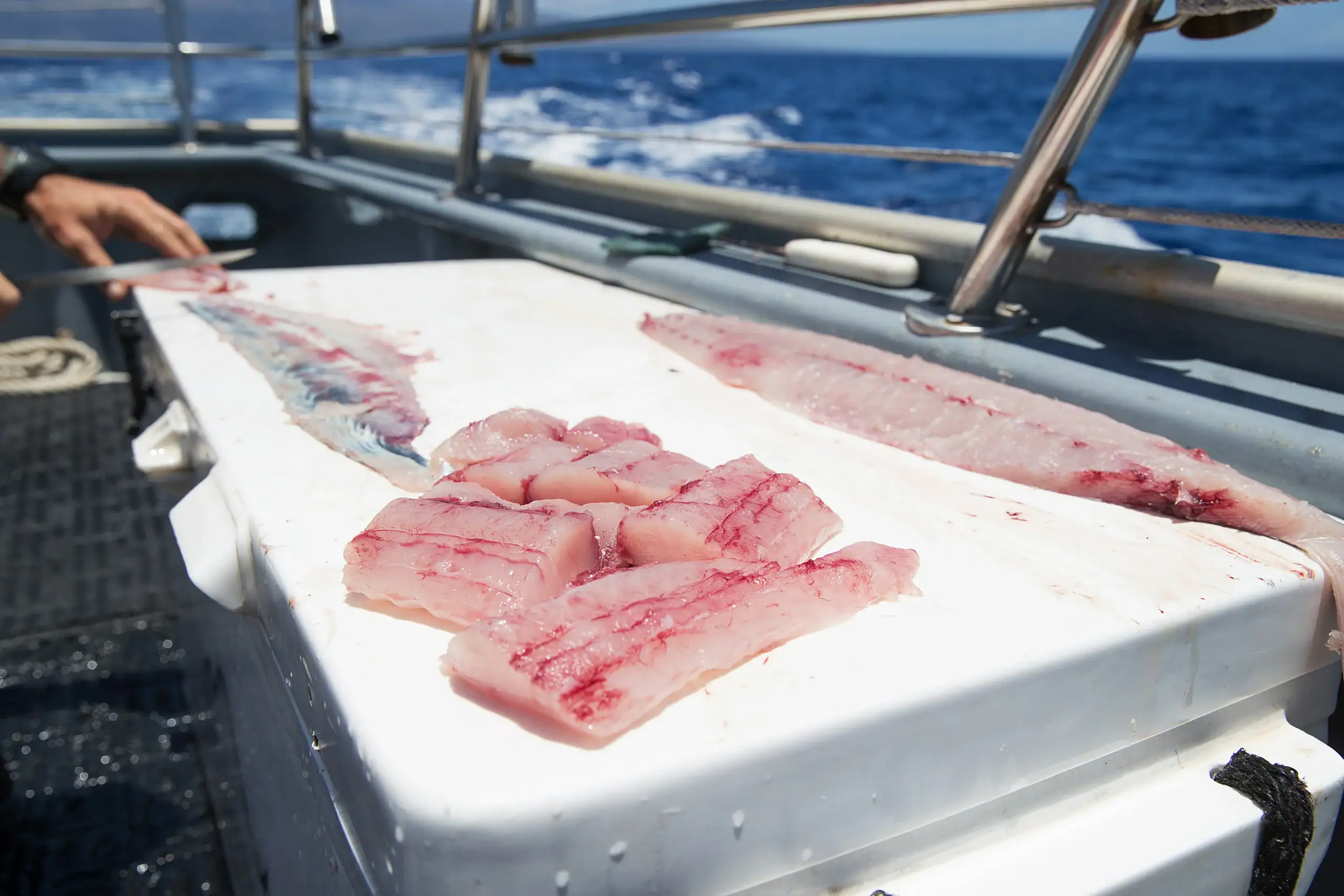
First, you call or reach out for a free estimate. We’ll ask about your system, what’s happening, and when you need it fixed. No vague “we’ll get back to you”—we give you real information upfront.
Once we’re on your boat, we diagnose the actual problem. That might be a water flow issue, a refrigerant leak, a failing pump, or something with your condenser coils. We explain what we find in plain terms, not HVAC jargon, and tell you what it costs to fix versus replace if that’s the better call.
Then we do the work. If it’s a repair, we handle it fast with the right parts. If it’s an install, we do it clean and correct—no shortcuts, no sloppy ductwork, no “good enough” wiring. And if you’ve got a custom setup or something complex, that’s where our 40 years of commercial refrigeration experience actually matters. We’re not intimidated by systems that aren’t plug-and-play.
After the job’s done, your boat’s climate control works the way it should. Cold air when you need it, proper water flow, no weird noises or error codes. And if something comes up later, we’re available—24/7 consulting means you’re not stuck Googling error messages at the dock on a Saturday night.
Ready to get started?
Marine refrigeration isn’t the same as your house AC. Your boat uses seawater to cool the system, which means through-hull fittings, raw water pumps, strainers that clog with marine growth, and condenser coils that scale up from saltwater exposure. That’s why over 60% of marine AC failures come down to water flow problems—and why you need someone who actually understands how these systems work.
Here in Mastic Beach and along Moriches Bay, boats deal with constant saltwater exposure. That accelerates wear on pumps, corrodes fittings, and builds up scale in your condenser coils. If those coils aren’t flushed every few years, you lose 30% of your cooling capacity without even realizing it. Your compressor works harder, your power draw goes up, and eventually something gives out.
We handle the full scope: diagnosing water flow issues, checking seawater pumps and strainers, flushing condenser coils, testing refrigerant levels, fixing reverse-cycle heat pumps, and replacing components that are actually worn out—not just throwing parts at a problem. We also do installations for new systems, whether that’s a basic self-contained unit for a smaller boat or a multi-zone chiller setup for something bigger.
And because we also work on commercial refrigeration—airports, restaurants, catering halls—we’re not limited to cookie-cutter boat AC. Custom cooling solutions, beer systems, specialized setups that need real engineering? That’s where most marine shops tap out. We don’t.
It depends on what’s actually wrong. If it’s a clogged strainer or a bad pump, we can usually handle that same-day or next-day. If it’s a refrigerant leak or a compressor replacement, that might take a couple of days depending on parts availability.
The bigger issue is wait time to even get a tech out to your boat. Most marine HVAC companies around Long Island are booked 2-3 weeks out during peak season, which means your boat sits dead in the water while you wait. We staff properly and keep trucks stocked specifically so we don’t leave you hanging for weeks.
When you call, we’ll give you a realistic timeline based on what’s going on and our current schedule. No vague “we’ll fit you in sometime.” You get actual information so you can plan accordingly.
If your system is under five years old and the repair is straightforward—like a pump, strainer, or sensor—repair usually makes sense. If it’s over five years old and you’re looking at a compressor replacement or refrigerant leak, replacement often costs less in the long run.
Here’s why: most marine AC systems last 5-10 years depending on use and maintenance. After about five years, repair costs start climbing because multiple components are wearing out at once. You fix the compressor today, then six months later the condenser coils fail, then the pump goes. You end up spending more than a new system would’ve cost.
We’ll walk you through the math honestly. If replacement makes more sense, we’ll tell you. If a repair gets you another few seasons without breaking the bank, we’ll tell you that too. The goal is helping you make the right call for your situation, not just selling you the most expensive option.
High-pressure faults are one of the most common marine AC problems, and they almost always come back to water flow. Your system needs a steady flow of seawater through the condenser coils to carry heat away. When that flow gets restricted, pressure builds up and the system shuts down to protect itself.
The usual culprits are clogged raw water strainers (marine growth, debris, sand), failing seawater pumps that aren’t moving enough water, or condenser coils that are scaled up from saltwater exposure. Sometimes it’s as simple as a kinked hose or a closed seacock that someone forgot to open.
We start by checking your strainer and pump, then move to the condenser coils if those check out. If your coils haven’t been flushed in a few years and you’re in a saltwater environment like Moriches Bay, there’s a good chance they’re clogged with scale and marine growth. Flushing them out usually solves it. If the pump’s shot, we replace it. Either way, we find the actual cause instead of just resetting the fault code and hoping it doesn’t come back.
Yes. We offer 24/7 consulting, which means you can reach us outside normal business hours if something goes wrong. Marine AC failures don’t wait for Monday morning, and neither do we.
If your system quits on a Friday night or over the weekend, you’re not stuck waiting until the following week to even talk to someone. We’ll walk you through what’s happening, help you troubleshoot if it’s something simple, or schedule an emergency service call if it needs hands-on work.
That kind of availability matters in a place like Mastic Beach where peak boating season is short and every weekend counts. You shouldn’t have to cancel plans or lose rental income because your boat’s climate control failed and nobody’s answering the phone. We built our operation specifically to be available when you actually need us, not just when it’s convenient for us.
At minimum, you should have your marine AC system checked before each boating season—ideally in early spring before things get busy. That catches small problems before they turn into breakdowns in July when you’re trying to use the boat.
Beyond that annual check, your condenser coils should be flushed every 2-5 years depending on where you boat and how much you use the system. If you’re in saltwater like Moriches Bay and you run your AC regularly, you’re on the shorter end of that range. Freshwater boaters can stretch it longer.
You should also clean or replace air filters regularly (every 30-60 days during heavy use), check your raw water strainer for clogs, and make sure your seawater pump is moving water properly. Those are things you can keep an eye on yourself between professional service calls.
The reality is that most boat owners skip maintenance until something breaks, then they’re stuck with a bigger repair bill and lost time on the water. Spending a few hundred bucks on preventive service beats spending a few thousand on an emergency compressor replacement in the middle of summer. We’re happy to set you up on a maintenance schedule that actually makes sense for how you use your boat.
Marine HVAC uses water for cooling instead of air. Your boat pulls seawater (or freshwater) through the system to carry heat away from the refrigerant, then dumps that warmed water back overboard. That’s completely different from a house or car AC that uses outdoor air.
That means marine systems have components regular HVAC doesn’t deal with: through-hull fittings, raw water pumps, seawater strainers, and condenser coils that are constantly exposed to saltwater. All of that creates maintenance issues that don’t exist with land-based systems—marine growth in strainers, scale buildup in coils, corrosion on fittings, pumps that fail from running saltwater.
The other big difference is the environment. Boats deal with constant vibration, saltwater spray, high humidity, and limited space for equipment. Systems have to be compact, corrosion-resistant, and able to handle rough conditions. That’s why you can’t just call a regular HVAC company and expect them to know what they’re doing. Marine refrigeration is its own specialty, and if the tech doesn’t understand how seawater cooling works or hasn’t dealt with marine-specific components, they’re going to waste your time and money figuring it out on your dime.