
Hear from Our Customers
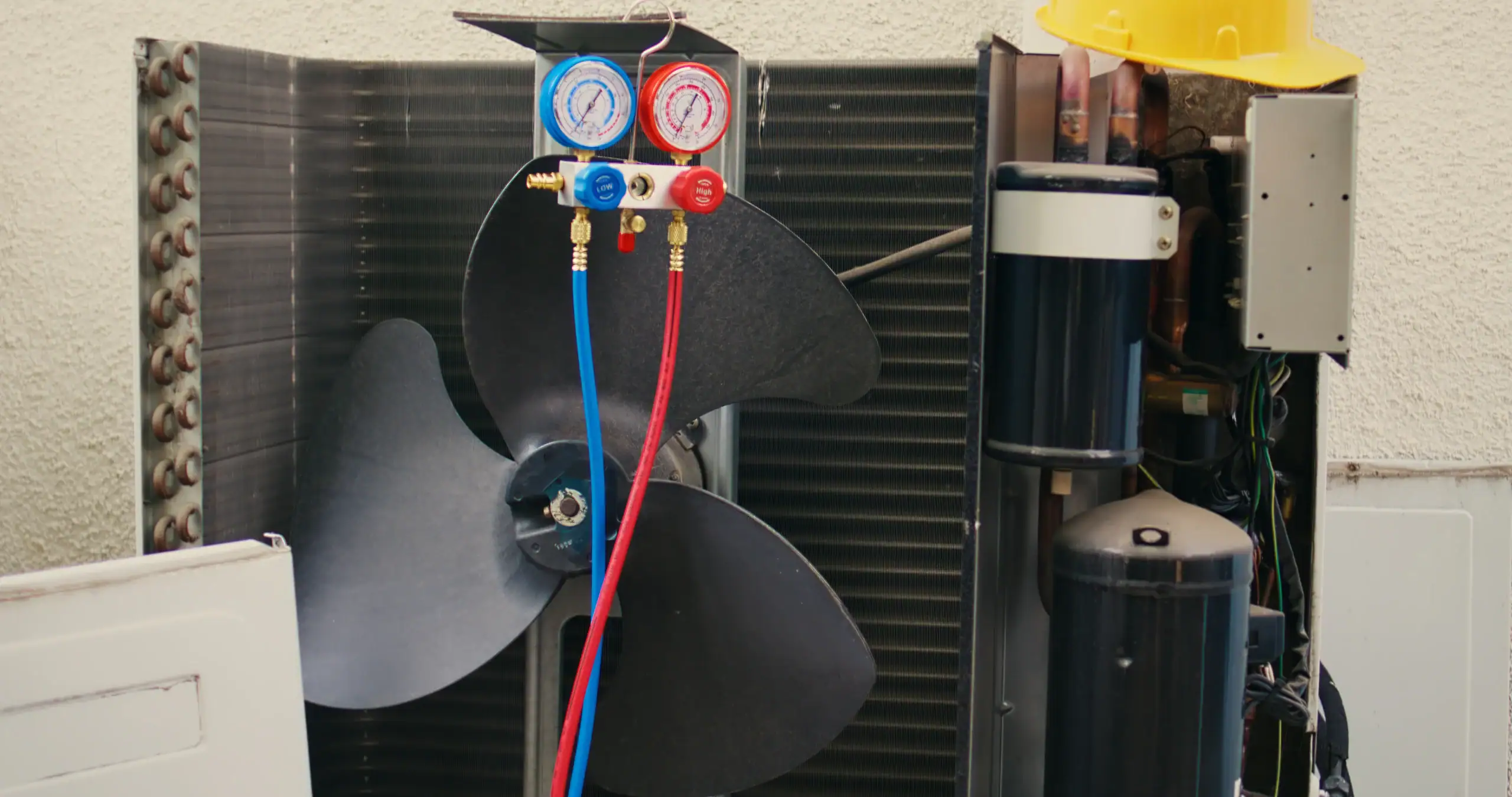
You’re not dealing with a house. Marine environments are harsher, saltwater is corrosive, and your cooling systems work twice as hard in conditions that would destroy standard equipment. When your boat refrigeration or AC goes down on the water, you can’t just call any HVAC company and hope they figure it out.
Here’s what changes when your marine systems actually work. Your food stays cold during long trips. Your crew and guests stay comfortable below deck, even in July. You’re not cutting weekends short because the cabin turned into a sauna. You’re not losing expensive provisions because the fridge quit overnight.
The difference is having someone who knows marine refrigeration systems inside and out. Someone who understands the specific challenges of boat air conditioning, from proper seawater circulation to handling the constant vibration and movement. That’s not most HVAC techs. That’s specialized knowledge that takes years to build.
We’ve been handling marine refrigeration and boat HVAC systems for over 40 years. We serve boat owners throughout North Bay Shore and the greater Long Island area, bringing the same level of expertise we use for commercial clients like airports and restaurants to marine applications.
We know Great South Bay. We know the marinas. We know what salt air does to condensers and what happens when seawater intake systems get clogged. This isn’t theory—it’s hands-on experience solving real problems on actual boats.
What matters to boat owners here is simple: Will you show up? Will you know what you’re doing? Will the fix actually last? We’ve built our reputation on yes to all three, backed by dozens of five-star reviews and 24/7 availability when emergencies happen.
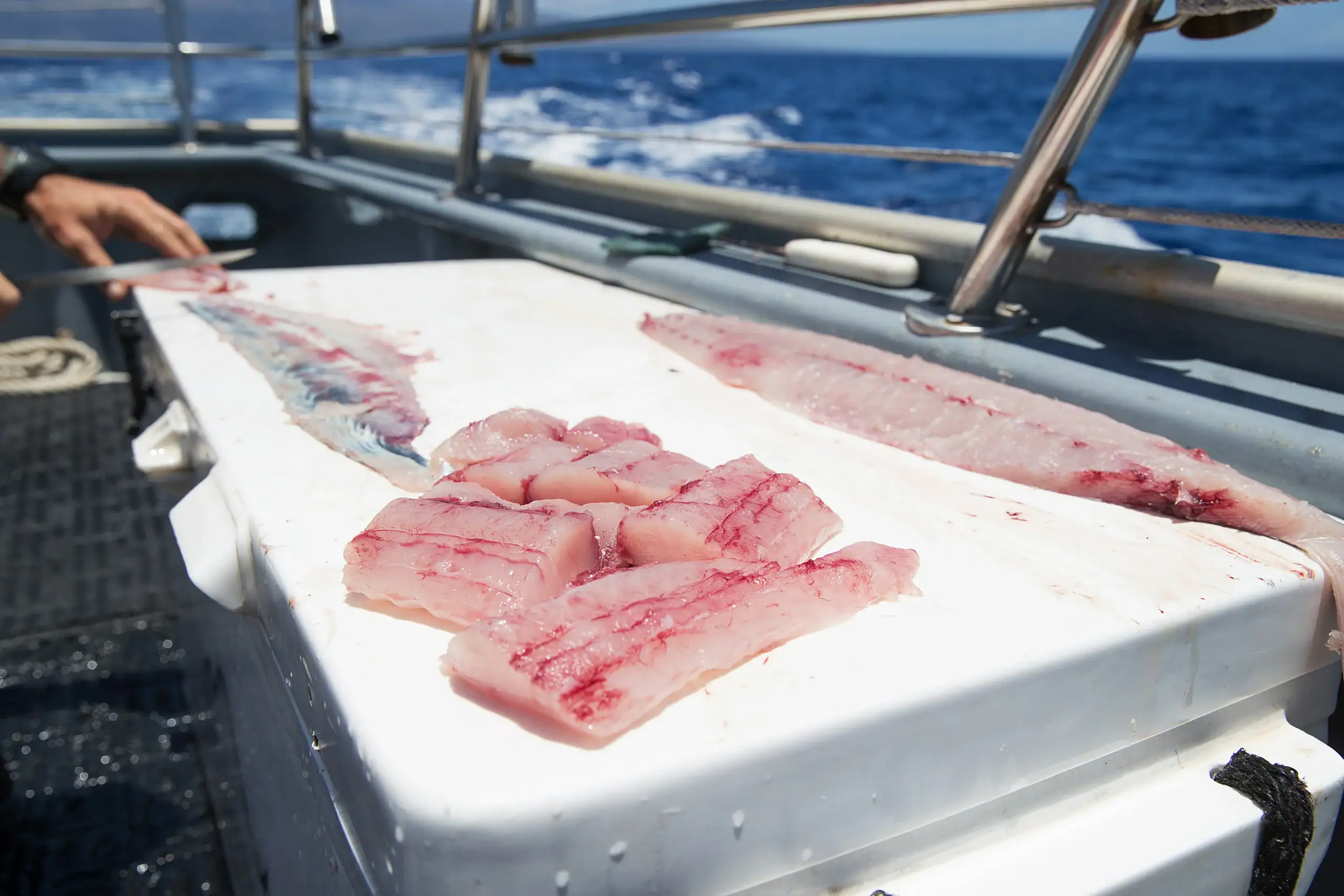
First, you call. Whether it’s a scheduled maintenance visit or your AC just stopped working, we offer free estimates so you know what you’re looking at before any work starts. No surprises, no hidden fees.
Next, a technician comes to your boat. You’re not hauling equipment anywhere. The service comes to you, whether you’re docked at a North Bay Shore marina or anywhere in the surrounding area. Our tech assesses your system—checking refrigerant levels, inspecting seawater pumps, testing electrical connections, looking for corrosion or blockages that kill marine systems.
Then comes the fix or installation. If it’s a repair, you get a clear explanation of what failed and why. If it’s a new installation, you get a system designed for your specific boat and cooling needs. The work is done right the first time, using proper marine-grade components that can handle the environment.
Finally, you get maintenance guidance. Marine refrigeration and boat AC need regular attention to prevent failures. We walk you through what to watch for and when to schedule service, so you’re not dealing with breakdowns during peak season.
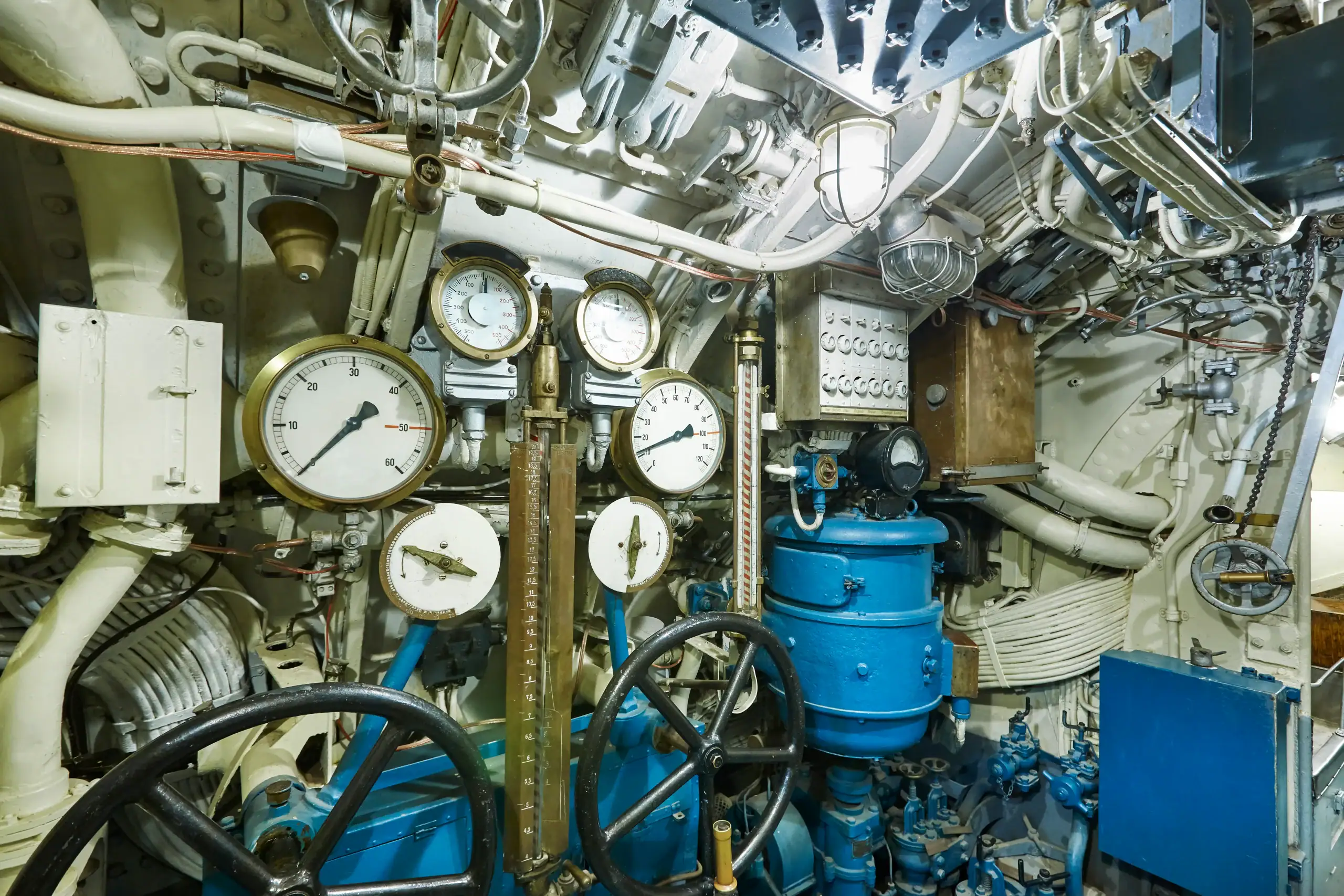
Ready to get started?
When you work with us for marine refrigeration or boat air conditioning, you’re getting comprehensive service. That includes installation of new systems, repairs on existing equipment, and preventive maintenance to keep everything running. We handle all major brands—Cruisair, Marine Air, Dometic, and others—so you’re not limited by what equipment is already on your boat.
For North Bay Shore boat owners, location matters. Great South Bay sees heavy use during boating season, and marine systems take a beating from saltwater exposure, humidity, and constant operation. Local expertise means understanding these specific conditions. It means knowing that seawater intake screens need regular cleaning, that condensers corrode faster here, and that preventive maintenance before summer hits saves you from emergency repairs in July.
Our service also includes 24/7 consulting. Marine emergencies don’t happen on a schedule. If your refrigeration fails overnight or your AC quits during a heatwave, you need someone who answers. You get custom solutions too—if your boat needs specialized cooling or you’re upgrading to a chilled water system for a larger vessel, we can design and install it.
What you won’t get is runaround or excuses. Our communication is straightforward, our estimates are free, and our work is backed by 40 years of experience. That’s what separates real marine specialists from general HVAC companies trying to figure out boat systems on the fly.
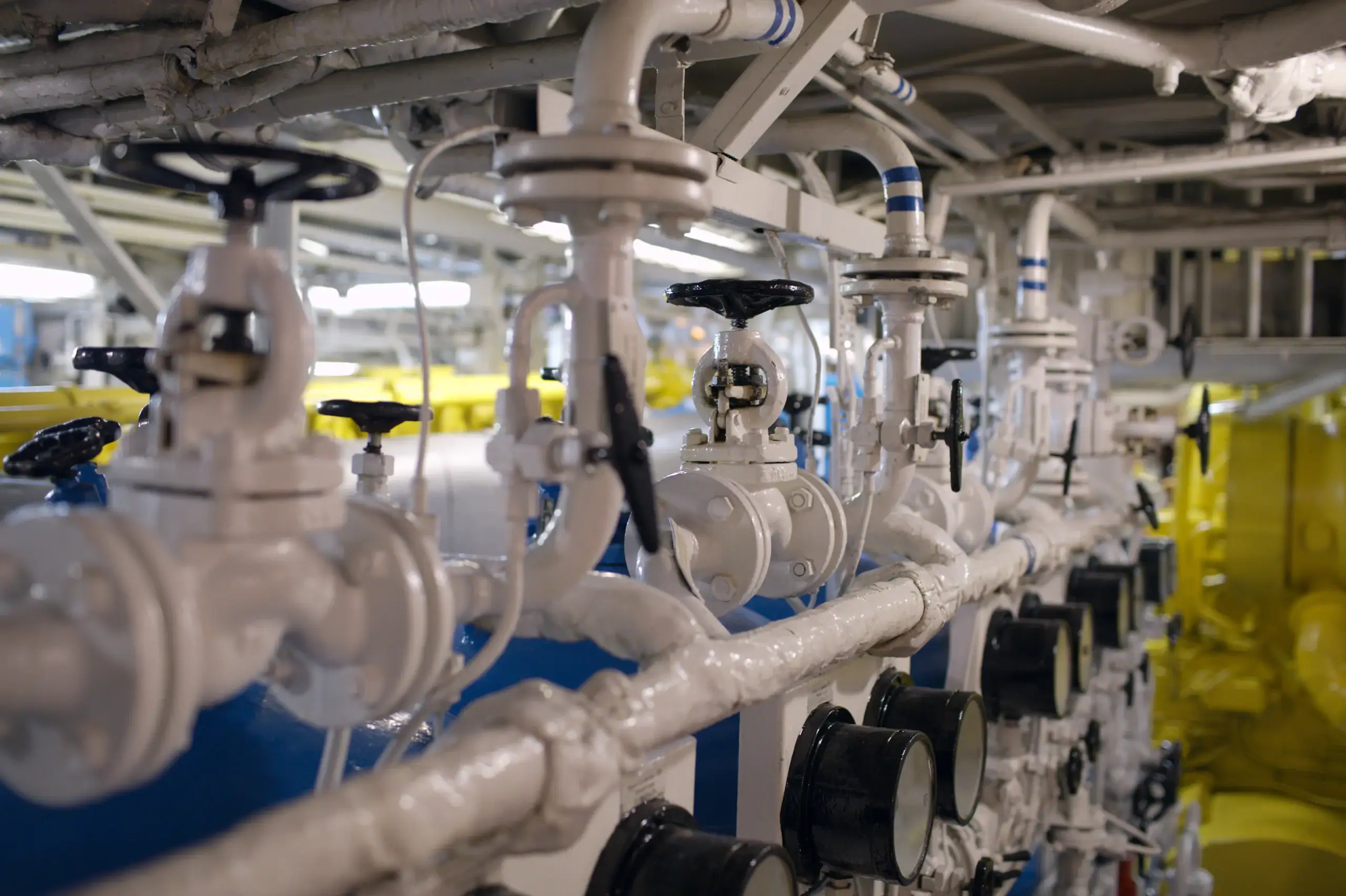
Your boat refrigeration should get professional maintenance at least once a year, ideally before boating season starts. Marine environments are rough on cooling systems—saltwater corrosion, constant humidity, and vibration from the boat all accelerate wear compared to land-based equipment.
During maintenance, a tech should check refrigerant levels, clean seawater intake screens and strainers, inspect electrical connections for corrosion, test the compressor, and verify that condensate pumps are working. These aren’t optional checks. Clogged intake screens reduce cooling efficiency. Corroded connections cause failures. Low refrigerant means your system works harder and dies faster.
If you use your boat heavily or keep it in the water year-round, consider maintenance twice a year. Catching small issues early—like a worn pump or a slow refrigerant leak—prevents expensive emergency repairs when you’re miles from shore. Regular maintenance also extends equipment life significantly, which matters when marine refrigeration systems cost thousands to replace.
The most common culprit is seawater flow problems. Marine AC systems use seawater to cool the refrigerant, and if that water flow gets restricted or stops, the system shuts down. Clogged intake screens, failed seawater pumps, or blocked through-hulls all cause this. It’s why regular cleaning and inspection matter.
Refrigerant leaks are another frequent issue. Vibration and corrosion can cause fittings to loosen or lines to develop pinhole leaks over time. When refrigerant levels drop, cooling capacity drops with it until the system can’t keep up at all. Electrical failures—corroded connections, failed capacitors, or tripped breakers—also knock out boat AC systems, especially in the harsh marine environment.
Less obvious causes include failed thermostats, broken fan motors, or iced-up evaporator coils from restricted airflow. Sometimes it’s multiple small issues compounding. This is why marine AC diagnosis takes real experience. A tech who doesn’t know boats might chase symptoms instead of finding the root cause, costing you time and money while your cabin stays hot.
Technically yes, but you probably don’t want them to. Marine refrigeration and boat HVAC systems operate on similar principles to land-based equipment, but the execution is completely different. Marine systems deal with saltwater cooling, constant motion, electrical systems running on shore power or generators, and components that must withstand corrosive environments.
A residential HVAC tech might understand refrigeration basics but won’t know how to properly service a raw water cooling system, diagnose seawater pump failures, or handle the marine-specific wiring and components. They won’t have the right tools or parts on their truck. They won’t understand why certain materials corrode faster in marine applications or how to properly seal penetrations through the hull.
The real risk is improper repairs that fail quickly or create bigger problems. Using wrong components, incorrect refrigerant charges, or poor installation techniques can damage expensive equipment or create safety issues. Marine specialists bring knowledge that only comes from years of working specifically on boats. That expertise is worth finding, especially when you’re dealing with systems that cost thousands to replace.
Simple repairs like cleaning clogged strainers, replacing capacitors, or fixing minor electrical issues might run a few hundred dollars. Mid-range repairs—replacing seawater pumps, fixing refrigerant leaks, or changing out fan motors—typically fall in the $500 to $1,500 range depending on the specific problem and parts needed.
Major repairs or component replacements get more expensive. A failed compressor, complete refrigerant system recharge after a major leak, or replacing control boards can run $1,500 to $3,000 or more. Full system replacement for larger boats with chilled water systems can reach $10,000+, though that’s a complete installation, not a repair.
The real cost variable is how long you wait. A small refrigerant leak caught early might cost $300 to fix. Ignore it until the compressor runs dry and fails, and you’re looking at $2,000+ for compressor replacement plus the refrigerant work. Emergency service calls during peak season also cost more than scheduled maintenance. This is why free estimates matter—you know what you’re facing before committing, and you can make informed decisions about repair versus replacement.
The biggest difference is the cooling method. Regular AC uses outside air to cool the refrigerant through an outdoor condenser unit. Marine AC uses seawater pumped through the system to absorb heat from the refrigerant, then discharges that heated water back overboard. This raw water cooling system is what makes marine AC unique and also what causes most problems.
Marine systems must handle constant movement and vibration that land-based units never experience. They’re built with corrosion-resistant materials because saltwater and salt air destroy standard components quickly. The electrical systems are different too—marine AC runs on shore power when docked or generator power when anchored, requiring specialized wiring and safety features.
Installation is more complex. Marine AC requires through-hull fittings for water intake and discharge, proper routing of seawater lines, specialized pumps, and careful attention to preventing leaks inside the boat. The units themselves are more compact and designed to fit in tight engine rooms or lazarettes. You also can’t just stick a window unit in a boat—marine environments and safety regulations require purpose-built systems. That’s why marine AC installation and repair requires specialized knowledge that regular HVAC techs simply don’t have.
Yes, if you’re in a climate with freezing temperatures. Water left in marine AC systems can freeze, expand, and crack components—destroying pumps, heat exchangers, and plumbing lines. Winterization prevents thousands in freeze damage. Even in North Bay Shore where winters are milder than upstate, you’re still at risk during cold snaps.
Proper winterization means draining all water from the system, including seawater lines, pumps, and heat exchangers. Most techs use non-toxic antifreeze pumped through the system to displace any remaining water and protect internal components. Refrigeration systems need the compressor oil checked and the unit properly secured for off-season storage. Electrical connections should be protected from moisture.
Don’t skip this. The cost of professional winterization—typically a few hundred dollars—is nothing compared to replacing a cracked heat exchanger or failed seawater pump from freeze damage. Spring commissioning is equally important. Before you start using systems again, a tech should inspect everything, check for any winter damage, verify seawater flow, and test operation. Starting the season with properly maintained equipment means fewer breakdowns when you actually want to be on the water.