
Hear from Our Customers
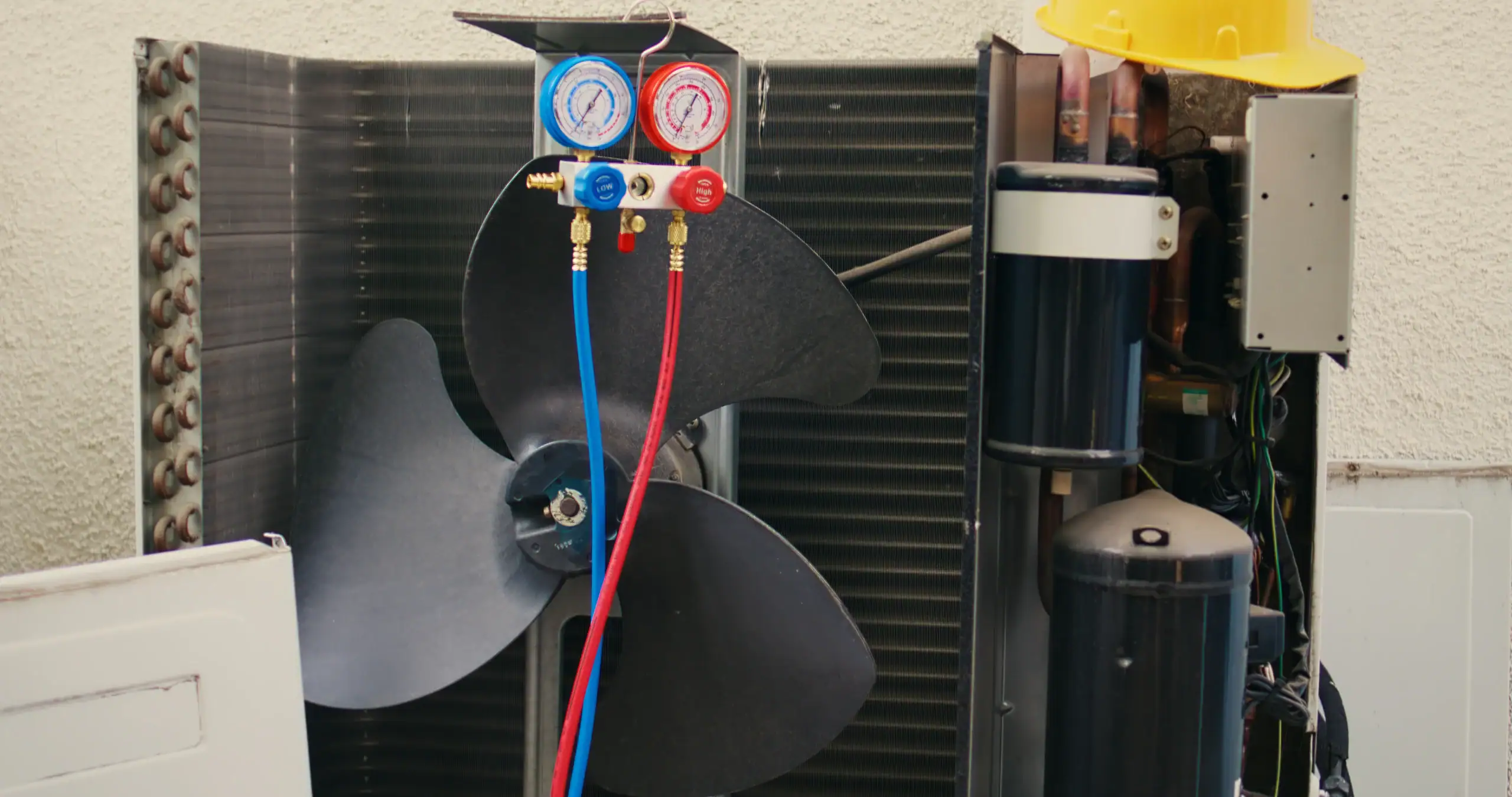
Marine cooling systems fail differently than home units. Salt air corrodes components faster. Constant motion wears seals and gaskets. Limited power means every amp counts, and a system that’s inefficient will drain your batteries before you leave the dock.
When your boat refrigeration works right, you’re not thinking about it. You’re focused on the water, the trip, the reason you bought the boat in the first place. Food stays cold. The cabin stays comfortable. You’re not sweating through the night or tossing spoiled provisions.
That’s what proper marine HVAC does—it disappears into the background. But getting there means working with people who know the difference between a household fridge and a marine system built to handle humidity, vibration, and weeks away from shore power.
We’ve been handling marine HVAC and commercial refrigeration across the Greater New York area for over 40 years. We serve boat owners throughout North Valley Stream, Long Island, and the surrounding waters—places where marine systems take a beating from salt, heat, and constant use.
We handle everything from emergency repairs at 2 AM to full system installations on powerboats, sailboats, and yachts. We’ve built our reputation on straight answers, not sales pitches. Free estimates, 24/7 consulting, and dozens of five-star reviews from customers who needed their systems fixed right the first time.
North Valley Stream sits in the heart of Nassau County’s boating community, where marinas and waterways mean marine HVAC isn’t optional—it’s essential. Local boat owners need technicians who show up, diagnose accurately, and don’t disappear when things get complicated.
First, you call or reach out for a free estimate. We ask about your vessel, your current system, and what’s happening—or not happening. No generic quotes, because every boat setup is different.
If it’s an emergency, we respond fast. A failed marine AC in July isn’t something you can wait three days to fix. For installations or planned maintenance, we schedule a time that works and show up when we say we will.
During the visit, we assess your system—compressor, condenser coils, water pumps, refrigerant levels, door seals, insulation, power draw. Marine refrigeration has more variables than residential units, so the diagnostic process matters. We’ll tell you what’s broken, what’s wearing out, and what can wait. Then we give you options: repair, replace, or upgrade.
Once you decide, we handle the work—whether that’s a quick fix, a full install, or custom modifications for unusual spaces. Everything gets tested under real conditions before we leave. You get a system that works in saltwater environments, not just on paper.
Ready to get started?
Marine refrigeration maintenance covers more than a standard tune-up. We inspect condenser coils for salt buildup, check water pumps for airlocks, test door gaskets for leaks, and measure power consumption to catch inefficiencies. We also look at insulation integrity, because poor insulation forces your compressor to run constantly.
Repairs address the issues boat owners actually face: refrigerant leaks, failed compressors, clogged seawater intakes, faulty thermostats, and worn circulation pumps. Marine systems operate under harsher conditions than residential units, so components fail faster. We know which parts are worth repairing and which ones need replacing.
For North Valley Stream boat owners, proximity to marinas and waterways means systems run hard during peak season. Humidity accelerates wear. Salt air corrodes metal components. Regular servicing—ideally twice a year for marine units—catches problems before they strand you with warm beer and spoiled food.
Installations involve sizing the system correctly for your vessel, accounting for insulation, cabin size, climate, and power availability. Undersized units run nonstop without cooling properly. Oversized units short-cycle and fail early. Custom solutions handle unusual layouts, limited space, and specific power requirements like DC battery systems for overnight cooling without shore power.
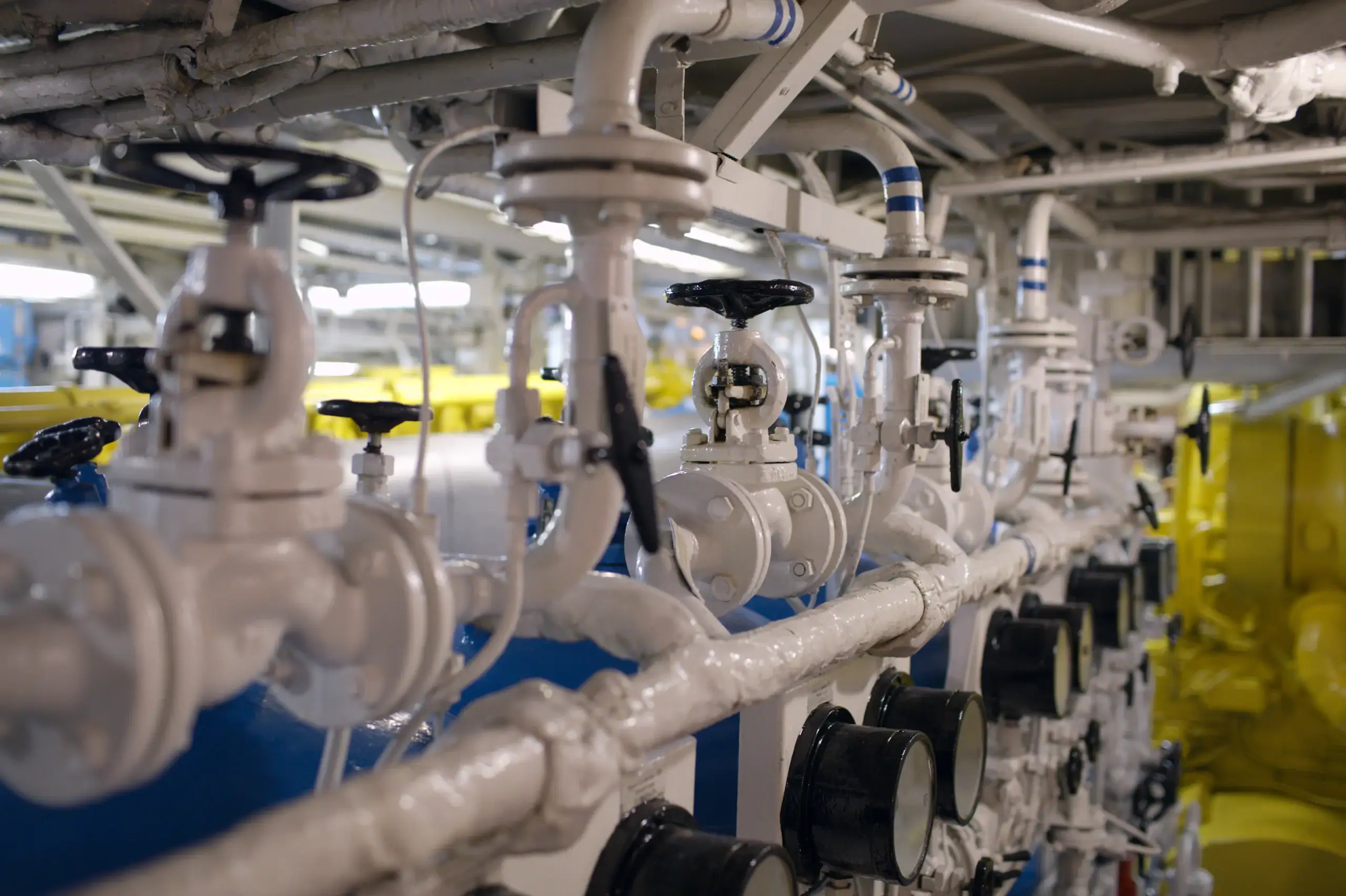
Marine refrigeration systems need servicing at least twice a year—more often than residential units. Salt air, humidity, and constant motion accelerate wear on components like seals, pumps, and coils.
If you’re using your boat heavily during summer months, consider a pre-season inspection in spring and a mid-season check in late summer. This catches issues before they turn into expensive failures. Regular maintenance also improves energy efficiency, which matters when you’re running on limited battery power.
Skipping service might save money short-term, but it usually leads to breakdowns at the worst times—like three days into a trip when you’re miles from shore power. Preventive maintenance is cheaper than emergency repairs and ruined provisions.
Constant running with poor cooling usually points to one of several issues. Bad door seals let warm, humid air infiltrate constantly, forcing the compressor to run nonstop trying to compensate. Test your seals by closing the door on a dollar bill—if it slides out easily, your gaskets need adjustment or replacement.
Poor insulation is another common culprit. If the exterior of your refrigerator feels warm or shows condensation, cold air is escaping and warm air is getting in. Marine refrigerators use polyurethane foam insulation that breaks down over time, especially with moisture intrusion.
Other causes include dirty condenser coils caked with salt and marine buildup, low refrigerant from leaks, or water pump problems preventing proper heat rejection. A qualified marine tech can diagnose which issue you’re facing and whether repair or replacement makes more sense financially.
Marine systems are built to handle conditions that would destroy residential units. They’re designed for constant motion, corrosive salt air, high humidity, and limited power availability. Residential refrigerators assume stable positioning, unlimited electricity, and controlled indoor environments.
Marine refrigeration uses water-cooled condensers that pump seawater through the system to reject heat, rather than air-cooled condensers like home units. Components are typically sealed better against moisture and built with corrosion-resistant materials. Power consumption is optimized because boats run on batteries or generators with finite capacity.
The installation process is also more complex. Marine systems require through-hull fittings for water intake, proper drainage for condensation in a moving vessel, and careful attention to weight distribution and space constraints. That’s why residential HVAC techs often struggle with marine work—the principles are similar, but the execution is completely different.
Most marine AC systems last between 5 and 10 years, depending on usage, maintenance, and environmental conditions. Boats that sit in saltwater year-round face harsher corrosion than freshwater vessels. Systems that run constantly during hot summers wear out faster than those used seasonally.
After about 5 years, repairs often start costing more than replacement. Refrigerant leaks are particularly problematic because they usually indicate broader corrosion issues, not just a single failed component. Finding and fixing leaks in marine systems is expensive and often temporary.
Modern marine AC units are also significantly more efficient and compact than older models, so replacement can actually save money long-term through reduced power consumption and freed-up space. If your system is struggling and approaching the 5-year mark, replacement usually makes more financial sense than repeated repairs.
Yes, but it requires a DC-powered marine air conditioning system designed to run on your boat’s battery bank. These systems use 12-volt, 24-volt, or 48-volt DC power and are engineered for high efficiency to minimize battery drain.
A properly sized DC marine AC system with adequate battery capacity can run through the night without shore power or generator noise. You’ll need a substantial battery bank and likely solar panels or other charging methods to sustain multi-day use.
The upfront cost for DC systems is higher than traditional AC-powered units, but for boaters who anchor out frequently or want quiet overnight cooling, the investment pays off. Installation requires careful calculation of power requirements, battery capacity, and charging capabilities to ensure the system works as intended without leaving you stranded with dead batteries.
Excessive ice buildup usually comes from moisture entering the refrigerator. Every time you open the door, warm humid air rushes in and freezes on the evaporator. In marine environments where humidity is high, this happens faster than in dry climates.
Damaged or poorly sealing door gaskets make the problem worse by allowing constant air infiltration. The pressure difference between the cold interior and warm cabin actually pushes humid air into the fridge, especially on front-loading units where cold air falls out when opened.
Setting your freezer temperature too cold (below 10 degrees) can also cause excessive ice formation by dropping the evaporator surface below the dew point. Raising the temperature to 10-15 degrees often solves the problem while reducing power consumption by up to 25 percent. If you’re defrosting more often than every few weeks, check your door seals first.