
Hear from Our Customers
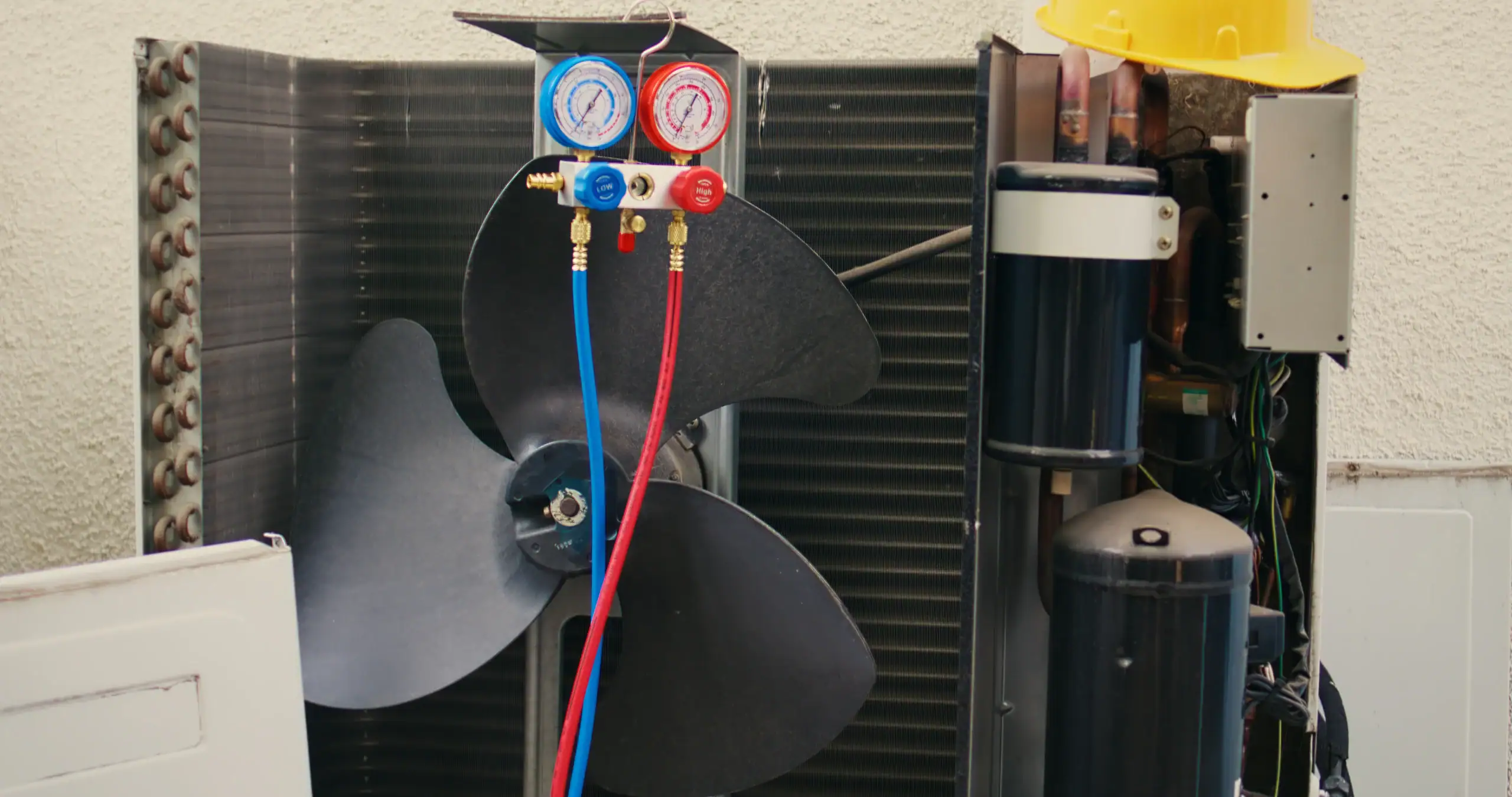
Your weekend getaway shouldn’t end with throwing away hundreds of dollars worth of spoiled food. When your marine refrigeration works properly, you focus on what matters—enjoying time on the water instead of worrying about whether your ice maker will quit or your drinks will stay cold.
Marine refrigeration systems aren’t like the fridge in your kitchen. They face constant vibration, humidity, and power fluctuations that would destroy residential units in weeks. You need systems built for marine environments and technicians who understand the difference.
That’s exactly what you get. Reliable cooling that handles whatever conditions you encounter, installed and maintained by people who’ve been solving these problems for over four decades.
Chill Xpert Solutions has been the go-to marine refrigeration specialist in Oceanside, NY since the 1980s. While other companies treat boat cooling as a side business, it’s been our core focus for decades.
The Long Island marine community knows us for solving problems other technicians can’t handle. From custom yacht installations to emergency repairs on commercial fishing vessels, we’ve seen every possible scenario. Our team understands the unique challenges of marine environments—salt air, constant motion, limited power supply, and the need for absolute reliability.
Local boat owners and marina operators trust us because we show up when we say we will, communicate clearly about what needs to be done, and stand behind our work with genuine accountability.
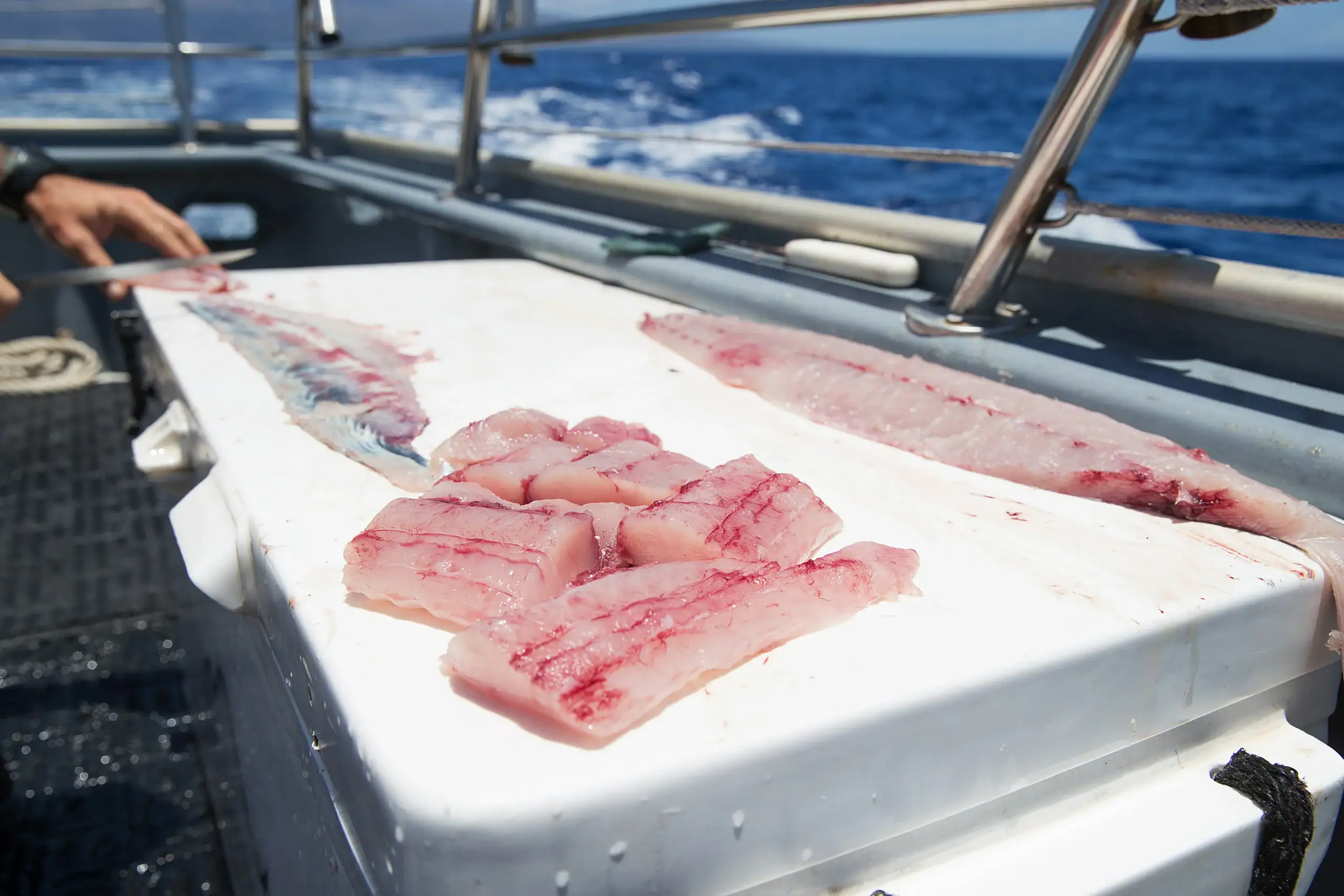
First, we assess your vessel’s specific cooling needs, power capacity, and space constraints. Every boat is different, so cookie-cutter solutions don’t work. We measure, calculate load requirements, and recommend systems that match your actual usage patterns.
Next comes the installation or repair work. Our technicians arrive with the right parts and tools, work efficiently to minimize downtime, and test everything thoroughly before considering the job complete. No rushing, no shortcuts, no leaving you to figure out problems later.
Finally, we walk you through the system operation and maintenance requirements. You get clear instructions on what to watch for, how to maximize efficiency, and when to call for service. Most importantly, you get our direct contact information for future support—because marine refrigeration questions don’t always happen during business hours.
Ready to get started?
Our service includes everything needed for reliable marine refrigeration: system design, professional installation, emergency repairs, and ongoing maintenance. We work with all major marine refrigeration brands and can source specialized parts that general HVAC companies can’t get.
Oceanside’s marine environment presents unique challenges. The salt air accelerates corrosion, temperature swings stress components, and the constant motion affects system performance. Local boat owners deal with these conditions year-round, which is why generic solutions fail and specialized expertise matters.
We also handle the electrical integration that makes or breaks marine refrigeration systems. Proper wiring, adequate power supply, and battery management aren’t afterthoughts—they’re fundamental to system reliability. When your refrigeration works correctly, it draws minimal power and operates efficiently even when anchored overnight.
A properly installed and maintained marine refrigeration system typically lasts 10-15 years in saltwater environments, though this varies significantly based on usage patterns and maintenance quality. Systems that run continuously in hot climates or face heavy use may need major service every 7-10 years.
The key factors affecting lifespan include regular cleaning of condenser coils, proper ventilation around components, and addressing small issues before they become major problems. Marine environments are harsh—salt air, constant vibration, and temperature fluctuations stress components much more than residential applications.
Quality of installation matters enormously. Systems installed with proper electrical connections, adequate ventilation, and appropriate sizing for the vessel’s needs consistently outlast hastily installed units. Regular professional maintenance extends system life and prevents the expensive emergency repairs that happen when minor issues go unaddressed.
Electrical problems cause about 60% of marine refrigeration failures, usually from corroded connections, inadequate wiring, or battery voltage issues. Marine electrical systems face constant moisture exposure, and poor connections create resistance that overheats components and reduces cooling efficiency.
Compressor failures rank second, often resulting from inadequate ventilation or refrigerant leaks. Marine compressors work harder than residential units due to constant motion and temperature variations. When ventilation is blocked or refrigerant levels drop, compressors overheat and fail prematurely.
Thermostat and control system malfunctions round out the top three failure causes. Salt air corrodes electronic components, and vibration loosens connections over time. These failures often start as intermittent problems—the system works sometimes but not others—before becoming complete failures. Early diagnosis and repair prevent more expensive component damage.
Yes, most boat refrigerators can be converted to more efficient systems, often reducing power consumption by 40-60% while improving cooling performance. The most common conversion involves replacing older thermoelectric or absorption units with modern 12V compressor systems.
Conversion feasibility depends on available space, electrical capacity, and ventilation options. Modern marine refrigeration systems are more compact and efficient than older units, but they require proper installation to achieve advertised performance levels. Simply swapping units without addressing electrical and ventilation requirements often leads to disappointing results.
The conversion process typically involves upgrading electrical connections, installing proper ventilation, and sometimes modifying cabinetry for optimal component placement. While the upfront investment is significant, reduced power consumption and improved reliability usually justify the cost within 2-3 years, especially for boats that anchor frequently or have limited charging capacity.
Marine refrigeration typically consumes 30-50% of a boat’s total electrical load, making it the largest single power draw on most vessels. A properly sized and installed system draws 4-8 amps when running, cycling on and off to maintain temperature rather than running continuously.
Power consumption varies dramatically based on system efficiency, insulation quality, ambient temperature, and usage patterns. Well-insulated systems in moderate climates may run only 6-8 hours daily, while poorly insulated units in hot weather can run 18-20 hours daily, quickly draining batteries.
Modern variable-speed compressor systems use significantly less power than older fixed-speed units. They adjust cooling output to match actual load requirements rather than cycling on and off at full power. This efficiency improvement, combined with proper insulation and ventilation, can reduce power consumption by 40-50% compared to older systems while providing better temperature control.
Monthly cleaning of condenser coils prevents 70% of marine refrigeration problems. Salt air and marine environments coat coils with corrosive residue that reduces heat transfer efficiency and forces compressors to work harder. Use fresh water and a soft brush to remove buildup without damaging fins.
Check and clean drain systems every few weeks, as blocked drains cause water damage and create breeding grounds for bacteria and mold. Marine environments produce more condensation than residential applications, and proper drainage prevents water from accumulating in electrical components or insulation.
Annual professional service should include refrigerant level checks, electrical connection inspection, and thermostat calibration. We can identify developing problems before they cause system failures, replace aging components proactively, and ensure optimal efficiency. This preventive approach costs far less than emergency repairs and prevents the food spoilage that occurs when systems fail unexpectedly.
Replace systems over 12-15 years old if repair costs exceed 50% of replacement cost, or if the system requires frequent service calls. Older marine refrigeration systems lack the efficiency and reliability of modern units, and parts availability becomes problematic as manufacturers discontinue support.
Consider replacement if your current system struggles to maintain temperature, runs constantly, or draws excessive power. Modern systems offer significantly better efficiency, quieter operation, and more precise temperature control. The power savings alone often justify replacement costs within 3-4 years for boats with limited charging capacity.
Repair makes sense for newer systems with isolated component failures, or when the existing installation and electrical infrastructure are adequate. However, avoid repeatedly repairing systems that have fundamental design limitations or installation problems. Sometimes the most cost-effective solution is starting fresh with properly sized, professionally installed equipment designed for your specific vessel and usage patterns.