Hear from Our Customers
Your boat’s refrigeration system faces challenges land-based units never see. Salt air corrodes components faster. Constant motion stresses connections. Temperature swings from dockside to open water push systems beyond normal limits.
When your marine refrigeration works right, you focus on what matters: enjoying time on the water with family, landing that perfect catch, or hosting clients without worry. Your food stays fresh during weekend trips to Block Island. Your drinks stay cold during those long summer days anchored in Oyster Bay Harbor.
You sleep better knowing your system won’t quit halfway through a week-long cruise to Martha’s Vineyard. That’s the difference between hoping your boat refrigeration holds up and knowing it will.
We’ve been solving marine refrigeration challenges for over 40 years across Long Island’s boating community. We serve everyone from weekend sailors at Oyster Bay Marine Center to commercial fishing operations out of Cold Spring Harbor.
What sets us apart isn’t just experience—it’s understanding how Long Island’s unique marine environment affects your boat’s cooling systems. We know how salt spray from the Sound impacts condenser coils differently than bay water. We’ve seen what happens to refrigeration lines during nor’easters and how to prevent it.
Our team handles everything from simple thermostat replacements to complete custom cooling system installations. We’re the ones yacht owners call when other technicians say “we don’t work on boats.”
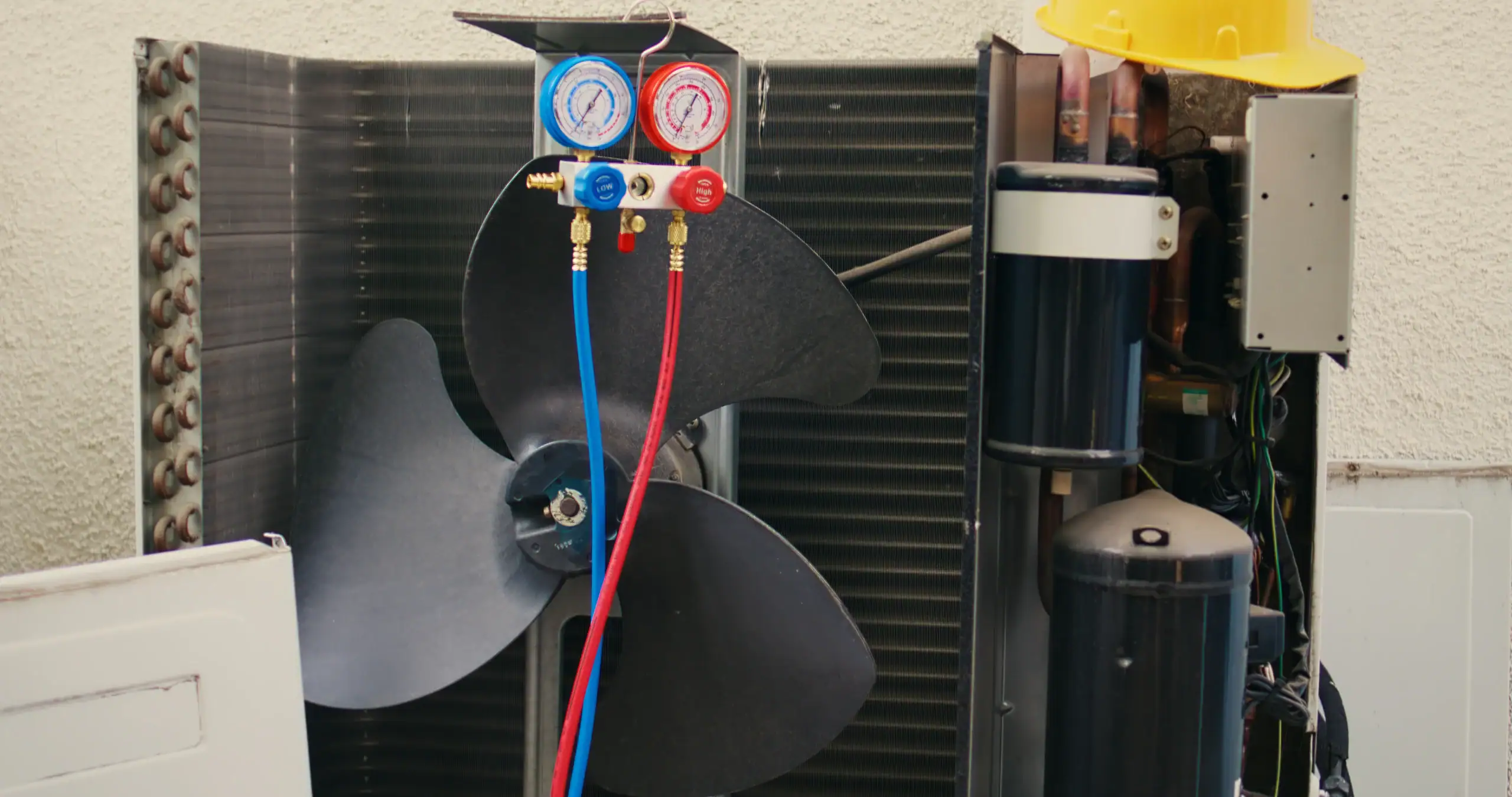
First, we assess your current system and identify what’s actually causing the problem—not just the symptoms. Many boat refrigeration issues stem from installation mistakes or components not designed for marine environments. We check everything from power supply to refrigerant levels to mounting hardware.
Next, we explain exactly what needs fixing and why, along with a clear estimate. No surprises, no upselling unnecessary parts. If your compressor is shot, we’ll tell you. If it just needs a good cleaning and new seals, that’s what you’ll get.
The repair or installation happens on your schedule, whether that’s at your slip in Oyster Bay or hauled out for winter storage. We bring marine-grade components and proper tools for boat work. When we’re done, your system works reliably—not just temporarily.
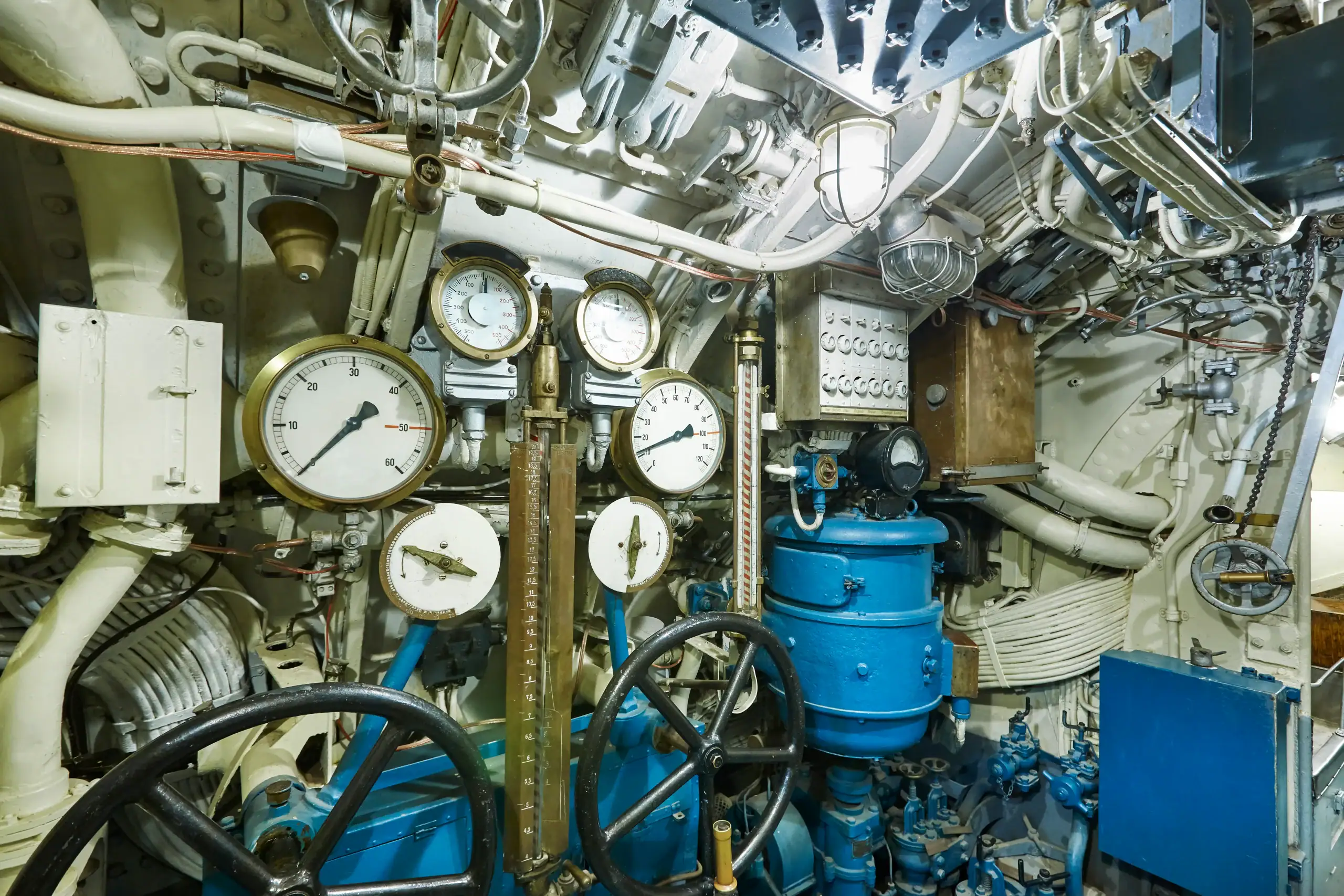
Ready to get started?
Our service covers everything your boat’s refrigeration and air conditioning systems need. Emergency repairs when your system quits during a holiday weekend. Preventive maintenance to catch problems before they strand you with warm beer and spoiled bait. Complete system installations for new boats or major upgrades.
Oyster Bay’s boating season puts serious demands on marine refrigeration. Summer temperatures hit the 90s while boats sit in direct sun at crowded anchorages. Systems work overtime keeping galleys cool and ice makers running. That’s when proper installation and quality components make the difference between comfort and misery.
We also handle the technical stuff other contractors avoid: custom refrigeration for fishing boats, wine storage systems for luxury yachts, and commercial-grade cooling for charter operations. If it needs to stay cold on a boat, we know how to make it happen reliably.
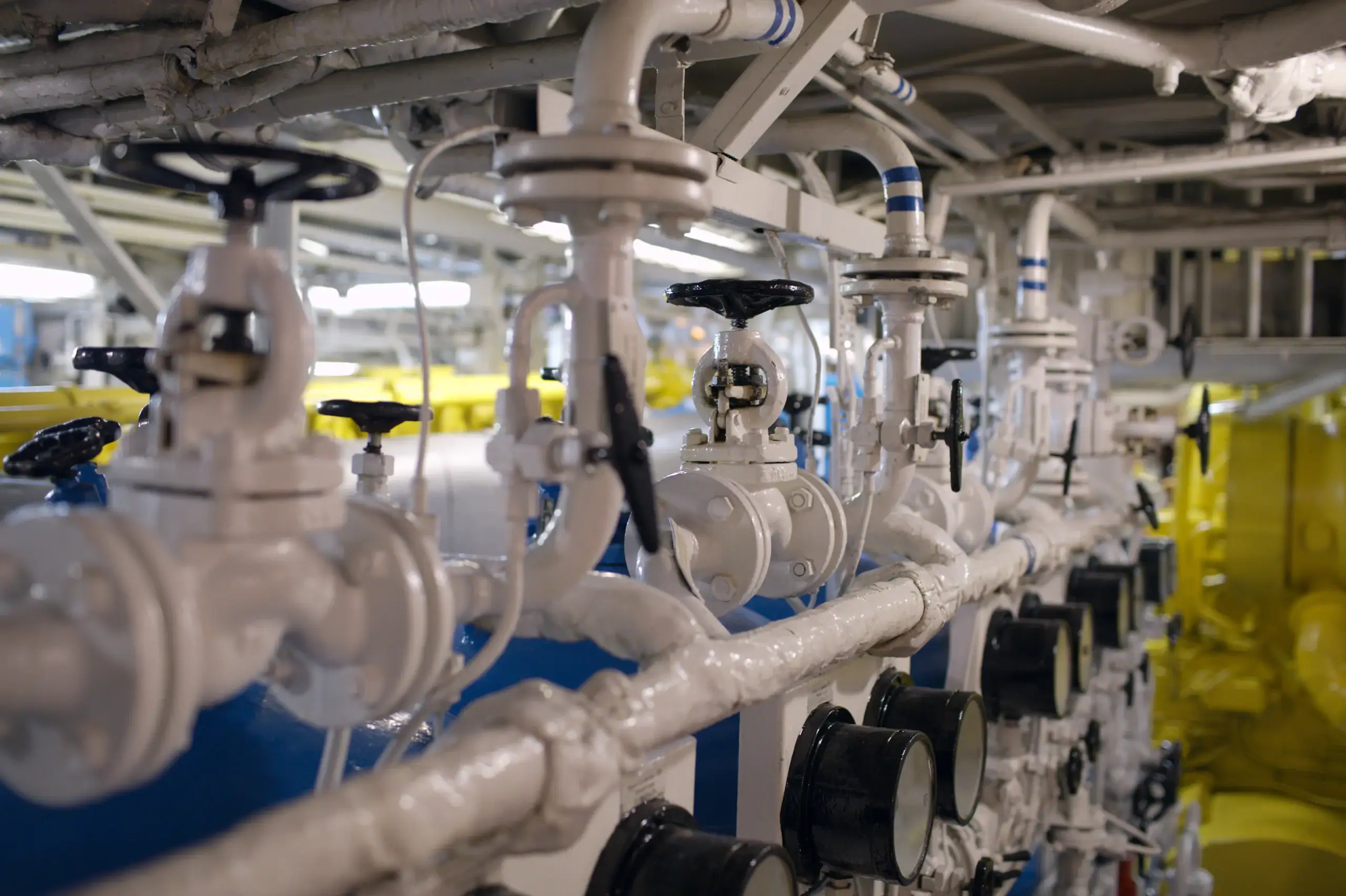
Marine refrigeration systems need attention every season, ideally before you launch each spring. Salt air accelerates corrosion on condenser coils and connections, while constant motion loosens fittings over time.
A seasonal checkup includes cleaning condenser coils, checking refrigerant levels, inspecting electrical connections, and testing safety controls. This prevents most emergency breakdowns and keeps your system running efficiently. Boats used heavily during summer or kept in slips year-round benefit from mid-season inspections too.
Skipping maintenance doesn’t save money—it just turns small issues into expensive emergency repairs when you’re anchored off Montauk with no cooling.
Marine systems face challenges regular refrigerators never see. Constant motion affects how refrigerant flows through the system. Salt air corrodes components faster than normal. Power supply varies with engine RPM or inverter load.
Marine refrigeration units need specialized mounting to handle boat movement, corrosion-resistant components for salt water environments, and electrical systems designed for 12V or variable power. The installation matters too—proper ventilation and drainage prevent moisture buildup that kills regular refrigerators quickly on boats.
Using household refrigeration components on boats leads to premature failure and safety issues. Marine-specific equipment costs more upfront but lasts years longer in the harsh marine environment.
Most boat air conditioning problems in hot weather come from inadequate system sizing or poor installation. Many boats have undersized units that can’t handle summer heat loads, especially when anchored in direct sun with minimal airflow.
Condenser coils clogged with salt buildup reduce cooling capacity significantly. Poor ductwork or inadequate insulation lets cool air escape before reaching living spaces. Low refrigerant from small leaks compounds the problem during peak demand.
The solution usually involves cleaning condenser coils, checking refrigerant levels, and improving airflow around the condenser. Sometimes you need a larger capacity system or better ductwork design. Proper diagnosis identifies the real bottleneck instead of just adding more equipment.
Yes, older boats can definitely have modern refrigeration systems installed, though it requires more planning than new boat installations. The key is designing a system that works with your boat’s existing electrical capacity and available space.
Older boats often need electrical upgrades to handle refrigeration loads safely. Space constraints require creative solutions for compressor and condenser placement. Proper insulation becomes critical since older boats typically have less efficient hull insulation than modern designs.
The installation process involves surveying your boat’s layout, calculating cooling loads, designing custom mounting solutions, and upgrading electrical systems as needed. The result is reliable refrigeration that works within your boat’s limitations while meeting your actual cooling needs.
First, check the obvious stuff: circuit breakers, power connections, and thermostat settings. Many apparent failures are actually electrical issues or accidentally changed settings. Make sure your batteries have adequate charge if running on 12V power.
If power is good but the system isn’t cooling, avoid the temptation to keep adjusting controls or adding refrigerant. Marine refrigeration systems are pressurized and contain components that can be dangerous if handled improperly. Turn the system off to prevent further damage.
Call us for professional diagnosis rather than guessing at solutions. What looks like a simple problem often has underlying causes that need proper tools and experience to identify safely. We offer emergency service 24/7 for situations where refrigeration failure threatens food safety or trip plans.
Repair costs vary widely depending on what’s actually wrong and how accessible the components are on your boat. Simple issues like thermostat replacement or electrical connections might cost a few hundred dollars. Major component failures like compressor replacement can run several thousand.
The boat’s age, system type, and installation quality affect both repair complexity and parts availability. Custom installations or unusual system configurations typically cost more to service than standard marine refrigeration setups. Emergency service calls during weekends or holidays carry premium rates.
Getting a proper diagnosis before authorizing repairs prevents unnecessary work and surprise costs. Free estimates help you understand exactly what needs fixing and make informed decisions about repair versus replacement based on your boat’s value and usage plans.