Hear from Our Customers
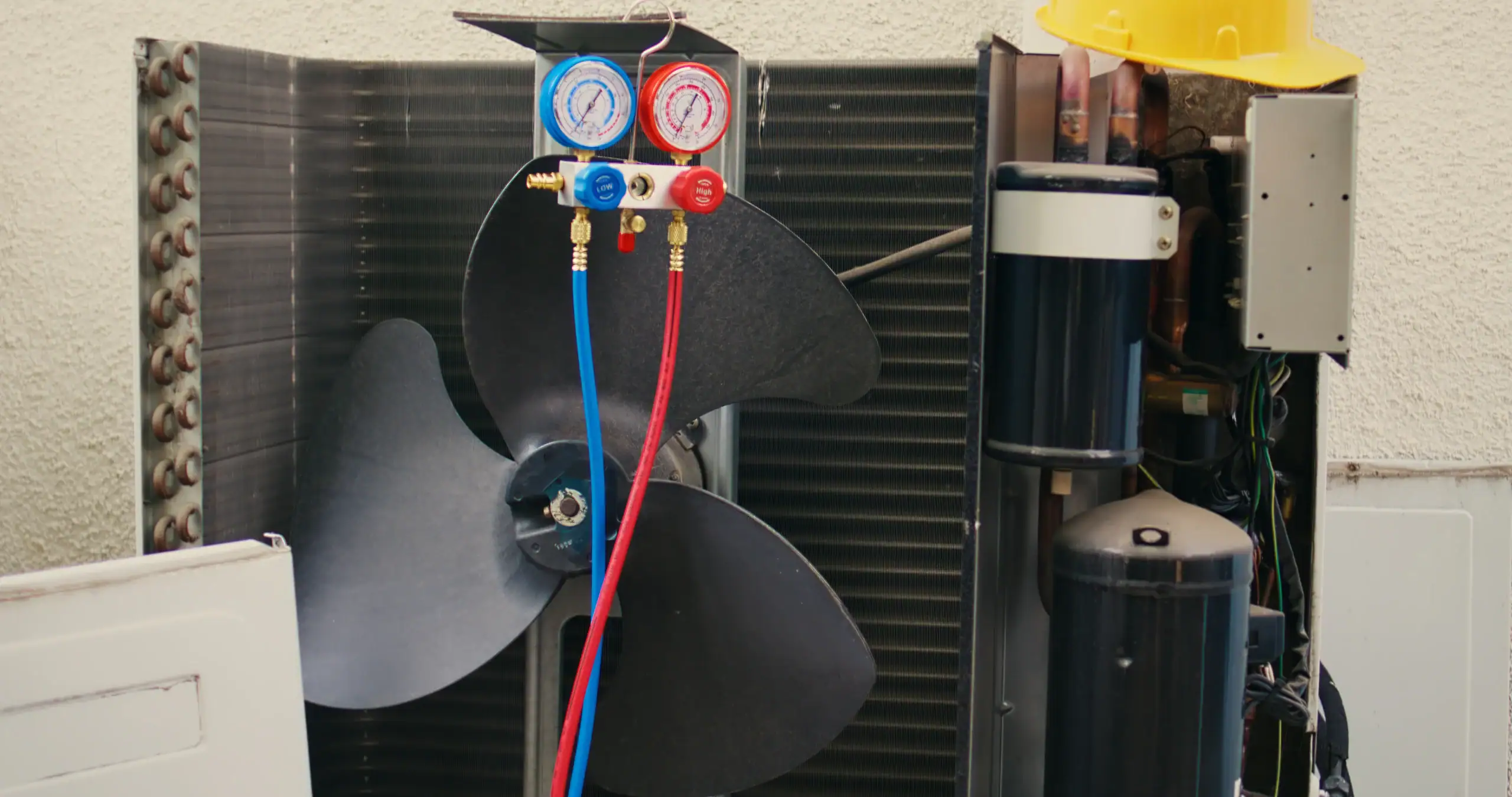
Your boat’s refrigeration isn’t just about cold drinks. It’s about food safety during long trips, keeping your catch fresh, and having reliable cooling when you’re hours from shore. When your marine refrigeration works properly, you stop worrying about spoiled food, dead batteries, and system failures that ruin your time on the water.
You get consistent temperatures that don’t fluctuate with the weather. Your system runs efficiently without draining your batteries. And when something does go wrong, you have experts who understand marine environments and can fix it right the first time.
That’s the difference between hoping your refrigeration holds up and knowing it will.
Chill Xpert Solutions has been Southampton’s trusted marine refrigeration specialist for over 40 years. We serve boat owners throughout the Greater New York area who need reliable cooling systems that can handle everything from weekend fishing trips to extended cruising.
What sets us apart is our understanding of marine environments. Saltwater, temperature fluctuations, and limited power sources create unique challenges that regular HVAC technicians don’t face. Our team knows how to design, install, and maintain systems that work reliably in these conditions.
We’ve built our reputation on 24/7 availability, honest service, and the kind of hands-on support that keeps customers coming back. When your marine refrigeration needs attention, we bring the expertise directly to your boat.
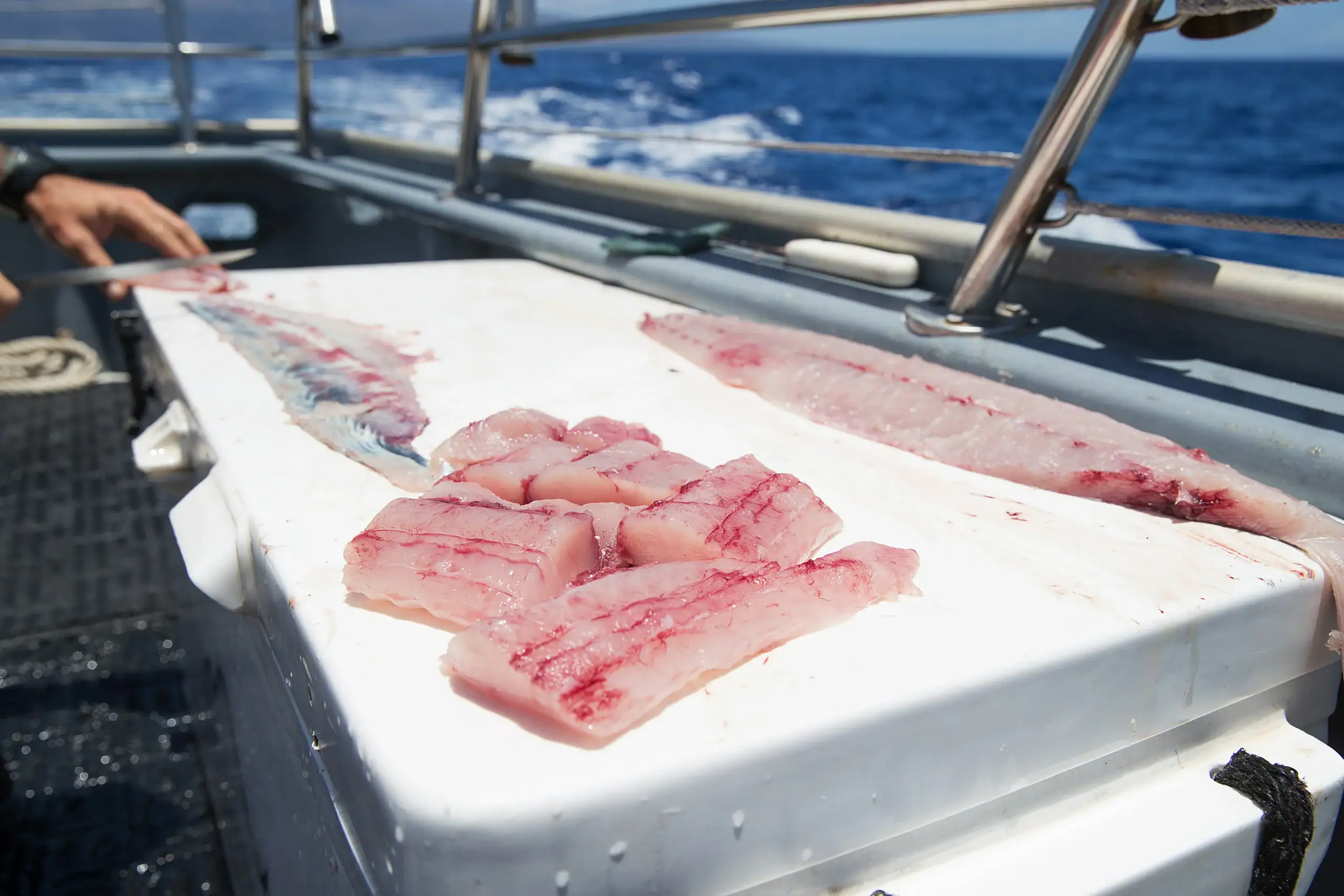
The process starts with a free consultation where we assess your boat’s specific needs—power availability, space constraints, and how you use your vessel. We’ll evaluate your existing setup and recommend the most efficient solution for your situation.
Installation begins with proper system sizing and component placement. We handle everything from running refrigerant lines to installing compressors in optimal locations that minimize noise and maximize efficiency. All connections are marine-grade to withstand saltwater exposure and constant vibration.
After installation, we test the entire system under load and walk you through proper operation and maintenance. We also provide ongoing support and emergency service when you need it most—because refrigeration problems don’t wait for convenient times.
Ready to get started?
Our marine refrigeration services cover everything from simple repairs to complete system replacements. We work on all major brands and can retrofit older ice boxes with modern, efficient refrigeration systems that use less power and provide better temperature control.
Southampton’s marine environment presents specific challenges—high humidity, salt air, and temperature extremes that stress cooling systems. We understand these local conditions and select components that perform reliably in this environment. Our service area includes the entire East End marine community, from Shinnecock Bay to Montauk Point.
Emergency service is available 24/7 because refrigeration failures don’t follow business hours. Whether you’re dealing with a system that won’t cool, excessive power draw, or complete failure, we respond quickly to get you back on the water. Our mobile service brings all necessary tools and parts directly to your marina or mooring.
A properly installed and maintained marine refrigeration system typically lasts 10-15 years, though this depends heavily on usage patterns and environmental conditions. Systems that receive regular maintenance—including annual refrigerant checks, compressor servicing, and condenser cleaning—often exceed this lifespan.
The harsh marine environment accelerates wear compared to residential systems. Salt air corrodes components, constant vibration loosens connections, and temperature extremes stress the refrigerant cycle. However, marine-grade components are specifically designed for these conditions.
Signs your system may need replacement include inability to maintain consistent temperatures, excessive energy consumption (more than 8 amps for 12V systems), frequent cycling, or refrigerant leaks that recur after repairs.
Air-cooled systems use fans to dissipate heat from the condenser, while water-cooled systems pump raw water through the condenser for cooling. Each has distinct advantages depending on your boat and usage patterns.
Air-cooled systems are simpler with fewer potential failure points—no through-hull fittings, pumps, or strainers to maintain. They work well in most climates and eliminate the risk of raw water pump failure or intake blockage. However, they may struggle in extreme heat or poorly ventilated engine rooms.
Water-cooled systems are more efficient in hot climates and compact installations where airflow is limited. They run quieter and can handle higher ambient temperatures. The trade-off is increased complexity—raw water pumps need regular maintenance, through-hull fittings can fail, and marine growth can block intakes.
Modern marine refrigeration systems typically consume 3-8 amps on 12V DC systems, but actual usage depends on several factors including ambient temperature, insulation quality, door opening frequency, and system efficiency.
A well-designed system with good insulation might run 6-8 hours per day in moderate temperatures, consuming 18-64 amp hours daily. In hot weather or with poor insulation, this can double. Systems with variable-speed compressors use less power by adjusting cooling output to demand.
Battery capacity planning is crucial for extended anchoring. Most boaters need at least 200-400 amp hours of battery capacity for overnight refrigeration, depending on other electrical loads. Solar panels, wind generators, or periodic generator running can extend anchoring time indefinitely.
The key is matching system efficiency to your power budget and usage patterns rather than simply choosing the largest refrigerator that fits.
Yes, most ice boxes can be successfully converted to mechanical refrigeration, often with better results than factory-installed systems. The conversion process involves installing an evaporator plate or coil inside the box and connecting it to a remote compressor system.
The existing ice box usually provides excellent insulation—often better than many factory refrigeration units. Key considerations include drainage (ice boxes need drains that refrigerators don’t), insulation upgrades if needed, and proper evaporator sizing for the box volume.
Retrofitting allows you to choose high-efficiency components matched to your power system and usage patterns. You can install the compressor in an optimal location for cooling and access, rather than being limited by factory placement. Many retrofitted systems outperform original equipment in both efficiency and reliability.
The process typically takes 1-2 days and costs significantly less than replacing the entire galley layout.
Marine refrigeration requires more frequent maintenance than household systems due to the harsh marine environment. Monthly tasks include cleaning condenser coils of salt buildup, checking refrigerant levels, and inspecting electrical connections for corrosion.
Raw water systems need additional attention—strainers should be cleaned weekly during heavy use, and the raw water pump requires annual impeller replacement. Air-cooled systems need adequate ventilation maintained around condensers and fans kept clean of debris.
Annual professional service should include refrigerant pressure testing, leak detection, compressor performance evaluation, and electrical system inspection. Many problems develop gradually and are caught during routine maintenance before they cause system failure.
The investment in regular maintenance typically pays for itself by preventing major repairs and extending system life. Most marine refrigeration failures result from deferred maintenance rather than component defects.
The choice depends primarily on your power usage patterns and anchoring habits. Holding plate systems store cooling energy during compressor operation and release it gradually, making them ideal for boats that anchor frequently without running generators.
Holding plates work best when you can run the compressor for 2-4 hours daily—either while motoring, running a generator, or connected to shore power. They maintain temperatures for 12-24 hours without power, depending on ambient conditions and insulation quality.
Direct cooling systems (like household refrigerators) run more frequently but for shorter periods. They’re better for boats with continuous power availability—shore power, large battery banks with solar, or frequent generator use. They also provide more precise temperature control and faster recovery after door openings.
For most recreational boaters who anchor occasionally, direct cooling offers better convenience and efficiency. Serious cruisers who anchor for days without generator use often prefer holding plates despite their higher initial cost and complexity.