
Hear from Our Customers
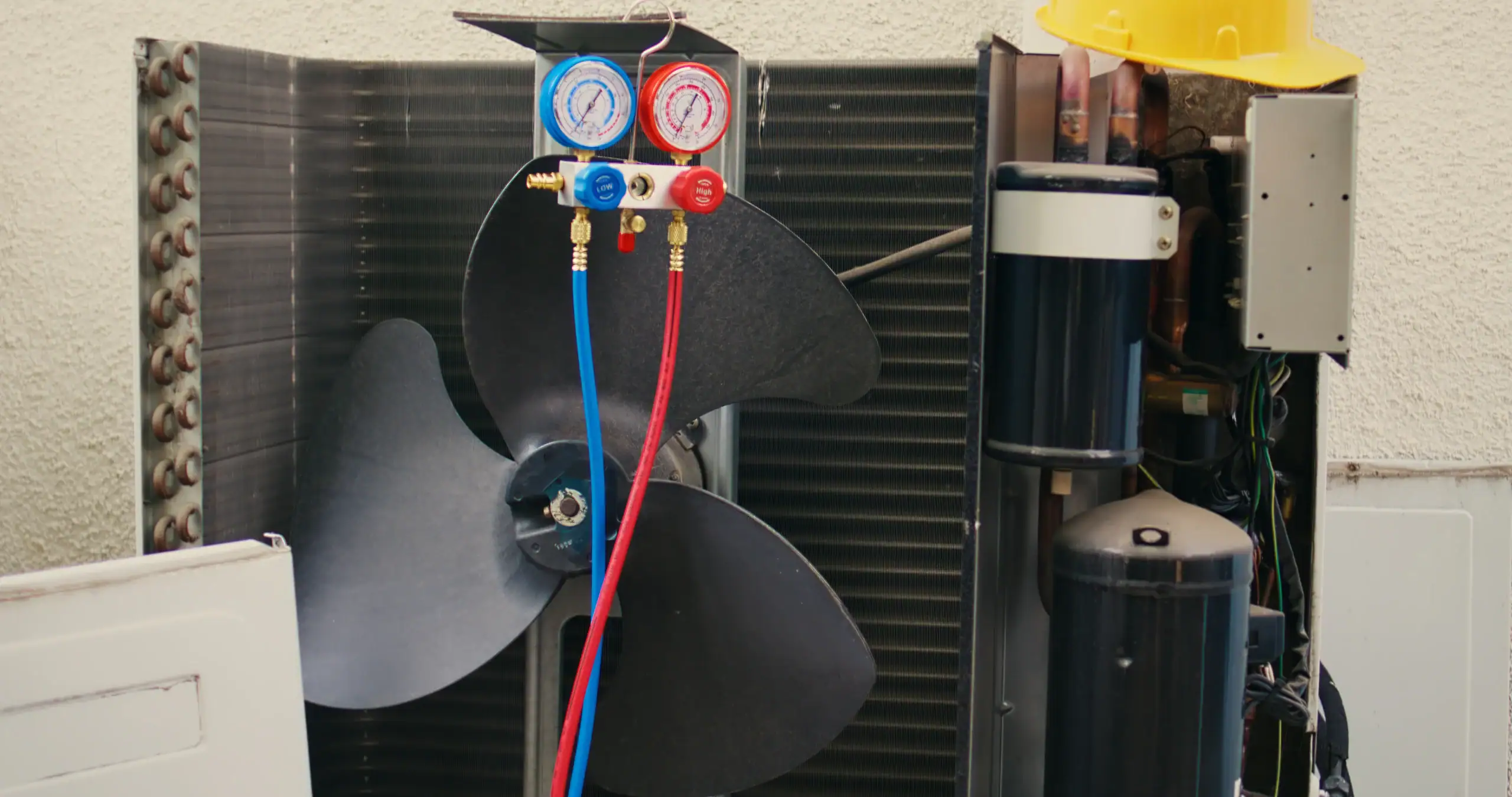
You’re not dealing with a household fridge here. Marine refrigeration runs on limited battery power, fights constant humidity, and takes a beating from salt air and motion. When it stops working, your food spoils, your trip gets cut short, and you’re stuck waiting weeks for someone who actually understands boat systems.
That’s where the difference shows. With proper marine refrigeration and boat HVAC service, your systems run efficiently without draining your batteries. Your cabin stays comfortable even when you’re docked in full sun. Your refrigerator keeps everything cold without cycling constantly or pulling excessive amps.
You get back to what matters—fishing, cruising, or just enjoying time on the water—without worrying whether your systems will hold up. No more warm beer. No more spoiled provisions. Just reliable cooling that works the way it should.
We bring over 40 years of hands-on experience to every marine refrigeration and boat air conditioning job in Southold and across the North Fork. We serve boat owners at Brick Cove Marina, Southold Marine Center, Peconic Bay Marine Basin, and throughout the Peconic Bay area with the same expertise we bring to commercial clients like airports, restaurants, and catering halls.
This isn’t a side gig. Marine HVAC and refrigeration is what we do, day in and day out. We understand the specific challenges of boat systems—the power constraints, the marine environment, the need for fast turnaround during boating season. With dozens of five-star reviews and 24/7 availability, we’ve built a reputation on the North Fork for showing up when needed and getting systems running right.
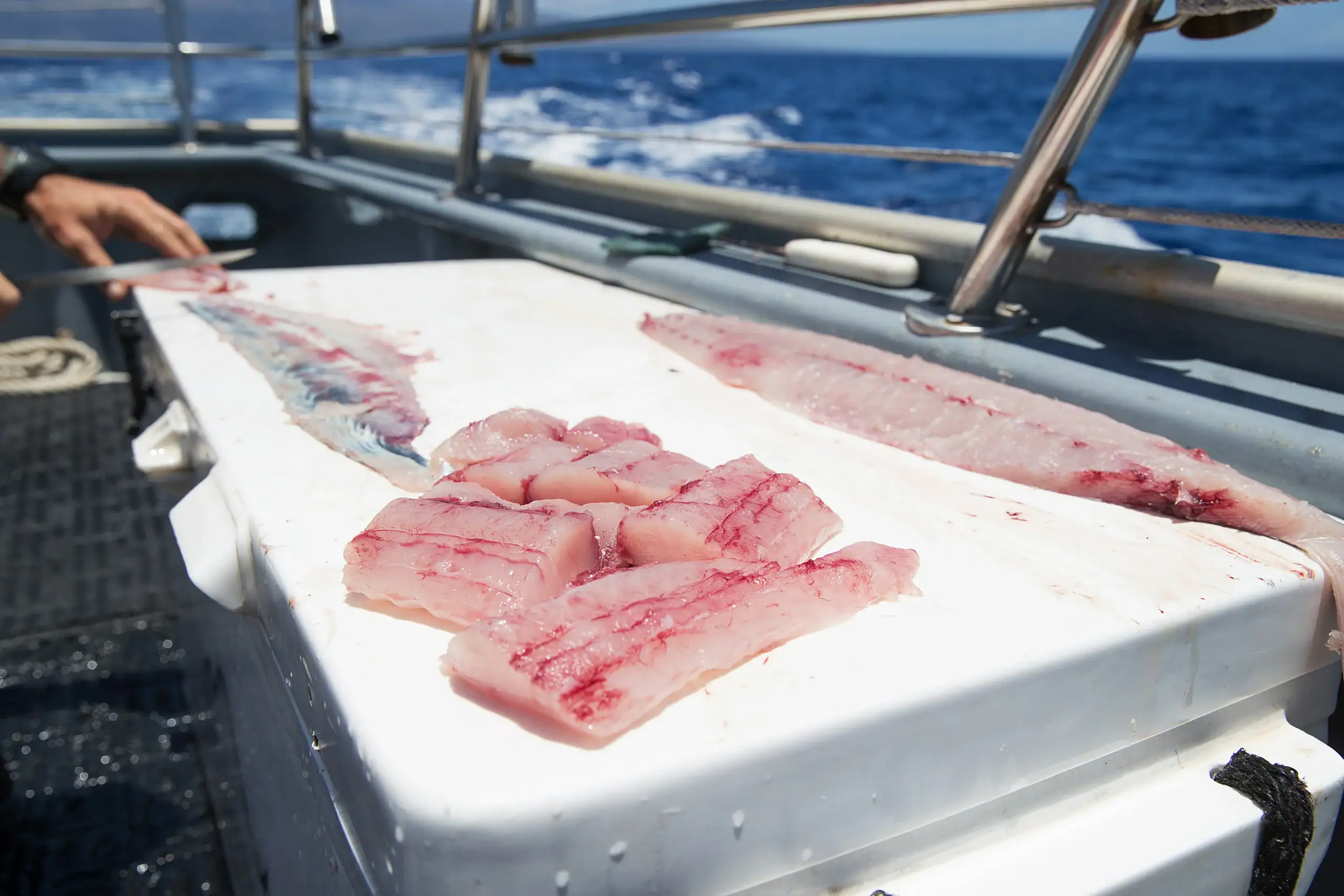
When you call for marine refrigeration or boat AC service, you’ll talk to someone who understands what you’re dealing with. We ask the right questions—how long has it been acting up, what symptoms you’re seeing, when it happens—to get a head start before arriving.
Once on-site, we run a proper diagnostic. Not guesswork. We check voltage, inspect compressor operation, test thermostats, examine door seals, and look at the whole system to find the actual problem. Many boat refrigeration issues get misdiagnosed because someone assumes it needs refrigerant when it’s actually a battery, wiring, or airflow issue.
After identifying the problem, we explain what’s wrong and what it’ll take to fix it. You get a clear estimate before any work starts. Then we make the repair with the right parts and proper technique—whether that’s recharging refrigerant to spec, replacing a failed compressor, fixing water flow issues, or upgrading components for better efficiency. Before leaving, we verify the system is running correctly and walk you through what was done.
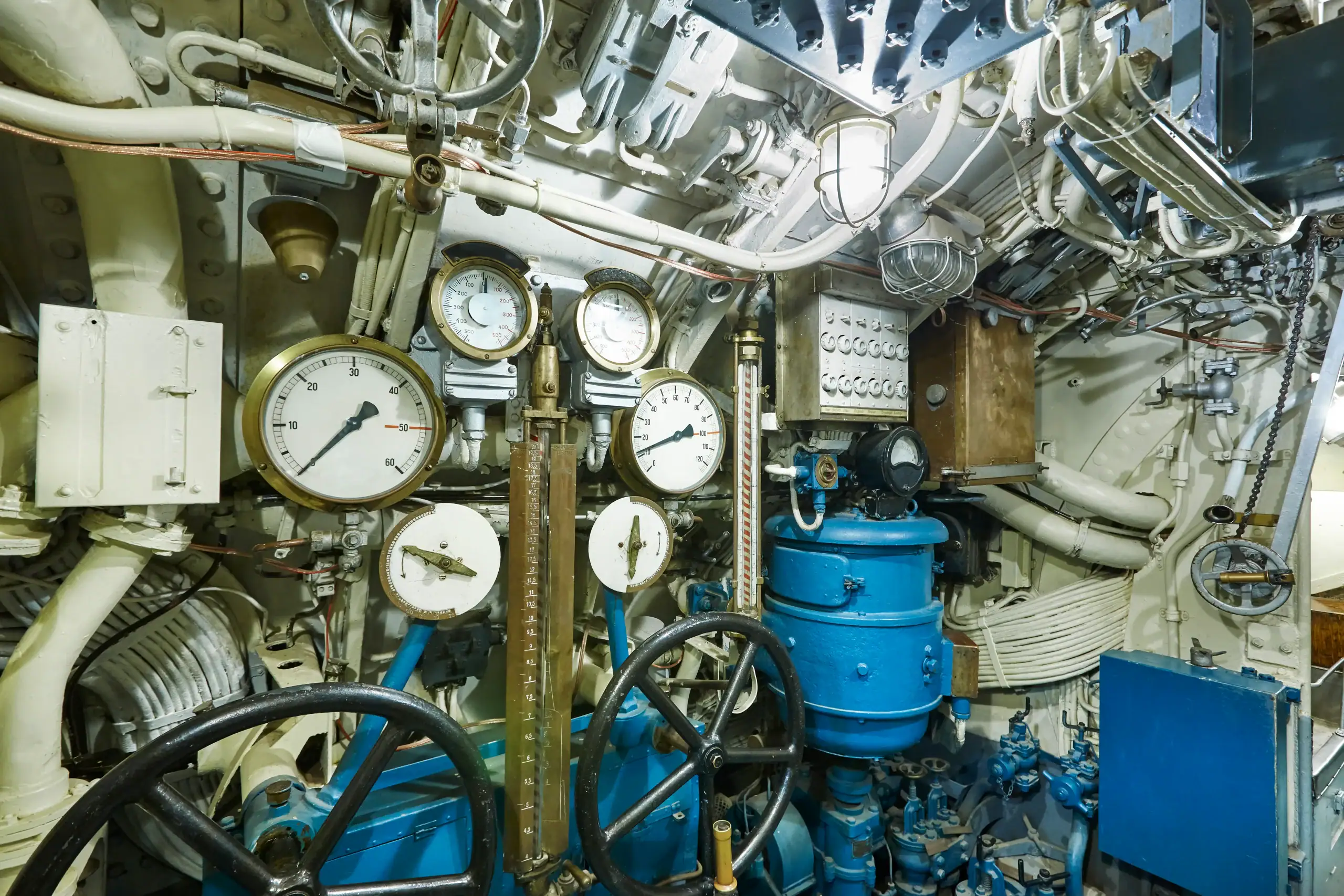
Ready to get started?
Our marine refrigeration and boat HVAC services cover the full spectrum—installations, repairs, maintenance, and emergency calls. Whether you need a new marine air conditioning system installed, an existing boat refrigerator repaired, or a complex custom cooling solution, we handle it.
For Southold boat owners, this matters because marine systems face unique demands. Your boat refrigeration runs on 12V or 24V DC power, not unlimited household current. Every amp counts when you’re away from shore power. The North Fork’s marine environment—salt air, high humidity, temperature swings—accelerates wear on components. Systems need proper insulation, correctly sized compressors, adequate ventilation, and regular maintenance to perform efficiently.
We understand these factors. We work with marine-specific equipment like BD35 and BD50 compressors, cold plate systems, water-cooled and air-cooled condensers, and holding plate refrigeration. We know how to diagnose issues like high-pressure faults from restricted water flow, low voltage problems affecting compressor efficiency, thermostat failures, and refrigerant leaks. We also provide 24/7 consulting and free estimates, which matters when you’re trying to get your boat ready for a trip or dealing with a system failure during peak season.
Several factors can cause a marine refrigerator to run constantly without maintaining temperature. Poor door seals let warm air infiltrate, forcing the system to work overtime. You can test this by closing the door on a dollar bill—if it slides out easily, the seal needs adjustment or replacement.
Low voltage is another common culprit. When your batteries are weak or not charging properly, the compressor can’t operate efficiently even though it’s running. This creates a cycle where the fridge runs longer, drains more power, drops voltage further, and cools even less effectively. Check your battery voltage while the fridge is running.
Inadequate insulation, dirty condenser coils, restricted airflow, or improper refrigerant levels can also prevent proper cooling. Marine refrigeration systems are designed for high efficiency with minimal power draw, so any issue that disrupts that balance shows up quickly as poor performance.
Repair costs vary based on what’s actually wrong with your system. A simple fix like adjusting a thermostat, cleaning condenser coils, or replacing door seals runs significantly less than a compressor replacement or full refrigerant system repair.
Diagnostic service identifies the problem before you commit to repairs. Many boat owners waste money on unnecessary refrigerant recharges when the real issue is electrical, or they replace components that weren’t actually failed. Proper diagnosis saves money by fixing the right problem the first time.
We provide free estimates so you know what you’re looking at before work begins. For marine refrigeration and boat AC service in Southold, that transparency matters—especially when you’re trying to decide between repair and replacement on an aging system. We’ll tell you honestly if a repair makes sense or if you’re better off upgrading.
Marine refrigeration systems face challenges that household units never encounter. They run on limited 12V or 24V DC battery power instead of unlimited 120V AC electricity, so efficiency is critical. Every amp drawn affects your battery capacity and how long you can stay off shore power.
Boat systems must handle constant motion, high humidity, salt air exposure, and temperature extremes. Components are built differently—compressors designed for variable voltage, condensers that use seawater cooling or operate in high ambient temperatures, and insulation that performs in marine environments. The refrigerant circuit, thermostat controls, and installation requirements all differ from residential equipment.
This is why you need someone who actually works on marine refrigeration, not just a regular HVAC tech. The diagnostic approach, parts, and repair techniques are specific to boat systems. Trying to apply residential refrigeration knowledge to marine equipment usually ends badly—and expensively.
Marine refrigeration and air conditioning systems benefit from annual maintenance, ideally before the start of boating season. This catches small issues before they become failures when you’re out on the water or during the busiest months when service waits stretch for weeks.
Maintenance includes inspecting and cleaning condenser coils, checking refrigerant levels, testing compressor operation, examining door seals and gaskets, verifying proper voltage and electrical connections, cleaning or replacing air filters, and checking water flow on water-cooled systems. For boat AC units, seawater intake screens and pumps need regular attention since marine growth restricts flow and causes high-pressure faults.
If you’re a liveaboard or use your boat heavily, more frequent checks make sense. Systems running constantly or in harsh conditions wear faster. Catching a failing component early prevents the cascade effect where one problem damages other parts of the system.
Yes, marine refrigeration can be installed on boats that currently use ice boxes or have no cooling system. The process involves assessing your available space, determining power capacity, selecting appropriately sized equipment, and installing components properly for efficient operation.
Installation options range from icebox conversion kits that transform your existing ice box into a powered refrigerator, to complete built-in refrigeration systems, to portable marine fridges. The right choice depends on your boat size, power system, usage patterns, and budget. Proper installation requires understanding boat electrical systems, refrigerant handling, insulation requirements, and ventilation needs.
We handle custom marine refrigeration installations throughout Southold and the North Fork. We evaluate your specific boat and needs, recommend solutions that’ll actually work for your situation, and install systems correctly so they perform efficiently without excessive power draw.
High-pressure faults—often displayed as “HPF” or “HI PS” on your AC unit—indicate the system is overheating because it can’t reject heat properly. The most common cause is reduced seawater flow to the condenser. Marine growth like barnacles, grass, and algae accumulates inside intake hoses, strainers, and pipes, restricting water flow.
A failed or weak seawater pump can also cause high-pressure faults. The pump needs to move enough water through the system to carry away heat. When flow drops, pressure builds, and the safety system shuts down the unit to prevent damage. Dirty condenser coils, blocked discharge lines, or overcharged refrigerant can contribute as well.
Addressing high-pressure faults requires more than just resetting the system. The underlying cause—usually water flow restriction—needs to be fixed. This might involve cleaning intake strainers, flushing growth from lines, replacing the seawater pump, or descaling the condenser. Regular maintenance prevents most high-pressure issues by keeping water flowing properly through your marine AC system.