
Hear from Our Customers
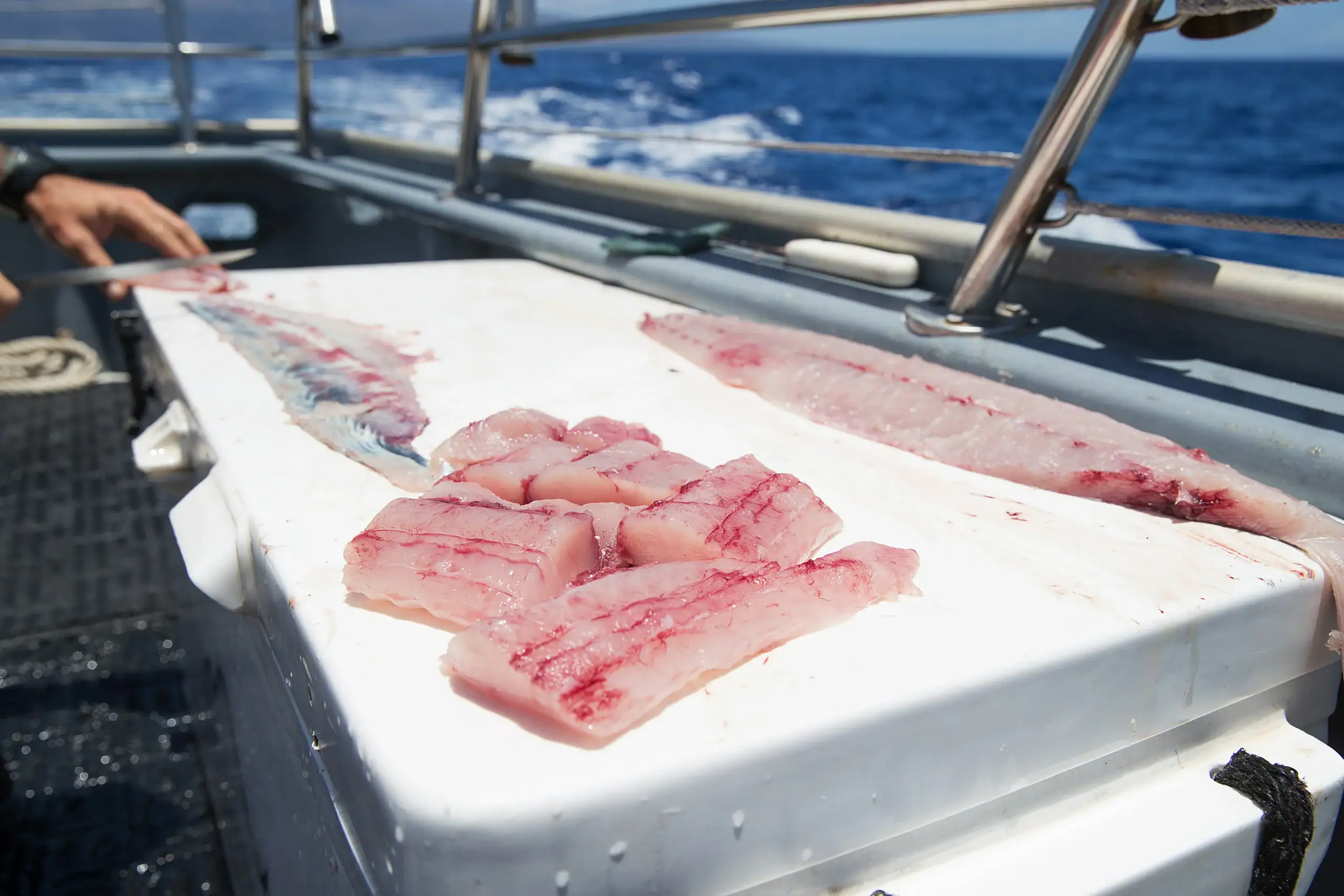
Your boat refrigeration fails at the worst possible time. Mid-trip. Peak summer. Right when you’ve loaded up for a long weekend. You’re dealing with melted ice, spoiled food, and the frustration of knowing your season just got shorter.
Marine refrigeration isn’t the same as what’s sitting in your kitchen. It’s working against saltwater, constant motion, limited battery power, and heat that builds up in tight spaces. Most HVAC techs don’t get that. They show up, treat it like a residential job, and you’re calling someone else three weeks later.
We’ve spent four decades working on boat refrigeration and marine HVAC systems specifically. We know why your compressor keeps cycling. We understand how saltwater corrodes connections that looked fine last season. We’ve seen what happens when someone adds too much refrigerant or installs a condenser in the wrong spot. And we know how to fix it so you’re not dealing with the same problem next month.
We’ve been handling marine HVAC and boat refrigeration across Long Island for over four decades. That’s forty years of installs on everything from small cabin cruisers to full yacht systems. Forty years of emergency calls during boating season. Forty years of learning what works in saltwater conditions and what fails.
Syosset boat owners and yacht clubs from Montauk to the North Shore call when they need someone who actually understands marine systems. Not because we’re the only option, but because we show up when we say we will, we communicate clearly about what’s wrong and what it’ll cost, and the work holds up season after season. Nassau County marinas and private boat owners throughout the area know we handle both the straightforward repairs and the complex custom installations. We also handle commercial refrigeration for airports, restaurants, and catering halls, which means we’ve got the technical depth for installations that smaller marine-only shops can’t touch.
We’re not trying to be everything to everyone. We’re specialists in marine refrigeration, boat air conditioning, and commercial cooling systems. That’s what we do well.
You call or reach out for a free estimate. We ask about your system, your boat, and what’s going on. If it’s an emergency, we’re available 24/7 because we know refrigeration problems don’t wait for business hours.
We show up and diagnose the actual problem. Not what we think it might be from a phone call, but what’s really causing your system to underperform. We check refrigerant levels, test electrical connections, inspect for saltwater corrosion, examine door seals, and look at how your condenser is cooling. Marine refrigeration systems fail for specific reasons, and we’ve seen most of them.
Then we tell you what it’ll cost to fix it right. If it’s a simple repair, we handle it on the spot. If we need parts, we let you know the timeline and get you a temporary solution when possible. For new boat AC installations or marine HVAC systems, we design around your boat’s space constraints, power availability, and how you actually use the vessel.
The work gets done. We test everything before we leave. You’re back on the water with a system that’ll hold up through the season.
Ready to get started?
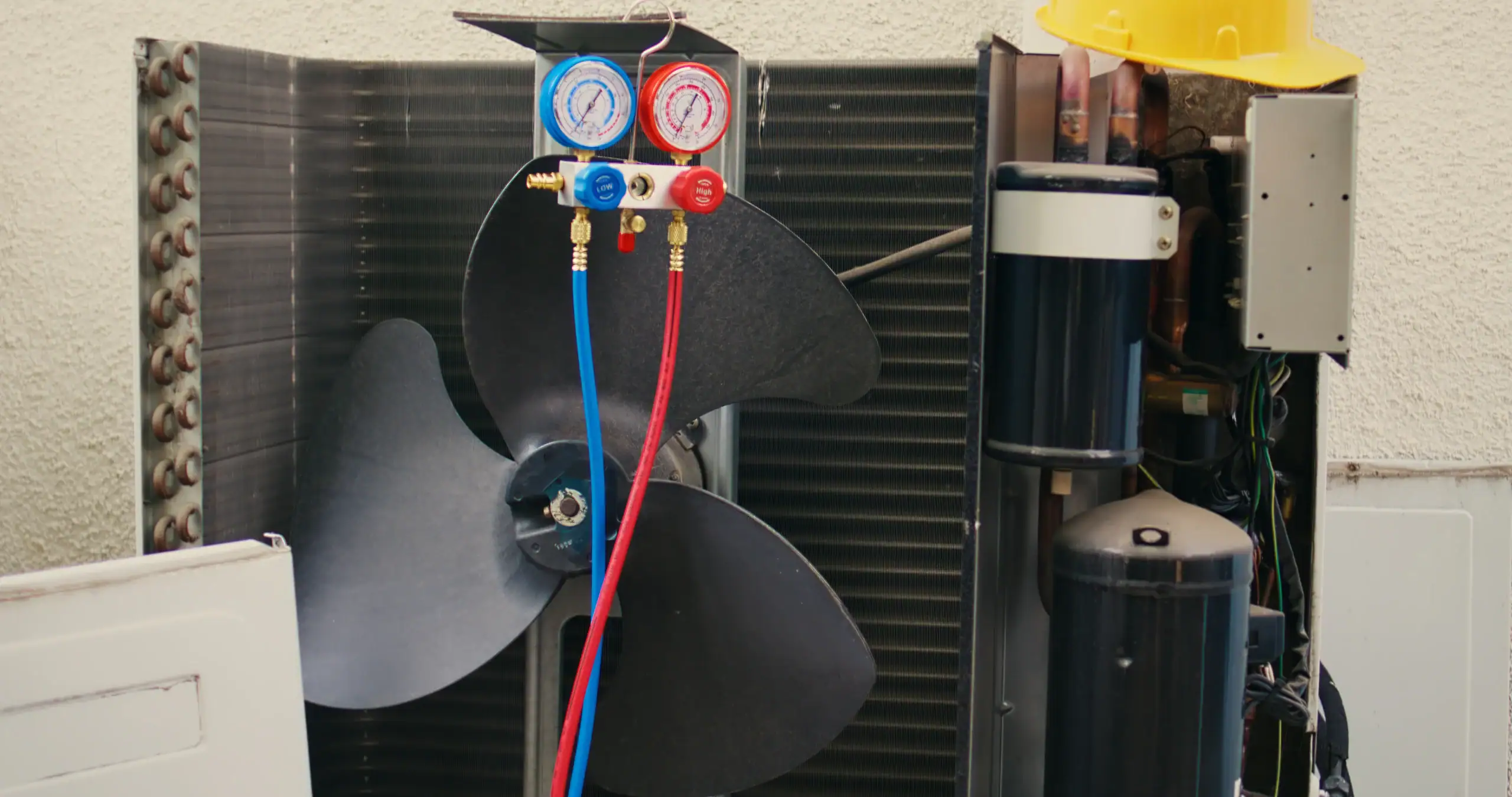
Marine refrigeration maintenance means checking the components that fail most often in saltwater conditions. We clean condenser coils that get clogged with salt buildup and debris. We test refrigerant levels and check for leaks at connections that corrode faster on boats than anywhere else. We inspect compressors, thermostats, door seals, and electrical connections. We verify your system isn’t pulling more power than it should, which matters when you’re running on battery.
For boat air conditioning and marine HVAC systems, we handle everything from small self-contained units to split systems and chilled water setups on larger yachts. Boat AC installation includes proper through-hull fittings, seawater pump setup, and ductwork that accounts for the space limitations on your vessel. We make sure condensate drains correctly and that your system can handle Long Island’s summer heat without draining your batteries dead. Refrigeration services cover new installs, emergency repairs, seasonal maintenance, and system upgrades.
Syosset and Long Island boat owners deal with specific challenges. Saltwater from the Sound accelerates corrosion. Summer humidity creates condensation issues. Winter freeze cycles can crack components if systems aren’t winterized properly. We account for all of that because we’ve been working on boats in this area for forty years. Emergency marine AC repair and boat refrigeration service runs around the clock during boating season because we know what it costs you when your refrigeration goes down on a Saturday in July.
Every three months if you’re using your boat regularly, or at minimum before and after each boating season. Marine systems work harder than residential refrigeration because they’re fighting saltwater corrosion, constant movement, temperature swings, and limited power. Condenser coils get dirty faster from salt air. Connections corrode. Door seals wear out from the motion and humidity.
The maintenance that matters most is cleaning those condenser coils, checking refrigerant levels, testing electrical connections, and inspecting for early signs of corrosion. Skipping it doesn’t just reduce efficiency. It leads to compressor failure, refrigerant leaks, and emergency repairs that cost five times what regular service would have cost. Most marine refrigeration breakdowns we see could have been prevented with basic seasonal maintenance.
If you’re storing your boat through winter, proper winterization is critical. Water left in the system freezes, cracks components, and you’re looking at major repairs come spring. We drain systems completely, run marine-grade antifreeze through, and make sure nothing’s going to fail during storage.
The most common culprit is refrigerant leaks. Saltwater corrodes fittings and connections over time, refrigerant escapes, and your system can’t maintain temperature. You’ll notice it cycling constantly, running warm, or making unusual noises. DIY recharge kits don’t fix the actual leak, so the problem comes right back.
Electrical issues cause a lot of failures too. Marine systems run on 12V or 24V DC power from your batteries. If voltage drops below what the compressor needs, the system shuts down or runs inefficiently. Bad wiring connections, corroded terminals, or insufficient battery capacity all create problems. Door seals that don’t close properly let warm, humid air in constantly, and your refrigeration can’t keep up no matter how well everything else is working.
Dirty condenser coils are another frequent issue. Salt air clogs them with buildup, heat can’t dissipate properly, and cooling performance drops. Compressor problems, failed thermostats, and improper installation also cause cooling failures. The key is diagnosing what’s actually wrong instead of guessing, because marine refrigeration has specific failure points that residential techs often miss.
Yes, but the system has to match your boat’s specific constraints. Small boats under 40 feet typically use self-contained units that fit in tight spaces and draw cooling water through the hull. Larger vessels can handle split systems or chilled water setups that cool multiple cabins. The real question is what works for your available space, electrical capacity, and how you use the boat.
We measure your cabin space, check your power setup, and figure out where components can actually fit. Marine refrigeration isn’t one-size-fits-all. A system that works perfectly on a 35-foot cruiser will fail on a 50-foot yacht with different power demands. We also account for whether you’re running shore power at the dock or relying on batteries and a generator while cruising.
Installation has to be done right the first time. Through-hull fittings need to be above the waterline in the right position. Seawater pumps have to be mounted below waterline and properly primed. Ductwork has to reach where you need cooling without taking up all your storage space. We’ve fixed plenty of installs where someone didn’t understand marine systems and created problems that shouldn’t exist.
Simple repairs like replacing a thermostat or fixing a door seal might run a few hundred dollars. Refrigerant leak repairs, compressor replacements, or electrical system fixes typically range from $500 to $1,500 depending on the issue and parts needed. Full system installations can run $3,000 to $6,000 or more for larger vessels with complex requirements.
The real cost is what happens when you skip maintenance and turn a small problem into a major failure. A condenser coil cleaning costs very little. Replacing a compressor that failed because dirty coils caused it to overheat costs significantly more. Emergency service in the middle of summer when your refrigeration dies costs more than scheduled maintenance would have cost.
We give free estimates upfront so you know what you’re looking at before any work starts. No surprises, no hidden fees. If we find something during diagnosis that changes the scope, we tell you before proceeding. Some repairs make sense. Some don’t, and we’ll tell you honestly when replacement is the smarter move than pouring money into an old system that’s going to keep failing.
Yes, 24/7 during boating season. Marine refrigeration emergencies don’t happen on a schedule. They happen Saturday morning when you’ve just loaded provisions for a week-long trip. They happen at the dock in July when it’s 90 degrees and everything in your boat is warming up fast.
When you call our emergency line, you talk to a technician who can walk you through immediate steps while we’re heading to your location. We keep common parts stocked for major marine refrigeration brands so most emergency calls get fixed the same day. If we need a specialized part, we get you a temporary solution to keep things running until the right component arrives.
Emergency service costs more than scheduled maintenance, which is exactly why regular service makes sense. But when you need help right now, we’re available. We’ve been doing this in the Long Island marine community for forty years. We know what it means when your refrigeration fails and your whole trip is on the line.
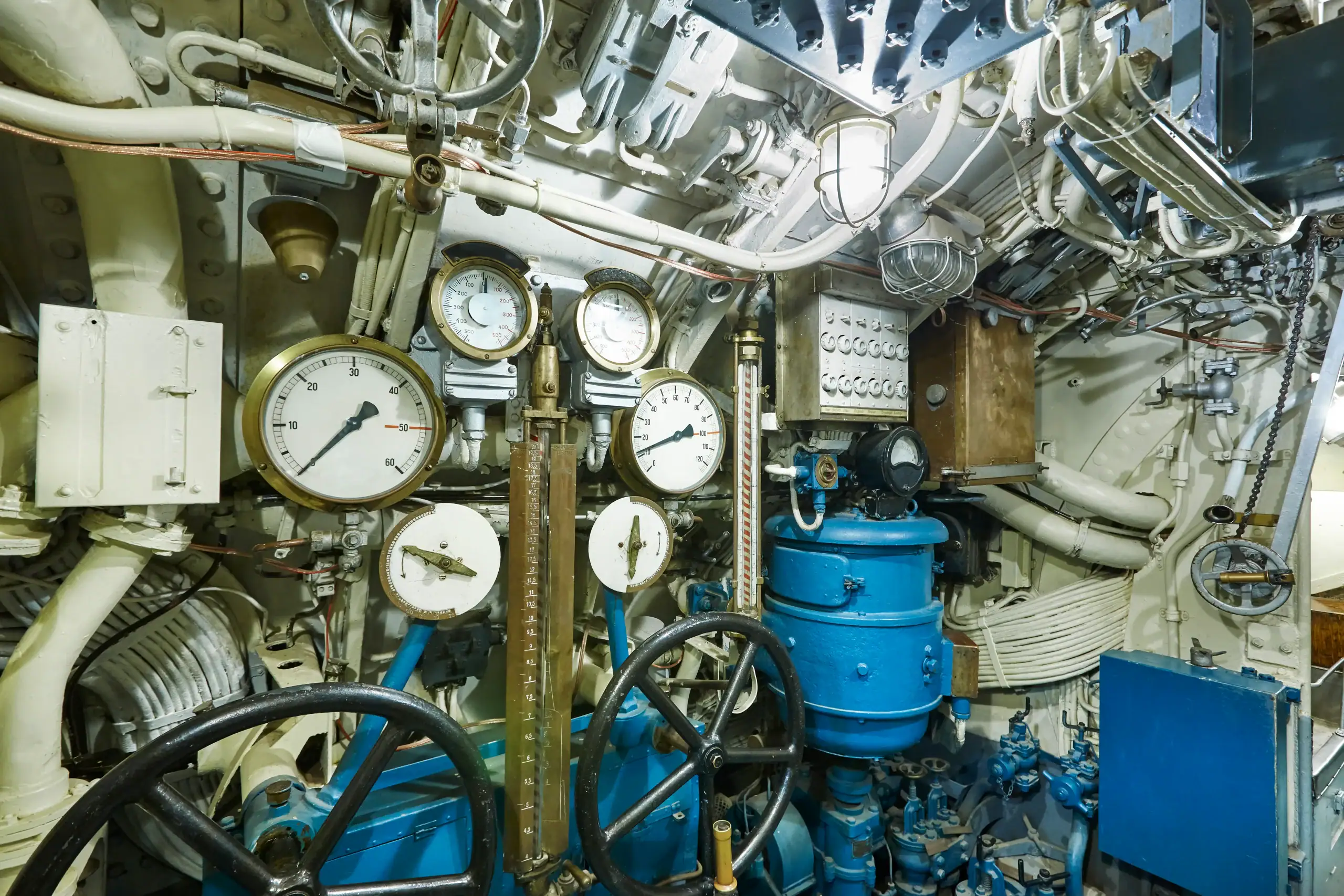
Marine refrigeration operates in conditions that would destroy a residential system. Constant motion, saltwater exposure, high humidity, temperature extremes, and limited electrical power. Marine systems are built specifically to handle all of that with components designed for the environment.
They use seawater for cooling instead of air, which is more efficient but requires through-hull fittings, seawater pumps, and corrosion-resistant materials. They run on 12V or 24V DC power from batteries, not unlimited 120V AC power from the grid. They’re built compact to fit in tight spaces. They’re designed to keep working even when the boat is heeling or in rough seas.
A residential HVAC tech can’t just show up and work on marine systems effectively. The components are different. The diagnostic process is different. The common failure points are different. Saltwater corrosion, voltage drops, and power consumption issues don’t exist in home refrigeration. That’s why marine refrigeration requires specialized knowledge and experience, which is what we’ve been building for four decades on Long Island.