Hear from Our Customers
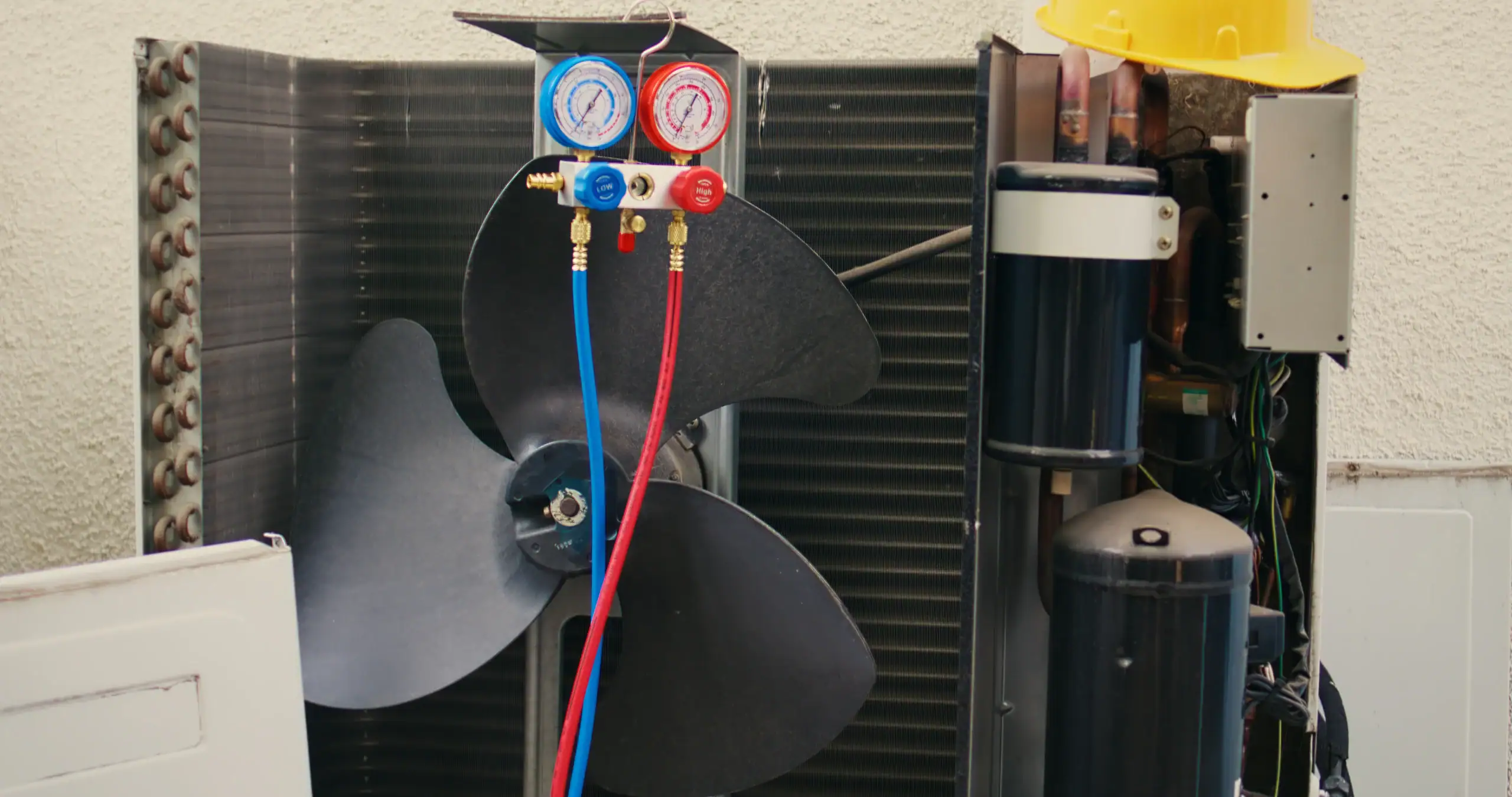
Your weekends on the water shouldn’t be ruined by a failing AC system. When your boat’s climate control works right, you’re not sweating through family trips or tossing spoiled food from your marine refrigerator. You’re not scrambling to find emergency service while everyone else is already booked solid for the season.
You’re just enjoying your time on Long Island Sound the way you planned. Your cabin stays comfortable even when it’s 90 degrees dockside. Your refrigeration keeps provisions fresh during extended trips. Your system handles the saltwater environment without constant breakdowns.
That’s what happens when marine HVAC specialists handle your installation and maintenance—not generalists who treat your boat like a house. We’ve spent over 40 years working on marine systems throughout East Shoreham and Long Island, so we know exactly what these systems face: corrosion, humidity, space constraints, and the demanding conditions of coastal life.
We’ve been serving East Shoreham and the greater Long Island area for over 40 years. We’re not a general HVAC company that dabbles in marine work—we specialize in it. Our team understands that marine refrigeration and boat air conditioning systems are fundamentally different from land-based equipment, and we’ve built our reputation on that expertise.
East Shoreham boat owners know the challenges of maintaining vessels in this climate. Long Island Sound’s saltwater, the humidity, the temperature swings from May through September—all of it takes a toll on marine systems. We’ve worked with yacht clubs, marinas, and individual boat owners throughout the area, handling everything from routine maintenance to complex custom installations.
Our technicians are EPA 608 certified, fully licensed and insured, and available 24/7 when you need us. We offer free estimates, transparent pricing, and the kind of responsive communication that keeps you informed instead of guessing when help will arrive.
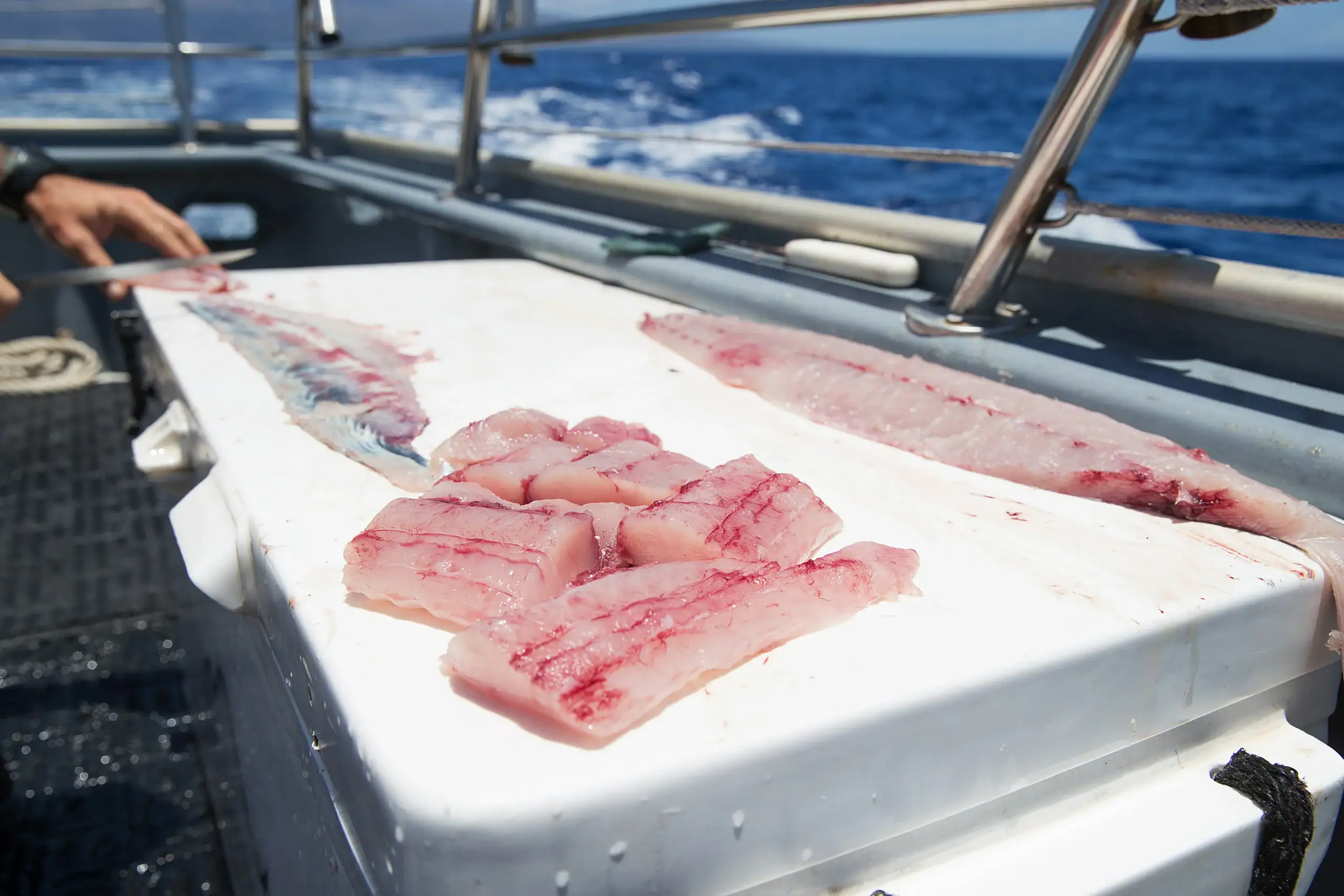
First, we assess your vessel and your actual cooling needs. Not every boat needs the same setup, and oversizing or undersizing your system leads to problems down the line. We measure your space, account for how you use your boat, factor in Long Island’s climate, and recommend equipment that matches your situation.
Once we agree on the right system, we handle the installation from start to finish. That includes all electrical connections, through-hull fittings for seawater cooling, proper ducting and ventilation, refrigerant charging, and thorough testing. We don’t subcontract the work—our certified technicians do it all.
After installation, we walk you through the system operation and maintenance requirements. We also set up a maintenance schedule that keeps your equipment running efficiently. Most marine AC systems should be serviced twice a year, with condenser coil flushing every 2-5 years depending on use and water conditions.
When you need repairs, we diagnose the problem accurately instead of guessing. Common issues include water flow restrictions, refrigerant leaks, clogged seawater strainers, electrical faults, and frozen evaporator coils. We carry parts and tools to handle most repairs on the spot, minimizing your downtime during prime boating season.
Ready to get started?
We handle the full spectrum of marine HVAC and refrigeration work. New installations for boats that need climate control added. System replacements when your existing equipment has reached the end of its 5-10 year lifespan. Emergency repairs when something fails and you need it fixed now. Preventive maintenance that catches small problems before they become expensive failures.
For East Shoreham boat owners, the marine environment creates specific challenges. Saltwater accelerates corrosion on condenser coils and fittings. Humidity promotes mold growth in ductwork and drain pans. Temperature fluctuations stress compressors and seals. We design and maintain systems that account for these local factors instead of treating your boat like it’s sitting in a suburban driveway.
Our service includes reverse-cycle heating systems for year-round boaters, custom refrigeration for extended cruising, upgrades to more efficient equipment, and 24/7 emergency support when you can’t wait until Monday. We work on all major brands of marine AC and refrigeration equipment, and we’re familiar with the self-contained units common on smaller vessels as well as the split systems found on larger yachts.
Long Island’s boating season is short enough without losing weeks to equipment problems. We respond fast, communicate clearly, and get your systems working so you can get back on the water.
You should have your marine AC system professionally serviced at least twice a year if you’re actively using your boat during the season. Spring service before you start using the system heavily, and fall service before winterization. If you’re a year-round boater or use your vessel extensively during summer, quarterly maintenance is even better.
Maintenance includes cleaning or replacing air filters, inspecting and cleaning evaporator coils, checking refrigerant levels, testing electrical connections, cleaning or replacing seawater strainers, inspecting the seawater pump and impeller, flushing condensate drain lines, and testing all safety controls. Every 2-5 years depending on your location and usage, you’ll also need the condenser coils flushed with a weak acid solution to remove marine growth and mineral scale buildup.
East Shoreham’s location on Long Island Sound means your system is constantly exposed to saltwater, which accelerates wear on components. Regular maintenance catches problems like corroded fittings, clogged water lines, or failing pumps before they cause complete system failure during the hottest part of summer. Most emergency calls we get could have been prevented with proper maintenance, and the cost of routine service is a fraction of what you’ll pay for emergency repairs plus spoiled food and ruined weekend plans.
The most common culprit is restricted water flow through the system. Marine AC units use seawater for cooling, and when that flow gets blocked or reduced, the system can’t dump heat effectively. This happens when seawater strainers get clogged with debris, when the seawater pump impeller fails, or when marine growth and scale build up inside the condenser coils. You’ll notice the system running but not cooling, or it might shut down with a high-temperature fault code.
Refrigerant leaks are another frequent cause. If your system is blowing air but it’s not as cold as it used to be, you’re probably low on refrigerant. Marine environments are tough on fittings and connections, and vibration plus corrosion can create slow leaks over time. Refrigerant doesn’t just disappear—if it’s low, there’s a leak that needs to be found and fixed before recharging the system.
Other causes include frozen evaporator coils from insufficient airflow, failed compressors, electrical problems, thermostat issues, or poor insulation that lets heat back into the space you’re trying to cool. Sometimes the problem is as simple as blocked return air vents or a tripped circuit breaker. The key is accurate diagnosis—throwing parts at the problem without understanding the root cause just wastes your money and time. That’s why working with technicians who actually understand marine systems matters.
Absolutely. We handle new marine AC installations on boats of all sizes throughout East Shoreham and Long Island. The process starts with evaluating your vessel—how much space needs cooling, how you use the boat, what your electrical capacity is, and where we can locate equipment without sacrificing valuable cabin or storage space.
For smaller boats up to about 40 feet, self-contained units often work well. These have all components in one package and require a through-hull connection for seawater cooling. For larger vessels, split systems give you more flexibility—the condenser and compressor go in one location (often the engine room), while air handlers distribute cool air to different zones throughout the boat.
We handle all aspects of installation including through-hull fittings, seawater plumbing, electrical connections, ductwork and vents, refrigerant charging, and system testing. We also make sure your boat’s electrical system can handle the load—most marine AC units draw 4-13 amps on standard 115V shore power, but larger systems may need 230V or split-phase power. If you want reverse-cycle heating for shoulder season use, we can set that up too. The entire project typically takes a few days depending on system complexity, and you’ll have professional climate control that’s properly sized and installed to last.
Most quality marine AC and refrigeration systems last 5-10 years with proper maintenance. That’s shorter than residential HVAC equipment because marine systems work in a much harsher environment. Saltwater corrosion, constant humidity, vibration while underway, and the fact that boats often sit unused for periods all contribute to faster wear.
After about 5 years, you’ll start seeing more frequent repairs—failed pumps, corroded fittings, refrigerant leaks, compressor issues. At that point, you need to weigh repair costs against replacement. If you’re putting $500-800 into repairs on a 7-year-old system, replacement often makes more sense. Newer equipment is also more energy-efficient and reliable, plus you get a fresh warranty.
You can maximize your system’s lifespan with regular professional maintenance. Twice-yearly service, proper winterization, keeping seawater strainers clean, and addressing small problems before they cascade into bigger failures—all of this pushes your equipment toward the 10-year mark instead of the 5-year mark. We’ve seen well-maintained systems in protected waters last even longer, but that requires consistent attention and quality installation from the start. Cutting corners on installation or skipping maintenance is how you end up replacing systems after just a few seasons.
Yes. We provide 24/7 emergency service for marine refrigeration and AC failures throughout East Shoreham and Long Island. When you call our emergency line, you talk to a technician who can walk you through immediate troubleshooting steps while we’re en route to your location.
We understand that marine AC failures don’t happen on a convenient schedule. Your system quits during the hottest weekend of summer, or your refrigeration fails when you’re provisioned for a week-long trip. Every hour of downtime during peak boating season is time you’re losing off the water, and spoiled food adds insult to injury.
Our service trucks stay stocked with common parts for major brands—seawater pump impellers, thermostats, relays, capacitors, refrigerant, fittings, and more. About 70% of emergency calls get resolved on the first visit. For issues requiring specialized parts, we implement temporary solutions to keep you functional while ordering what’s needed. We prioritize emergency calls based on urgency—a complete system failure during a heat wave gets faster response than a unit that’s just not cooling quite as well as it used to. Clear communication, fast response, and technicians who actually know marine systems—that’s what emergency service should look like.
Marine HVAC systems are fundamentally different from residential or even commercial land-based equipment. The biggest difference is how they dump heat—instead of using outdoor air like your home AC, marine systems use seawater flowing through a heat exchanger. This makes them more energy-efficient in theory, but it also means they’re constantly exposed to saltwater, marine growth, and debris that can clog the system.
Space constraints on boats require compact equipment and creative installation solutions. You can’t just stick a condenser on the roof and run some ducts. Everything has to fit in tight spaces, often in engine rooms or lazarettes, while still providing adequate cooling throughout the vessel. Electrical capacity is also limited compared to shore-based buildings—you’re working with whatever shore power or generator capacity the boat has, which affects equipment sizing.
Marine systems also deal with constant vibration, moisture, and movement that land-based equipment never experiences. This accelerates wear on components like compressor mounts, fittings, and electrical connections. The equipment needs to be marine-grade with proper corrosion resistance, and installation requires understanding through-hull fittings, seawater plumbing, and marine electrical standards. That’s why you want technicians who specialize in marine work—someone who’s great at residential AC doesn’t automatically know how to handle the unique demands of marine refrigeration and climate control.