
Hear from Our Customers
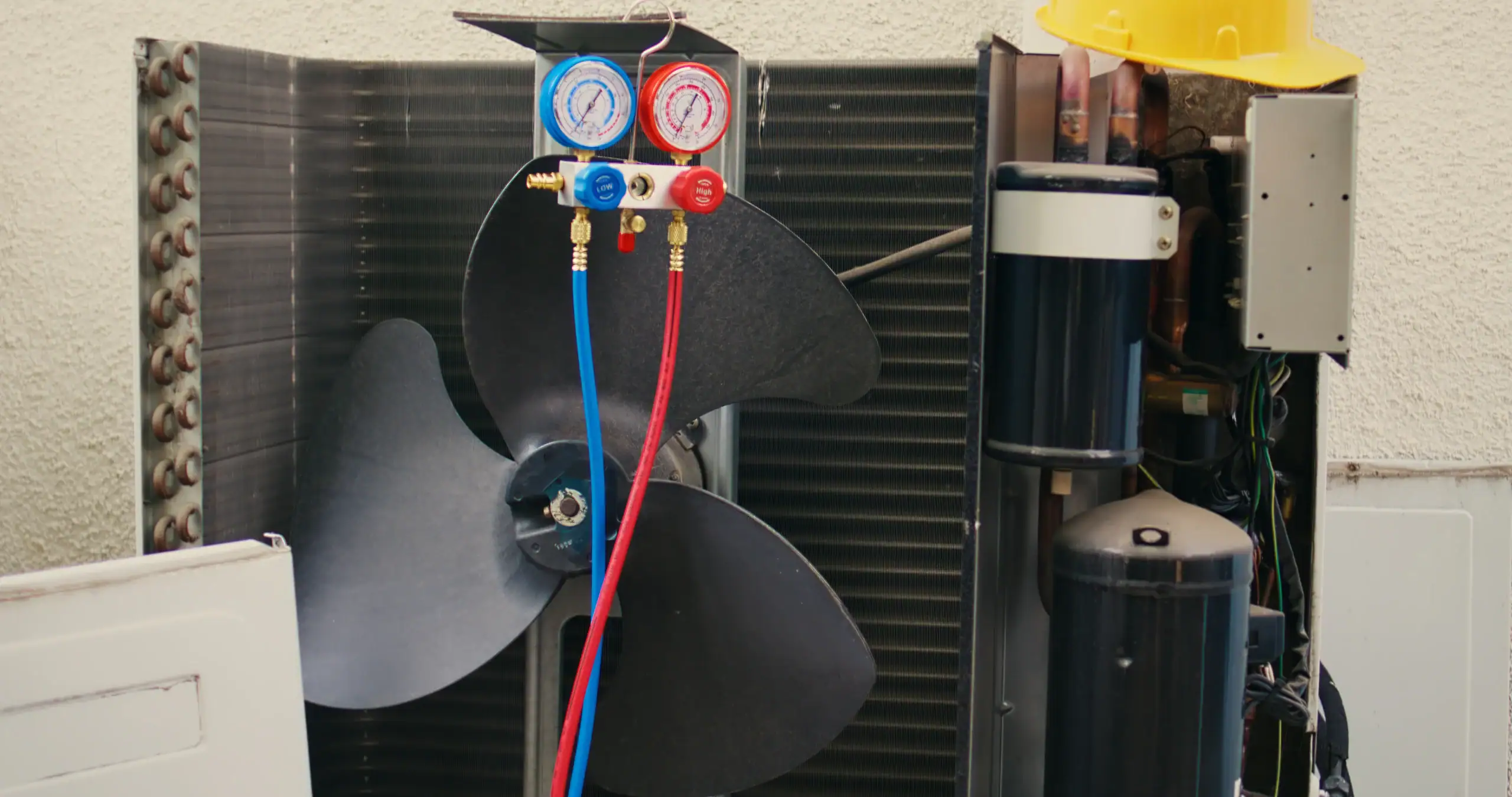
Your boat’s refrigeration system keeps your provisions fresh and your crew comfortable during those long days on the water. When it’s working right, you don’t think about it. When it’s not, everything else stops.
You get reliable cooling that handles the constant motion, salt air, and power constraints that make marine refrigeration so challenging. No more warm beer, spoiled food, or cutting trips short because your cooling system quit.
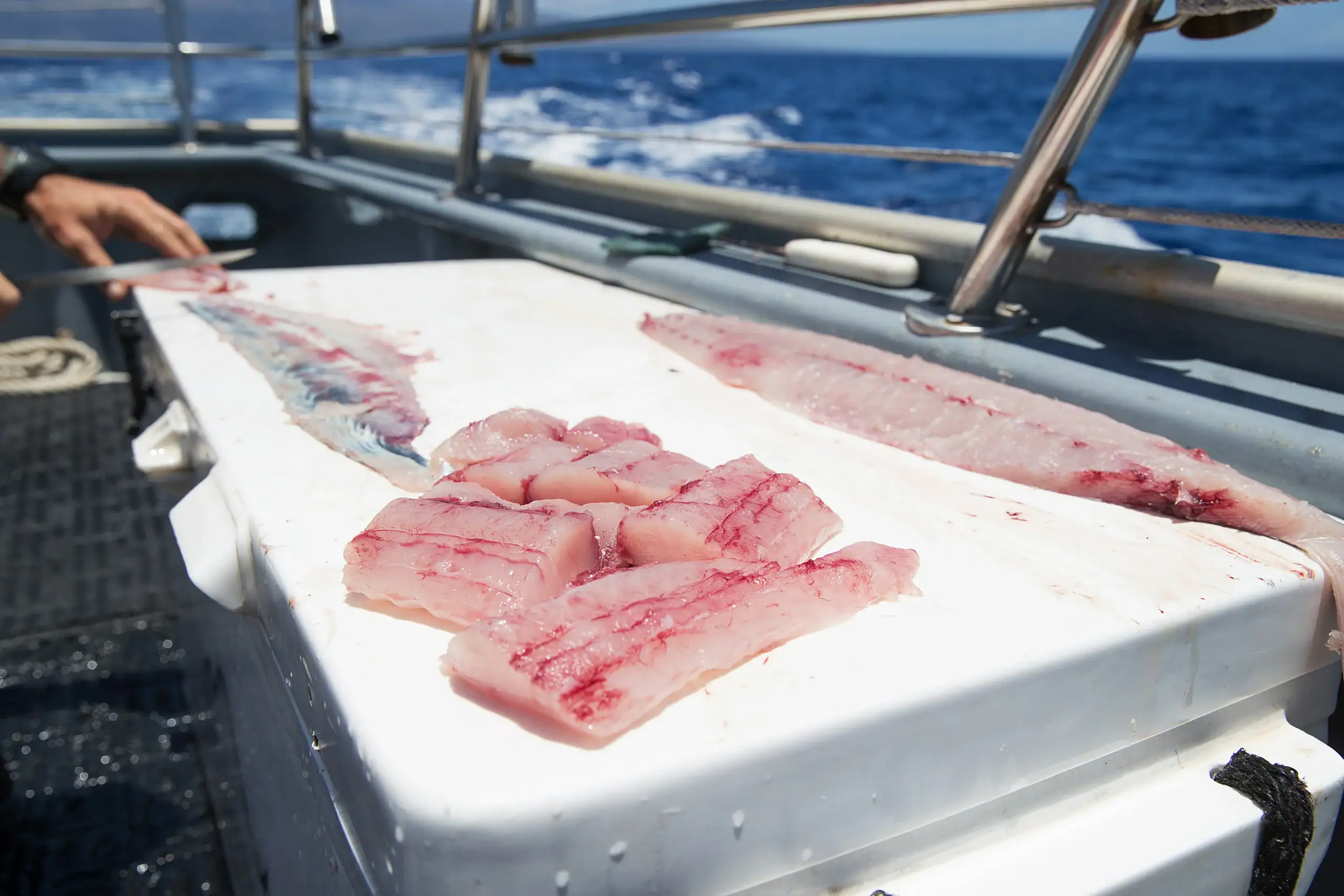
The difference between a good marine refrigeration system and a great one? It works when you need it most—during that extended weekend trip or when you’re miles from shore with a boat full of fresh catch.
We’ve been solving cooling problems in the Greater New York area for over 40 years. We’ve worked on everything from airport refrigeration systems to restaurant walk-ins, but marine applications are where our expertise really shows.
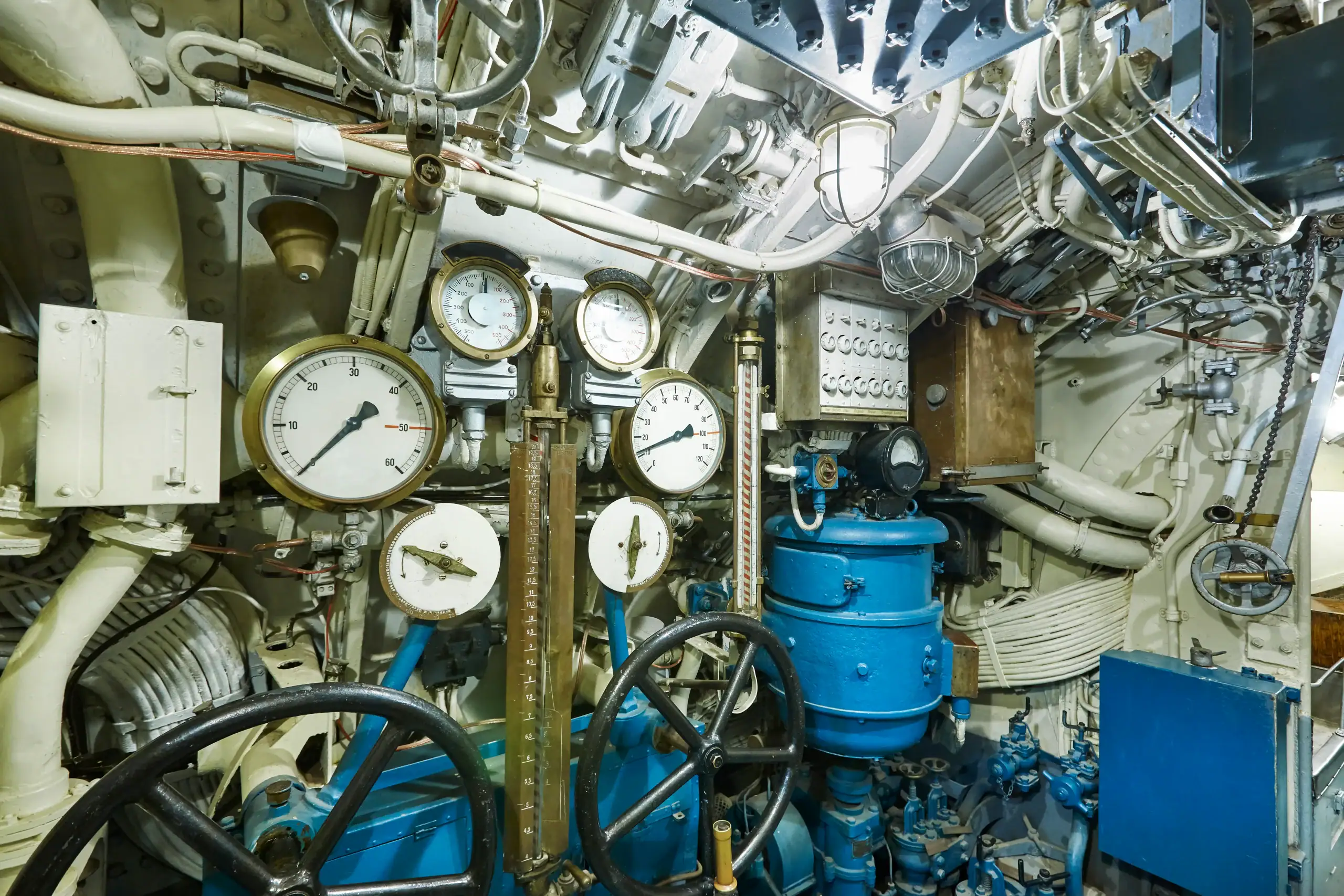
The marine environment is brutal on cooling systems. Salt air corrodes components, constant motion stresses connections, and limited power means every amp counts. Most technicians see these challenges and walk away. We see them as just another day at work.
Lakeview boat owners know that finding reliable marine refrigeration service isn’t easy. The few specialists around often have weeks-long backlogs. That’s why we offer 24/7 consulting and free estimates—because your cooling problems don’t wait for convenient business hours.
First, we diagnose the real problem. Not just the obvious symptoms, but what’s actually causing your system to fail. Is it a refrigerant leak, power supply issue, or something more complex like corrosion damage from salt exposure?
Next, we explain what’s wrong in plain terms. No technical jargon or unnecessary upselling. Just a clear explanation of what needs to be fixed and why.
Then we fix it right the first time. Whether it’s rebuilding a corroded condenser, replacing a failing compressor, or installing a completely new system designed for your boat’s specific power and space constraints. We use quality components that can handle the marine environment, not cheap parts that’ll fail again in six months.
Ready to get started?
Complete system evaluation including power supply testing, refrigerant level checks, and component inspection. We look for the problems that cause expensive failures down the road, not just the obvious issues.
Proper marine-grade repairs using components designed for saltwater environments. Regular residential refrigeration parts fail quickly on boats. Marine-specific components cost more upfront but save money by lasting years longer.
Lakeview’s proximity to Long Island Sound means boats here face constant salt exposure, high humidity, and temperature swings that stress cooling systems. Local boat owners need technicians who understand these conditions and how they affect refrigeration performance. Most repair services treat marine systems like regular appliances—and wonder why their fixes don’t last.
This usually points to one of three issues: poor insulation, refrigerant leaks, or power supply problems. Poor insulation forces your compressor to run continuously trying to maintain temperature, which drains batteries fast.
Refrigerant leaks are common in marine environments due to vibration and corrosion. Even small leaks dramatically reduce cooling efficiency. Power supply issues are tricky—your voltmeter might show adequate voltage, but voltage drops during compressor startup can cause the system to struggle or shut down.
The fix depends on the root cause. Sometimes it’s as simple as sealing air leaks around the refrigerator box. Other times it requires rebuilding the refrigeration system with marine-grade components designed to handle constant motion and salt exposure.
A typical 12V marine refrigerator draws 4-6 amps when running, but duty cycle matters more than peak draw. A well-insulated system in moderate conditions should run about 25-35% of the time to maintain temperature.
If your refrigerator runs more than 50% of the time, something’s wrong. Poor insulation, refrigerant leaks, or oversized refrigerator boxes relative to your cooling capacity will cause excessive runtime and drain batteries quickly.
Power consumption also depends on ambient temperature, how often you open the door, and what you’re cooling. Adding warm items forces the system to work harder. One gallon of 80-degree liquid takes about 3 hours of constant compressor runtime to cool to 35 degrees while maintaining box temperature.
Absolutely. Salt air corrodes electrical connections, condenser coils, and metal components. Water-cooled systems are especially vulnerable if seawater gets into the refrigerant circuit, which causes immediate system failure.
Corrosion typically starts at electrical connections and spreads to other components. Compressors, condensers, and control modules all suffer from salt exposure. Even air-cooled systems aren’t immune—salt buildup on condenser coils reduces heat transfer efficiency.
Prevention involves using marine-grade components with proper corrosion protection, regular freshwater flushing of water-cooled systems, and protective coatings on electrical connections. Once corrosion starts, it spreads quickly, so early intervention saves money compared to complete system replacement.
High pressure faults usually indicate condenser cooling problems. On water-cooled systems, this often means restricted water flow from clogged intake, failed pump, or air in the water lines. Air-cooled systems suffer from blocked condenser coils or failed cooling fans.
Overcharged refrigerant also triggers high pressure faults. Some technicians add refrigerant without properly diagnosing the system, which makes problems worse. Refrigerant overcharge reduces cooling efficiency and stresses components.
Other causes include restricted refrigerant flow from clogged filters or expansion valves. The fix requires proper diagnosis to identify whether it’s a cooling issue, refrigerant problem, or component failure. Adding more refrigerant without fixing the underlying problem just creates more expensive repairs.
Systems over 10 years old with frequent problems usually cost more to maintain than replace. New marine refrigeration systems are significantly more efficient, use environmentally friendly refrigerants, and include features like variable speed compressors that reduce power consumption.
Consider replacement if repair costs exceed 50% of new system cost, if you’re dealing with recurring problems, or if the system can’t keep up with your cooling needs. Older systems often use obsolete refrigerants that are expensive and hard to find.
Modern systems also offer better integration with boat electrical systems, smart controls for remote monitoring, and improved insulation that reduces power consumption. The energy savings alone can justify replacement costs over 3-5 years of use.
Annual professional inspection catches problems before they become expensive failures. Marine refrigeration systems work harder than residential units due to constant motion, temperature swings, and salt exposure.
Key maintenance includes cleaning condenser coils, checking refrigerant levels, testing electrical connections, and inspecting door seals. Water-cooled systems need regular freshwater flushing to prevent salt buildup in heat exchangers.
Between professional services, clean condenser coils monthly during boating season, check door seals for proper closure, and monitor power consumption. Unusual noises, excessive runtime, or temperature fluctuations indicate problems that need immediate attention before they damage expensive components.