
Hear from Our Customers
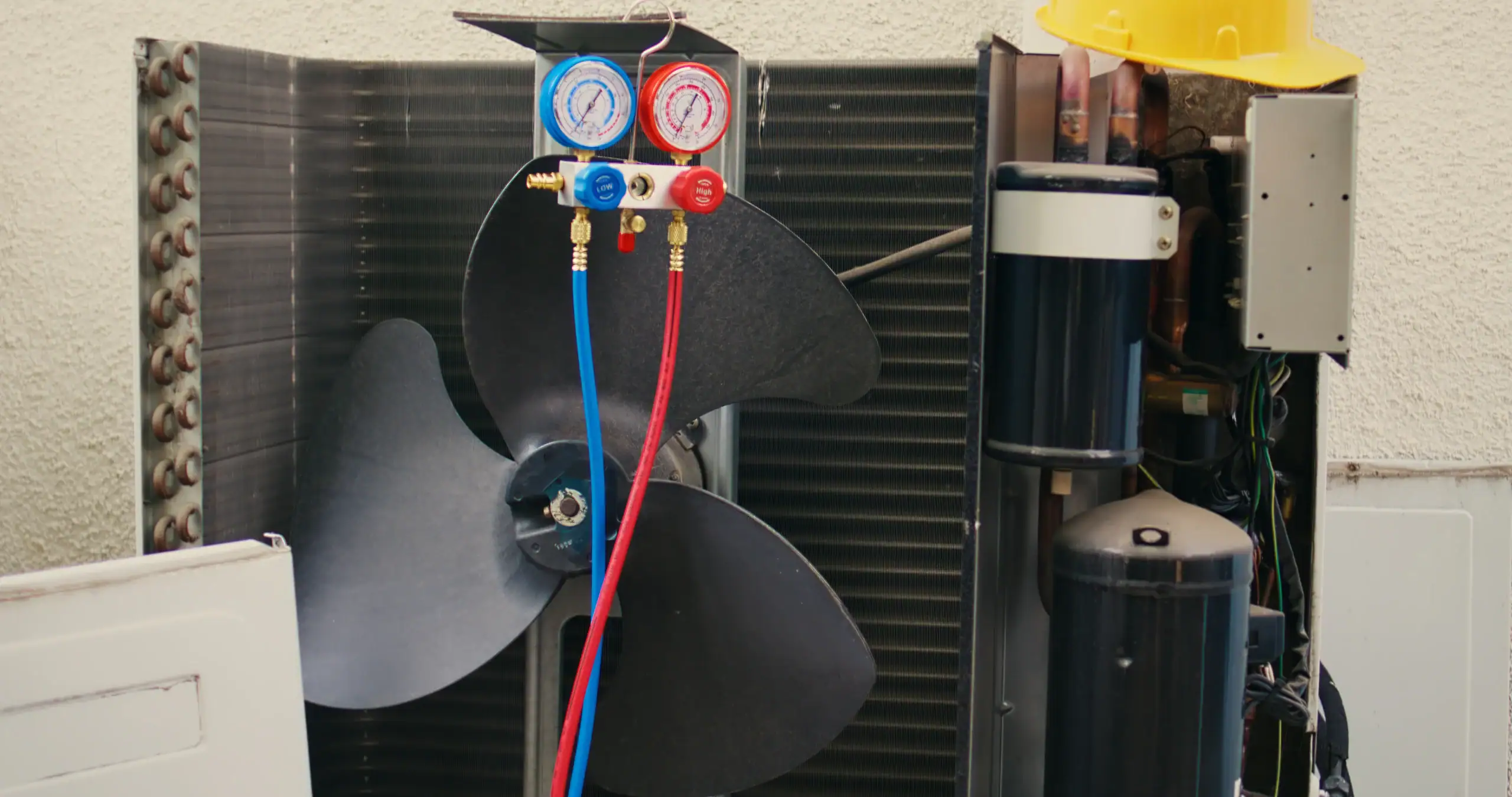
Your weekend on the water shouldn’t end with spoiled food or warm drinks. Marine refrigeration systems face challenges land-based units never see—constant motion, salt air, limited power, and space tighter than a Manhattan apartment.
Most marine repair shops treat boat refrigeration like household appliances. Wrong approach entirely. Marine systems need components designed for corrosive environments and technicians who understand 12V electrical systems, proper ventilation, and space-efficient installations.
When your system works properly, you focus on what matters—time on the water with family, not emergency runs to marinas for ice or worrying whether your expensive catch will spoil before you reach shore.
We’ve spent over 40 years mastering commercial refrigeration and marine HVAC systems throughout Nassau and Suffolk County. We understand what boat owners in Locust Valley deal with—the summer heat that pushes systems beyond their limits, winter storage that tests seals and connections, and the constant battle against salt air that destroys standard equipment.
Local yacht clubs from Montauk to Manhattan trust us with their marine systems because we use marine-grade components designed specifically for these conditions. We’re not subcontractors learning your system on the job—we’re certified technicians who’ve seen every marine refrigeration challenge Long Island waters can throw at equipment.
Our service vehicles stay stocked with marine-specific parts, so when your cockpit freezer fails during a tournament or your galley refrigeration quits during a family cruise, we arrive ready to fix it right the first time.
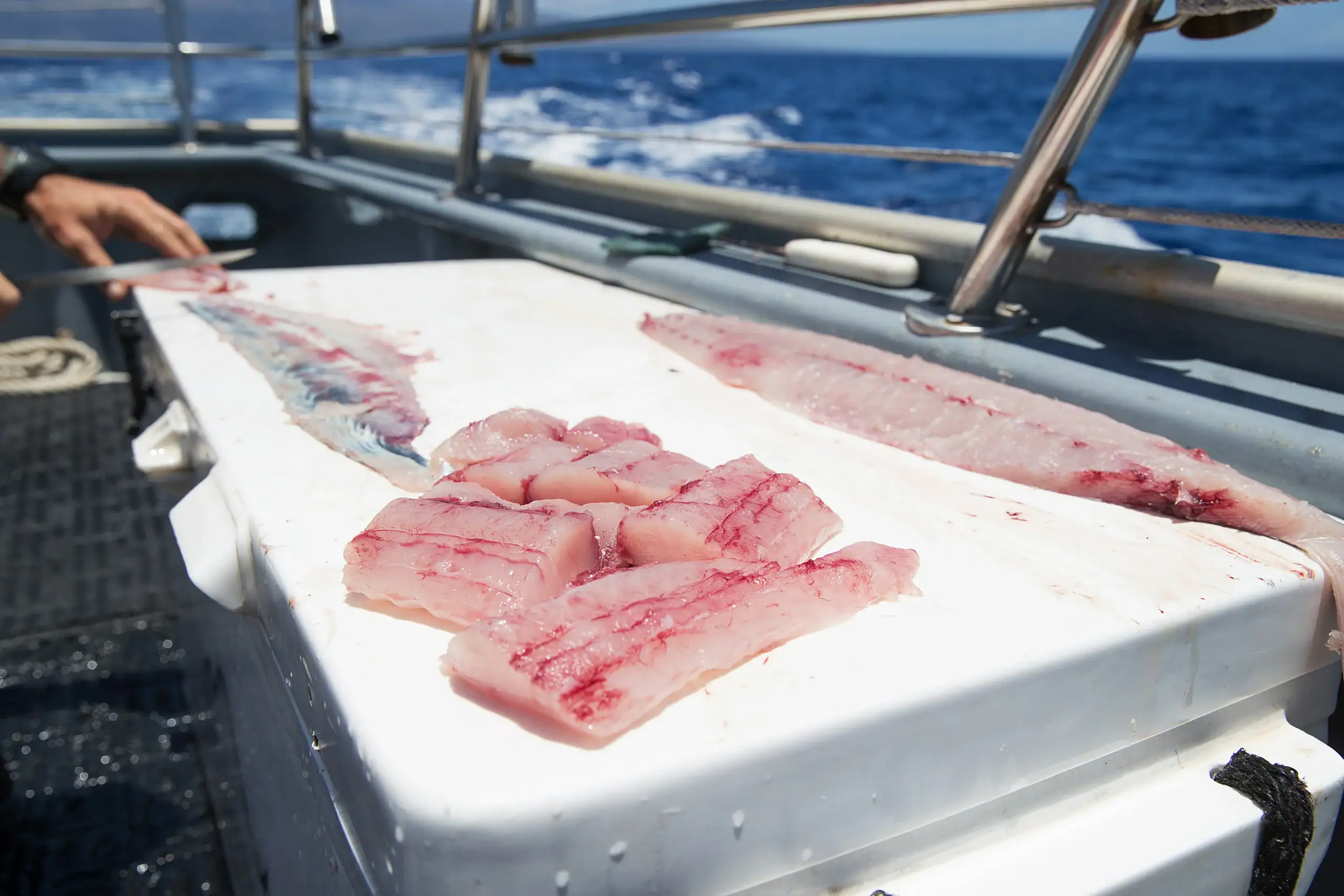
Every marine refrigeration project starts with understanding your boat’s specific needs—available space, electrical capacity, usage patterns, and environmental challenges. We inspect your current setup, measure available installation space, and assess your boat’s electrical system to ensure proper power supply and ventilation.
Next comes component selection. Marine refrigeration isn’t one-size-fits-all. A 32-foot cruiser needs different cooling capacity than a 50-foot yacht, and saltwater fishing boats face different challenges than freshwater recreational vessels. We specify marine-grade compressors, condensers, and evaporators designed to handle constant motion and corrosive environments.
Installation follows marine industry standards for proper mounting, vibration isolation, and electrical connections. We route refrigerant lines to minimize exposure to salt spray, secure all components against boat movement, and ensure adequate ventilation for efficient operation. Before leaving your boat, we test the complete system under load and walk you through proper operation and basic maintenance procedures.
Ready to get started?
Marine refrigeration and air conditioning in Locust Valley requires understanding both the technical challenges and local conditions. Long Island’s marine environment is particularly tough on cooling systems—summer temperatures that regularly hit the 90s, humidity that never seems to break, and salt air that corrodes standard components within months.
We handle everything from small cabin refrigerators to large yacht galley systems, cockpit freezers to fish box chillers. Our service includes emergency repairs during boating season, off-season maintenance during winter storage, and complete system upgrades when your current equipment reaches end of life.
Locust Valley boat owners benefit from our proximity to major marine suppliers and our relationships with yacht clubs throughout the North Shore. Whether you dock at a local marina or keep your boat on a mooring, we provide dockside service with fully equipped vehicles that carry marine-specific parts and tools. Our technicians understand boat electrical systems, proper ventilation requirements, and space-efficient installations that maximize cooling performance in minimal space.
With proper maintenance, quality marine refrigeration equipment should provide 10-15 years of reliable service, even in Long Island’s challenging environment. The key word is “proper”—most boat owners skip maintenance until something breaks, then wonder why their five-year-old system needs major repairs.
Long Island’s climate is particularly tough on marine refrigeration. Summer heat makes compressors work harder, winter storage affects seals and gaskets, and constant humidity changes stress the entire system. Salt air accelerates corrosion of standard components, which is why marine-grade parts are essential.
We recommend professional maintenance twice yearly for most recreational boats—once before boating season begins and once before winter storage. Boats used heavily for fishing or extended cruising benefit from quarterly service. Our maintenance customers routinely get 15+ years from their equipment because we catch small problems before they become expensive failures.
Marine refrigeration systems face challenges that land-based commercial units never encounter. Constant motion affects refrigerant flow and puts stress on all connections. Limited electrical capacity means systems must operate efficiently on 12V or 24V DC power. Space constraints require compact installations that still provide adequate ventilation.
Salt air is the biggest enemy—it corrodes standard components within months and destroys electrical connections. Marine systems need specialized components designed for corrosive environments, proper ventilation to prevent moisture buildup, and installation techniques that protect against constant movement and vibration.
Power consumption is critical on boats. While a restaurant can run high-capacity compressors continuously, boat systems must balance cooling performance with available electrical capacity. Marine refrigeration uses specialized compressors and controls designed for intermittent operation and maximum efficiency. Installation requires understanding boat electrical systems, battery capacity, and charging systems to ensure reliable operation without draining batteries.
Yes, we service all major marine refrigeration brands including Frigoboat, Grunert, Seafrost, Vitrifrigo, Norcold, and others. Our technicians are factory-trained on most marine refrigeration systems and carry specialized tools and refrigerants needed for proper diagnosis and repair.
Different brands use different approaches to marine refrigeration—some focus on ultra-low power consumption, others prioritize maximum cooling capacity, and some specialize in compact installations for smaller boats. We understand the engineering differences between brands and stock parts for the most common systems used in Long Island waters.
When original parts aren’t available or cost-effective, we can often retrofit systems with updated components that provide better performance and reliability. Our experience with multiple brands helps us recommend the best repair approach based on your boat’s specific needs, usage patterns, and budget. We always explain options clearly so you can make informed decisions about repairs versus replacement.
Absolutely. Converting ice boxes to mechanical refrigeration is one of our most popular services, especially for boat owners tired of constantly buying ice and dealing with melted water in their food storage. The conversion process requires careful planning to ensure proper fit, adequate electrical capacity, and efficient operation.
First, we evaluate your current ice box insulation, size, and location to determine the best refrigeration approach. Some installations work well with compact self-contained units, while others benefit from remote compressor systems that separate the cooling unit from the compressor for better space utilization and reduced noise.
Electrical requirements are crucial—mechanical refrigeration draws significantly more power than ice boxes. We assess your boat’s charging system, battery capacity, and typical usage patterns to ensure reliable operation without compromising other electrical systems. Installation includes proper mounting to handle boat movement, adequate ventilation for efficient operation, and controls that match your boat’s electrical system. The result is reliable refrigeration that maintains consistent temperatures without the hassle and expense of constantly buying ice.
First, check the obvious—circuit breakers, fuses, and battery voltage. Many apparent refrigeration failures are actually electrical issues that can be resolved quickly. If the compressor runs but doesn’t cool properly, check that seawater intake isn’t blocked and that ventilation areas around the condenser aren’t obstructed.
For actual system failures, contact us immediately for emergency service. We maintain fully stocked service vehicles and provide dockside repairs throughout the Long Island area. Our technicians carry common replacement parts, refrigerants, and specialized tools needed for most marine refrigeration repairs.
Time is critical during boating season—spoiled food and warm drinks can ruin expensive trips and family outings. We understand the urgency and prioritize marine refrigeration emergencies, especially during peak boating months. When possible, we can provide temporary solutions to keep your food fresh while ordering specialized parts for permanent repairs. Our goal is getting you back on the water quickly with reliable refrigeration that won’t let you down again.
Marine refrigeration costs vary significantly based on system size, boat configuration, and installation complexity. Basic repairs like replacing thermostats or cleaning condensers typically run $200-500, while major component replacement can range from $800-2500 depending on the parts needed.
New system installation depends on your boat’s specific requirements. Compact self-contained units for smaller boats start around $2000 installed, while larger yacht systems with multiple zones can run $5000-15000 or more. Ice box conversions typically fall in the $2500-6000 range depending on electrical work required and system complexity.
We provide free estimates that break down all costs clearly—parts, labor, and any electrical modifications needed. Our estimates include everything required for proper installation, so you won’t face surprise charges later. We also explain different options available, from basic functionality to premium systems with advanced controls, so you can choose the solution that best fits your needs and budget. Quality marine refrigeration is an investment that pays dividends in convenience and reliability for years to come.