
Hear from Our Customers
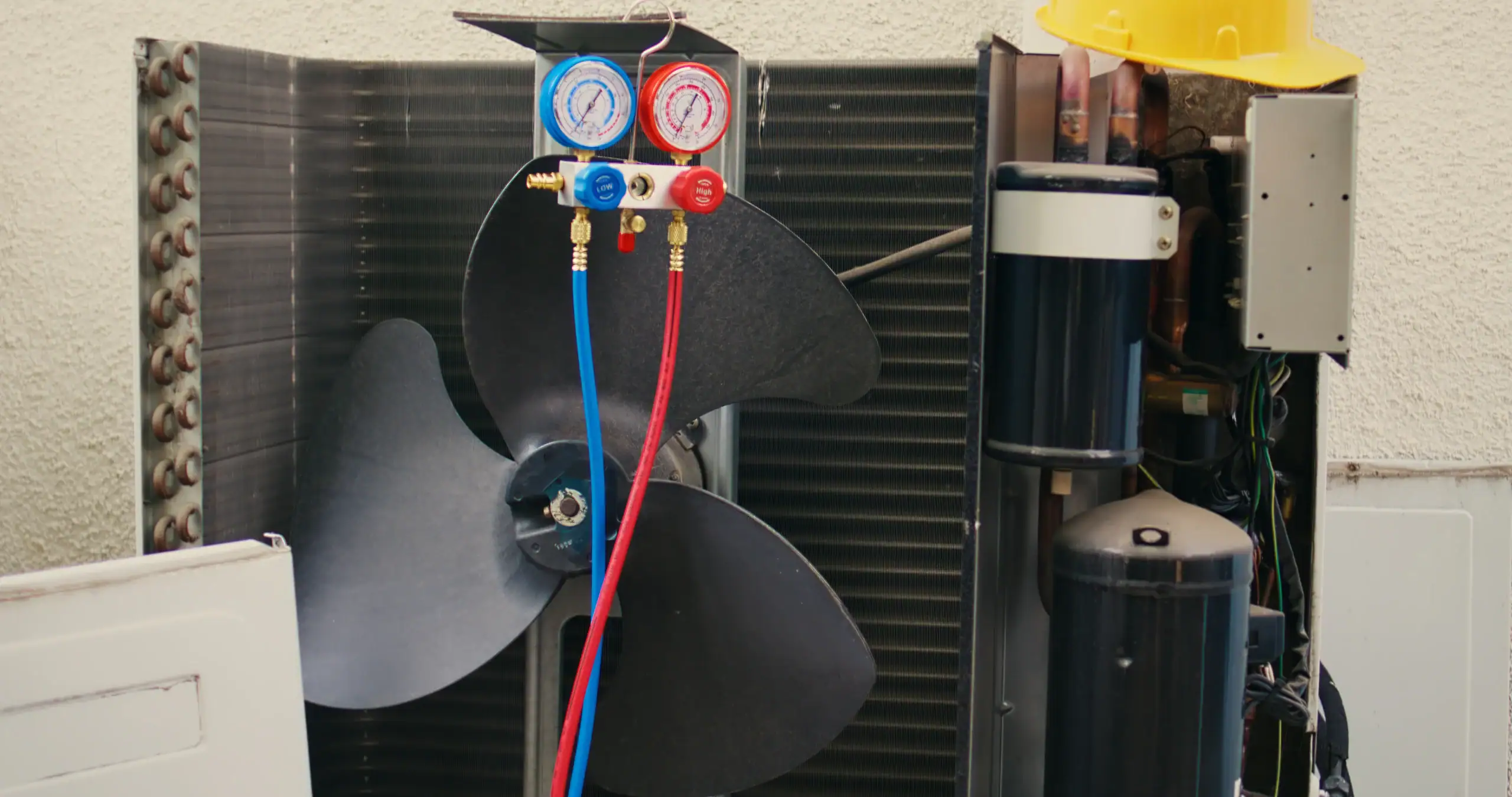
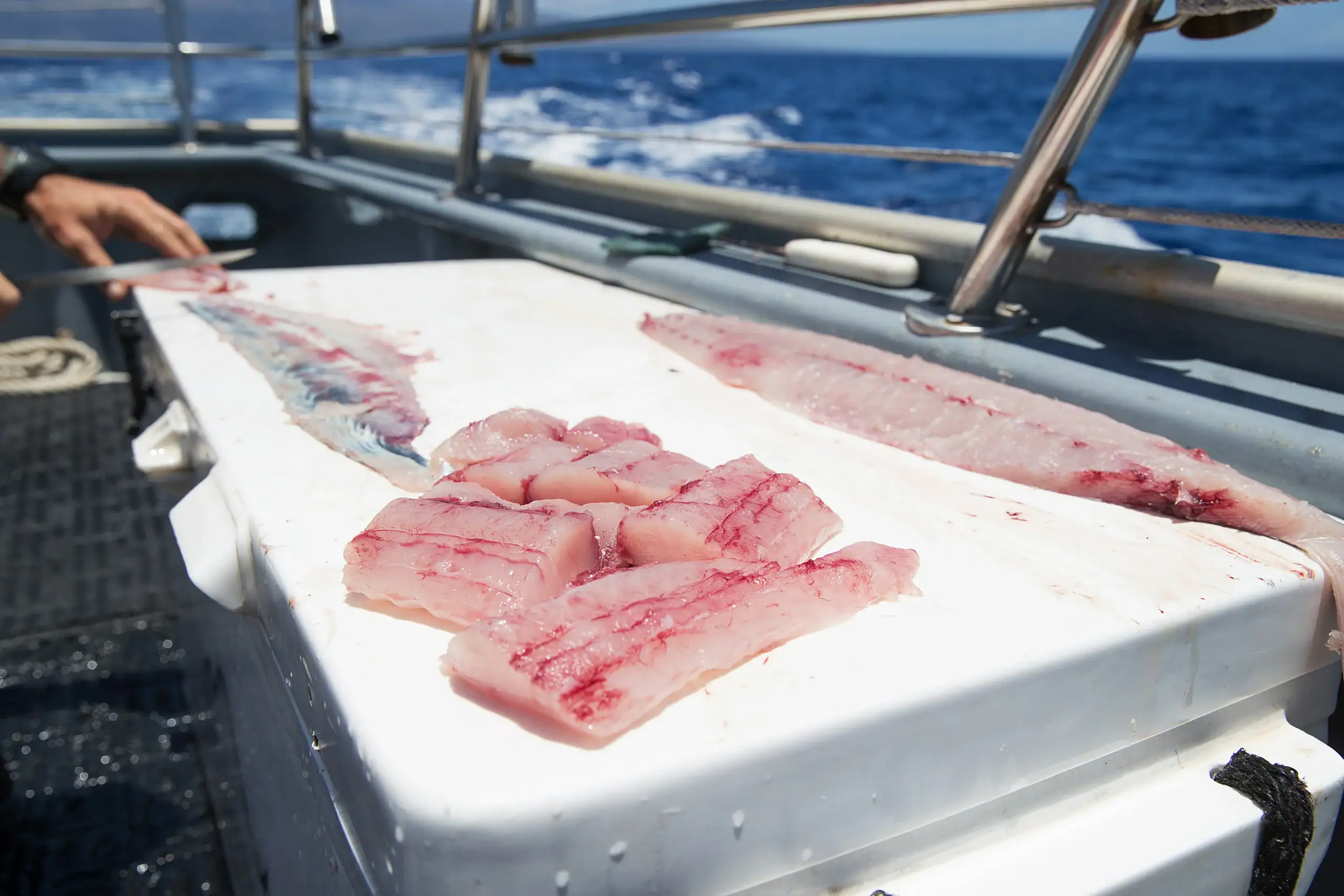
You’re not losing a cooler full of fish halfway through a tournament. You’re not cutting your weekend short because the fridge died and everything’s spoiling. You’re not dealing with dead batteries because your boat air conditioning is sucking power like there’s no tomorrow.
When your marine refrigeration works right, you focus on why you’re out here. Fresh provisions stay fresh. Cold drinks stay cold. Your catch stays viable until you dock. And you’re not constantly checking whether your cooling system is about to quit.
That’s what proper boat refrigeration does. It removes one more headache from your time on the water so you can actually enjoy it.
We’ve been handling marine refrigeration and boat HVAC systems throughout the Greater New York area for over 40 years. This isn’t a side service or weekend hobby—it’s what we do every single day.
We work on everything from basic boat refrigerators to complex marine air conditioning systems that other technicians won’t touch. We’ve earned dozens of five-star reviews because we answer the phone, explain what’s wrong in plain language, and fix it correctly the first time.
Boat owners docking at Bellport Marina and throughout North Bellport know marine systems aren’t like the ones in your house. Saltwater corrosion, constant humidity, limited battery power, and the motion of the vessel—these aren’t minor considerations. They’re critical factors that determine whether your system works or fails when you’re miles from shore. We understand the difference because we’ve been solving these exact problems for decades.
You call. Someone actually answers—not a voicemail, not a callback three days later. We listen to what’s happening with your boat refrigeration or marine AC system. Not cooling properly? Drawing excessive power? High-pressure fault code flashing? We ask the right diagnostic questions because we’ve handled these failures countless times.
We come to you. Whether you’re at Bellport Marina, another slip on the Great South Bay, or anywhere else on Long Island, we bring the tools and expertise to assess your marine refrigeration system where it sits. We’ll inspect your compressor, check condenser coils for salt buildup, test refrigerant levels, verify your power supply, and examine every component that could be causing the problem.
You get a straight answer. What’s broken, what it takes to fix it, what it costs—no games, no padding the estimate. If it’s a repair we can handle on the spot, we do it. If you need a new system or it’s a more involved job, we explain your options without pushing you toward the most expensive one.
After the work’s done, we verify everything runs properly before leaving. You’re not left wondering if it’ll hold up once you’re back on the water or if you’ll be dealing with the same issue next weekend.
Ready to get started?
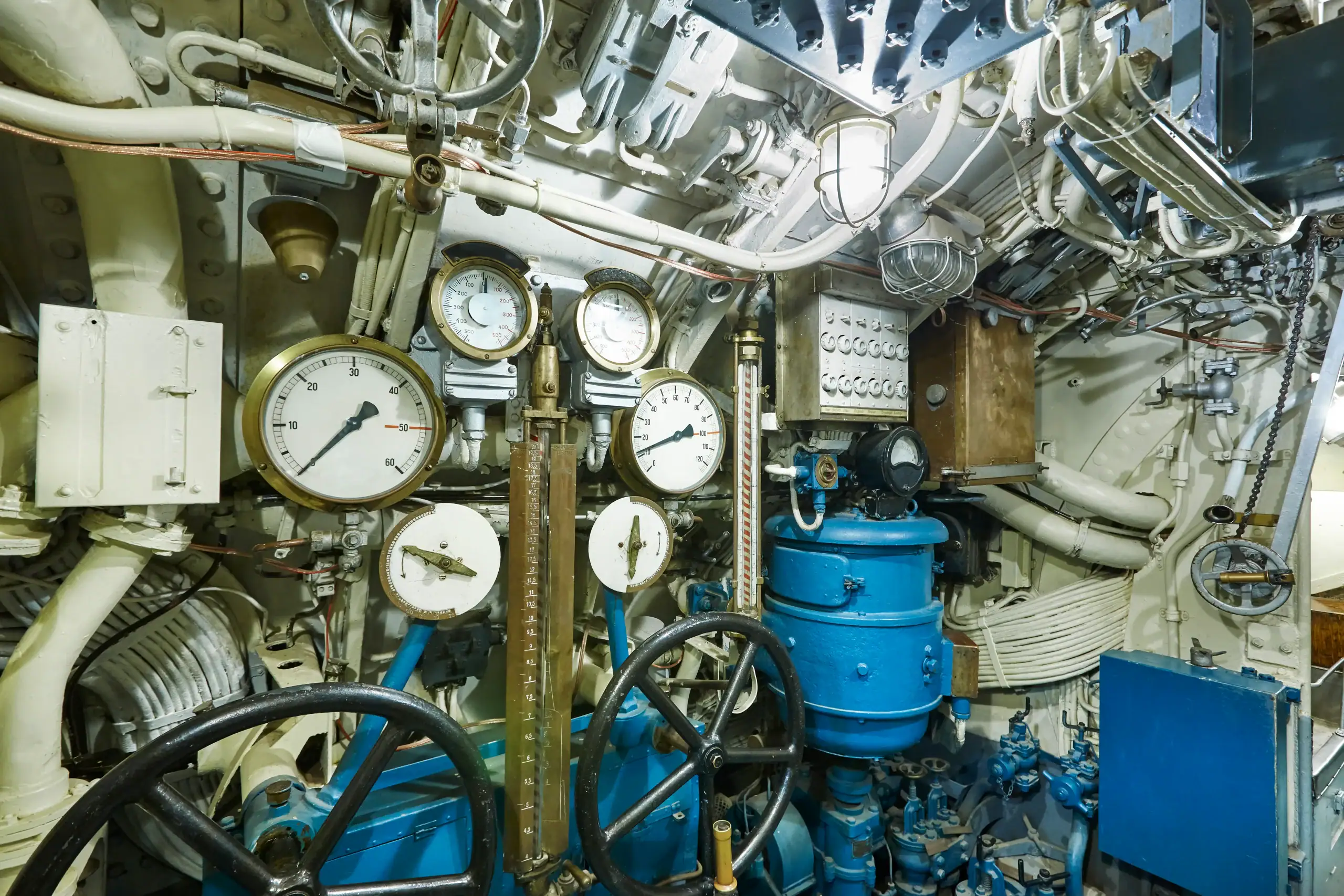
When we service your boat refrigeration or marine air conditioning, you’re getting thorough diagnostics—not guesswork. That means identifying the actual problem instead of throwing parts at it and hoping something works. It means measuring power draw, testing compressor operation, inspecting condenser coils for corrosion, checking for refrigerant leaks, and making sure your electrical connections can handle the load.
For boats operating around North Bellport and the Great South Bay, this level of attention matters. The marine environment destroys cooling systems that aren’t properly maintained. High humidity causes rapid ice buildup on evaporator coils. Saltwater exposure corrodes condensers and fittings. Limited battery capacity means inefficient systems drain your power before you’re halfway through the day. A technician who doesn’t understand these challenges will miss what’s really wrong.
Our service includes new marine refrigeration installation, boat AC repair, preventive maintenance to catch problems before they strand you, and emergency support when systems fail at the worst possible moment. We handle standard boat refrigerators, custom cooling setups, marine HVAC units, and complex integrated systems that most shops won’t touch.
You also get free estimates and 24/7 consulting access. If you’re out on the water and something starts acting strange, you can call for advice—even at 2 AM. That kind of availability is rare, but it’s necessary when dealing with systems that can quit without warning and ruin your entire trip.
This usually means one of several things is wrong. Your condenser coils are likely clogged with salt deposits or debris, preventing proper heat rejection. If the system can’t expel heat efficiently, it runs nonstop trying to cool but never achieves the set temperature.
Low refrigerant from a slow leak is another common culprit. When refrigerant levels drop, your compressor works continuously trying to reach target temp but can’t get there. You’ll see the unit running all day without maintaining consistent cooling—and draining your batteries in the process.
Insufficient power supply causes this too. Marine refrigeration needs adequate voltage to function. If your batteries are weak, connections are corroded, or your charging system isn’t keeping up, the compressor won’t operate at full capacity. Check your voltage levels and battery health before assuming the refrigeration unit itself has failed. Sometimes the fix is simpler than you think.
Most 12V DC boat refrigeration systems draw 3 to 8 amps when the compressor runs, depending on unit size and efficiency. If you’re seeing 10 to 12 amps or higher, something’s wrong and needs attention before it kills your batteries.
Excessive power draw means your system is working too hard. Poor insulation, failing compressor, dirty condenser coils, or inadequate ventilation all cause this. Low refrigerant or worn door seals also make the unit run longer cycles to maintain temperature, burning through amp-hours you can’t spare.
For boats on the Great South Bay, power efficiency isn’t optional. You don’t have unlimited battery capacity, and running your engine just to keep the fridge going defeats the purpose of being out here. An efficient system cycles on and off throughout the day. If yours runs continuously and drains batteries, get it checked before you’re stuck at the dock.
High-pressure faults—showing as “HPF” or “HP” on your display—happen when system pressure exceeds safe limits. The most frequent cause is restricted water flow through your condenser, typically from clogged intake screens, failed water pumps, or airlocked lines.
If your boat was recently hauled or the through-hull intake broke the water surface, your pump might be airlocked. No water circulation means no heat removal, so pressure builds until the safety cutout trips and shuts everything down. Sometimes you just need to bleed the air from the system.
Dirty condenser coils, failed fans on air-cooled marine AC units, or refrigerant overcharge also trigger high-pressure faults. Occasionally it’s just a clogged strainer that needs cleaning. Don’t ignore repeated faults—continuing to run the system can damage the compressor and turn a cheap fix into an expensive replacement.
If your system is over 10 to 15 years old and facing major component failure—dead compressor, significant refrigerant leaks, corroded condenser—replacement usually makes more financial sense than repair. Older marine refrigeration systems are less efficient, parts are harder to source, and additional failures are likely coming soon.
Cost comparison matters. If the repair estimate hits 50% or more of new system cost, and your current unit is already aging, invest in new equipment instead. Modern boat refrigeration draws significantly less power, meaning longer battery life and less time running your engine or generator.
Consider overall performance too. If you’ve dealt with repeated issues, constant maintenance needs, or inadequate cooling despite repairs, the system has reached end of life. New installation gives you better efficiency, updated features, warranty protection, and confidence it’ll actually work when you’re counting on it.
They can try, but you probably won’t like the results. Marine refrigeration faces challenges that residential or commercial systems never encounter. Constant motion, saltwater corrosion, DC power limitations, extreme humidity, and tight space constraints require specialized knowledge most HVAC techs don’t have.
A regular technician might understand basic refrigeration theory, but they won’t know how to size systems for your boat’s power capacity. They won’t recognize marine-specific problems like water-cooled condenser issues, through-hull complications, or proper corrosion prevention in saltwater environments. They also won’t have the right parts or equipment for marine applications.
Boat systems use different components, mounting methods, and installation techniques than land-based units. Using a marine refrigeration specialist means the job gets done right the first time, your system integrates properly with your boat’s electrical setup, and you avoid premature failures from incorrect installation. It’s the difference between a system that works and one that quits when you’re ten miles offshore.
Ice buildup typically results from excessive humidity entering the refrigerator box, usually through worn door seals or from opening the door too frequently. In marine environments where humidity is already high, any gap in your gasket becomes a direct path for moist air to freeze on evaporator coils.
Test your door seals first. Close the door on a dollar bill—you shouldn’t be able to pull it out easily. If it slides freely, your gaskets are worn or your door catch needs adjustment. Replace worn gaskets and make sure your door actually closes tightly against the seal all the way around.
Temperature settings also affect icing. Running your freezer extremely cold—0 to 5 degrees—increases ice formation. Raising it to 10 to 15 degrees reduces icing and can improve efficiency by up to 25%, saving battery power. When your boat sits at the dock, run a dehumidifier to reduce overall moisture levels that contribute to the problem.