
Hear from Our Customers
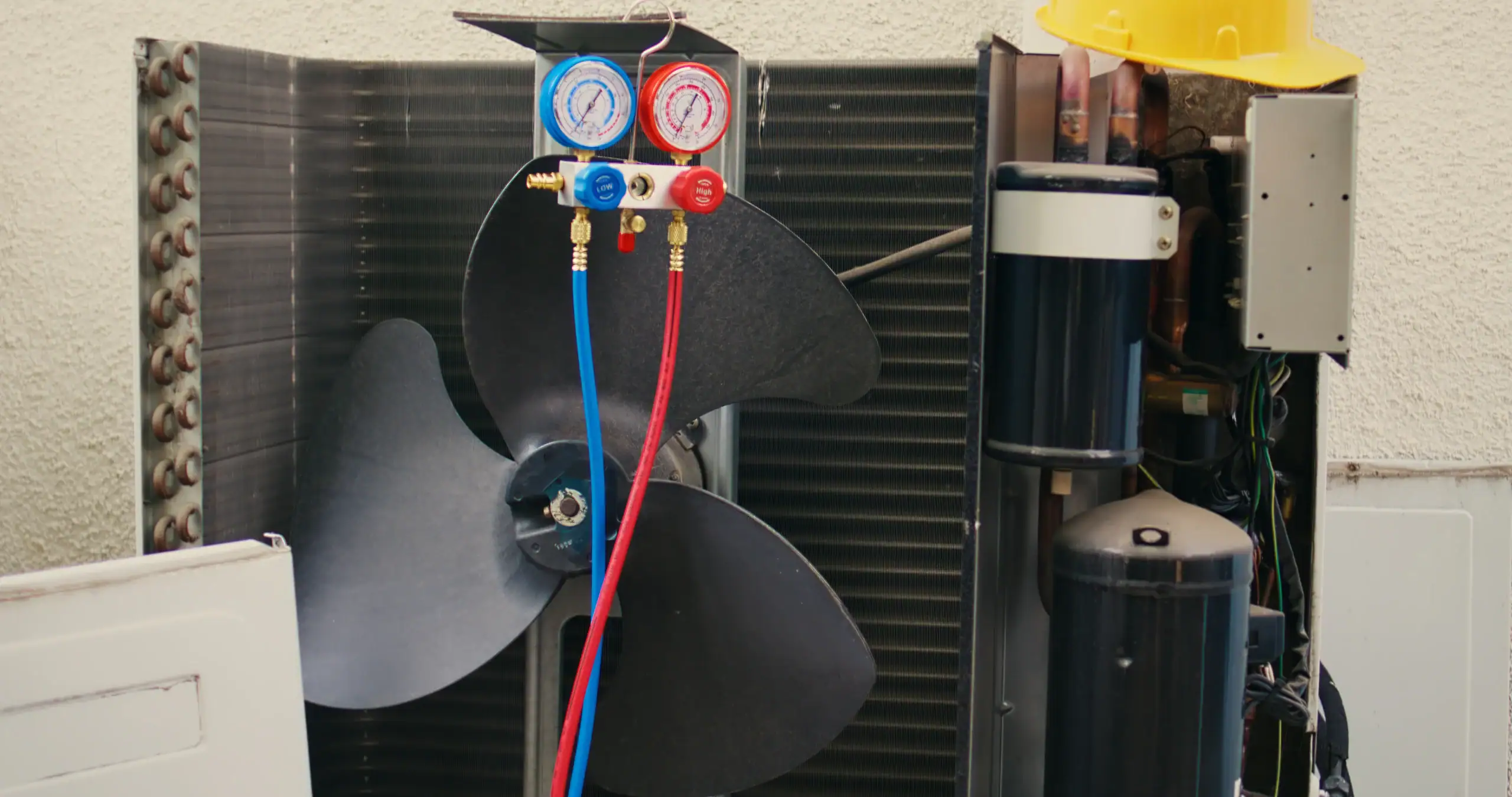
Your boat’s refrigeration system isn’t just about keeping drinks cold. It’s about safety, comfort, and making the most of every day during our short boating season. When your marine refrigeration or boat air conditioning fails, you’re not just dealing with warm beer—you’re looking at spoiled provisions, uncomfortable cabin temps, and days of your season slipping away while you wait for someone who actually knows what they’re doing.
Here’s what proper marine refrigeration service looks like. Your system runs efficiently without draining your batteries. Your food stays fresh during extended trips. Your cabin stays comfortable even when you’re anchored in the heat. And when something does go wrong, you have someone who picks up the phone and knows exactly how to fix it—not someone who treats your boat like a house with a motor.
The difference between a weekend ruined and a season well-spent often comes down to whether your systems work when you need them. That’s not dramatic—that’s just reality for anyone who’s dealt with a failed compressor on a Saturday morning in July.
We’ve spent over 40 years working on marine HVAC and refrigeration systems throughout the Greater New York area. We serve boat owners throughout Setauket and the surrounding Long Island Sound communities—from Shore Road Marina to Port Jefferson Harbor and beyond.
What sets us apart is simple: we understand that marine systems aren’t the same as residential ones. The vibration, the humidity, the salt exposure, the power management challenges—it all requires specific knowledge that most general HVAC technicians simply don’t have. We handle everything from straightforward repairs to custom installations that other companies walk away from.
Our reputation in Setauket and across Long Island is built on transparency, quality work, and actually answering the phone when you call. With dozens of five-star reviews and 24/7 availability, we’ve become the go-to choice for boat owners who are tired of excuses and want their systems fixed right the first time.
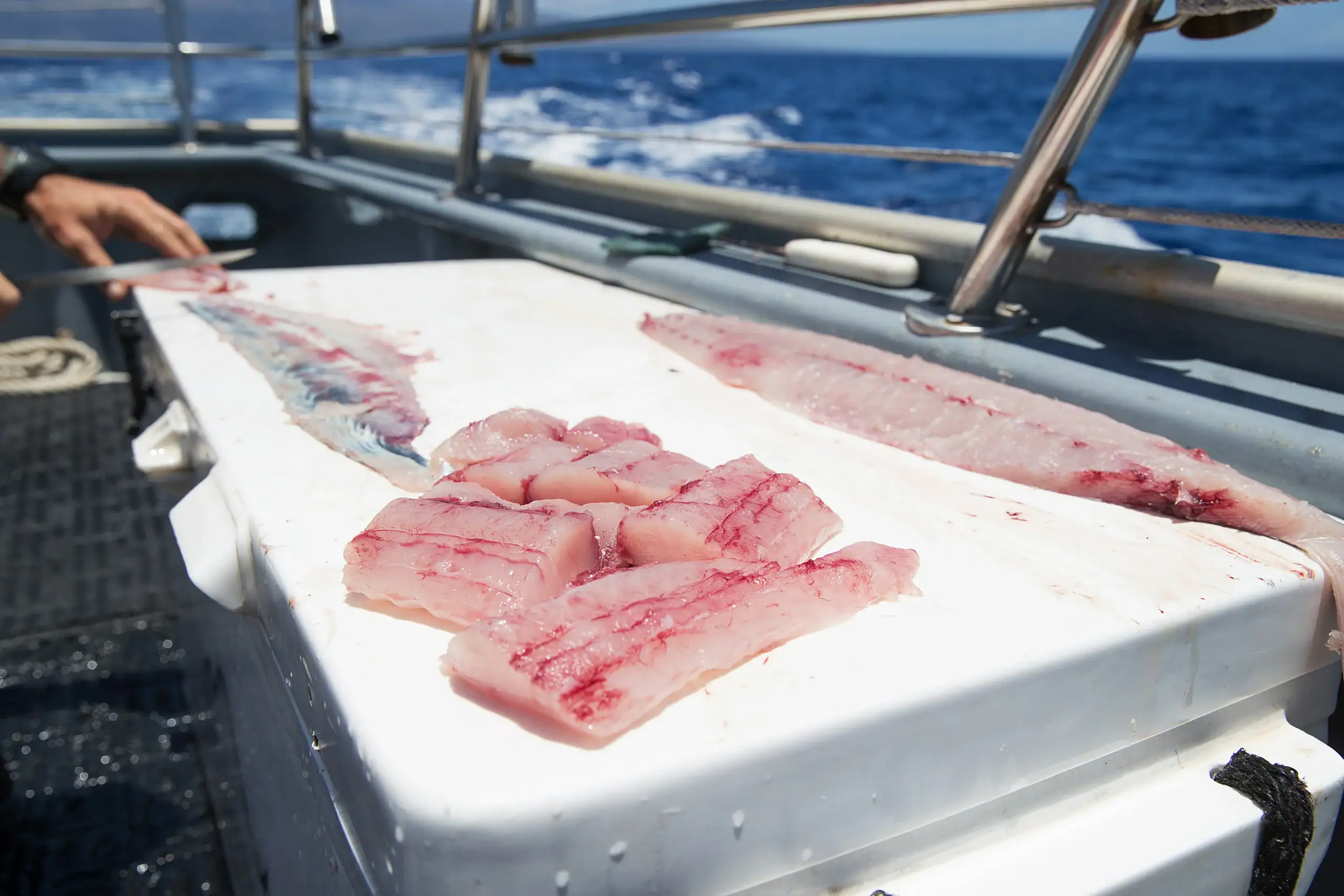
Getting your boat refrigeration or marine AC system repaired or installed doesn’t have to be complicated. It starts with a free estimate—no pressure, just an honest assessment of what you need. We evaluate your current setup, discuss your specific requirements, and explain exactly what’s involved.
Once you decide to move forward, the work gets scheduled based on your timeline. For repairs, we focus on diagnosing the actual problem—not just throwing parts at it and hoping something works. For installations, our approach accounts for your boat’s electrical system, available space, ventilation requirements, and how you actually use your vessel.
During the work, you get clear communication about what’s happening and why. If something unexpected comes up, you hear about it before any additional work gets done. The installation includes proper mounting to handle vibration, marine-grade materials that resist corrosion, and electrical connections that won’t create voltage drop issues.
After the system is running, you get a walkthrough of how it operates and what to watch for. We make sure you understand your new system’s power requirements and maintenance needs. And if questions come up later—even at 2 AM when you’re dealing with an issue—our 24/7 consulting means you can actually reach someone who knows your setup.
Ready to get started?
Our boat refrigeration and marine HVAC services in Setauket cover the full spectrum of what Long Island Sound boaters actually need. New installations start with understanding your vessel’s electrical capacity and how you use your boat—whether you’re a weekend cruiser running on batteries or you have shore power access at your slip. We size the systems appropriately, install them with proper ventilation, and set them up to run efficiently without killing your battery bank.
Repair work focuses on the real problem, not just the obvious symptom. A warm refrigerator box might be a failed compressor, but it could also be a refrigerant leak, a thermostat issue, poor insulation, or inadequate ventilation. Our diagnostic process identifies what’s actually wrong before any parts get ordered.
Maintenance services keep your systems running through the demanding summer season. This includes checking refrigerant levels, cleaning condensers, inspecting electrical connections, and verifying that your compressor isn’t working harder than it should. For Setauket boat owners dealing with the salt air and humidity of the Sound, preventive maintenance isn’t optional—it’s what keeps small issues from turning into season-ending failures.
Custom installations handle the situations where standard solutions don’t fit. Unusual spaces, specific cooling requirements, integrated systems—these are the projects that require actual expertise rather than just following a manual. Whether you’re converting an icebox to refrigeration or installing a complete climate control system, we get the work done right.
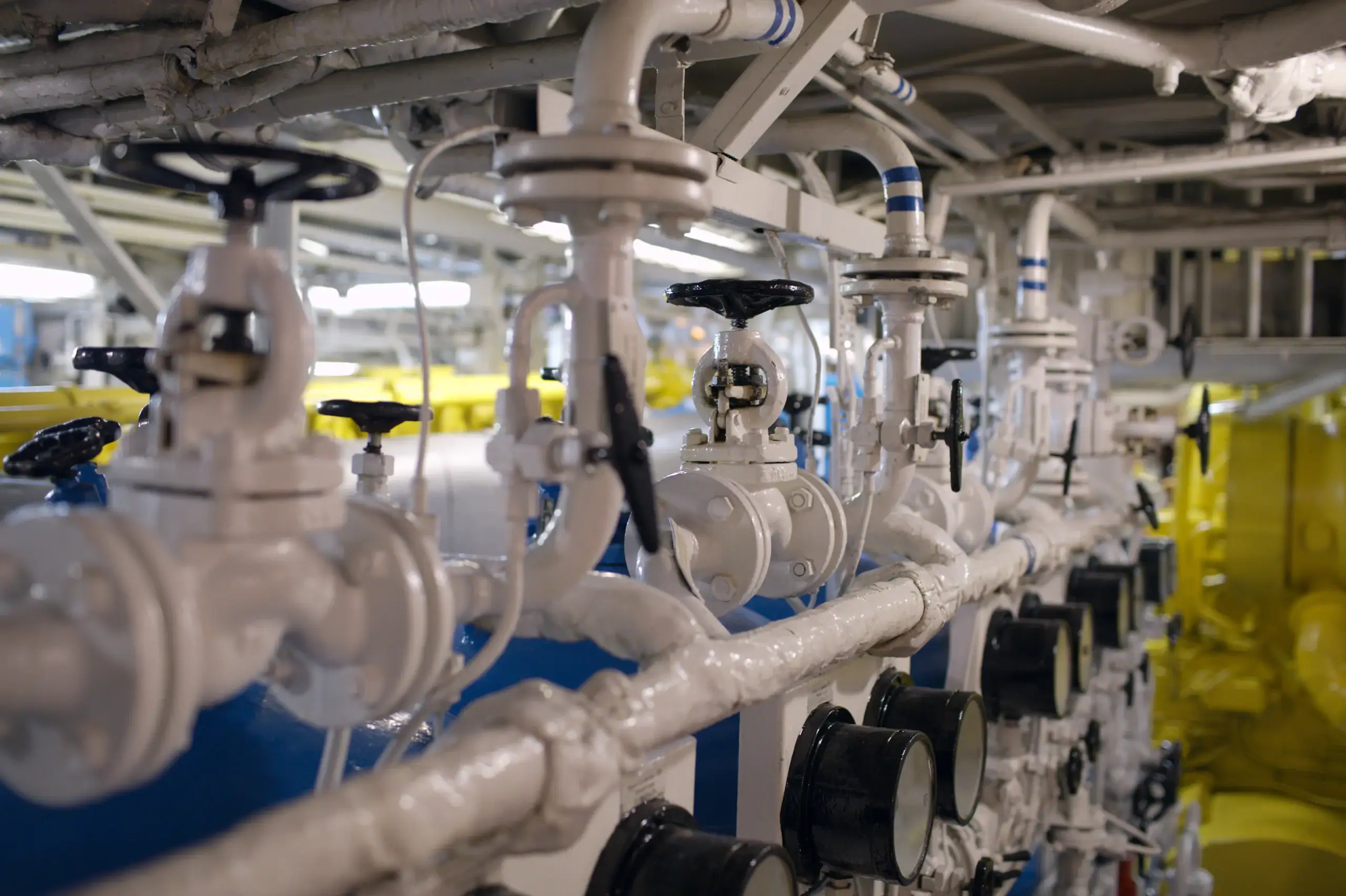
Installation time depends on what you’re having done and your boat’s existing setup. A straightforward replacement of a failed compressor might take a few hours. Converting an icebox to a full refrigeration system typically takes a full day, sometimes two, depending on the electrical work and modifications needed.
Custom installations or systems that require significant electrical upgrades can take longer—you’re looking at multiple days for complex setups. The key factor is doing it right rather than doing it fast. Rushing a marine refrigeration installation leads to problems like inadequate ventilation, voltage drop issues, or improper mounting that fails when your boat is underway.
During the estimate, you’ll get a realistic timeline based on your specific situation. That timeline accounts for any parts that need to be ordered and the actual scope of work involved. For Setauket boat owners trying to maximize their season, we coordinate scheduling to minimize the time your boat is out of commission.
Marine refrigeration systems face challenges that home units never deal with. Constant vibration from engine operation and wave action can loosen connections and damage components over time. The salt air and high humidity environment accelerates corrosion, especially on electrical connections and any parts that aren’t truly marine-grade.
Power management is another major factor. Your boat’s battery bank has limited capacity, and if the refrigeration system draws too much current or runs inefficiently, it can drain batteries faster than your charging system can keep up. This leads to the compressor cycling improperly or shutting down completely.
Poor ventilation is a common killer of marine refrigeration systems. When the compressor and condenser don’t have adequate airflow, they overheat and fail prematurely. Many installations don’t account for the confined spaces on boats, leading to systems that work fine at the dock but fail when cabin temperatures rise. Proper installation that addresses these marine-specific challenges is what separates systems that last from ones that leave you dealing with spoiled food and service calls every season.
It depends entirely on your electrical system and the type of marine AC unit you have. Most traditional marine air conditioning systems run on 110V AC power, which means they need either shore power or a generator. Running them off batteries requires an inverter and a substantial battery bank—we’re talking serious amp-hour capacity that most recreational boats don’t have.
Some newer marine AC systems are designed for 12V or 24V DC operation and are much more battery-friendly, but they still draw significant power. Whether you can run them while anchored depends on your battery capacity, solar panels, wind generators, or other charging sources. A typical setup might give you a few hours of cooling before you need to run the engine to recharge.
The honest answer for most Setauket boat owners is that extended AC use while anchored requires either a generator or a very robust battery and charging system. During the estimate process, we evaluate your current electrical setup and explain what’s realistic for your boat. Sometimes the better solution is improving ventilation and insulation rather than trying to run AC systems your electrical system can’t support.
Marine refrigeration systems are built to handle conditions that would destroy regular household refrigerators. They use components designed to withstand constant vibration, operate at angles when the boat is heeled or underway, and resist corrosion from salt air and humidity. The compressors are typically mounted separately from the cold box, allowing for flexible installation in the tight spaces boats provide.
Power requirements are completely different. Marine systems usually run on 12V or 24V DC power from your boat’s batteries, though some use 110V AC when shore power is available. They’re engineered to be much more energy-efficient because battery capacity is limited. A home refrigerator running off an inverter would drain most boat battery banks in hours.
The refrigeration boxes themselves are different too. Marine units often have top-opening doors instead of front-opening ones because cold air doesn’t pour out when you open them—critical when you’re trying to conserve power. The insulation is typically much thicker, and the construction accounts for the movement and moisture that boats deal with constantly. Installing a regular refrigerator on a boat isn’t just inefficient—it’s asking for premature failure and electrical problems that can affect your entire system.
Annual maintenance before each boating season is the baseline for keeping your marine refrigeration running reliably. This includes checking refrigerant levels, inspecting and cleaning the condenser, verifying electrical connections, and making sure ventilation pathways are clear. For boats that see heavy use or stay in the water year-round, mid-season checkups catch small issues before they become big problems.
Pay attention to how your system is performing throughout the season. If you notice the compressor running more frequently, the box not staying as cold, or unusual noises, don’t wait until next season to address it. These are signs that something needs attention now. The same goes for any electrical issues—flickering lights when the compressor kicks on or batteries draining faster than normal mean there’s a problem that will only get worse.
For Setauket boat owners, the short season makes maintenance even more important. You can’t afford to lose weeks waiting for repairs when you only have a few months of good weather. Preventive maintenance in the spring and addressing issues immediately when they appear keeps you on the water instead of at the dock waiting for parts. The cost of annual service is nothing compared to the cost of spoiled provisions, missed trips, and emergency repairs at premium rates.
Look for actual marine experience, not just general HVAC credentials. Marine refrigeration has specific requirements that residential technicians often don’t understand—things like power management, vibration resistance, and corrosion protection. Ask how long they’ve been working on boats specifically and whether they understand DC electrical systems and battery bank management.
Availability matters more than most people realize. Refrigeration systems don’t fail on schedule, and they certainly don’t wait for business hours. A company that offers 24/7 consulting and emergency service shows they understand the reality of boat ownership. You also want someone who provides free estimates upfront rather than charging just to tell you what’s wrong.
Check their reputation with other boat owners in the Setauket and Long Island area. Five-star reviews from actual customers tell you more than any marketing material. Ask around at your marina—word travels fast in the boating community about who does quality work and who leaves you with problems. Finally, pay attention to how they communicate. If they can’t explain what’s wrong and what they’re going to do about it in plain language, that’s a red flag. You want someone who respects your intelligence and your time, not someone who hides behind technical jargon or gives you the runaround.