Hear from Our Customers
Your weekend on the water shouldn’t end with a hot, uncomfortable cabin because your marine AC decided to quit. When your boat’s refrigeration or air conditioning fails, you need someone who understands the unique challenges of saltwater environments and seawater-cooled systems.
Most HVAC contractors treat boat systems like house units. They don’t get it. Marine refrigeration operates differently, faces constant saltwater corrosion, and requires specialized knowledge that general contractors simply don’t have.
You get back on the water faster with systems that actually work in marine environments. No more wondering if this repair will last through the season or fail again when you’re anchored in the middle of nowhere.
We’ve served South Huntington and Nassau County boat owners for over 40 years. We specialize in both marine HVAC systems and commercial refrigeration, giving us unique insight into cooling systems that other marine contractors lack.
Local yacht clubs and boat owners throughout Long Island trust us because we understand the specific challenges of marine environments. Saltwater corrosion, constant vibration, and tight installation spaces require different approaches than standard residential work.
Our technicians are factory-trained on major marine brands and maintain certifications that most general contractors don’t pursue. This expertise means faster diagnosis, proper repairs, and systems that actually last in harsh marine conditions.
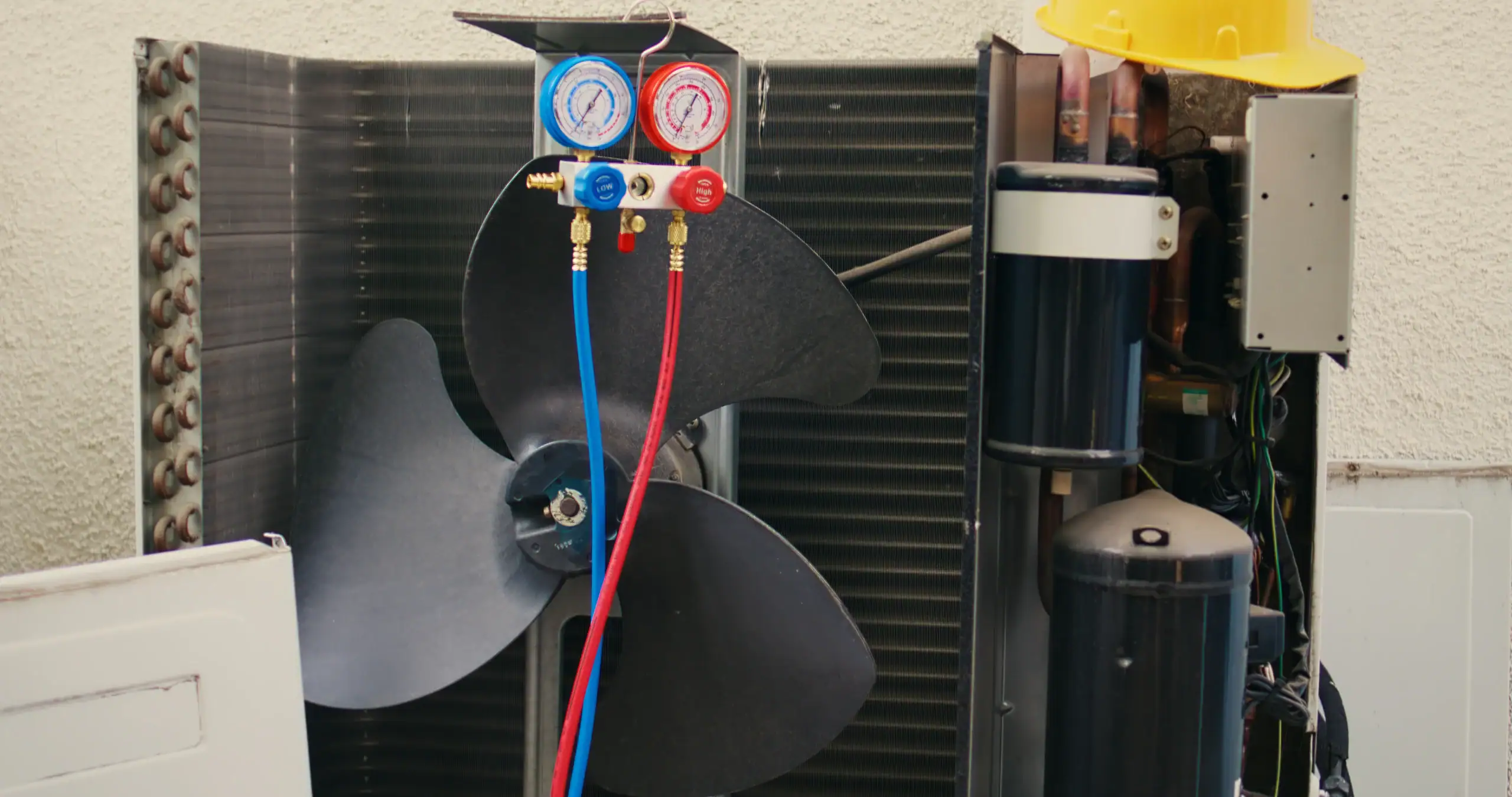
First, we provide a free estimate and honest assessment of your marine refrigeration or AC system. Our technicians arrive with specialized marine tools and diagnostic equipment designed specifically for boat systems.
The diagnosis focuses on the unique aspects of marine systems: seawater flow rates, saltwater corrosion, electrical issues from marine environments, and proper refrigerant levels for boat applications. We explain exactly what’s wrong and why, using plain language instead of technical jargon.
Repairs use marine-grade parts designed for saltwater environments. We test everything thoroughly before considering the job complete. You get a system that works reliably, not a temporary fix that fails when you’re miles from shore.
Ready to get started?
We handle all aspects of marine refrigeration and boat air conditioning in South Huntington. This includes emergency repairs when your system fails during peak boating season, preventive maintenance to avoid breakdowns, and complete system installations for new boats or upgrades.
Our service covers both self-contained units and split systems, ice makers, galley refrigeration, and cabin air conditioning. Our experience with commercial refrigeration also means we can handle larger yacht systems that other marine contractors can’t tackle.
South Huntington’s marine environment presents specific challenges. Our Long Island experience means we understand how local water conditions, seasonal temperature swings, and typical usage patterns affect marine refrigeration systems. This local knowledge translates to repairs that last and maintenance schedules that make sense for local conditions.
Marine air conditioning systems are extremely sensitive to water flow issues and electrical problems. Over 60% of marine AC failures stem from insufficient seawater flow through the condenser, often caused by clogged sea strainers, marine growth in the cooling lines, or problems with the raw water pump.
The system automatically shuts down to prevent compressor damage when it detects high pressure from inadequate cooling water. Other common causes include voltage fluctuations from your boat’s electrical system, corroded wiring connections, or refrigerant leaks that reduce cooling capacity.
Unlike residential units, marine systems operate in harsh saltwater environments with constant vibration and temperature changes. These conditions require specialized diagnosis and marine-grade repairs to ensure reliable operation throughout the boating season.
Marine refrigeration systems need professional maintenance every season, with more frequent attention for boats used heavily or kept in saltwater year-round. The harsh marine environment accelerates wear on components, and saltwater corrosion can quickly turn minor issues into expensive failures.
Essential maintenance includes flushing the seawater cooling system every 2-5 years depending on water conditions, cleaning condenser coils that become clogged with marine growth, checking refrigerant levels, and inspecting electrical connections for corrosion. Air filters should be cleaned monthly during active use.
Preventive maintenance catches problems early when they’re still affordable to fix. Waiting until something breaks often means emergency repairs during peak season, when you’d rather be enjoying your boat than dealing with a hot, uncomfortable cabin.
Marine refrigeration systems use seawater for cooling instead of air, creating completely different operating conditions and failure modes. The constant exposure to saltwater, vibration from engines and waves, and tight installation spaces require specialized knowledge that most HVAC contractors don’t possess.
Marine systems must handle voltage fluctuations from generators and inverters, deal with marine growth clogging cooling lines, and operate reliably in spaces where access for repairs is extremely limited. The electrical components face constant moisture and salt exposure that would quickly destroy residential equipment.
Proper marine refrigeration repair requires understanding these unique challenges, having the right marine-grade parts, and knowing how to diagnose problems specific to boat systems. General HVAC contractors often misdiagnose marine issues because they’re applying residential solutions to marine problems.
Yes, we provide mobile marine refrigeration service throughout South Huntington and Nassau County. Our service vehicles are equipped with specialized marine tools, diagnostic equipment, and common replacement parts for boat systems.
Mobile service is often more convenient for boat owners and allows our technicians to see exactly how your system operates in its actual environment. We can check seawater flow, test electrical connections under load, and ensure repairs work properly with your boat’s specific setup.
Some complex repairs or major component replacements may require bringing the boat to a facility with specialized equipment, but most marine refrigeration issues can be diagnosed and repaired right at your dock or marina slip.
A marine AC system that runs but doesn’t cool properly usually indicates refrigerant loss, inadequate seawater flow, or problems with the heat exchange process. The temperature difference between supply and return air should be 12-20 degrees; less than this suggests the system isn’t removing heat effectively.
Common causes include refrigerant leaks from vibration or corrosion, clogged condenser coils from marine growth, insufficient raw water flow due to pump problems or blocked intakes, or electrical issues preventing the compressor from operating at full capacity.
Marine environments accelerate these problems compared to residential systems. Saltwater corrosion can create pinhole leaks in refrigerant lines, marine growth clogs cooling passages, and electrical connections corrode faster, all reducing the system’s ability to cool effectively even when it appears to be running normally.
First, check the basics: ensure the seacock for raw water cooling is open, verify the sea strainer isn’t clogged with debris, and confirm electrical power is reaching the unit. Many marine AC failures are caused by simple issues that can be resolved quickly.
Look for error codes on the display panel if your system has digital controls. Codes like “HI PS” or “P3” typically indicate high pressure from inadequate water flow or refrigerant issues. If the system won’t start at all, check circuit breakers and electrical connections for corrosion or loose wires.
For emergency situations, we provide 24/7 service throughout the South Huntington area. When you’re dealing with uncomfortable conditions on the water, quick professional diagnosis can often get your system running again and save your trip from becoming a hot, miserable experience.