
Hear from Our Customers
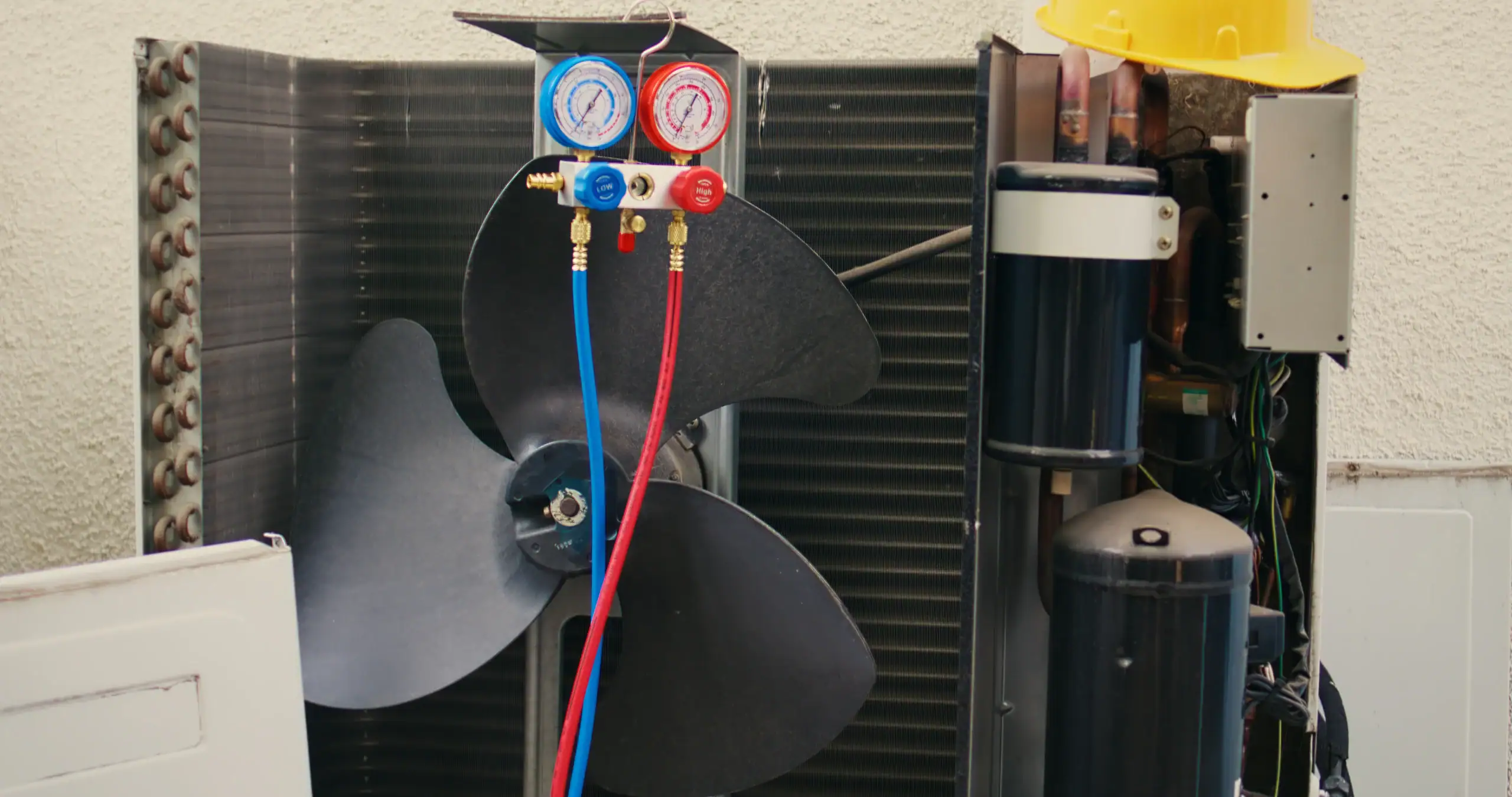
Your boat should be an escape, not an endurance test. When your marine refrigeration and air conditioning work properly, you get consistent temperatures that keep food fresh, drinks cold, and everyone comfortable.
That means longer trips without worrying about spoiled provisions. It means guests who actually want to spend time on your vessel. It means you can focus on what you bought the boat for instead of constantly checking if your systems are still running.
The difference between a boat with reliable cooling and one without isn’t just comfort—it’s whether your investment actually serves its purpose or becomes a source of constant stress.
We’ve been solving marine refrigeration challenges in the Thomaston area for over 40 years. That’s four decades of learning how salt air affects compressors, how boat movement impacts system performance, and what actually works long-term on the water.
We serve everyone from weekend recreational boaters to commercial operations, handling everything from simple repairs to complex custom installations. With dozens of five-star reviews, we’ve built our reputation on transparent communication and solutions that actually last.
When you’re dealing with the unique challenges of marine environments—constant vibration, salt exposure, space constraints—you need technicians who’ve seen it all before and know what works.
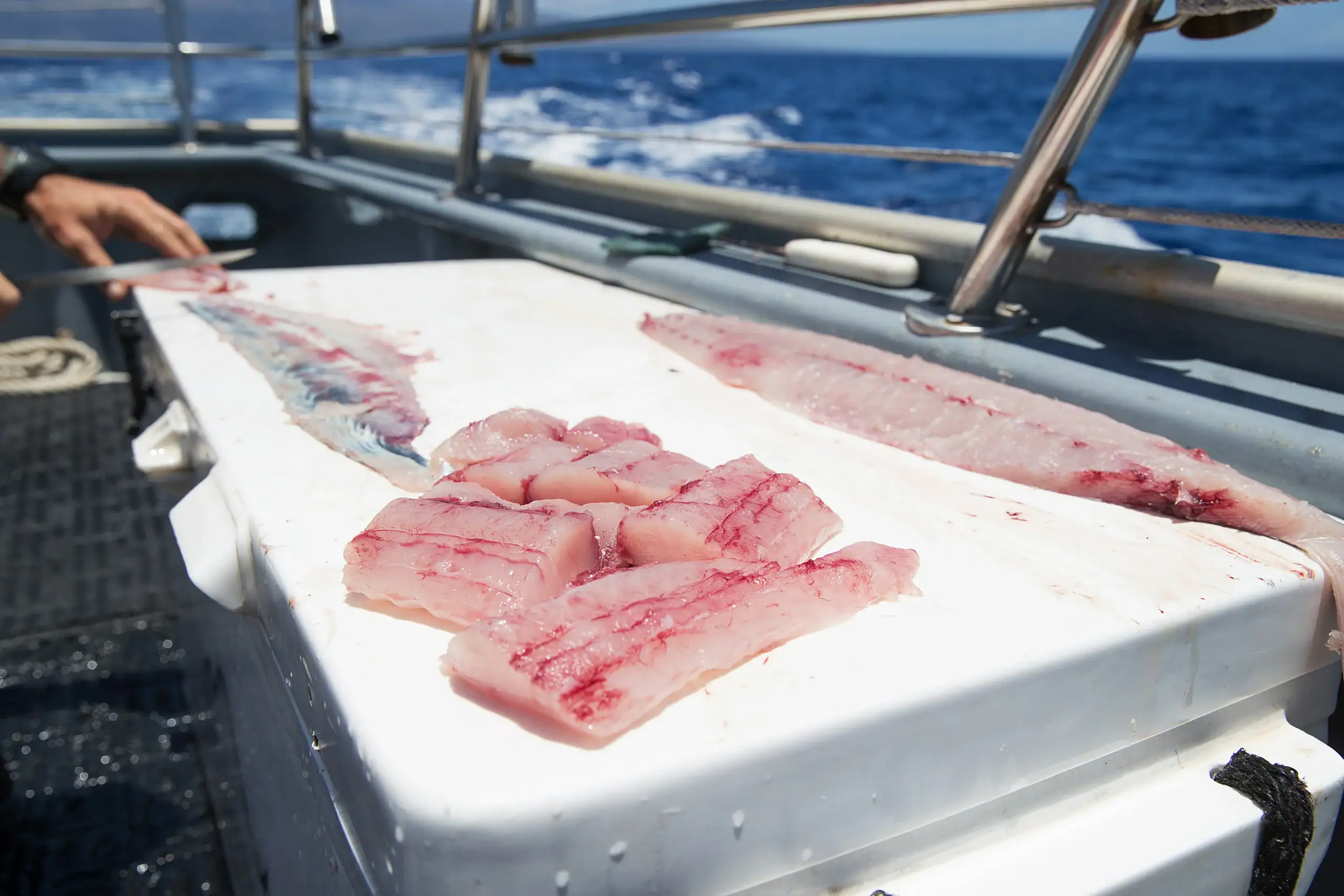
First, we assess your current setup and listen to what’s not working. This includes checking your power systems, space constraints, and how you actually use your boat—because a weekend cruiser has different needs than a charter operation.
Next comes the honest recommendation. We’ll tell you if a repair makes sense or if replacement is the smarter move. You get a free estimate with transparent pricing, so you know exactly what you’re paying for before any work begins.
Installation or repair happens on your schedule. Our team handles everything from electrical connections to proper mounting that accounts for boat movement. Once complete, we test the system thoroughly and walk you through maintenance basics to keep everything running smoothly.
Ready to get started?
Every marine refrigeration service we provide includes system diagnostics, performance testing, and recommendations for optimal efficiency. Whether you need emergency repairs, routine maintenance, or complete system installation, our approach stays consistent: honest assessment and solutions that work in marine environments.
For Thomaston boat owners, this means service that accounts for Long Island’s specific conditions—high humidity summers, salt air exposure, and the seasonal nature of boating. We size and configure systems for local climate demands, not generic specifications that might work on land but fail on water.
Our service covers everything from basic refrigeration units to complex multi-zone climate control systems. Custom installations handle unique space requirements, while maintenance programs keep existing systems running efficiently season after season.
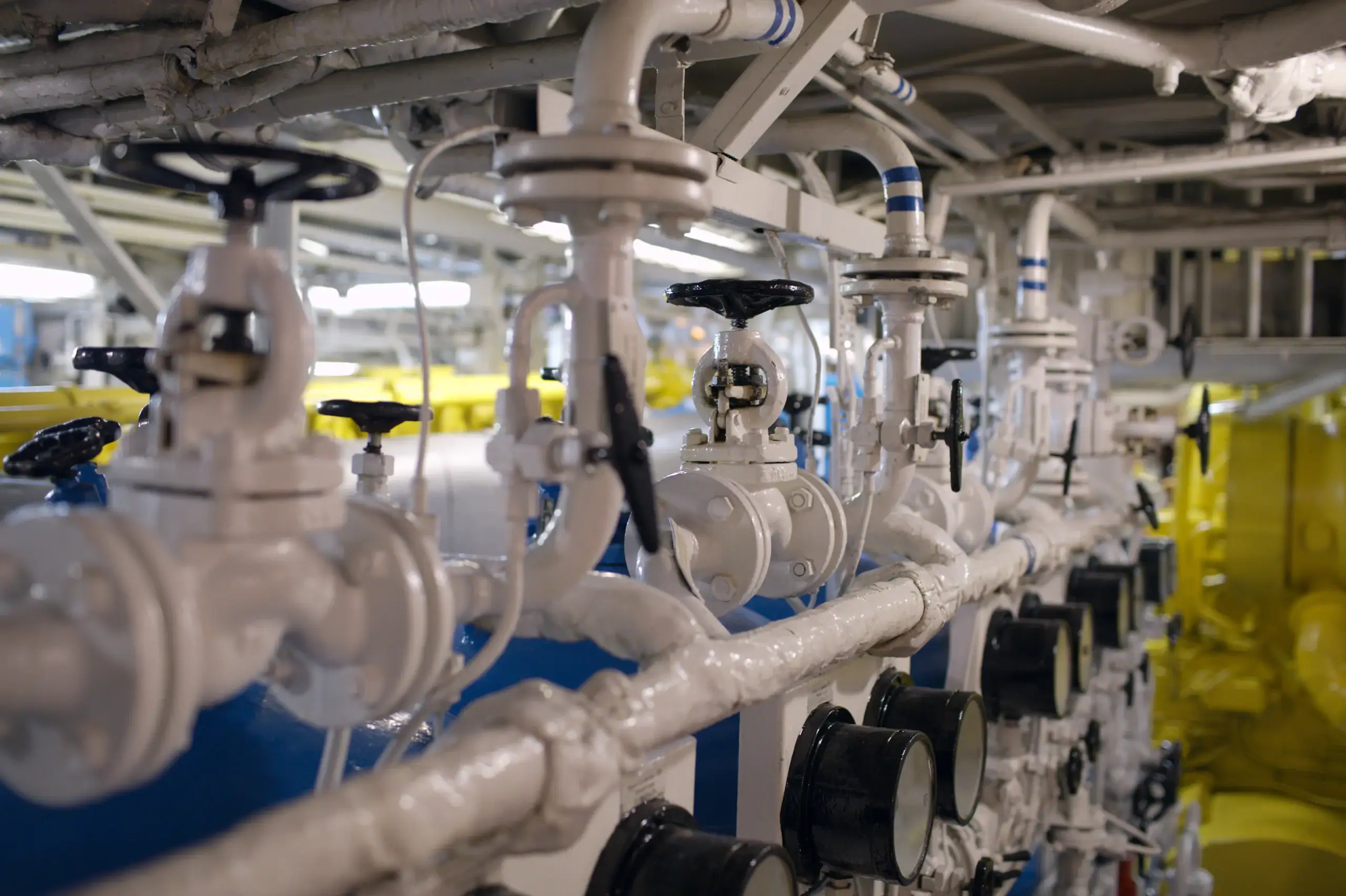
Marine refrigeration systems should be professionally serviced at least once per year, ideally before the start of boating season. The harsh marine environment—salt air, constant vibration, and temperature fluctuations—puts extra stress on components compared to land-based systems.
During annual service, we check refrigerant levels, clean condenser coils, inspect electrical connections, and test safety systems. We also examine mounting hardware that can loosen from boat movement and seals that deteriorate faster in marine conditions.
If you use your boat heavily or year-round, consider bi-annual service. Commercial vessels or boats in tropical climates may need even more frequent attention to maintain reliability.
Salt air corrosion is the biggest killer of marine AC systems. Salt particles settle on condenser coils, electrical connections, and metal components, causing premature failure if not properly maintained. This is why marine-specific equipment and regular cleaning are essential.
Electrical issues rank second, often caused by moisture intrusion or vibration loosening connections. Marine electrical systems face constant movement and humidity that land-based units never encounter. Poor installation that doesn’t account for boat movement frequently leads to early failures.
Inadequate ventilation also causes problems. Many boat owners underestimate the importance of proper airflow around marine HVAC equipment. Without adequate ventilation, systems overheat and components fail prematurely, especially during peak summer conditions.
While basic maintenance like cleaning filters can be DIY, marine refrigeration installation requires professional expertise. These systems involve refrigerant handling, electrical connections, and mounting considerations that are critical for safety and performance.
Marine installations must account for boat movement, proper drainage, ventilation requirements, and electrical load calculations. Improper installation can lead to system failure, electrical hazards, or even hull damage from vibration or water intrusion.
Most importantly, warranty coverage typically requires professional installation. The cost of professional installation is minimal compared to replacing a system that fails due to improper setup, especially when you factor in the inconvenience of breakdowns during your boating season.
Power consumption varies significantly based on system size, efficiency rating, and usage patterns. A typical marine refrigerator draws 3-6 amps when running, while air conditioning systems can draw 15-50 amps depending on BTU capacity and compressor type.
Modern variable-speed systems use less power than older fixed-speed units, making them ideal for boats with limited electrical capacity. Energy-efficient models can reduce power consumption by 30-40% compared to basic units, which matters when you’re running on battery power or limited generator capacity.
The key is proper sizing for your specific needs. An oversized system cycles on and off frequently, wasting power and reducing component life. We can calculate the right capacity based on your boat’s insulation, space size, and typical usage patterns.
Marine refrigeration systems are built to handle constant vibration, salt air exposure, and varying power conditions that would quickly destroy residential units. They use corrosion-resistant materials, reinforced mounting systems, and components designed for the harsh marine environment.
Power requirements differ significantly. Marine systems often run on 12V or 24V DC power, while residential units use 120V AC. Marine units also handle voltage fluctuations better, which is important when running on battery power or smaller generators with varying output.
Installation requirements are completely different. Marine units need secure mounting that prevents movement damage, proper drainage for condensation, and ventilation that works in confined spaces. They’re also designed to operate efficiently at angles when the boat is heeled over or in rough seas.
Replace your marine cooling system when repair costs exceed 50% of replacement cost, or when the system is over 10-12 years old with major component failures. Age matters more in marine environments because salt air accelerates wear on all components, not just the one that failed.
Consider replacement if you’re experiencing frequent breakdowns, even with repairs. Multiple failures often indicate that other components are near the end of their service life. It’s more cost-effective to replace the entire system than to keep fixing individual parts.
Energy efficiency improvements also justify replacement. New marine refrigeration systems use 30-50% less power than units from 10+ years ago. For boats with limited electrical capacity, the power savings alone can justify the upgrade cost over a few seasons of use.