Hear from Our Customers
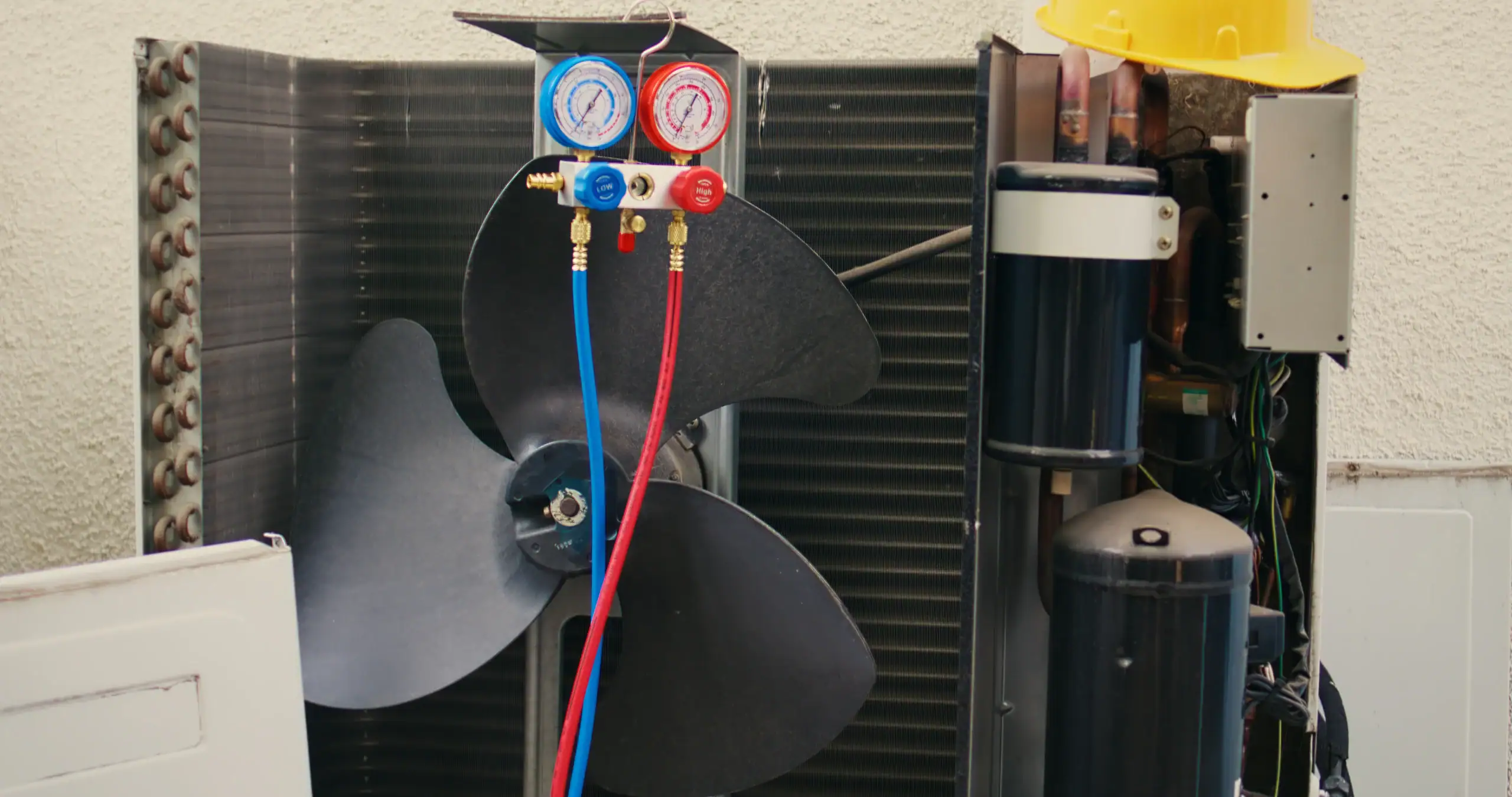
Your boat’s refrigeration faces challenges land-based systems never see. Salt air corrodes components. Limited electrical capacity strains standard equipment. Constant motion and humidity destroy typical installations within months.
You need marine-grade refrigeration designed for these conditions. Systems that maintain consistent temperatures whether you’re docked in Bellerose Terrace or anchored off Montauk. Equipment that draws minimal power from your boat’s electrical system while delivering reliable performance.
When your marine refrigeration works properly, you focus on what matters – enjoying time on the water instead of dealing with spoiled provisions and emergency repair calls during peak boating season.
We bring over 40 years of specialized marine refrigeration experience to Long Island boat owners. We’ve handled everything from small cabin refrigerators to complex yacht galley systems throughout Nassau and Suffolk County.
Britannia Yacht Club trusts us with their fleet. Individual boat owners from Montauk marinas to North Shore harbors rely on our expertise for reliable climate control systems that handle marine environments.
We understand boat electrical systems, proper ventilation requirements, and space-efficient installations. Our certified technicians work directly with you – no subcontractors, no surprises. Just marine refrigeration specialists who know the difference between standard HVAC work and the specialized requirements of marine applications.
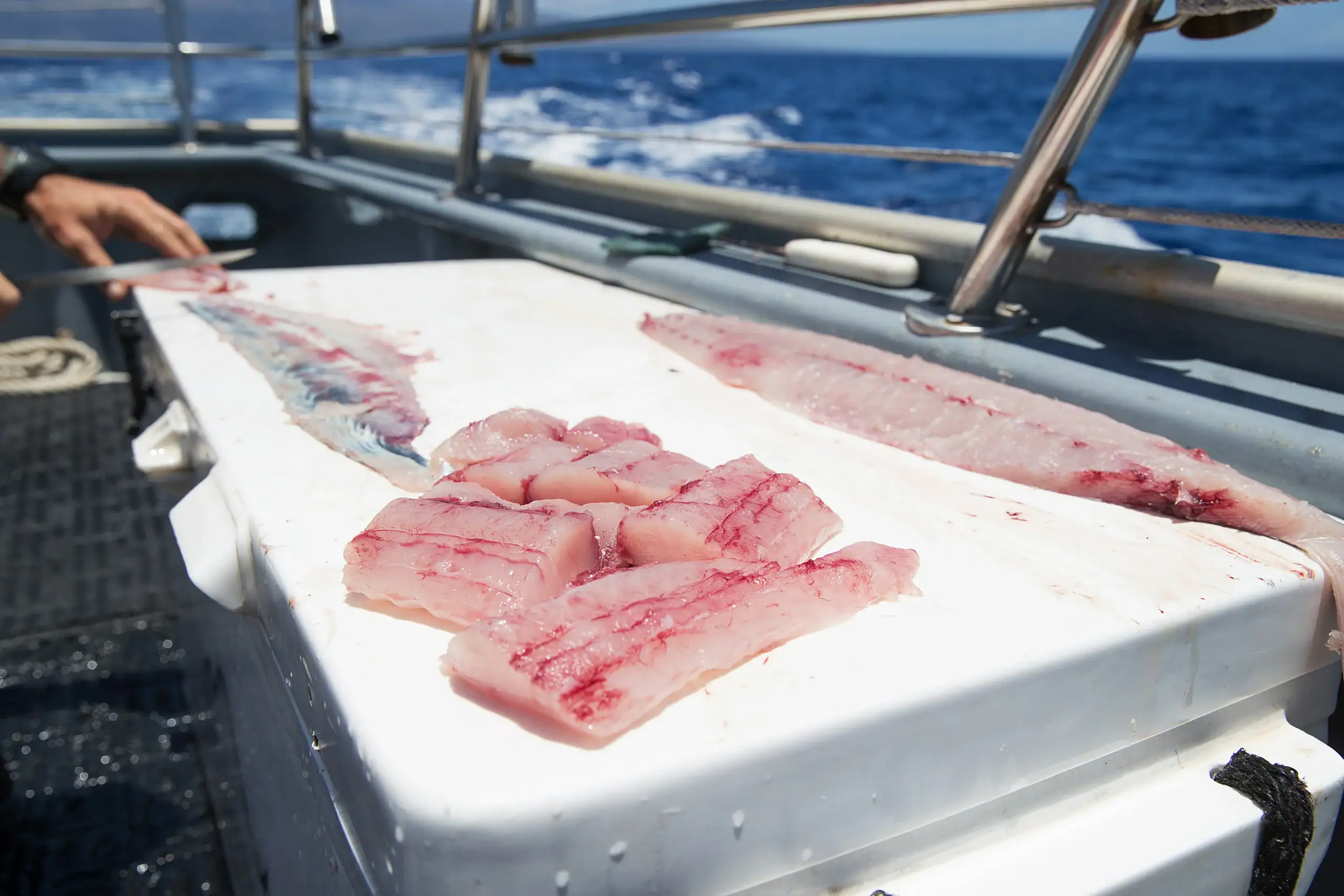
We start with a free consultation to assess your boat’s electrical capacity, available space, and cooling requirements. Every marine installation is different – cabin size, power limitations, and intended usage all affect system design.
Next, we recommend marine-grade components designed for saltwater environments. We use corrosion-resistant materials, proper drainage systems, and components rated for constant motion and humidity exposure.
Installation includes proper electrical connections that won’t overload your boat’s system, adequate ventilation for efficient operation, and secure mounting that handles rough water conditions. We test everything thoroughly before completing the job and provide clear instructions for optimal system operation and basic maintenance you can handle yourself.
Ready to get started?
Our marine refrigeration services cover installation, repair, and maintenance for all boat cooling systems. We handle cabin refrigerators, galley systems, fish box refrigeration, cockpit freezers, and integrated marine air conditioning units.
Long Island’s marine environment demands specialized attention. Salt air accelerates corrosion and dirt buildup that reduces efficiency and shortens equipment life. We provide more frequent maintenance schedules than land-based systems require, typically recommending quarterly service for high-use equipment.
Emergency service runs 24/7 because refrigeration failures don’t wait for convenient times. About 70% of our emergency calls get resolved on the first visit – our service trucks stay stocked with common marine refrigeration parts. When immediate repair isn’t possible, we provide temporary solutions to keep your systems operational while ordering specialized components.
Marine refrigeration faces unique challenges that destroy standard equipment quickly. Salt air causes rapid corrosion of metal components. Limited electrical capacity means systems must operate efficiently on 12V or 24V DC power. Constant motion affects refrigerant flow and component mounting.
Humidity levels on boats stay consistently high, causing ice buildup and efficiency problems in standard units. Space constraints require compact, specially designed components that still deliver adequate cooling capacity.
We use marine-grade materials like stainless steel components and corrosion-resistant coatings. Our installations include proper drainage systems to handle condensation, secure mounting for rough water conditions, and electrical connections designed for marine environments.
With proper maintenance, quality marine refrigeration equipment lasts 10-15 years minimum. However, Long Island’s marine environment is particularly harsh on refrigeration systems due to salt air, humidity, and temperature fluctuations.
The key is regular professional maintenance. We recommend quarterly service calls for high-use systems and bi-annual service for lighter-use equipment. This includes cleaning condenser coils, checking refrigerant levels, inspecting drainage systems, and testing electrical connections.
Boats that skip maintenance typically need major repairs within 5-7 years. Our maintenance customers routinely get 15+ years from their equipment because we catch small problems before they become expensive failures. The upfront cost of maintenance is minimal compared to replacing marine refrigeration systems prematurely.
Yes, we provide 24/7 emergency service year-round, with special attention during peak boating season when failures cost you valuable time on the water. Our emergency response prioritizes calls where refrigeration failures are causing immediate problems.
About 70% of our emergency calls get fixed on the first visit because our service trucks stay stocked with common marine refrigeration parts – compressors, thermostats, fan motors, and electrical components. When immediate repair isn’t possible, we provide temporary solutions to keep your systems running while we order specialized parts.
During busy summer months, we maintain extra technicians on call specifically for marine refrigeration emergencies. When you call our emergency line, you speak directly with a technician who can walk you through immediate troubleshooting steps while we’re driving to your location.
Absolutely. We specialize in both marine refrigeration and marine air conditioning systems. Many boats require integrated solutions that handle both food storage and cabin climate control efficiently.
Marine AC systems face the same challenges as refrigeration – salt air corrosion, limited electrical capacity, and space constraints. We design systems that work together efficiently, sharing electrical loads and using compatible components when possible.
Our technicians understand the relationship between refrigeration and air conditioning systems on boats. We can troubleshoot problems that affect both systems and recommend upgrades that improve overall efficiency. Whether you need separate systems or integrated solutions, we handle complete marine climate control installations.
We service all major marine refrigeration brands including Seafrost, Frigoboat, Grunert, Vitrifrigo, Norcold, and Tundra. Our technicians receive factory training on most marine refrigeration systems and stay current with new technology and service procedures.
We stock refrigerants and specialized tools needed for thorough marine refrigeration repairs. Many marine refrigeration systems use R134a refrigerant and require specific charging procedures different from land-based equipment.
For older systems or discontinued brands, we can often retrofit modern components that improve efficiency and reliability. We also provide honest assessments when repair costs exceed replacement value, helping you make informed decisions about upgrading to newer, more efficient marine refrigeration technology.
Marine refrigeration power consumption varies significantly based on system size, insulation quality, and usage patterns. Typical cabin refrigerators draw 3-6 amps on 12V systems, while larger galley systems may require 8-12 amps during compressor operation.
We design systems to minimize power consumption through proper sizing, quality insulation, and efficient components. Well-designed marine refrigeration systems cycle on and off based on temperature, not running continuously.
Your boat’s electrical capacity determines system options. We assess available power, battery capacity, and charging systems before recommending equipment. Sometimes upgrading electrical systems provides better long-term value than installing undersized refrigeration that struggles to maintain temperature. We provide honest assessments of your boat’s power limitations and recommend solutions that work within those constraints.