Hear from Our Customers
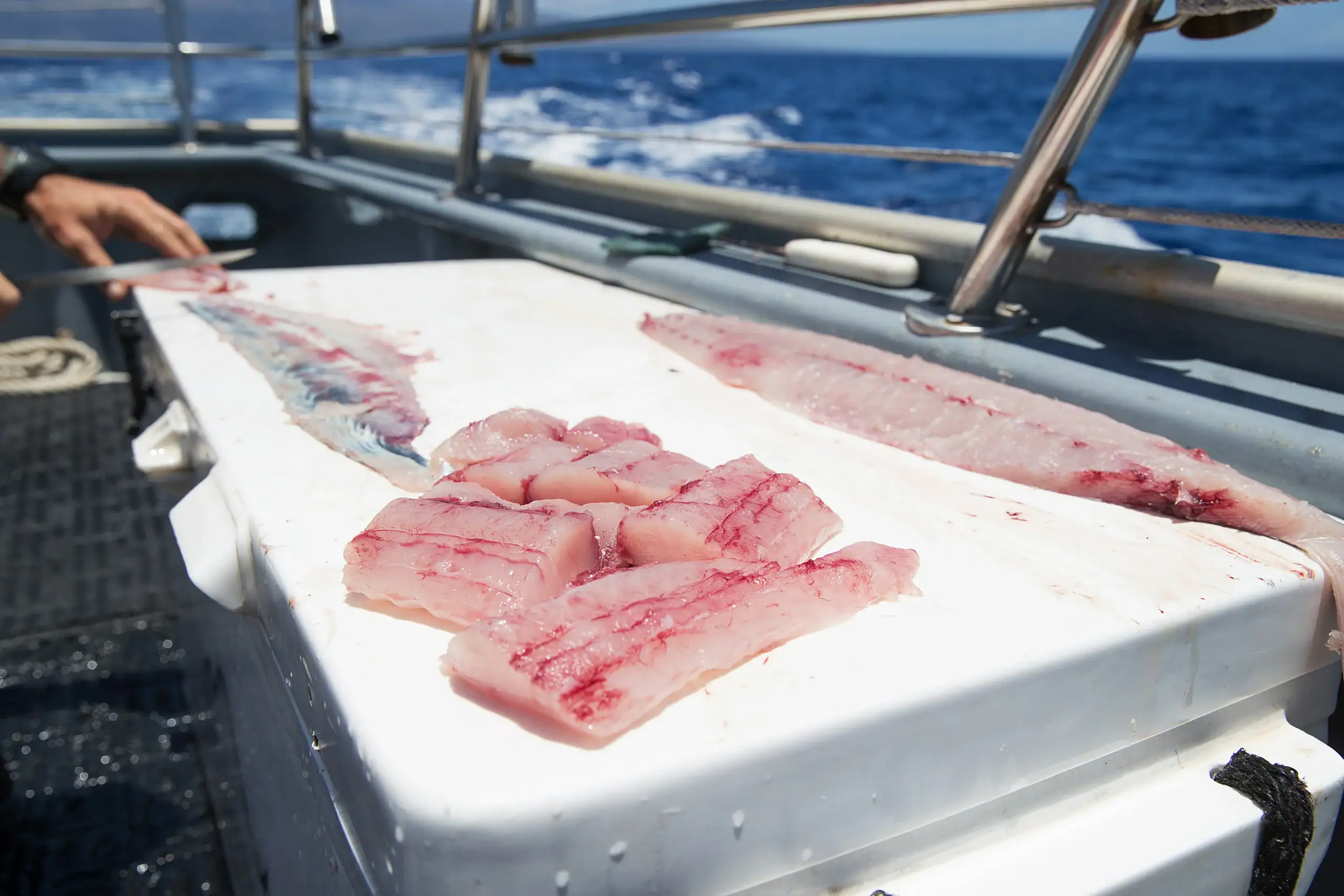
Your food stays fresh for the entire trip, not just the first day. Your beverages stay cold without draining your batteries dead by sunset. Your crew stays comfortable below deck even when it’s 90 degrees topside.
You stop worrying about system failures during expensive fishing charters or family vacations. Instead of constantly checking temperatures and power consumption, you focus on what you came out here to do.
When problems do arise, you have a number to call that someone actually answers—specialists who carry marine-specific parts and understand that boat refrigeration isn’t the same as fixing a household appliance.
We’ve been solving marine refrigeration challenges across Long Island since before most contractors knew boats needed different cooling systems than buildings. We understand Greenport West’s boating community because we’ve been part of it for four decades.
We’ve worked on everything from weekend fishing boats docked at Stirling Harbor Marina to luxury yachts at Safe Harbor Greenport. The saltwater environment that destroys standard HVAC equipment doesn’t faze us—we design our installations to handle it.
Local boat owners know they can reach us 24/7, whether it’s an emergency repair during Montauk Point fishing season or routine maintenance before launching in spring. We’re not just another contractor who happens to work on boats—marine HVAC is what we specialize in.
We start by understanding your specific vessel and cooling needs. Every boat is different—a 30-foot center console has completely different requirements than a 60-foot sportfisher, and we size systems accordingly rather than using one-size-fits-all approaches.
Our assessment covers your electrical system capacity, available space, usage patterns, and the specific challenges your vessel faces. We then design a system using marine-grade components that can handle saltwater exposure, constant motion, and limited power availability.
Installation involves proper mounting, weatherproofing, and integration with your boat’s electrical system. We test everything thoroughly before considering the job complete, ensuring your system operates efficiently and reliably from day one. You get detailed operating instructions and our direct contact information for any future needs.
Ready to get started?
Our marine refrigeration service includes emergency repairs, new installations, routine maintenance, and system upgrades. We handle everything from simple reach-in coolers to complex chilled water systems for larger vessels.
Greenport West’s marine environment creates unique challenges that inland contractors don’t understand. The salt air that makes boating here so appealing also corrodes standard equipment rapidly. We use marine-specific components and protective measures designed for Long Island Sound conditions.
Our service area covers all the local marinas—from Mitchell Park Marina in downtown Greenport to the yacht clubs along the North Fork. We maintain relationships with local marine suppliers and carry extensive parts inventory specifically for boat refrigeration systems. When you need service, we respond quickly with the right parts and expertise to get your system running properly.
Marine refrigeration systems draw significant power because they’re fighting multiple challenges simultaneously. Your system works harder in the marine environment due to constant motion, temperature fluctuations, and often inadequate insulation in boat applications.
Most power consumption problems stem from systems that aren’t properly sized for marine use or components that aren’t designed for DC operation. Standard residential refrigeration components are inefficient when adapted for boat use. We install systems specifically engineered for marine applications, using variable-speed compressors and optimized controls that dramatically reduce power consumption.
Poor insulation also forces your system to run constantly. We assess and upgrade insulation as needed, ensuring your cooling system only runs when necessary rather than fighting heat infiltration all day long.
Marine HVAC systems need professional service at least twice per year—once before launching season and once before winter storage. The harsh marine environment accelerates wear compared to land-based systems, making regular maintenance critical for reliable operation.
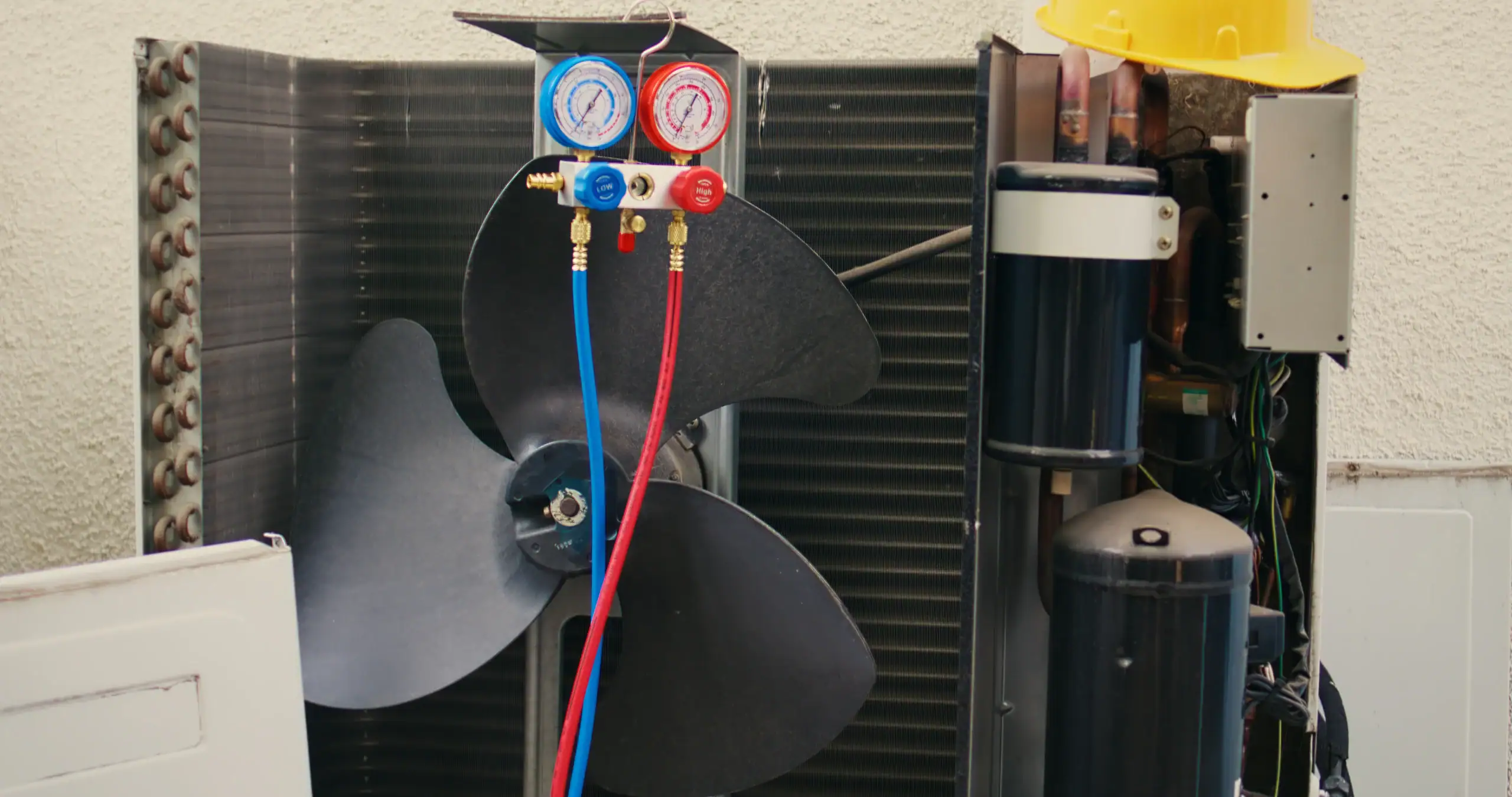
Spring service includes checking refrigerant levels, cleaning condenser coils of salt buildup, inspecting electrical connections for corrosion, and testing all safety systems. Fall service focuses on proper winterization to prevent freeze damage and corrosion during storage months.
High-use vessels or boats in particularly harsh conditions may benefit from additional mid-season inspections. We also recommend immediate service if you notice reduced cooling capacity, unusual noises, or higher than normal power consumption—these often indicate problems that worsen quickly in marine environments.
Marine refrigeration faces challenges that land-based systems never encounter. Constant motion affects refrigerant flow and component mounting. Saltwater exposure corrodes standard materials rapidly. Limited electrical capacity requires systems designed for efficient DC operation rather than unlimited AC power.
Space constraints mean components must be compact while still providing adequate cooling capacity. Vibration from engines and wave action can loosen connections and damage standard equipment over time. Marine systems also need to operate reliably when far from service, unlike building systems where help is always nearby.
We use marine-specific components, specialized mounting techniques, and corrosion-resistant materials designed for these conditions. Our installations include proper vibration dampening, weatherproof connections, and redundant safety systems that standard HVAC contractors typically don’t provide.
Yes, we service marine refrigeration systems from all major manufacturers including Cruisair, Marine Air, Frigomar, Mabru, and others. Our technicians carry diagnostic equipment and common parts for most marine HVAC brands, allowing us to complete many repairs on the first visit.
Our 40+ years of marine experience means we’ve worked on virtually every system type used in recreational and commercial vessels. We maintain relationships with parts suppliers for both current and discontinued marine refrigeration equipment, often finding solutions when other contractors claim parts are unavailable.
For older or unusual systems, we can often fabricate custom solutions or recommend modern replacements that provide better efficiency and reliability. Our goal is getting your system working properly, regardless of who originally installed it or how old the equipment might be.
First, check your electrical connections and ensure adequate battery voltage—many apparent system failures are actually power supply issues. Verify that seawater intake isn’t blocked if you have a water-cooled system, and check that condenser airflow isn’t restricted by debris or equipment.
If basic troubleshooting doesn’t restore operation, contact us immediately. We provide phone consultation to help diagnose problems remotely and can often guide you through temporary fixes to preserve your food until professional service is available.
For serious failures requiring parts or hands-on repair, we coordinate with local marine services or can arrange to meet you at the nearest suitable marina. Our emergency response includes having parts shipped to your location when possible, minimizing trip disruption and preventing total food loss.
Systems over 15 years old that require frequent repairs often cost more to maintain than replace. If your system can’t maintain proper temperatures despite professional service, uses excessive power, or has major component failures like compressor replacement, replacement usually makes more financial sense.
Newer, more efficient marine refrigeration systems use significantly less power while providing better cooling performance. If your current system forces you to run generators constantly or limits your anchoring time due to battery drain, upgrading to modern equipment pays for itself through reduced operating costs.
We provide honest assessments of repair versus replacement costs, including long-term operating expenses. Sometimes a system that seems expensive to replace actually saves money within two seasons through improved efficiency and reduced maintenance requirements.