Hear from Our Customers
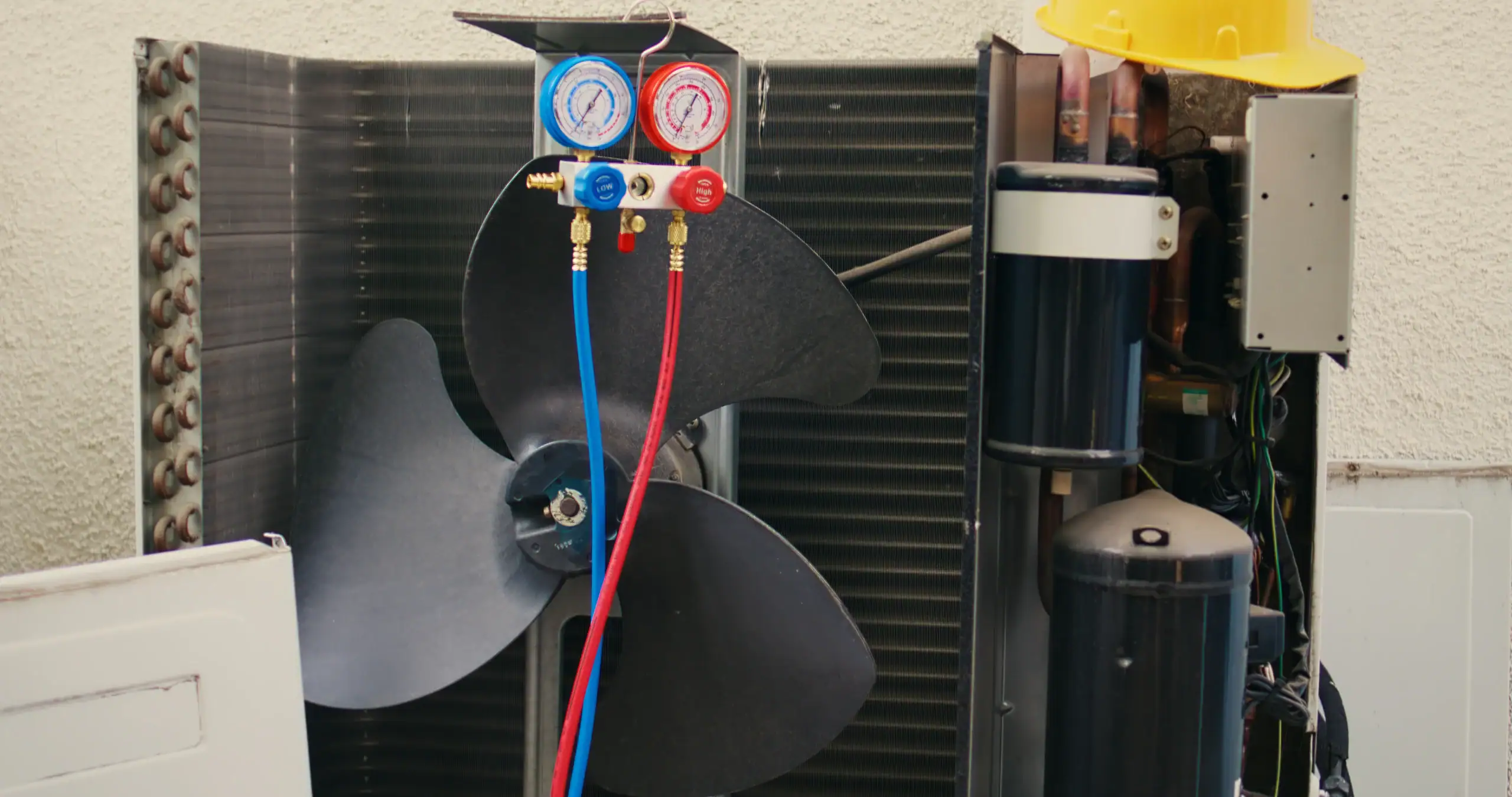
Your boat should be your escape, not your headache. When your marine refrigeration works right, you’re not dealing with warm drinks, spoiled food, or that sinking feeling when the system quits mid-trip.
You get reliable cooling that holds temperature even in rough seas. Your food stays fresh for extended cruises. Your air conditioning keeps the cabin comfortable during those hot Long Island summers.
Most importantly, you stop worrying about whether your cooling system will fail when you’re miles from shore. That peace of mind changes everything about how you use your boat.
Chill Xpert Solutions has been solving marine refrigeration challenges in the Greater New York area for over 40 years. We serve boat owners throughout Laurel Hollow and Long Island who need cooling systems that actually work when they’re needed most.
What sets us apart is our deep understanding of marine environments. Saltwater, humidity, vibration, and space constraints create unique challenges that standard HVAC technicians simply don’t encounter. We specialize in these exact problems.
We’ve earned dozens of five-star reviews by being straight with customers about what needs fixing and what doesn’t. We offer 24/7 consulting and free estimates because we know marine emergencies don’t wait for business hours.
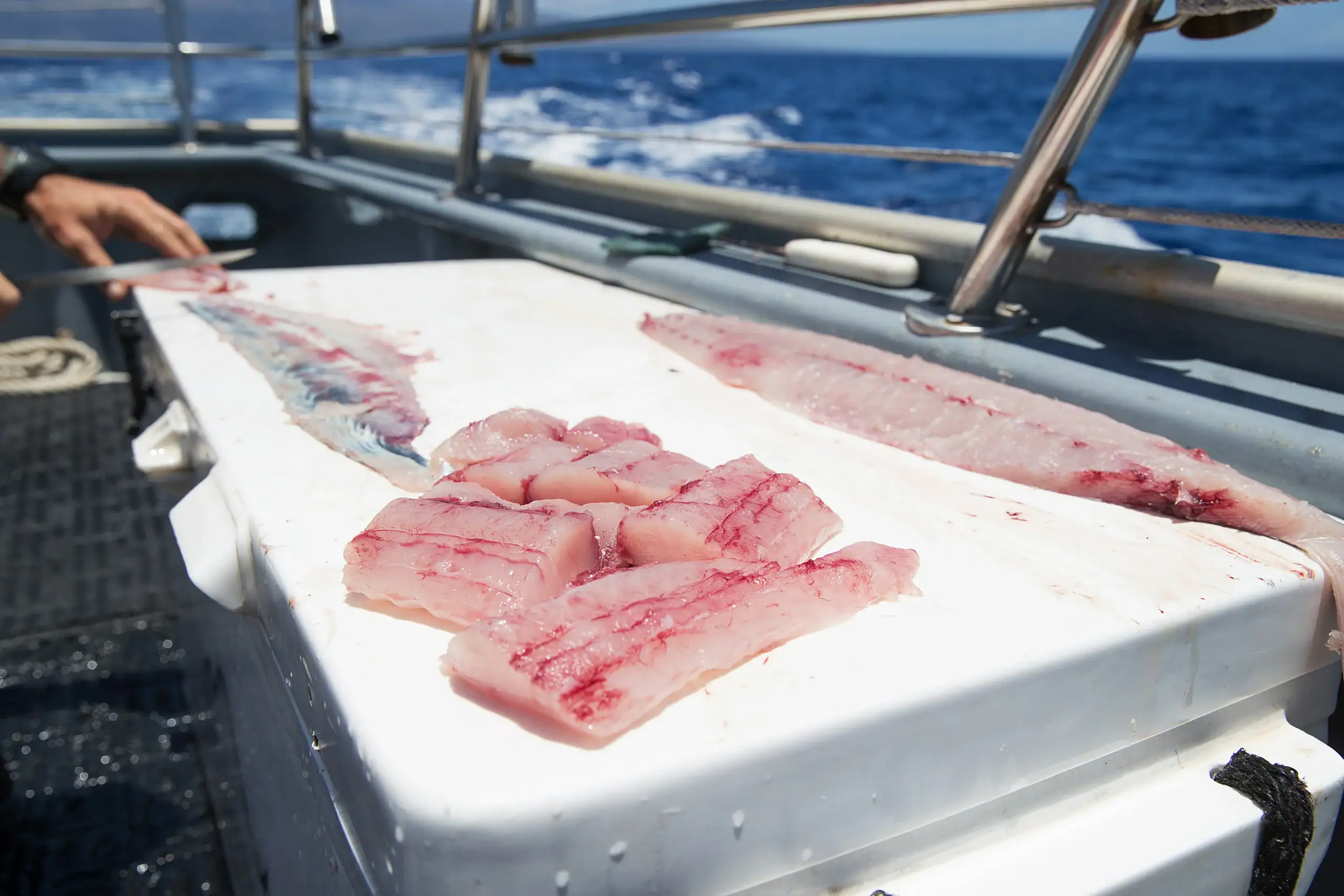
First, we assess your current system and your actual cooling needs. Not every boat needs the same solution, and we don’t pretend otherwise. We’ll look at your vessel size, typical usage patterns, and any space constraints.
Next, we provide a clear estimate with no hidden fees. You’ll know exactly what the work involves and what it costs before we start. If it’s an emergency repair, we can often provide temporary solutions while sourcing the right parts.
The installation or repair happens on your schedule. Our technicians work efficiently and clean up after themselves because we respect your investment in your vessel. After completion, we test everything thoroughly and show you how to maintain optimal performance.
Ready to get started?
We handle every aspect of marine refrigeration and air conditioning. This includes new system installations, emergency repairs, routine maintenance, and custom cooling solutions for unique vessel configurations.
Laurel Hollow’s marine environment presents specific challenges. The high humidity and salt air can accelerate wear on cooling components. Temperature swings between seasons stress seals and connections. We understand these local conditions and spec equipment accordingly.
Our service covers everything from basic refrigerator repairs to complex multi-zone climate control systems. We work on pleasure craft, commercial vessels, and everything in between. When standard solutions don’t fit, we design custom systems that do.
Marine refrigeration systems typically last 10-15 years with proper maintenance, though this varies significantly based on usage and environmental conditions. Systems that run continuously in harsh saltwater environments may need major components replaced sooner.
The key factors affecting lifespan include how often you use your boat, whether the system is properly sized for your needs, and how well it’s maintained. Regular cleaning of coils and checking refrigerant levels can extend system life considerably.
Quality matters more than age in marine applications. A well-built system that’s properly maintained will outlast a cheaper unit every time, especially when dealing with the vibration and humidity that boats experience.
Marine refrigeration faces challenges that land-based systems never encounter. Constant vibration, salt air corrosion, limited space, and unstable power sources all create unique problems that require specialized solutions.
Marine systems must handle significant temperature swings and maintain cooling efficiency even when the boat is rocking. The electrical systems are often 12V or 24V DC rather than standard household AC power, requiring different components and wiring approaches.
Space constraints mean marine refrigeration units are often custom-fitted to unusual shapes and sizes. The installation must also account for proper drainage and ventilation in tight quarters where standard clearances aren’t possible.
Marine air conditioning repair costs vary widely depending on the specific problem and system type. Simple repairs like replacing a thermostat might cost a few hundred dollars, while compressor replacement can run several thousand.
The location of your boat affects pricing too. Systems that are difficult to access or require special equipment to reach will cost more to service. Emergency repairs during peak boating season typically carry premium pricing.
Getting a proper diagnosis before authorizing work is crucial. Many marine AC problems have multiple possible causes, and replacing the wrong component first just adds to your total cost. A good technician will identify the root cause before recommending solutions.
Yes, most older boats can be retrofitted with air conditioning, though the complexity varies significantly based on available space, electrical capacity, and structural considerations. The key is designing a system that fits your specific vessel and usage patterns.
Older boats often require electrical system upgrades to handle the power demands of marine air conditioning. This might mean installing a larger alternator, additional batteries, or upgrading the shore power connection. These costs should be factored into the total project budget.
Space planning is critical for retrofits. The condensing unit, evaporator, and ductwork all need proper placement for efficient operation. Sometimes creative solutions are needed to make everything fit while maintaining access for future maintenance.
Marine refrigeration systems should be professionally serviced at least once per year, ideally before the start of each boating season. Boats used frequently or in harsh conditions may benefit from more frequent service intervals.
Annual service typically includes cleaning condenser coils, checking refrigerant levels, testing electrical connections, and inspecting seals and gaskets. These preventive measures catch small problems before they become expensive failures during your boating season.
If you store your boat seasonally, proper winterization of the cooling system is essential. This prevents freeze damage and ensures the system starts reliably when you’re ready to use your boat again. Skipping this step often leads to costly spring repairs.
First, check the obvious things: circuit breakers, power connections, and thermostat settings. Sometimes the problem is simpler than it appears. If the unit has power but isn’t cooling, avoid the temptation to keep adjusting controls or restarting the system repeatedly.
Document what happened when the system failed. Was it gradual loss of cooling or sudden failure? Any unusual sounds or smells? This information helps technicians diagnose the problem more quickly, which can save you money on service calls.
For emergency situations, you can temporarily preserve food with ice while arranging repairs. However, don’t delay getting professional help, especially if you suspect refrigerant leaks or electrical problems. These issues typically get worse, not better, with time.