Hear from Our Customers
Your boat refrigeration isn’t like the fridge in your kitchen. It runs on limited battery power, fights constant humidity, and takes a beating from motion and saltwater. When it’s working right, you don’t think about it—your provisions stay cold, your batteries aren’t drained, and you can focus on why you’re out there in the first place.
When it’s not working, everything changes. Food spoils. Ice melts. Your compressor runs nonstop trying to catch up, killing your batteries in the process. You’re stuck troubleshooting instead of fishing or relaxing with family.
The difference comes down to proper installation, regular maintenance, and having access to someone who understands marine systems. Not someone who works on home appliances and hopes for the best. Boat HVAC and marine refrigeration require different thinking—about power consumption, insulation, component selection, and how saltwater affects everything over time.
We’ve been handling marine refrigeration and boat air conditioning in the Moriches area for over four decades. We work with boat owners throughout Moriches Bay—from the marinas near Moriches Inlet to vessels docked along the canal systems that connect to the Atlantic.
What sets us apart is genuine specialization. While many HVAC companies dabble in marine work, we’ve built our reputation specifically on marine and commercial refrigeration systems. We understand the unique demands of cooling systems on boats—the power constraints, the environmental factors, the need for reliability when you’re miles from shore. We also offer 24/7 emergency consulting, because cooling failures don’t wait for business hours.
The Moriches boating community knows us for honest communication, transparent pricing, and showing up when we say we will. That matters when you’re trying to get back on the water.
It starts with understanding what’s failing and why. Marine refrigeration issues often have multiple contributing factors—a weak compressor might actually be struggling because of poor insulation, bad door seals, or voltage problems from aging batteries. Fixing just one piece without addressing the whole system means you’re back to square one in a few weeks.
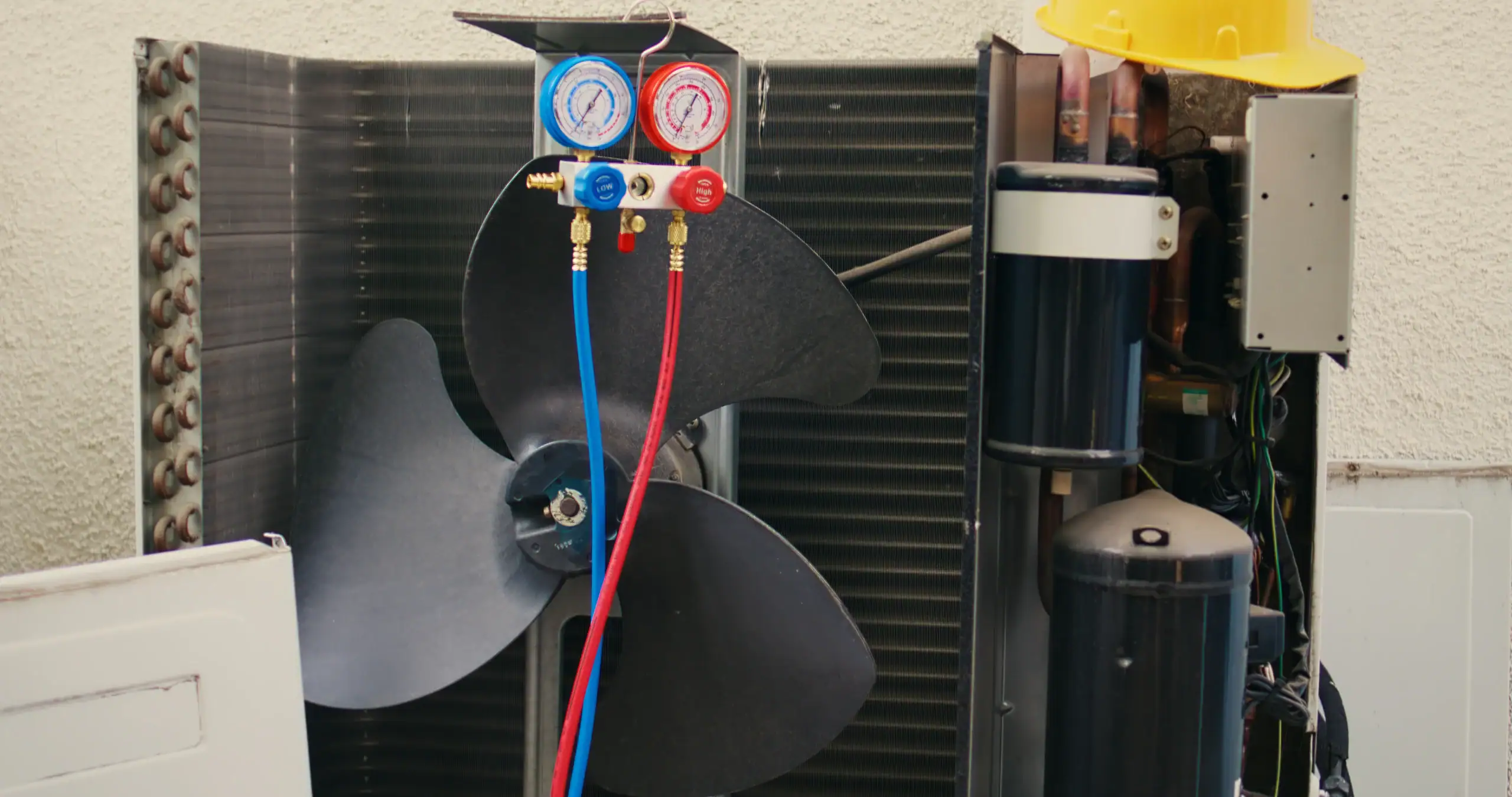
The diagnostic process looks at your entire cooling system. Power supply and voltage stability. Insulation quality and door seal integrity. Compressor performance and refrigerant levels. Condenser function and airflow. It’s not about swapping parts until something works—it’s about identifying the actual problem.
Once the issue is clear, you get a straight answer about what needs to happen. Sometimes it’s a repair. Sometimes it’s a component replacement. Sometimes it’s a system upgrade because what you have was never sized correctly for your vessel. You’ll know the options, the costs, and what makes sense for how you actually use your boat.
The work itself happens at your marina or dock whenever possible. Marine refrigeration systems are built into your vessel, so mobile service makes more sense than trying to haul equipment around. After the repair or installation, we test the system under real conditions to make sure it’s actually holding temperature and not draining your batteries.
Ready to get started?
Marine refrigeration services cover the full spectrum—from emergency repairs when your system quits, to preventive maintenance that catches problems early, to complete installations when you’re upgrading or replacing old equipment.
For boat owners in Moriches, this means having access to someone who can handle the specific challenges of cooling systems on the water. The saltwater environment here accelerates wear on components. Humidity levels in Moriches Bay create condensation issues that don’t exist in residential systems. Your boat’s electrical system has limits that require efficient, properly sized equipment.
Emergency repair service addresses the urgent failures—compressor breakdowns, refrigerant leaks, electrical issues that shut your system down completely. Preventive maintenance includes cleaning condenser coils, checking door seals and insulation, testing electrical connections, and verifying refrigerant levels before problems become failures.
Installation and upgrade work focuses on matching the right system to your vessel and how you use it. A boat that stays docked most weekends has different needs than one making extended offshore trips. Power availability, storage requirements, and space constraints all factor into what makes sense. The goal is a system that works efficiently without constant attention—so you can focus on being out on Moriches Bay instead of babysitting your refrigeration.
This is one of the most common marine refrigeration problems, and it usually comes down to a few specific issues. Poor insulation is often the culprit—if your insulation has broken down from moisture intrusion, cold air escapes and warm air infiltrates constantly. Your compressor runs nonstop trying to compensate, which drains your batteries and still doesn’t achieve proper temperature.
Door seals are another frequent cause. When gaskets wear out or don’t close properly, you’re essentially leaving your refrigerator door cracked open. Test this by closing your fridge door on a dollar bill—if you can pull it out easily, your seal isn’t working. Voltage problems can also cause this issue. Marine compressors are sensitive to low or fluctuating voltage. If your batteries aren’t holding a charge properly, your compressor can’t operate efficiently even though it’s running constantly.
Sometimes the system is simply undersized for your actual cooling load. If someone installed equipment that was too small for your boat’s needs, it’ll never catch up no matter how long it runs. A proper diagnostic looks at all these factors together to find the real problem, not just the obvious symptom.
Repair costs vary significantly based on what’s actually wrong with your system. A simple fix like replacing door seals or cleaning condenser coils might run a few hundred dollars. Refrigerant recharge with leak repair typically falls in the $400-$800 range depending on the system size and where the leak is located. Major component replacement—like a failed compressor or condenser—can run $800-$1,500 or more, depending on the equipment.
The honest answer is that you need a diagnostic first. Marine refrigeration issues often present similar symptoms with very different causes. What looks like a compressor failure might actually be an electrical problem or a refrigerant issue. Getting a free estimate after a proper diagnostic means you know exactly what you’re paying for and why.
Location matters too. Service in the Moriches area includes mobile calls to marinas and docks, which is more convenient than hauling equipment around but does factor into pricing. The key is finding someone who gives you transparent pricing upfront, explains what needs to happen, and doesn’t push unnecessary work. You should know what the problem is, what it’ll cost to fix, and what happens if you don’t address it.
Marine refrigeration systems face challenges that residential units never encounter. Power is the biggest difference—your boat runs on battery power with limited capacity, so every amp matters. Marine systems use DC compressors specifically designed for efficiency, unlike household refrigerators that run on unlimited AC power with less efficient components.
The environment is completely different too. Constant motion, high humidity, saltwater exposure, and temperature fluctuations put stress on marine systems that residential equipment isn’t built to handle. Insulation needs to be better. Components need to be more robust. Everything needs to be secured against movement and protected from corrosion.
System sizing works differently as well. On a boat, you can’t just install the biggest unit and call it done—oversized systems short-cycle and fail prematurely, while undersized systems run constantly without achieving temperature. Proper marine refrigeration requires matching the equipment to your specific vessel, considering factors like insulation quality, space constraints, power availability, and how you actually use your boat. That’s why residential HVAC techs often struggle with marine systems—the knowledge base is fundamentally different.
Preventive maintenance should happen at least once a year, ideally before the main boating season starts. For boats that see heavy use or stay in the water year-round, twice-yearly service makes more sense. The saltwater environment in Moriches Bay accelerates wear on components, and catching small issues early prevents expensive failures later.
Annual maintenance typically includes cleaning condenser coils (which get clogged with salt and debris), inspecting door seals and gaskets, checking insulation integrity, testing electrical connections, verifying refrigerant levels, and confirming your compressor is operating efficiently. This kind of service identifies problems before they strand you with warm beer and spoiled food mid-trip.
Between professional service, you should keep an eye on a few things yourself. Check that door seals close properly. Make sure condenser coils aren’t blocked. Watch for frost buildup, which indicates air leaks or humidity issues. Pay attention to how long your compressor runs—if it’s cycling more frequently than usual, something’s changing. If you notice your batteries draining faster, your refrigeration system might be working harder than it should. Addressing these signs early means smaller repairs instead of major replacements.
Installation and system upgrades are a significant part of what we handle. Sometimes your existing system is beyond economical repair, or you’re upgrading to more efficient equipment, or you’re adding refrigeration to a boat that didn’t have it. New installations require understanding your specific vessel, how you use it, and what kind of cooling capacity you actually need.
The process starts with evaluating your boat’s setup—available space, power supply, insulation quality, and your actual usage patterns. A boat that makes weekend trips to local fishing spots has different needs than one making extended offshore runs. Storage requirements matter too—are you trying to keep drinks cold for a day, or preserve provisions for a week?
From there, it’s about selecting the right components and sizing them correctly. Compressor choice, evaporator size, condenser type, and control systems all need to match your vessel and conditions. Installation includes proper mounting, electrical connections, insulation work, and testing under real operating conditions. The goal is a system that works efficiently, doesn’t drain your batteries, and requires minimal attention once it’s running. You shouldn’t have to think about your marine refrigeration—it should just work when you need it.
Yes—we provide 24/7 emergency consulting for urgent cooling system failures. When your marine refrigeration quits and you’ve got a boat full of provisions at risk, or your boat AC fails during a heat wave, waiting until Monday isn’t an option. Emergency service means getting someone who can diagnose the problem and determine what needs to happen right away versus what can wait.
Not every cooling failure requires an immediate middle-of-the-night repair, but you need to know the difference. Sometimes it’s a simple fix you can handle with guidance over the phone. Sometimes it requires parts that need to be ordered. Sometimes it’s a critical failure that needs immediate attention to prevent further damage or safety issues. Emergency consulting helps you understand what you’re dealing with and what your options are.
For boat owners in the Moriches area, having access to after-hours support matters. Cooling problems often show up when you’re actively using your boat—not during business hours when it’s convenient. Whether you’re docked at one of the Moriches Bay marinas or out on the water, knowing you can reach someone with actual marine refrigeration expertise provides peace of mind. The focus is on getting you accurate information quickly so you can make the right decision about what happens next.