Hear from Our Customers
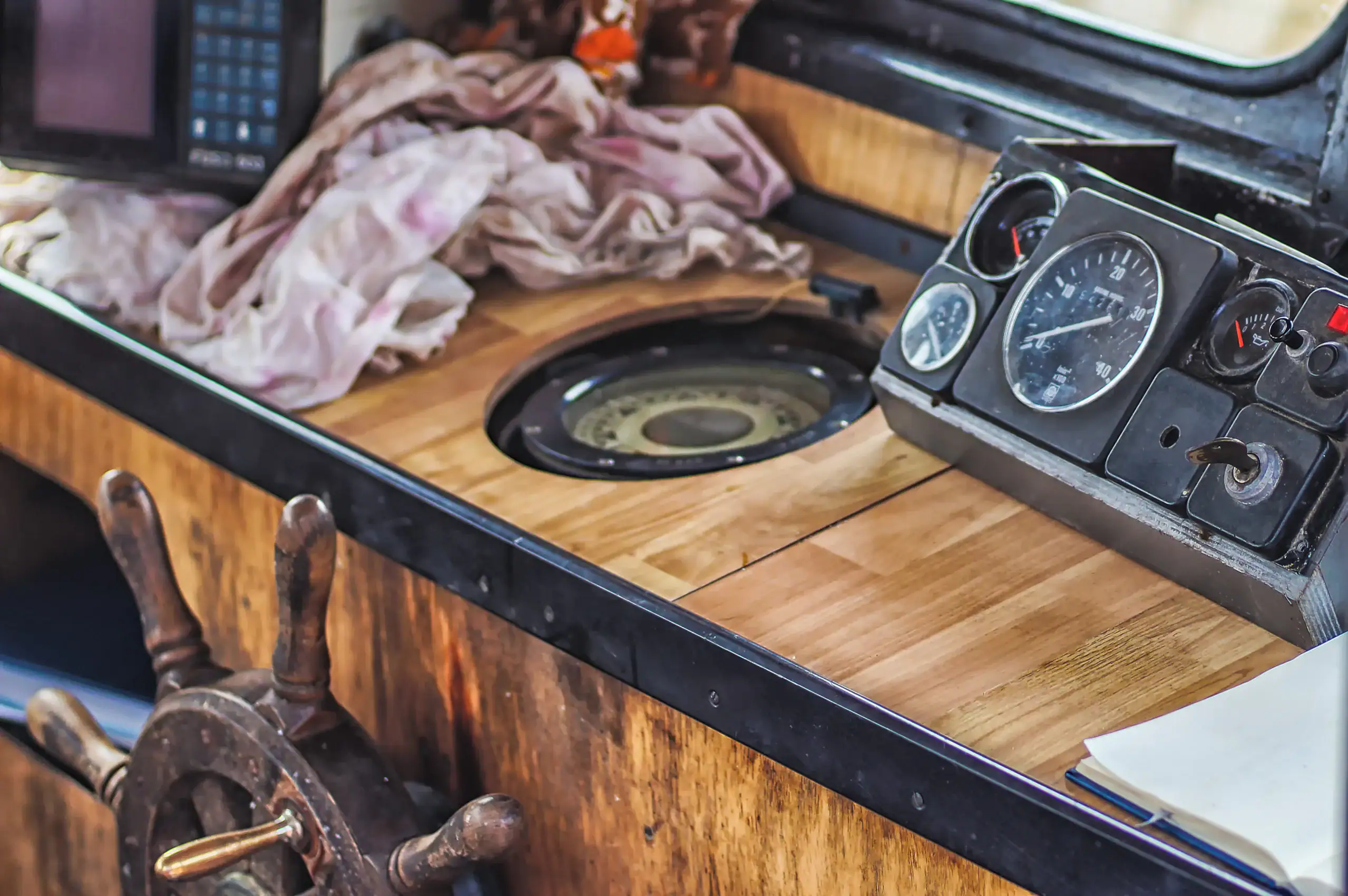
Your boat refrigeration system faces challenges no home fridge ever will. Salt air corrodes standard components. Constant motion stresses connections. Limited battery power means every amp counts.
Most marine refrigeration companies install systems that work until they don’t. We design boat refrigeration that handles Roslyn Harbor’s marine environment from day one. Marine-grade components. Proper insulation. Power-efficient compressors that won’t drain your batteries during weekend trips.
When your system works right, you stop thinking about it. Food stays fresh. Beer stays cold. Batteries last longer. That’s what reliable marine refrigeration looks like.
We’ve served Roslyn Harbor’s boating community for over 40 years. We understand Long Island’s marine environment because we’ve been working in it since before most competitors existed.
Britannia Yacht Club trusts us with their fleet. Individual boat owners from Roslyn Harbor to Montauk rely on us when their marine refrigeration fails. We’ve earned dozens of five-star reviews by showing up when we say we will and fixing problems the first time.
The North Shore’s saltwater environment destroys standard refrigeration components. We use marine-grade parts designed for these conditions and understand boat electrical systems, proper ventilation, and space-efficient installations that actually work.
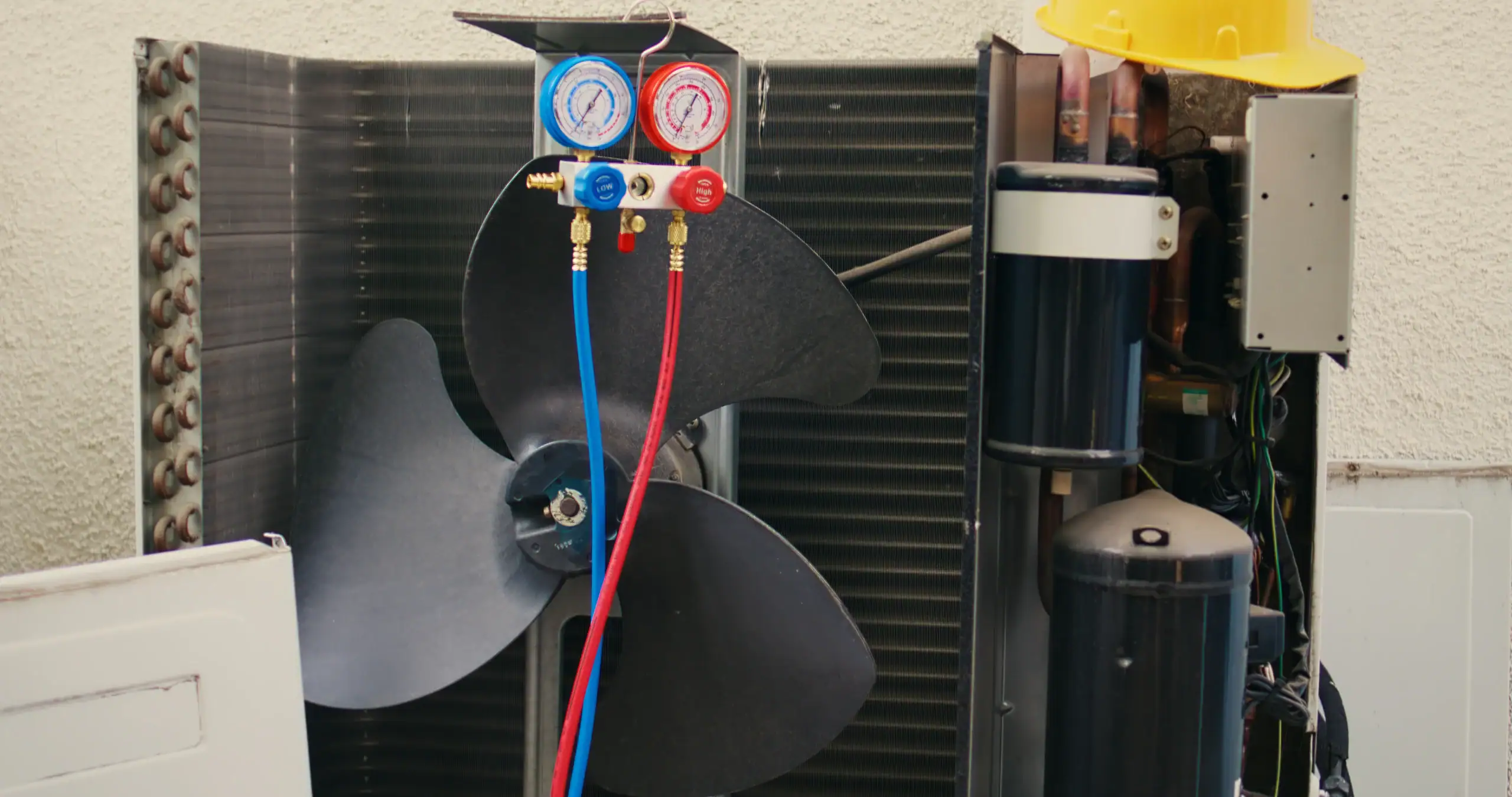
First, we diagnose the real problem. Most marine refrigeration issues aren’t complicated – dirty coils, worn door seals, and refrigerant leaks account for 80% of service calls. The difference is we fix the root cause, not just the symptom.
Our trucks carry parts for every major brand because waiting three days for a compressor part isn’t an option when you’re losing money every hour your system is down. About 70% of emergency calls get fixed on the spot. The rest get temporary solutions to keep you running while we order specialized parts.
When we install new systems, every job starts with understanding how you actually use your boat. A weekend cruiser needs different cooling capacity than a liveaboard, even if they’re the same size vessel. We size systems properly and install them to last.
Ready to get started?
Every marine refrigeration service includes cleaning condenser coils, checking refrigerant levels, testing thermostats, inspecting door seals, and calibrating temperature controls. We also check your boat’s electrical system because voltage drops below required thresholds cause most system failures.
Roslyn Harbor’s marine environment demands specialized attention. Salt air accelerates corrosion. High humidity causes excessive ice buildup. Constant motion stresses refrigerant lines. We address these local conditions during every service call.
Our emergency service runs 24/7 because refrigeration problems don’t wait for business hours. When you call our emergency line, you talk to a technician who can walk you through immediate steps while we’re driving to your location. No answering services. No callbacks. Just direct help when you need it.
Constant running with poor cooling usually indicates one of three problems: inadequate insulation, refrigerant leaks, or power supply issues. Poor insulation forces your system to work harder, consuming more battery power and reducing lifespan.
Refrigerant leaks are common on boats because constant motion and vibration stress connection points, leading to microscopic leaks that slowly deplete refrigerant levels. Signs include decreased cooling performance, frost formation on evaporator plates, or oil stains near refrigerant lines.
Voltage drops below required thresholds also cause systems to run inefficiently. Marine refrigeration typically operates on 12V or 24V DC power, drawing significant current during startup cycles. If your batteries can’t provide sufficient power, your system may run constantly trying to maintain temperature.
Power consumption depends on system size, insulation quality, and ambient conditions, but most boat refrigerators should cycle on and off rather than run continuously. A properly sized system typically runs 30-50% of the time in normal conditions.
Excessive power consumption often results from inefficient compressors, inadequate insulation, frequent door openings, or improper temperature settings. On boats where every amp hour counts, these inefficiencies can drain batteries and strain generators quickly.
Modern marine refrigeration systems use environmentally friendly refrigerants and efficient compressors designed for DC power. When properly installed and maintained, they should provide reliable cooling without overwhelming your electrical system. If your system runs constantly, something needs professional attention.
Marine refrigeration systems operate in one of the harshest environments possible. Unlike home refrigerators, boat systems must contend with constant motion, varying temperatures, high humidity, and exposure to saltwater. They also run on limited power sources and need to fit in tight spaces.
Saltwater exposure is the most significant threat to marine refrigeration systems. The highly corrosive nature of saltwater can damage compressors, condenser coils, and electrical components if not properly protected with marine-grade materials.
Marine systems also face unique power constraints. While household refrigerators have unlimited electricity available, boat refrigeration design focuses on high efficiency with minimum power consumption. This requires specialized compressors, better insulation, and components designed specifically for marine environments.
Professional marine refrigeration systems need service at least twice per year – once before boating season starts and once at the end of season before winter storage. This schedule prevents most major failures and extends system life significantly.
Regular maintenance includes cleaning condenser coils, checking refrigerant levels, testing thermostats, inspecting door seals, and calibrating temperature controls. We also check electrical connections because marine environments cause corrosion that affects performance.
Between professional services, basic weekly checks help catch problems early. Look for unusual noises, excessive frost buildup, or changes in cooling performance. Door seals should close tightly – you shouldn’t be able to easily pull a dollar bill from a closed door. These simple checks prevent expensive emergency repairs.
Yes, we service all major marine refrigeration brands including Norcold, Dometic, Sea Frost, Frigomatic, and others. Our technicians are trained on various systems and carry parts for the most common brands and models.
Most marine refrigeration problems aren’t brand-specific – they involve universal components like compressors, condensers, evaporators, and refrigerant lines. We stock parts for major brands because waiting days for specialized components isn’t acceptable when your system fails.
For older or discontinued systems, we can often retrofit modern components that improve efficiency while maintaining compatibility. Sometimes upgrading key components during repairs actually saves money long-term by reducing power consumption and extending system life.
First, check your electrical connections and battery voltage – many apparent refrigeration failures are actually power supply problems. Ensure your batteries are charged and connections are clean and tight. Low voltage causes systems to shut down or operate inefficiently.
If power isn’t the issue, avoid opening the refrigerator door unnecessarily to preserve existing cold. Check door seals for obvious gaps and listen for unusual noises from the compressor. Sometimes simple issues like loose connections can be temporarily fixed until professional help arrives.
Call our 24/7 emergency line immediately. Our technicians can walk you through diagnostic steps over the phone and often provide temporary solutions to keep you running. We understand that refrigeration failures during trips create urgent situations, so we prioritize emergency calls and respond quickly.