Hear from Our Customers
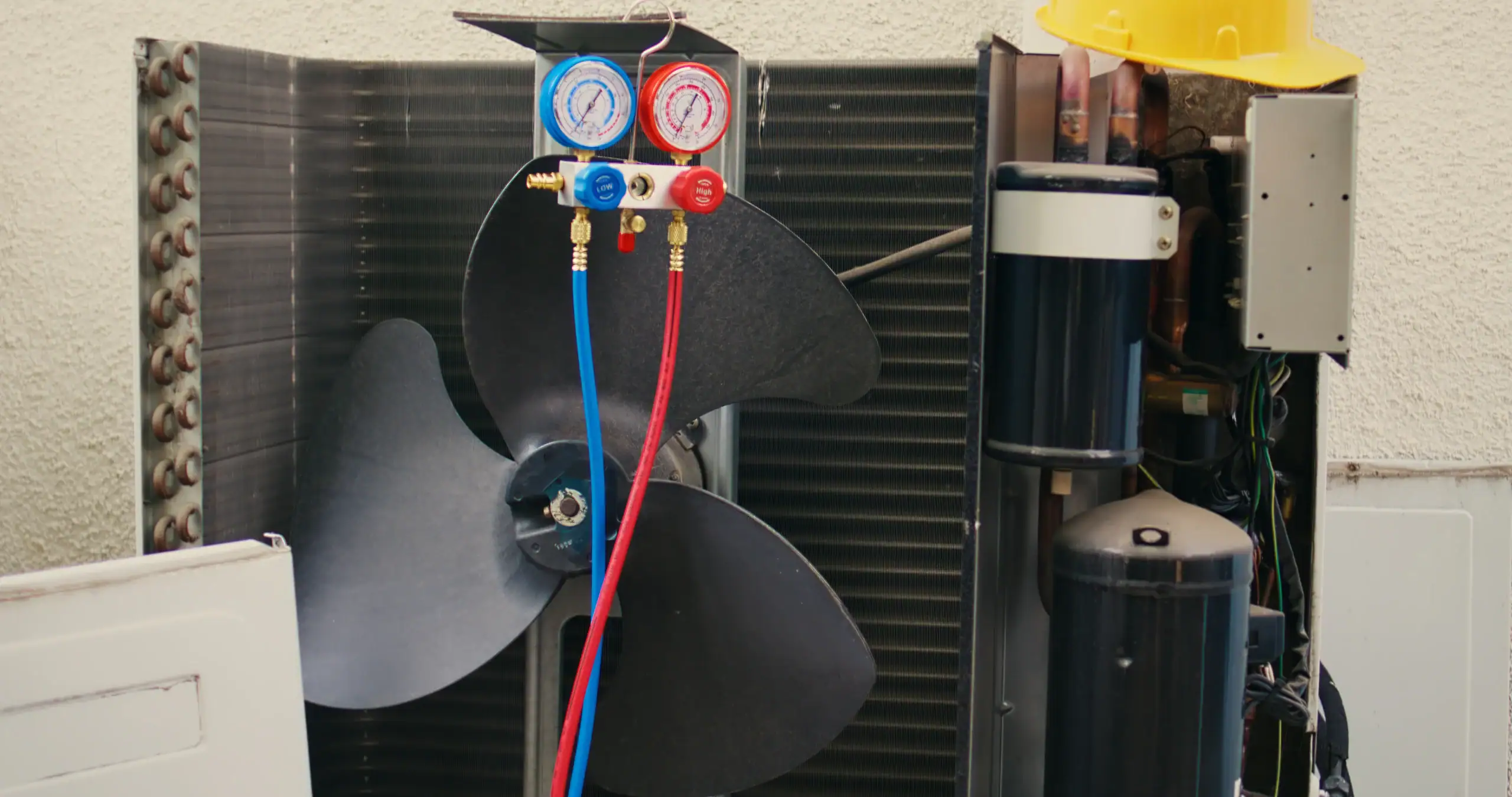
Your boat should be ready when you are. Not sitting at the dock waiting for a technician who doesn’t show up or can’t figure out what’s wrong with your cooling system.
When your marine refrigeration works properly, you stop worrying about food spoilage during extended trips. You stop dealing with systems that cycle constantly and drain your batteries. You stop losing weekends because your boat AC died and nobody knows how to fix it.
Marine refrigeration isn’t the same as home refrigeration. The environment is harsher. The power source is limited. The stakes are higher. You need someone who’s worked on hundreds of boat cooling systems and understands how compressors, condensers, and evaporators function in marine conditions. Someone who can diagnose the real problem—not just guess and replace parts until something works.
Russell Gardens boat owners deal with the same challenges as everyone on Long Island’s North Shore: salt air, humidity, and systems that take a beating from constant water exposure. Your yacht refrigeration needs attention from people who’ve seen these problems hundreds of times and know exactly how to fix them.
We’ve been solving marine HVAC and refrigeration problems in the Russell Gardens area for over 40 years. We serve boat owners throughout Nassau County and Long Island’s North Shore waterfront communities—areas where marine expertise isn’t optional, it’s essential.
We handle everything from routine boat AC maintenance to complex custom cooling installations that other companies won’t touch. We work on commercial refrigeration for airports, restaurants, and catering halls, but marine systems are where our specialized knowledge really shows. Dozens of five-star reviews reflect what happens when you combine technical skill with honest communication and follow-through.
Russell Gardens and the surrounding Long Island boating community get access to 24/7 consulting, free estimates, and technicians who actually return calls. That’s not standard in this industry, but it should be.
You call or reach out for a free estimate. No pressure, no runaround. You explain what’s happening with your boat’s refrigeration or air conditioning system, and we ask the right questions to understand the situation.
A technician shows up to assess your system. Not a generic HVAC tech—someone who knows marine cooling systems. We diagnose the actual problem, whether it’s a refrigerant leak, a failing compressor, a thermostat issue, or something with your power consumption. You get a clear explanation of what’s wrong and what it’ll take to fix it.
The repair or installation happens next. Marine-grade components that can handle the environment. If it’s a custom solution, we design something that fits your vessel’s specific requirements. Communication stays clear throughout. You know what’s happening, how long it’ll take, and what it costs.
Your system gets tested after the work is done. You’re not left guessing whether the repair will hold or if you’ll have the same problem next week. And if something does come up, 24/7 consulting means you’re not stuck waiting. For Russell Gardens boat owners, that means less downtime and more time actually using your boat instead of waiting on repairs.
Ready to get started?
Marine refrigeration service covers the full spectrum: installation, repair, maintenance, and emergency response. That includes diagnosing and fixing cooling inefficiency, addressing unusual noises or temperature fluctuations, repairing refrigerant leaks, replacing faulty compressors or condensers, and upgrading outdated systems that waste battery power.
For Russell Gardens boat owners, proximity to Long Island Sound and the area’s numerous marinas means marine HVAC systems face constant exposure to humidity, salt air, and temperature swings. These conditions accelerate wear on components like door seals, condensers, and evaporators. Regular refrigeration maintenance catches problems before they become emergencies—especially important for boats that spend extended time on the water.
Custom installations are available for boats that need specialized cooling solutions. Whether it’s a cold plate system, a more energy-efficient setup, or a complete redesign of your yacht refrigeration layout, we tailor the work to your vessel. And because Long Island’s boating season is short enough as it is, fast turnaround matters. Nobody wants their boat out of commission for weeks waiting on a repair that should take days.
Preventive maintenance plans extend your system’s lifespan and reduce the likelihood of breakdowns during peak season. Think of it as insurance against the worst-case scenario: your marine cooling system dying during a long weekend trip with a boat full of provisions. Regular service also addresses power consumption issues—critical when you’re relying on limited battery capacity during extended cruises.
Our service area includes Russell Gardens and surrounding Nassau County waterfront communities. Whether your boat is docked at a local marina or in your backyard, we come to you with the tools and parts needed for most boat refrigeration repairs.
Most marine refrigeration systems should be inspected at least once a year, ideally before the start of boating season. If you use your boat frequently or take extended trips, seasonal checks make more sense—spring and fall are good benchmarks.
Annual inspections catch small issues before they turn into expensive failures. We check refrigerant levels, inspect door seals and gaskets, clean condenser coils, test the compressor and thermostat, and verify that your system isn’t consuming more power than it should. Salt air and humidity accelerate corrosion and wear on marine components, so even if your system seems fine, preventive maintenance extends its lifespan.
If you’re noticing signs like inconsistent cooling, the system running constantly, unusual sounds, or higher-than-normal power draw, don’t wait for your annual service. Those symptoms usually indicate a problem that’ll get worse if ignored. The longer you wait, the more expensive the fix tends to be.
Several issues can cause cooling problems in marine refrigeration systems. Refrigerant leaks are common—your system might feel warm, cycle constantly, or make unusual noises. Leaks usually happen at connection points or due to corrosion from the marine environment.
Faulty thermostats or control boards can also cause inconsistent cooling or prevent the system from reaching the right temperature. If your fridge is flashing error codes or the temperature swings wildly, the thermostat is often the culprit. Compressor failure is another possibility, especially in older systems or ones that haven’t been maintained regularly. A failing compressor struggles to circulate refrigerant properly, leading to poor cooling performance and higher power consumption.
Other causes include clogged condenser coils (which prevent heat dissipation), damaged door seals (which let warm air in), or inadequate insulation. Sometimes the problem isn’t mechanical—it’s simply that your system is undersized for your needs or inefficiently configured. A proper diagnosis identifies the actual cause instead of guessing and replacing parts until something works.
Excessive power consumption in marine refrigeration usually points to inefficiency somewhere in the system. An aging or failing compressor works harder to achieve the same cooling, draining your batteries faster. Poor insulation is another major cause—if your refrigerator box isn’t properly insulated, the system has to run constantly to maintain temperature.
Improper temperature settings can also waste power. Setting your fridge colder than necessary forces the compressor to work overtime. Frequent door openings, especially in hot weather, introduce warm air that the system has to cool repeatedly. And if your condenser coils are dirty or corroded, heat dissipation becomes less efficient, making the compressor run longer cycles.
Sometimes the issue is the system itself. Older marine refrigeration units are significantly less efficient than modern ones. If your boat’s refrigeration was installed 15-20 years ago, upgrading to a newer, energy-efficient system can cut power consumption dramatically. That means longer battery life, less time running your generator, and more confidence during extended trips. We can measure your system’s actual power draw and compare it to what it should be, giving you a clear picture of whether repair or replacement makes more sense.
Yes. We work on all major marine refrigeration brands and system types—whether it’s Dometic, Isotherm, Frigoboat, Sea Frost, Vitrifrigo, Grunert, or any other manufacturer. We also service different system configurations: air-cooled, water-cooled, cold plate systems, and direct expansion units.
Marine refrigeration systems share common principles regardless of brand. Compressors circulate refrigerant, condensers dissipate heat, expansion valves control flow, and evaporators absorb heat. What changes between brands is the specific components, control systems, and installation methods. With 40+ years of experience, we’ve seen and repaired virtually every marine cooling system on the market.
If you have an older or less common brand, that’s not a problem. We can source marine-grade replacement parts and have the diagnostic tools to troubleshoot any system. Custom-built or modified refrigeration setups are also within our scope—sometimes the best solution isn’t a standard repair but a redesigned system that works better for your specific vessel and usage patterns.
Marine refrigeration systems operate in a completely different environment than residential units, and they’re engineered accordingly. Boats deal with constant motion, vibration, humidity, salt air, and limited power sources. Residential refrigerators aren’t built to handle any of that.
Marine systems typically run on 12V or 24V DC power from your boat’s batteries, while home refrigerators use 120V AC power. Marine compressors and components are designed to function efficiently on limited battery power and withstand the physical stress of being on the water. The installation is also different—marine refrigeration often uses custom-built insulated boxes, cold plates, or specialized configurations that fit a boat’s unique layout.
Corrosion resistance is critical in marine applications. Components are built with materials that can handle salt air and moisture without degrading quickly. And because space and weight matter on a boat, marine systems are typically more compact and carefully designed for efficiency. This is why a regular HVAC technician can’t just walk onto a boat and fix a refrigeration problem the same way they’d fix a home unit. The knowledge base is different, the tools are different, and the stakes are higher when you’re dealing with limited power and no backup options.
Yes. We provide 24/7 consulting and emergency service for marine refrigeration and boat AC failures. When your boat’s cooling system dies right before a trip or during a voyage, waiting until Monday morning isn’t an option.
Emergency situations usually involve complete cooling failure, refrigerant leaks that need immediate attention, or systems that have stopped working and are putting provisions at risk. We respond quickly, diagnose the problem, and either repair it on-site or provide a temporary solution until a full repair can be completed. Having access to marine-grade parts and specialized tools means most emergency repairs can be handled without long delays.
For Russell Gardens and the broader Nassau County boating community, proximity matters during emergencies. Local response times are faster, and we already know the area’s marinas and waterfront access points. If you’re dealing with a cooling emergency, call for immediate assistance. Even if the full repair can’t happen instantly, 24/7 consulting means you’ll get expert guidance on next steps and how to protect your boat and provisions in the meantime.