
Hear from Our Customers
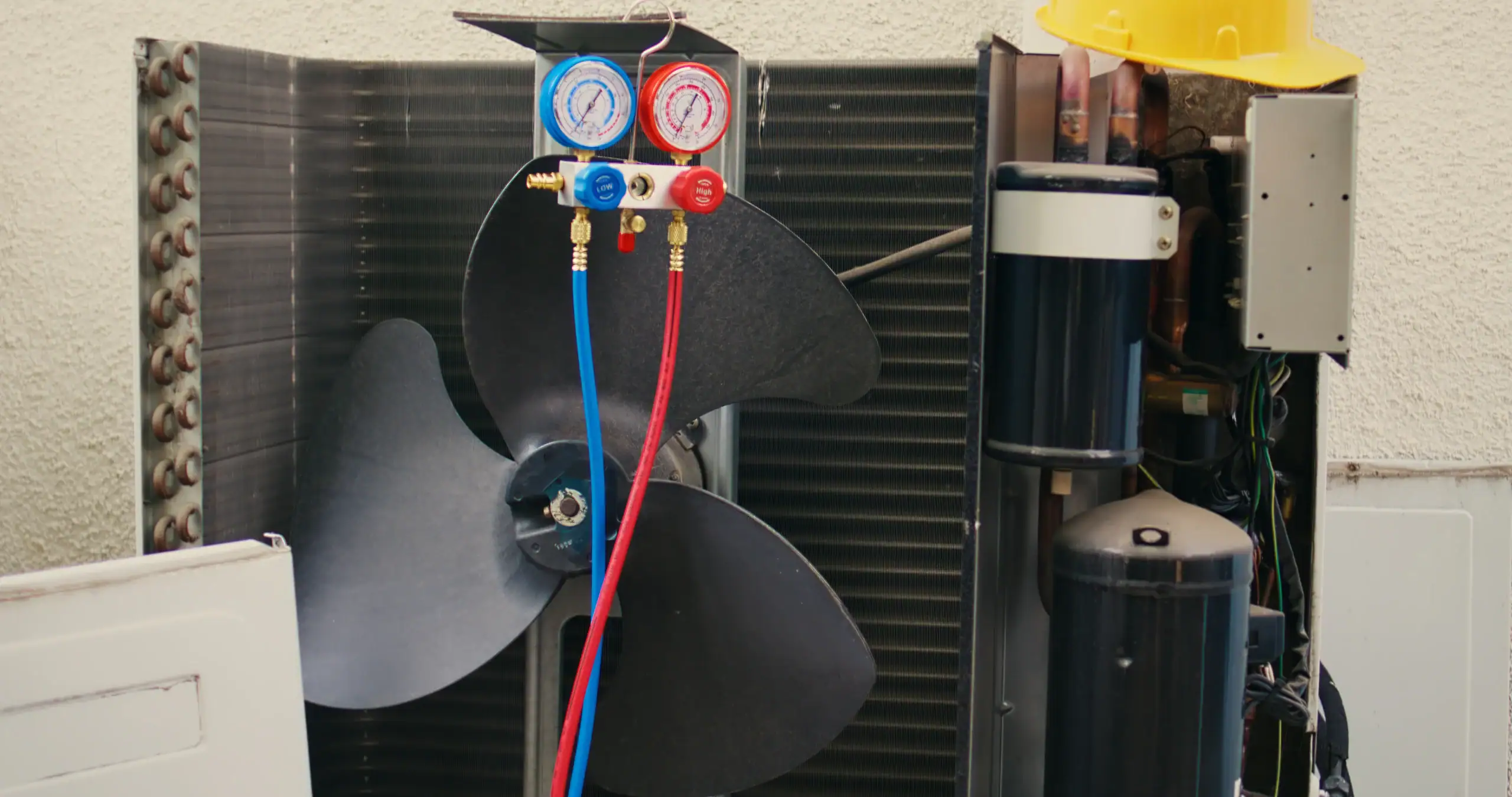
Your boat’s refrigeration system isn’t like the one in your kitchen. It deals with saltwater, constant motion, limited power, and humidity that would destroy a standard unit in months. When it stops working, you’re not just inconvenienced—you’re looking at spoiled provisions, drained batteries, and a ruined trip.
You need someone who gets it. Someone who knows why your compressor keeps cycling, why frost builds up overnight, or why your system pulls more amps than it should. That’s where real marine refrigeration expertise makes the difference.
With the right diagnosis and repair, your boat refrigeration works the way it’s supposed to. Your batteries last longer. Your food stays cold. And you stop worrying every time you head out on the water.
We’ve been handling marine HVAC and refrigeration in the Greater New York area for over 40 years. That’s not a side service—it’s what we do. From complex installations to emergency repairs, our team knows how saltwater, vibration, and marine power systems affect cooling performance.
Water Mill and the surrounding Hamptons area have some of the most demanding boat owners in the region. They expect their vessels to work flawlessly, and they don’t have patience for technicians who treat marine systems like residential units. We’ve earned dozens of five-star reviews by showing up when needed, diagnosing problems correctly the first time, and communicating clearly throughout the process.
We offer 24/7 consulting and free estimates because boat problems don’t wait for business hours. Whether you’re dealing with a failing compressor, refrigerant leak, or power drain issue, you’re working with people who’ve seen it before and know how to fix it.
First, you describe what’s happening. Is your system not cooling? Running constantly? Making unusual noises? We ask the right questions to narrow down the issue before anyone shows up.
Then comes the inspection. One of our technicians examines your marine refrigeration system—checking compressor function, refrigerant levels, electrical connections, insulation quality, door seals, and condenser condition. Marine systems have specific failure points that standard HVAC techs miss, so this step matters.
Once the problem is identified, you get a clear explanation and a free estimate. No jargon. No upselling. Just what’s wrong, what it takes to fix it, and what it costs. If you approve the work, repairs happen as quickly as possible—often same-day for urgent issues.
After the repair, the system gets tested under real conditions. You’re walked through what was done and given practical advice on maintaining performance. If questions come up later, we stay available. That’s how boat air conditioning and refrigeration service should work.
Ready to get started?
Marine refrigeration maintenance and repair covers everything your boat’s cooling system needs to function reliably. That includes diagnosing compressor issues, repairing refrigerant leaks, replacing corroded components, fixing electrical problems, upgrading insulation, and addressing power consumption concerns.
In Water Mill and throughout the Hamptons, boat owners deal with specific challenges. Saltwater accelerates corrosion on condenser coils and electrical components. High humidity causes frost buildup and seal deterioration. Limited battery capacity means inefficient systems drain power fast. And when you’re miles offshore, a failing refrigeration system isn’t just annoying—it’s a safety issue.
We handle both emergency repairs and preventive maintenance. If your boat HVAC system fails during peak season, our 24/7 availability means you’re not waiting days for help. Regular maintenance catches problems early—worn seals, low refrigerant, dirty condensers, or failing compressors—before they leave you stranded with warm beer and spoiled food.
We also work on custom marine refrigeration installations and complex systems like beer taps and specialized cooling setups that most contractors won’t touch. Whether you’re running a small day cruiser or a large yacht, our service adapts to what your vessel actually needs.
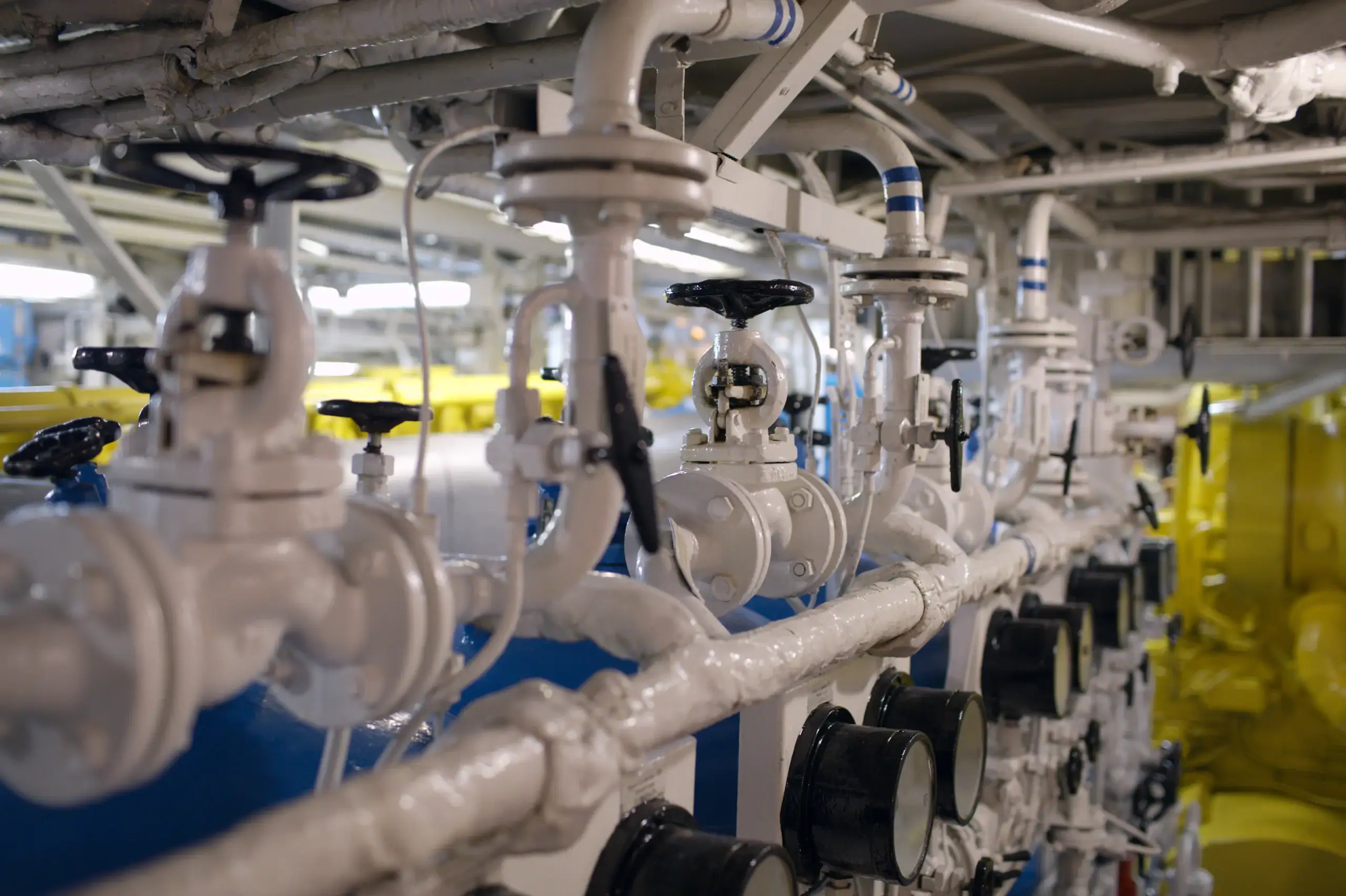
Excessive power draw usually points to one of three issues: poor insulation, a struggling compressor, or a system that’s undersized for your cooling load. Marine refrigeration runs on 12V or 24V DC power, and every amp counts when you’re off shore power.
If your insulation has deteriorated, the compressor runs longer and more frequently to maintain temperature. That burns through battery capacity fast. You’ll notice the compressor cycling constantly or the exterior of your fridge feeling warm to the touch. Upgrading insulation can cut power consumption by 25% or more.
A compressor that’s failing or working against high head pressure also pulls extra amps. This happens when condenser coils are clogged with salt buildup, when refrigerant levels are off, or when the unit is simply wearing out. Proper diagnosis identifies whether you need a cleaning, a refrigerant adjustment, or a compressor replacement. Ignoring the problem doesn’t just drain batteries—it shortens the life of expensive components.
At minimum, once per year before boating season starts. If you use your vessel heavily or keep it in saltwater year-round, twice a year makes more sense.
Marine HVAC systems pump raw seawater through condensers 24/7 during operation. That constant exposure to salt accelerates wear on pumps, coils, and seals faster than any other system on your boat. Regular maintenance catches corrosion early, cleans out salt buildup, checks refrigerant levels, tests electrical connections, and inspects components for wear.
Skipping maintenance doesn’t save money. It leads to mid-season failures that cost more to fix and leave you without cooling when you need it most. A well-maintained marine air conditioning system should give you many years of reliable service. One that’s neglected starts having problems within a few seasons—and by then, you’re often replacing major components instead of just maintaining them.
Frost buildup usually means warm, humid air is getting inside your fridge. The most common culprits are faulty door seals, high humidity in the boat, or a freezer temperature set too cold.
Check your door seals first. Close the door on a dollar bill and try to pull it out. If it slides easily, your seal isn’t tight enough. Worn or damaged gaskets let warm air infiltrate constantly, causing frost on the evaporator and forcing your compressor to work overtime. Replacing seals is straightforward and often solves the problem immediately.
High humidity is harder to control but just as important. Marine environments are naturally humid, and if your boat sits at the dock without ventilation, moisture accumulates. Running a dehumidifier when docked helps significantly. Also, setting your freezer temperature to 10-15 degrees instead of 0-5 degrees reduces frost formation and cuts power consumption by up to 25%. Your food stays frozen, your system works less, and frost stops building up on surfaces.
Technically, maybe. Realistically, you’re taking a risk. Marine refrigeration operates on different principles than residential or even commercial systems, and the environment is far more demanding.
Standard HVAC techs don’t usually understand marine-grade components, DC power systems, saltwater corrosion patterns, or the vibration and motion issues that affect boats. They might misdiagnose a problem, use the wrong replacement parts, or overlook marine-specific failure points. That leads to repeated service calls, wasted money, and a system that still doesn’t work right.
Marine refrigeration specialists know how to handle refrigerant leaks in tight spaces, diagnose compressor issues related to voltage drops, address condenser problems caused by saltwater exposure, and recommend solutions that actually fit your boat’s power budget. The difference shows up in how long repairs last and whether your system performs reliably when you’re miles from shore. If your vessel matters to you, using someone with real marine experience isn’t optional.
With proper maintenance, 10 to 15 years is realistic. Without it, you might see failures in 5 to 7 years—or sooner if the system runs in harsh conditions.
Compressors fail faster when they’re overworked. Poor insulation, clogged condensers, low refrigerant, and electrical issues all force the compressor to run longer and harder than designed. Saltwater corrosion accelerates wear on seals and connections. And if your boat sits unused for months without winterization, internal components can seize or deteriorate.
Here’s the thing: when a compressor starts failing after 10 years, other components are usually near the end of their life too. Replacing just the compressor might buy you a year or two, but then you’re back in for another repair. Sometimes it makes more financial sense to replace the entire system and avoid years of incremental failures. We’ll walk you through both options honestly, based on the actual condition of your system—not just what generates the biggest invoice.
Yes. We provide 24/7 consulting and emergency service for marine HVAC and refrigeration issues in Water Mill and throughout the Hamptons area.
Boat problems don’t follow a schedule. Your refrigeration system can fail on a Saturday night, during a holiday weekend, or right before a planned trip. When that happens, waiting until Monday isn’t acceptable—especially if you’ve got a boat full of provisions or guests expecting a comfortable experience.
We respond quickly to diagnose the issue and implement solutions as fast as possible. Whether it’s a compressor failure, refrigerant leak, electrical problem, or something else, the goal is getting your system working again without unnecessary delays. You also get a free estimate before any work begins, so there are no surprises on cost. That combination of availability, speed, and transparency is why boat owners in the area keep calling back when they need reliable marine refrigeration service.