Hear from Our Customers
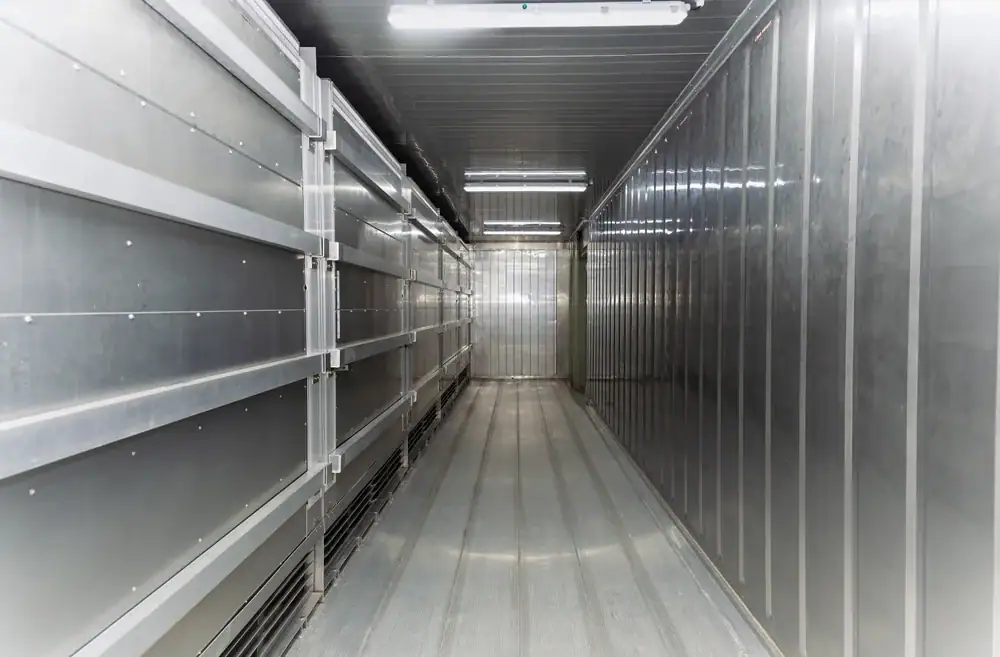
Your walk-in stays cold during the dinner rush. Your compressor doesn’t quit on a Saturday night. Your health inspector sees consistent temperatures, not red flags.
That’s what reliable commercial refrigeration looks like. No spoiled inventory sitting in a warming cooler. No scrambling to find ice at 9 PM. No explaining to customers why half the menu isn’t available.
When your refrigeration systems are properly installed and maintained, you stop reacting to emergencies and start running your business. Equipment lasts 15+ years instead of limping through five. Energy bills drop because compressors aren’t working overtime. And when something does go wrong, it gets caught early—before it costs you thousands in lost product.
Most restaurants and delis in Elwood lose more money to poor refrigeration than they realize. A cooler running five degrees too warm doesn’t just risk food safety. It shortens equipment life, drives up energy costs, and creates constant low-level stress that wears on everyone.
You deserve systems that work the first time and keep working. That’s not luck. It’s proper installation, real maintenance, and technicians who know the difference between a quick fix and a lasting solution.
We’ve spent over 40 years working on commercial refrigeration across Long Island. We’ve seen every failure mode, every bad installation, every “temporary fix” that became a permanent problem.
Elwood businesses face specific challenges. Summer heat stresses compressors harder here than in climate-controlled warehouses. Humidity affects seals and electrical components. And when you’re running a deli or restaurant in Nassau County, you can’t wait three days for a part to ship from somewhere else.
Our trucks carry inventory for every major brand. Most repairs finish the same day. When they don’t, you get a temporary solution that keeps product cold while we source what’s needed. We’ve earned dozens of five-star reviews because we show up, we fix it right, and we don’t disappear until your system works.
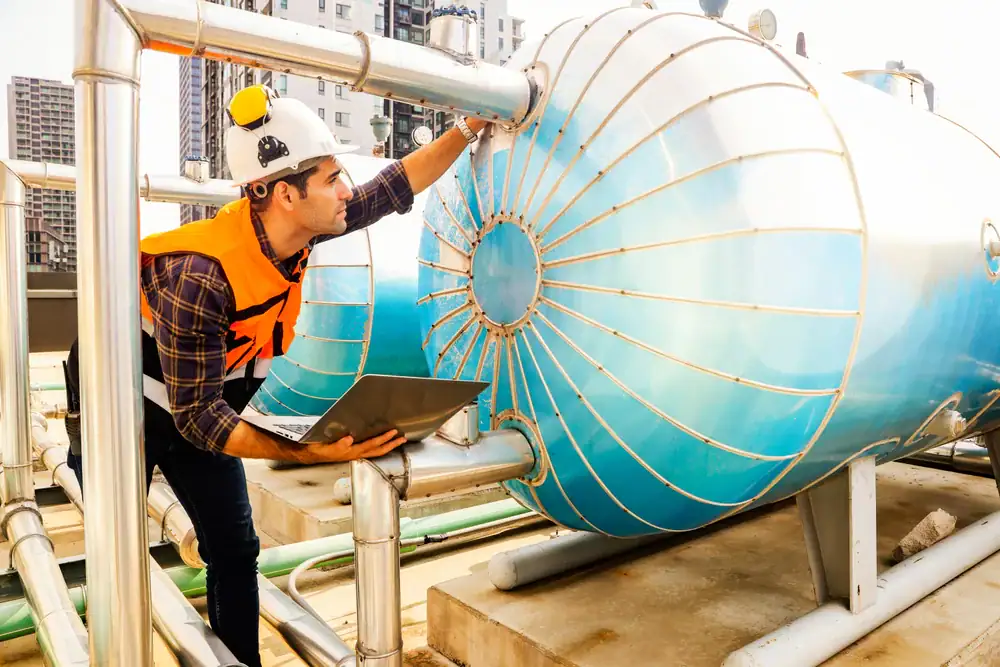
First, we listen. What’s failing? When did it start? What’s your timeline? If it’s an emergency, we’re already heading your way while we talk.
When we arrive, we diagnose the actual problem—not just the symptom. A compressor that won’t start might need a new compressor. Or it might need a $40 capacitor and a conversation about why your condenser coils haven’t been cleaned in two years. We tell you the difference.
For installations, we start by understanding how you actually use the space. A walk-in cooler for a bakery that pulls product twice a day needs different specs than one for a deli that opens the door every five minutes. We size systems for real-world use, not catalog recommendations.
Then we handle everything: electrical work, permits, health department requirements, staff training on proper use, and a maintenance schedule that prevents the problems we see most often. You get a system designed for your operation, installed correctly, and supported long-term.
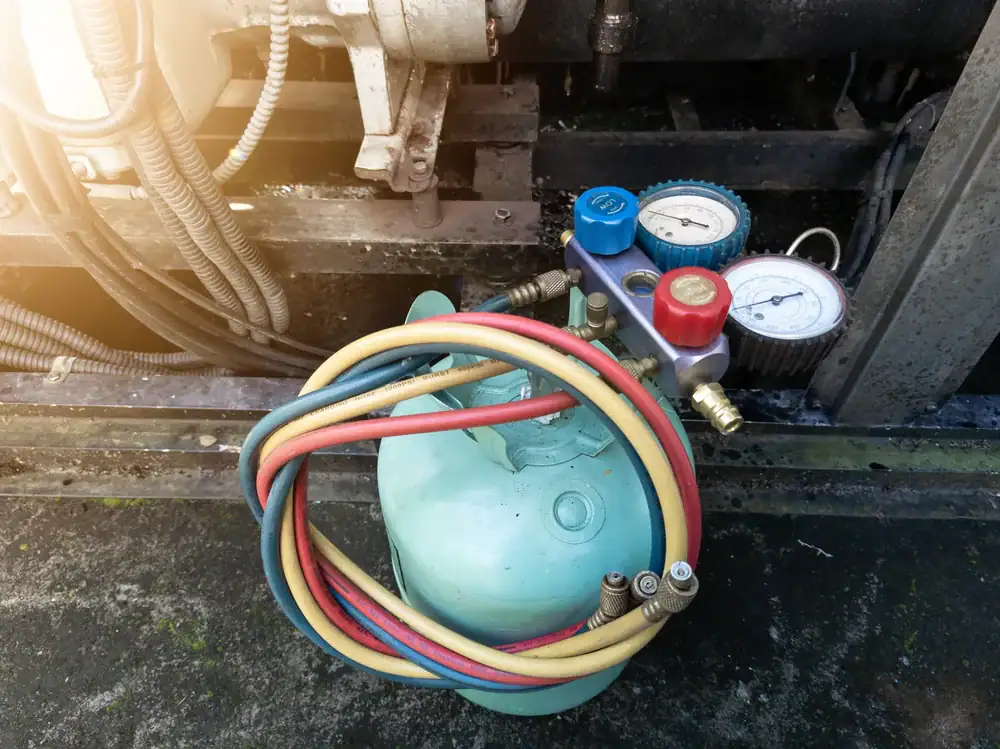
Repairs follow the same logic. Fix what’s broken. Explain what caused it. Show you what to watch for. Most service calls come from dirty coils, worn door seals, or refrigerant leaks—all preventable with basic maintenance. We fix the immediate problem and help you avoid the next one.
Ready to get started?
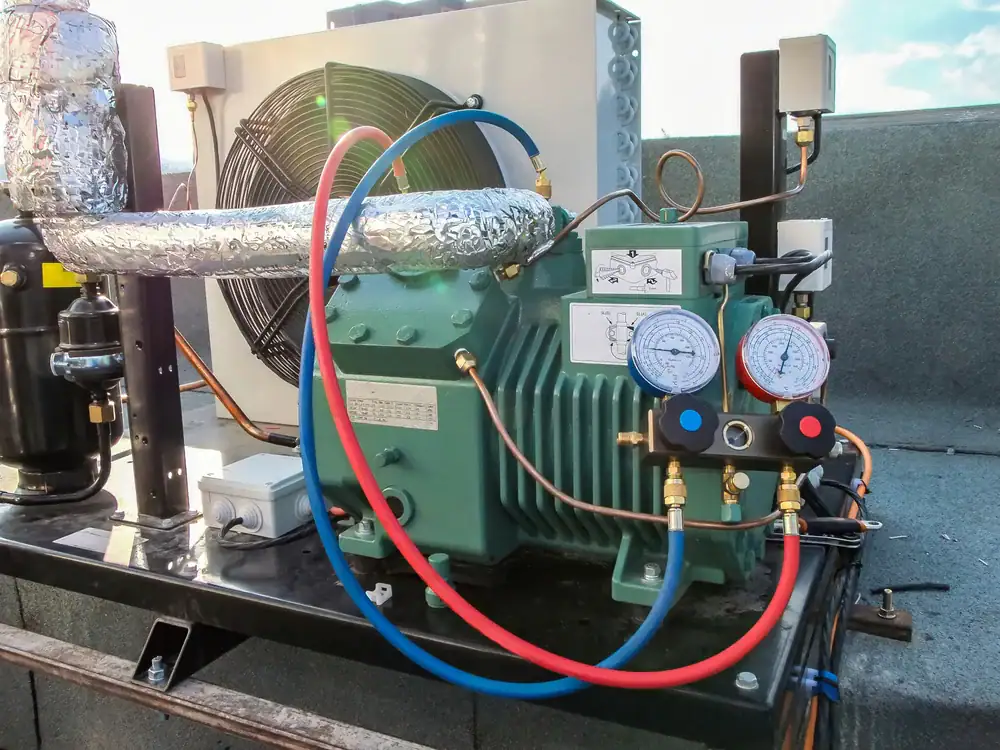
We offer 24/7 emergency service because we know refrigeration failures don’t wait for convenient times. When you call with an emergency, you’re talking to someone who can dispatch a technician immediately—not an answering service that takes messages.
Response time depends on where our trucks are and what’s already in progress, but most emergency calls in Elwood get same-day service. Often within a few hours. Our technicians carry common parts for all major brands, so many repairs finish on the first visit.
If we can’t complete the repair immediately, we provide temporary solutions to keep your product cold while we source specialized parts. That might mean rigging a temporary coolant line, bringing in backup refrigeration, or other stopgap measures. The goal is preventing loss while we implement the permanent fix.
It depends on what failed, how old the system is, and what caused the failure. A five-year-old walk-in with a bad compressor is usually worth repairing. A 15-year-old system with its third compressor failure in two years probably isn’t.
Here’s the honest breakdown: If repair costs exceed 50% of replacement cost and the system is over ten years old, replacement usually makes more sense. You’re not just buying a new compressor—you’re buying years of reliability and significantly better energy efficiency. New systems can cut energy costs by 30-40% compared to older units.
But age isn’t everything. A well-maintained 12-year-old system might have another five good years. A neglected 6-year-old system might be on its last legs. We assess the whole picture: repair history, maintenance records, overall condition, and your budget. Then we give you real numbers for both options and let you decide.
If you want equipment that lasts 15 years instead of five, yes. Maintenance isn’t a revenue scheme—it’s the difference between planned service and emergency failures.
Most refrigeration breakdowns come from preventable issues. Dirty condenser coils make compressors work harder and fail sooner. Worn door seals let warm air in constantly. Small refrigerant leaks become big problems. Electrical connections loosen over time. None of these failures happen suddenly—they develop over months while giving warning signs.
Scheduled maintenance catches these issues when they’re cheap and easy to fix. A $200 maintenance visit that replaces worn seals and cleans coils prevents a $3,000 compressor failure six months later. Businesses without maintenance contracts pay three to five times more annually for repairs and experience four times more downtime. The math consistently favors prevention.
Three things account for about 80% of service calls: dirty condenser coils, worn door seals, and refrigerant leaks. All three are preventable with basic maintenance.
Condenser coils collect dust, grease, and debris. When airflow drops, compressors overheat and work harder to maintain temperature. That drives up energy costs and shortens compressor life dramatically. Most failing compressors we replace were killed by dirty coils, not age.
Door seals wear out from constant use. A seal that looks fine might have small gaps letting warm, humid air into the cooler constantly. The compressor runs nonstop trying to compensate. You’re paying higher electric bills to fight a problem you can’t see until someone checks the seals properly.
Refrigerant leaks start small and get worse. Low refrigerant means poor cooling performance, longer run times, and eventual compressor damage. Finding and fixing leaks early saves thousands compared to waiting until the system fails completely.
If your cooler struggles to maintain temperature during busy periods, runs constantly, or has hot spots where some areas are warmer than others—it’s probably undersized or poorly designed for your actual usage.
Proper sizing accounts for more than just cubic footage. How often do you open the doors? How much product goes in at once? What’s the ambient temperature in the kitchen? What’s your peak demand period? A reach-in cooler that works fine for a cafe doing 50 covers might fail completely in a deli doing 200 sandwiches during lunch rush.
The other sign is short cycling—when the compressor turns on and off frequently rather than running steady cycles. That usually means the system is oversized. Seems like that would be good, but it’s not. Short cycling wastes energy, creates temperature fluctuations, and wears out components faster. Correct sizing means the system runs efficient cycles and maintains consistent temperature without working constantly.
A complete installation takes one to three days depending on system complexity. We handle everything from initial assessment through final health department approval, so you’re not coordinating multiple contractors.
First, we verify the space meets requirements for ventilation, electrical capacity, and drainage. Then we position the unit, run electrical connections, install any necessary plumbing for condensate drains, and connect refrigerant lines. Once the system is physically installed, we test all functions, calibrate temperature controls, and verify proper operation under load.
Before we leave, we train your staff on proper use—how to load product correctly, why door seals matter, what sounds are normal versus concerning, and basic troubleshooting. We also set up your maintenance schedule and provide documentation for health inspectors. The system doesn’t just work when we’re done—you understand how to keep it working.