Hear from Our Customers
You’re not calling repair companies at 2 AM because your walk-in went down. You’re not throwing away thousands in spoiled inventory. You’re not scrambling to find ice or backup storage while your dinner rush walks through the door.
Your equipment runs. Your food stays fresh. Your health inspector has nothing to write up.
That’s what proper refrigeration service looks like. Not just when something breaks, but before it does. Most commercial refrigeration systems in Greenport fail because they’re ignored until they quit—then business owners wonder why a five-year-old unit needs a $4,000 replacement in July.
Regular maintenance extends equipment life from the industry average of 10 years to 15 or even 20. That’s not marketing talk—that’s what happens when compressors, condensers, and evaporators get cleaned, checked, and adjusted twice a year instead of once every never.
We’ve been doing commercial refrigeration and marine HVAC across Long Island since before most of your competitors opened their doors. That includes Greenport—where fishing, food, and seasonal tourism mean your refrigeration systems can’t afford to fail during peak season.
We’re not a franchise with a call center in another state. We’re local, we stock parts in our trucks, and we answer the phone at midnight because we know what’s at stake when a compressor goes down on a Friday night.
Greenport’s restaurant scene has grown. The village pulls tourists year-round now, not just summer weekends. That means higher demand on your equipment and less room for downtime. We’ve worked with everyone from harbor-side seafood spots to catering halls to the boats docked along Front Street.
You call or submit a request. We don’t make you wait three days for a callback. If it’s an emergency, we dispatch the closest technician with the parts inventory to handle most repairs on the spot.
If it’s a new install or system replacement, we start with a free consultation and estimate. We’ll look at your space, your volume, your workflow, and recommend what actually fits your operation—not what we have sitting in a warehouse. That includes walking you through permit requirements, health department specs, and energy rebates available through PSEG Long Island.
Once we agree on scope and price, we manage the whole project. Installation, testing, staff training on proper use, and any follow-up adjustments. If you’re replacing old equipment, we coordinate removal and disposal so you’re not dealing with it.
After install, we set up a maintenance schedule. Most of our commercial clients do twice-yearly service—once before summer, once before winter. That’s when we catch the small stuff before it becomes the expensive stuff.
Ready to get started?
We handle walk-in coolers and freezers, reach-in units, display cases, ice machines, prep tables, beer systems, and custom cooling setups that most companies won’t touch. If it keeps product cold in a commercial kitchen or market, we work on it.
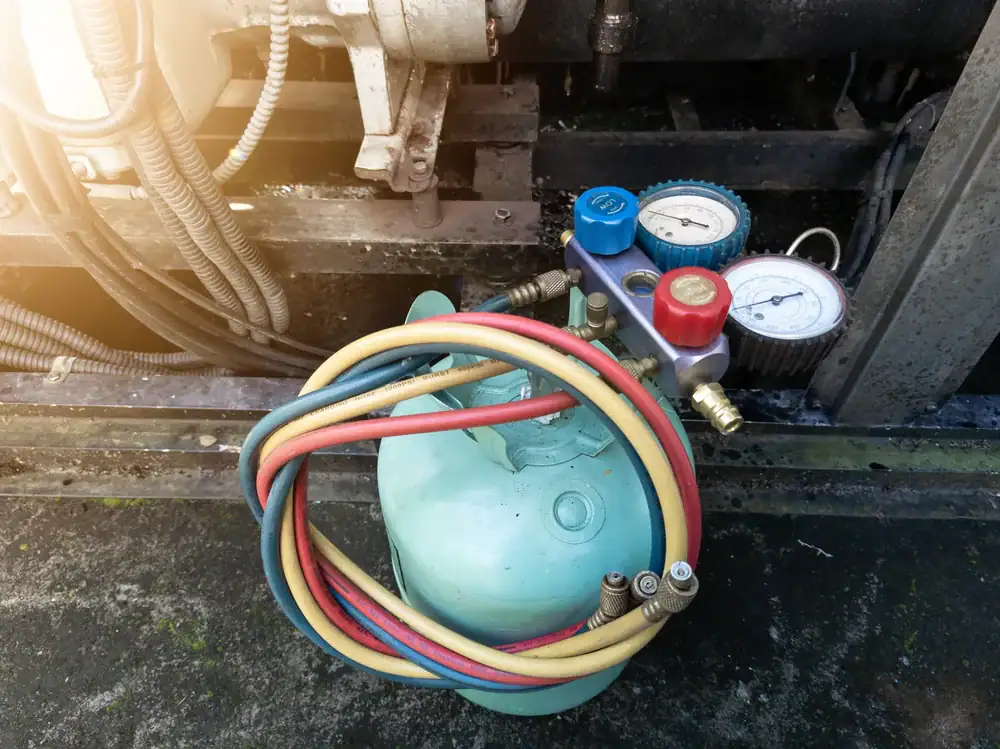
Maintenance includes cleaning condenser coils, checking refrigerant levels, testing thermostats and controls, inspecting door seals and gaskets, and verifying that your system is running at the right pressure and temperature. We also look for early warning signs—unusual noises, inconsistent temps, higher energy bills.
Greenport’s coastal location means salt air and humidity affect your equipment differently than inland spots. Condenser coils corrode faster. Seals wear out quicker. We account for that during service calls because we’ve seen what happens when you don’t.
For new installations, we pull permits, coordinate with the health department, and make sure your system qualifies for any available rebates. Energy-efficient models can cut operating costs significantly, and PSEG Long Island offers incentives that offset upfront investment. We handle that paperwork so you don’t have to figure it out yourself.
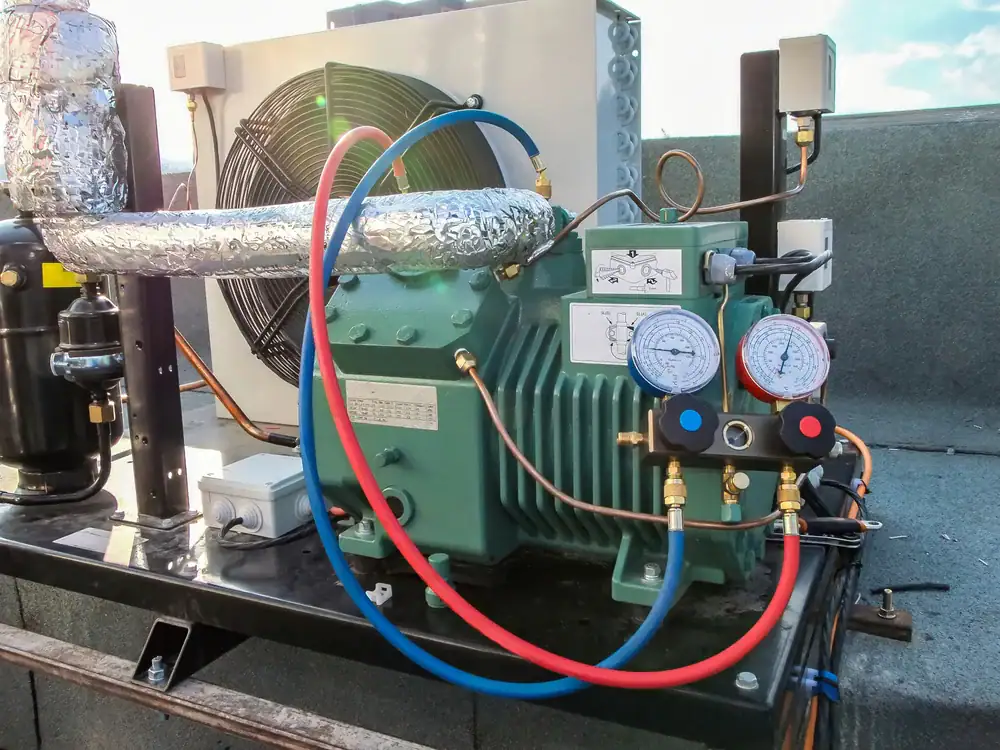
We offer 24/7 emergency service, and response time depends on where our techs are when you call. Most of the time, we’re on-site within a few hours—not the next day or next week.
Our trucks carry an extensive parts inventory, so same-day repairs are common. If your compressor failed or you’ve got a refrigerant leak, we’re not leaving to order parts and coming back three days later while your product spoils.
Emergency calls get priority dispatch. If it’s 10 PM on a Saturday and your walk-in is down, we’re not telling you to wait until Monday. Time matters in this business, and we built our service model around that reality.
It depends on the age of the unit, what failed, and how well it’s been maintained. A compressor replacement on a 12-year-old walk-in might run $2,000 to $4,000. A new walk-in system starts around $6,000 and goes up depending on size and features.
If your unit is under seven years old and well-maintained, repair usually makes sense. If it’s over ten years old, has needed multiple repairs in the past two years, or runs inefficiently, replacement is often smarter long-term.
We’ll give you an honest assessment. If a repair buys you another five years of reliable service, we’ll tell you. If you’re throwing money at a dying system, we’ll tell you that too. Our job is to give you the information to make the right call for your business, not to upsell you on equipment you don’t need.
Twice a year minimum—once in spring before summer heat puts maximum load on your system, and once in fall before winter. Some high-volume operations benefit from quarterly service, especially if you’re running equipment hard seven days a week.
Skipping maintenance is the number one reason commercial refrigeration fails early. Dirty condenser coils make your compressor work harder, which shortens its life and drives up energy costs. Low refrigerant levels reduce cooling capacity. Worn door seals let warm air in, forcing the system to run constantly.
A $129 tune-up twice a year prevents the $4,000 emergency replacement in July when you can least afford downtime. Most of our maintenance customers get 15+ years from their equipment. Most businesses that skip service are replacing units at five to seven years and wondering why.
Yes. Marine HVAC and refrigeration is a specialty of ours, and Greenport’s harbor means we work on plenty of boats docked along the waterfront and at local marinas.
Marine systems are different from commercial land-based units. They deal with constant motion, salt water exposure, limited space, and power constraints. We’ve been doing marine work for decades, so we understand the unique challenges and know how to service systems that most refrigeration companies won’t touch.
If you’ve got a yacht, fishing vessel, or charter boat with refrigeration or air conditioning issues, we can handle it. We also do new installs and system upgrades for boats that need better cooling capacity or more energy-efficient equipment.
PSEG Long Island offers rebates for energy-efficient commercial refrigeration equipment. The exact amount depends on the type of system and efficiency rating, but rebates can offset a significant portion of your upfront cost.
Walk-in coolers and freezers with high-efficiency compressors, LED lighting, and improved insulation typically qualify. So do ENERGY STAR-rated reach-in units and display cases. The rebate application process requires documentation and proof of installation by a licensed contractor, which we handle as part of the project.
Beyond rebates, energy-efficient systems lower your monthly operating costs. A modern walk-in cooler can use 30-40% less electricity than a 15-year-old unit, which adds up fast when you’re running it around the clock. We’ll walk you through the numbers so you can see the real return on investment, not just the sticker price.
Lack of maintenance, hands down. Dirty condenser coils are the biggest killer of compressors. When coils get caked with dust, grease, and debris, your system can’t release heat properly. The compressor runs hotter and works harder until it burns out.
Refrigerant leaks are another common issue, usually from corrosion or vibration over time. Low refrigerant means poor cooling performance and potential compressor damage if it runs too long without enough charge.
Door seals wear out, especially on high-traffic walk-ins. When seals fail, warm air gets in constantly, forcing the system to run nonstop. That overworks the compressor and drives up energy bills before you even notice the temperature creeping up. Regular inspections catch these problems early when they’re cheap and easy to fix.