Hear from Our Customers
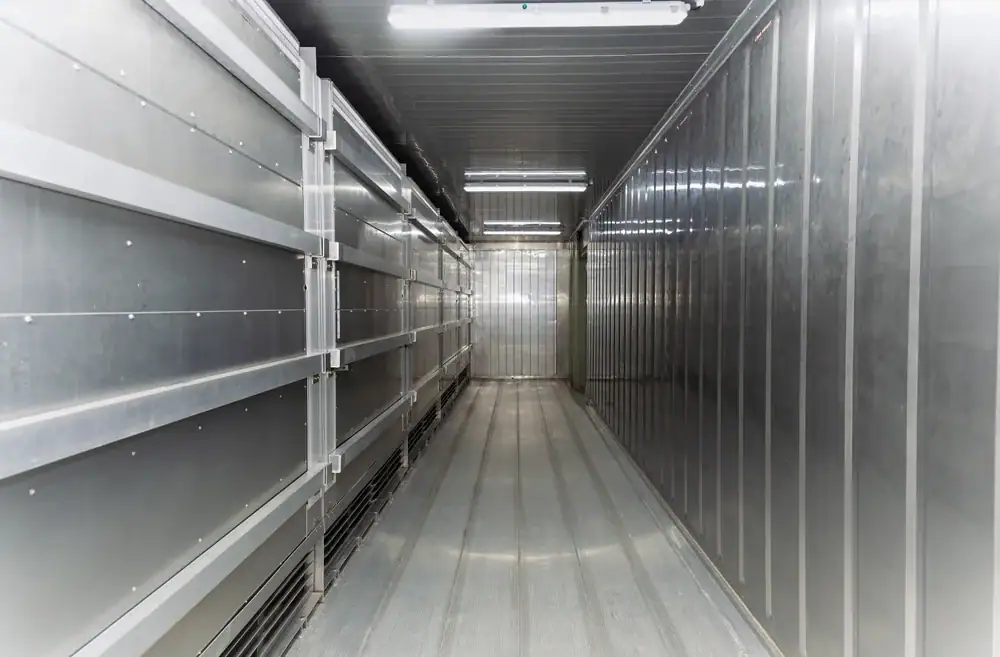
Your walk-in stays at 38°F during the lunch rush on Jericho Turnpike. Your reach-in doesn’t leak water across the kitchen floor at 9 PM on a Saturday. Your compressor doesn’t burn out the week before a health inspection.
That’s what proper commercial refrigeration looks like. Not just equipment that runs, but systems that hold temperature when doors open every three minutes during peak hours.
You’re not calling for emergency service at midnight because a gasket finally gave out. You’re not explaining to the health inspector why your cooler hit 45°F yesterday. You’re not watching $2,000 worth of protein spoil because a condenser coil was too dirty to do its job.
Most refrigeration problems aren’t mysterious. Dirty coils, worn door seals, and low refrigerant cause about 80% of the service calls we run in Nassau County. The difference is catching them during scheduled maintenance instead of discovering them when your alarm goes off.
We’ve been repairing commercial refrigeration systems in Herricks and across Long Island for over 40 years. That means we’ve seen what happens to condensers during humid August weeks when the temperature doesn’t drop below 80°F at night. We know how salt air from the North Shore eats through outdoor components faster than you’d expect.
Our technicians hold EPA Section 608 certification because handling refrigerants isn’t optional—it’s federal law. We’re licensed throughout New York State and insured for the work we do in your facility.
We also handle marine HVAC systems for yacht clubs and boat owners from Montauk to Port Washington, which means we’re used to working in tight spaces with power limitations and corrosion issues that most refrigeration companies won’t touch.
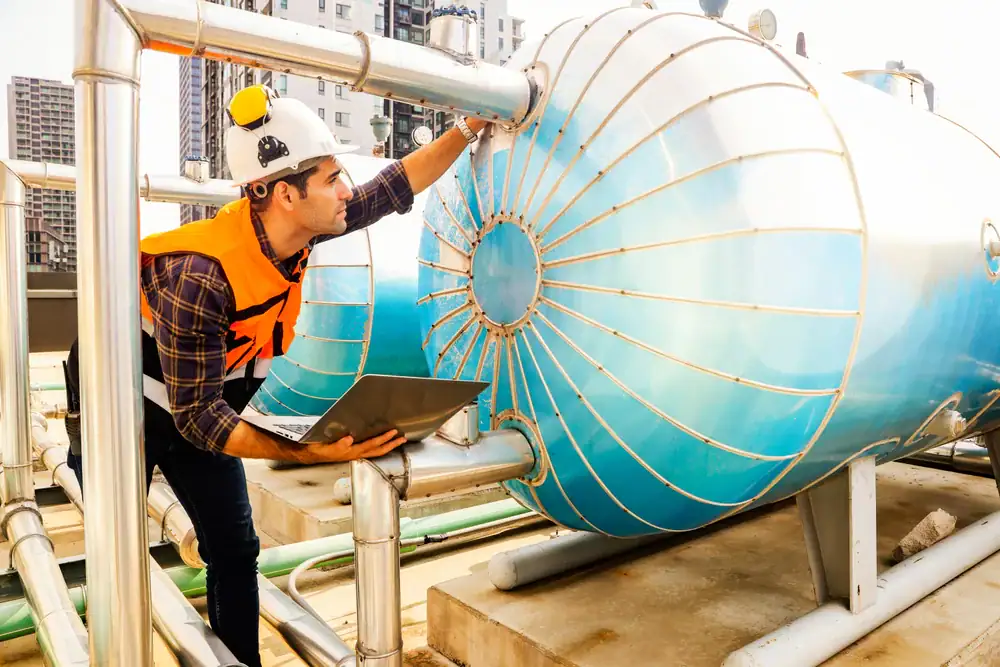
You call our 24/7 line. We dispatch a certified technician to your Herricks location—usually within a couple hours for emergencies, same day for urgent repairs.
The technician shows up with parts for every major brand on the truck. Walk-ins, reach-ins, ice machines, display cases—we stock what actually fails most often. That means most repairs get completed the same day instead of waiting three days for a part to ship.
We run a full diagnostic, not just a quick look at the obvious problem. If your compressor is struggling, we’re checking refrigerant levels, coil condition, and airflow before we tell you what’s wrong. Then we give you transparent pricing before we start the work.
If it’s a repair that’ll take time, we provide temporary cooling solutions so you’re not losing inventory while we fix the root problem. For installations, we measure your space, calculate your actual cooling load based on door openings and product volume, and design a system that fits your operation—not just whatever’s on sale.
After the repair or install, we explain what we did and what you should watch for. If you’re on a maintenance contract, we schedule your next service visit before we leave.
Ready to get started?
Preventive maintenance means a technician shows up twice a year—or quarterly if you’re running high-volume equipment—and checks everything before it breaks. Coil cleaning, door gasket inspection, refrigerant level verification, temperature calibration, and condenser fan motor testing.
For restaurants and delis along Jericho Turnpike dealing with constant door traffic, we pay extra attention to hinges and seals. Those fail faster when you’re opening coolers every few minutes during lunch service.
Emergency refrigeration repairs in Herricks mean we’re available 24/7 when systems fail outside business hours. Our trucks carry compressors, fan motors, thermostats, contactors, and door gaskets for True, Turbo Air, Beverage-Air, and most other commercial brands.
New refrigeration installations start with load calculations. We measure your space, account for Long Island’s summer humidity, and factor in how often doors will open. A deli cooler that’s accessed 200 times per shift needs different specs than a prep cooler that’s opened twice an hour.
We also handle specialized food service refrigeration including beer systems, wine storage, and custom applications that require specific temperature ranges or humidity control. If you’re storing product that needs to stay between 33°F and 36°F consistently, we’ll build a system that holds that range even during peak usage.
Most commercial refrigeration needs professional maintenance twice per year minimum. If you’re running a high-volume restaurant or deli in Herricks with coolers that get opened constantly during service, quarterly maintenance makes more sense.
Long Island’s climate is tough on refrigeration equipment. Summer heat makes compressors work harder. Winter cold affects door seals. Constant humidity changes stress the entire system.
During maintenance visits, we clean condenser coils, check refrigerant levels, test door gaskets, calibrate thermostats, and inspect electrical connections. These are the components that fail most often—and catching them early during scheduled service costs a fraction of what you’d pay for an emergency repair at 11 PM on a Friday.
If your cooler is more than seven years old or you’ve noticed it running longer cycles than usual, consider moving to quarterly service. Older systems need more attention, and catching small problems early extends equipment life significantly.
Dirty condenser coils cause about 40% of the refrigeration failures we see in Nassau County. When coils get clogged with dust, grease, and debris, the compressor has to work harder to reject heat. That leads to longer run times, higher energy bills, and eventually compressor failure.
Worn door gaskets are the second most common problem, especially in high-traffic operations. When gaskets lose their seal, warm humid air enters the cooler constantly. The system runs nonstop trying to maintain temperature, and you’re paying to cool the entire kitchen instead of just the box.
Low refrigerant from slow leaks ranks third. A system that’s low on refrigerant can’t absorb heat properly, so temperatures creep up gradually over weeks. By the time you notice, you’ve already been operating outside safe food storage temperatures for days.
The good news is all three problems are completely preventable with regular maintenance. Coils get cleaned, gaskets get replaced before they fail completely, and refrigerant leaks get caught while they’re still small and cheap to fix.
Emergency refrigeration service calls in Herricks typically run between $200 and $400 for the diagnostic and basic repairs. If you need a major component like a compressor or evaporator coil, costs can reach $1,500 to $3,000 depending on equipment size and brand.
But here’s what that emergency call is actually preventing: losing $2,000 worth of food inventory, potential health code violations that could shut you down temporarily, and lost revenue from not being able to serve customers properly.
We give you transparent pricing after diagnosing the problem and before starting work. If it’s a temporary fix to get you through service with a permanent repair scheduled for your next slow day, we’ll tell you that upfront.
Most emergency calls we run are for problems that would’ve been caught during routine maintenance—a $300 service visit twice per year versus a $2,000 emergency compressor replacement at midnight. The math is pretty straightforward.
Maintenance contract customers get priority scheduling and discounted repair rates, which usually pays for itself after one emergency call.
Yes. Our technicians are trained and certified to work on True, Turbo Air, Beverage-Air, Delfield, Traulsen, Hoshizaki, and most other commercial refrigeration brands common in Long Island restaurants and food service operations.
We stock parts for the most common failures across all major brands. Compressors, condenser fan motors, evaporator fans, thermostats, door gaskets, and contactors for the equipment we see most often in Herricks and Nassau County.
If you’ve got an older unit or a less common brand, we can usually source parts within 24 hours. For truly obsolete equipment, we’ll tell you honestly whether repair makes sense or if replacement is the smarter financial decision.
We also handle custom refrigeration solutions and specialized systems like beer glycol cooling, wine storage units, and marine refrigeration for boats. If it keeps things cold and runs on refrigerant, we’ve probably worked on it.
Our EPA Section 608 certification covers all refrigerant types, so whether your system runs on R-134a, R-404A, or newer low-GWP refrigerants, we’re legally certified and properly equipped to service it.
First, check if the circuit breaker tripped or if someone accidentally hit the emergency shut-off switch—both happen more often than you’d think. If power is on and the unit still isn’t running, call for emergency service immediately.
While waiting for the technician, keep the door closed as much as possible. Every time you open a walk-in, you’re letting warm air in and cold air out. A well-insulated walk-in can hold safe temperatures for several hours if you’re not constantly opening it.
If you’ve got critical inventory, start moving high-value proteins and dairy to working coolers or reach-ins. Prioritize time and temperature control for safety foods—anything the health department considers high-risk.
Don’t try to diagnose refrigeration problems yourself unless you’re EPA certified to handle refrigerants. Adding refrigerant without fixing the underlying leak just masks the problem temporarily, and handling refrigerants without certification is a federal violation.
When our technician arrives, they’ll need to know when you first noticed the problem, whether you heard any unusual sounds before it stopped, and if you’ve noticed any changes in how the unit was running over the past few weeks. That information helps us diagnose the root cause faster.
If your refrigeration system is less than ten years old and the repair costs less than 50% of replacement cost, repair usually makes sense. If it’s older than 12 years and needs a major component like a compressor, replacement often pencils out better long-term.
Here’s the real calculation: older systems use more energy, require more frequent repairs, and often run on refrigerants that are being phased out. A new energy-efficient system can cut your electric bill by 20-30%, which pays for itself over three to five years.
We’ll give you honest numbers on both options. If your 15-year-old walk-in needs a $2,500 compressor and we know you’ll likely need other repairs within the next two years, we’ll tell you that a new system makes more financial sense.
But if you’ve got a seven-year-old reach-in that needs a $400 fan motor and has been well-maintained, there’s no reason to replace it. That unit has years of reliable service left.
We’re not here to sell you equipment you don’t need. We’re here to keep your refrigeration running reliably so you can focus on running your business instead of worrying about whether your cooler will make it through the weekend.