
Hear from Our Customers
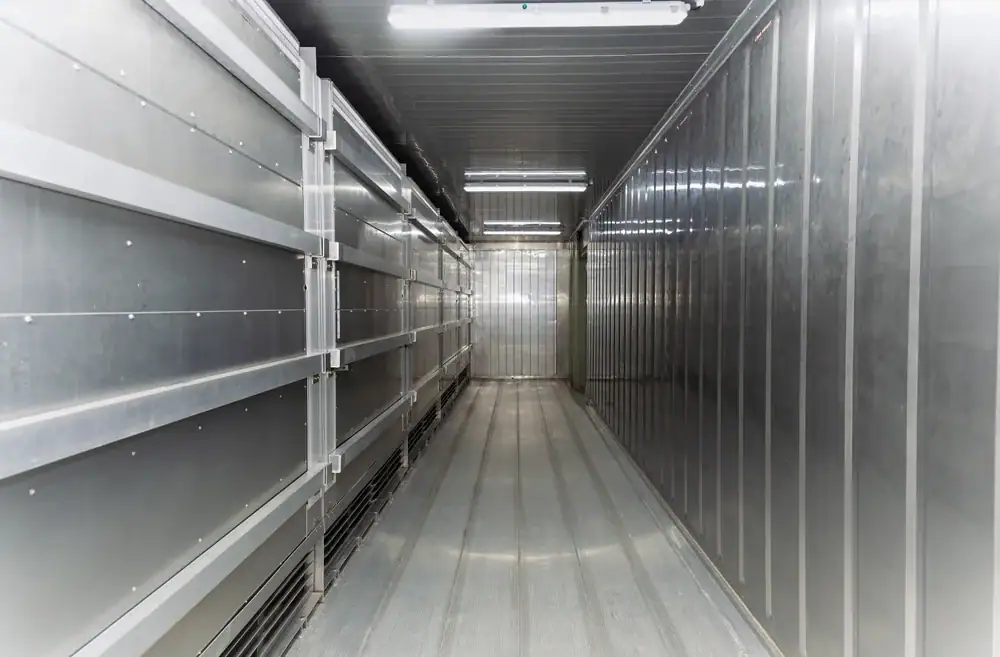
Your walk-in cooler doesn’t fail at 11 PM on a Friday. Your compressor doesn’t burn out because dirty coils made it work 40% harder than it should. Your food stays at temp, your health inspector stays happy, and your energy bill stops climbing every month.
That’s what proper commercial refrigeration looks like. Not just equipment that turns on, but systems that run efficiently, get maintained before they break, and actually last the 10-15 years they’re supposed to.
You’re not calling for emergency service every few months. You’re not replacing compressors years early because nobody cleaned the coils. You’re running a business, and your refrigeration is doing its job quietly in the background—which is exactly where it should be.
We’ve been handling commercial refrigeration and marine HVAC in the Greater New York area for over 40 years. That means we’ve seen what Long Island’s humid summers do to condensers, how salt air attacks outdoor components, and why your system needs quarterly attention—not just annual checkups.
Locust Valley businesses deal with specific challenges. The climate here isn’t kind to refrigeration equipment. Coastal humidity makes systems work overtime, and when you’re serving an affluent market that expects consistency, equipment failure isn’t an option.
We work with restaurants, catering halls, delis, yacht clubs, and food service operations throughout Nassau County. We also handle marine refrigeration—which is actually more complex than most commercial work because of space constraints, power limitations, and constant exposure to salt air. If it needs to stay cold on land or water, we’ve probably fixed it, installed it, or maintained it.

You call or contact us—24/7 if it’s an emergency. We ask the right questions to understand what’s happening with your system, not just what’s broken. Sometimes it’s obvious. Sometimes it’s not.
If it’s an emergency, we respond fast. Our trucks stay stocked with common parts for major brands—compressors, thermostats, door seals, fan motors. About 70% of emergency calls get fixed on the spot. For the rest, we get you a temporary solution so you don’t lose inventory while we source the right part.
For installations or planned maintenance, we schedule a time that works around your business hours. We assess your space, your needs, and your current setup. Then we recommend what actually makes sense—not the most expensive option, but the right one for your operation and budget.
Once the work starts, we communicate clearly about timing and any issues we find. When we’re done, your system works the way it should. And if you’re on a maintenance plan, we come back regularly to keep it that way—cleaning coils, checking refrigerant levels, catching small problems before they become expensive ones.
Ready to get started?
You get refrigeration service that accounts for Long Island’s climate. That means understanding how coastal humidity affects your equipment differently than it would inland. It means knowing that outdoor condensers near the water need more frequent coil cleaning, and that marine-grade components aren’t optional for yacht club applications—they’re necessary.
For Locust Valley businesses, energy efficiency matters. PSEG Long Island offers rebates for ENERGY STAR certified commercial refrigeration equipment, and we can help you access those incentives when you’re upgrading or installing new systems. Lower operating costs aren’t just good for your budget—they’re good for equipment longevity too.
You also get preventive maintenance that actually prevents problems. Dirty coils make compressors work harder and fail earlier. Refrigerant leaks cost you money every day they go undetected. Door seals that don’t seal right let cold air escape constantly. We catch this stuff during regular service visits, which is a lot cheaper than emergency repairs at midnight.
And when emergencies do happen, you get 24/7 response from people who’ve been doing this for decades. We’re not sending inexperienced techs to figure it out on your dime. We’re sending people who know refrigeration systems inside and out, including the marine applications that most commercial companies won’t touch.
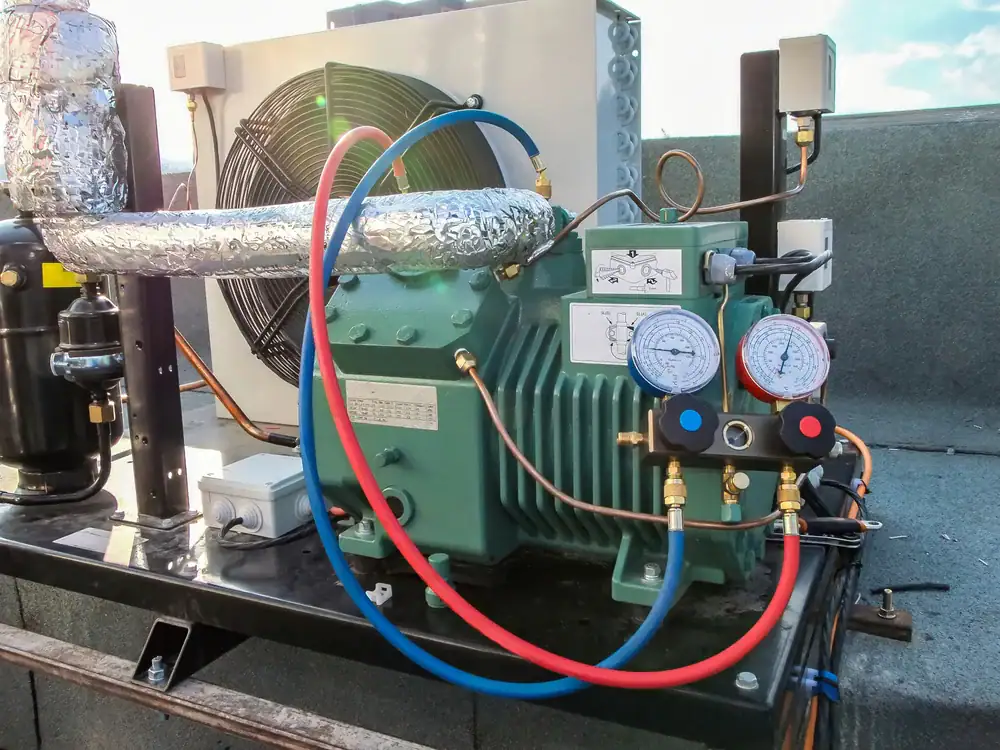
We offer 24/7 emergency service, and response time depends on where our techs are when you call. That said, we prioritize emergencies where inventory is at risk—restaurants with failing walk-ins, food service operations that can’t afford downtime, marine vessels with spoiling provisions.
When you call, we assess the situation immediately. If it’s truly urgent, we mobilize fast. Our emergency trucks carry common parts for major brands, which means about 70% of calls get resolved on the first visit. For the other 30%, we implement temporary solutions to protect your inventory while we get the right parts.
The key is calling as soon as you notice a problem. A cooler that’s running but not holding temp is easier to fix than one that’s been down for hours. The earlier we catch it, the better your outcome—and the lower your repair cost.
Regular maintenance means we come out on a schedule that makes sense for your equipment and usage—usually quarterly for commercial refrigeration in coastal areas like Locust Valley. Salt air and humidity accelerate wear, so more frequent service prevents bigger problems.
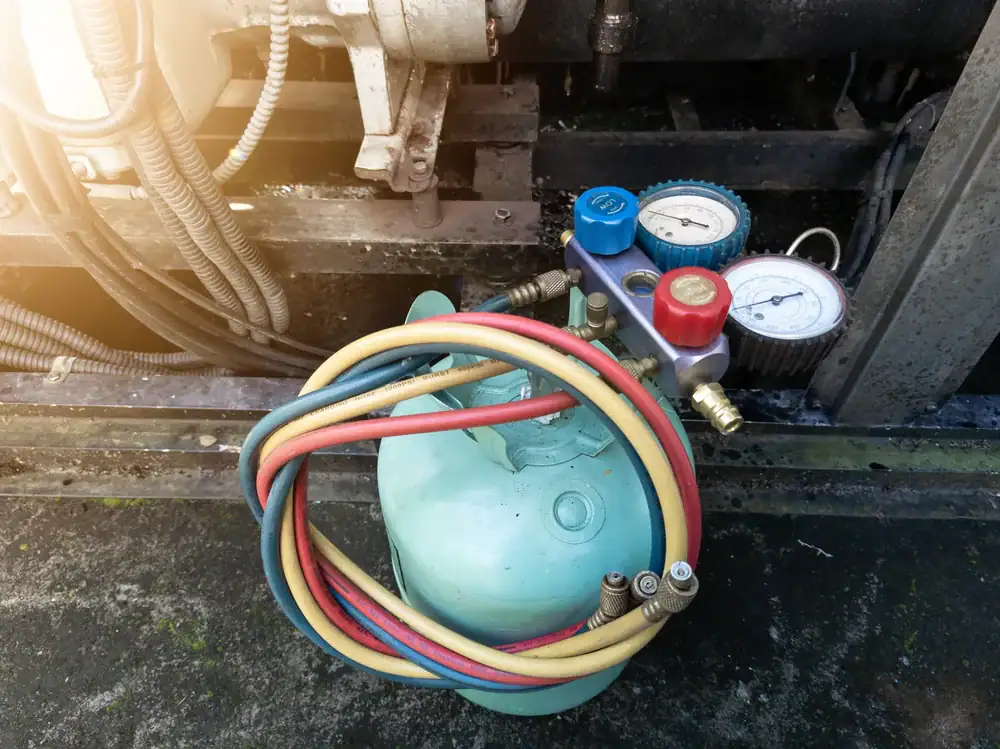
During each visit, we clean condenser coils, check refrigerant levels, inspect door seals and gaskets, test thermostats and controls, and look for early signs of compressor stress or electrical issues. We’re not just checking boxes—we’re catching the stuff that leads to expensive failures if ignored.
Dirty coils alone can make your compressor work 40% harder, which shortens its lifespan by years and drives up your energy costs every single month. A maintenance plan pays for itself by preventing emergency repairs, extending equipment life, and keeping your operating costs down. Plus, you’re not scrambling when something breaks—you’ve got a service relationship already in place.
Yes, and that combination is actually pretty rare. Most commercial refrigeration companies don’t touch marine work because it’s more complex. Marine systems deal with limited electrical capacity, constant motion, humid conditions, and salt air that destroys standard components.
We’ve been serving yacht clubs and individual boat owners throughout Long Island for decades, including ongoing work with Britannia Yacht Club. Marine refrigeration requires marine-grade parts and a different approach to installation and maintenance. Space constraints mean creative solutions. Power limitations mean efficiency is critical, not optional.
If you operate a commercial kitchen on land and also own a vessel, you’re dealing with one company for both—not trying to coordinate between a commercial HVAC contractor and a separate marine specialist. We understand both environments and how they differ, which means better service for both applications.
Quality commercial refrigeration equipment should give you 10-15 years minimum with proper maintenance. The problem is most businesses skip maintenance until something breaks, which cuts that lifespan significantly.
Compressors fail early when they’re overworked by dirty coils, low refrigerant, or poor airflow. Door seals that don’t seal right make the system run constantly, which wears everything out faster. Small refrigerant leaks cost you efficiency every day until they become big leaks that require expensive repairs.
Here’s the thing: the commercial refrigeration market is growing because businesses are replacing equipment that failed prematurely. With Long Island’s climate—humid summers, salt air, temperature swings—your equipment works harder than it would in a milder environment. Regular maintenance isn’t optional if you want to hit that 10-15 year mark. It’s the difference between replacing a compressor at year 6 and running the same equipment reliably for over a decade.
Salt air is corrosive. It attacks outdoor components constantly, especially condensers and any exposed metal. Coastal humidity makes your refrigeration systems work harder because they’re fighting moisture in the air on top of their normal cooling load. These aren’t minor factors—they directly impact how often you need service and how long your equipment lasts.
In Locust Valley and throughout Nassau County’s coastal areas, quarterly coil cleaning isn’t excessive—it’s necessary. Condensers clog faster here than they would inland. Corrosion happens faster. Components that would last years in a different climate need replacement sooner near the water.
We account for these conditions in our maintenance schedules and part recommendations. Marine-grade components cost more upfront but last longer in salt air environments. More frequent service visits prevent the accelerated wear that coastal businesses deal with. If your refrigeration contractor isn’t talking about these factors, they don’t understand the local environment—and that’ll cost you money in premature failures and emergency repairs.
Yes. PSEG Long Island offers rebates and incentives for businesses that invest in ENERGY STAR certified commercial refrigeration equipment. These programs are designed to offset the upfront cost of more efficient systems, and we can help you navigate what’s available and what qualifies.
Energy-efficient refrigeration isn’t just about rebates—it’s about lower operating costs every month for the life of the equipment. Newer systems with better insulation, variable-speed compressors, and improved controls use significantly less power than older units. In a commercial kitchen running refrigeration 24/7, that adds up fast.
When you’re looking at new installations or replacing aging equipment, we assess your current energy usage and project what you’d save with upgraded systems. Sometimes the payback period is shorter than you’d think, especially when you factor in rebates, lower maintenance costs, and fewer emergency repairs. We recommend what makes financial sense for your operation, not just what’s newest or most expensive.