Hear from Our Customers
You stop losing sleep over whether your cooler will make it through the weekend. Your food costs stay predictable because nothing’s spoiling unexpectedly. Your staff isn’t scrambling to move product or explain to customers why half the menu isn’t available.
Your energy bills drop because the system isn’t running itself into the ground trying to maintain temperature. Health inspections become routine instead of stressful. And when something does go wrong, you have a number that gets answered at 2 AM by someone who knows your setup.
That’s what proper commercial refrigeration service looks like. Not just fixing what breaks, but keeping it from breaking in the first place. Not just showing up eventually, but being there when it actually matters.
We’ve been handling commercial refrigeration systems across Nassau County since before most of your current equipment was manufactured. That’s 40 years of emergency calls, system installations, and maintenance work from Montauk to Manhattan.
Muttontown sits in one of the wealthiest areas on Long Island, which means the restaurants, catering halls, and food service operations here can’t afford downtime or amateur work. Your customers expect quality. Your margins are already tight. Your reputation depends on consistency.
We built our business on understanding that pressure. Licensed, insured, and available around the clock because refrigeration emergencies don’t respect business hours. We handle everything from walk-in cooler installations to custom beer systems to marine HVAC work that most contractors won’t touch.
First, you talk to someone who understands refrigeration systems, not an answering service reading a script. We ask the right questions to understand whether this is a quick fix or something more serious. If it’s an emergency, we’re typically on-site within two hours.
When we arrive, we diagnose the actual problem, not just the symptom. A compressor that’s overheating might be a failing component, or it might be a refrigerant issue, airflow problem, or electrical fault. We explain what we find in plain terms and give you options with real numbers.
For installations and larger projects, we start with a free consultation at your location. We measure, assess your actual needs versus what you think you need, and design a system that matches your operation. Then we handle permits, installation, testing, and training your staff on proper operation. One point of contact, start to finish.
Maintenance programs get scheduled around your business, not ours. We show up when promised, document everything, and catch small issues before they become expensive emergencies. You get a real maintenance log, not a generic checklist.
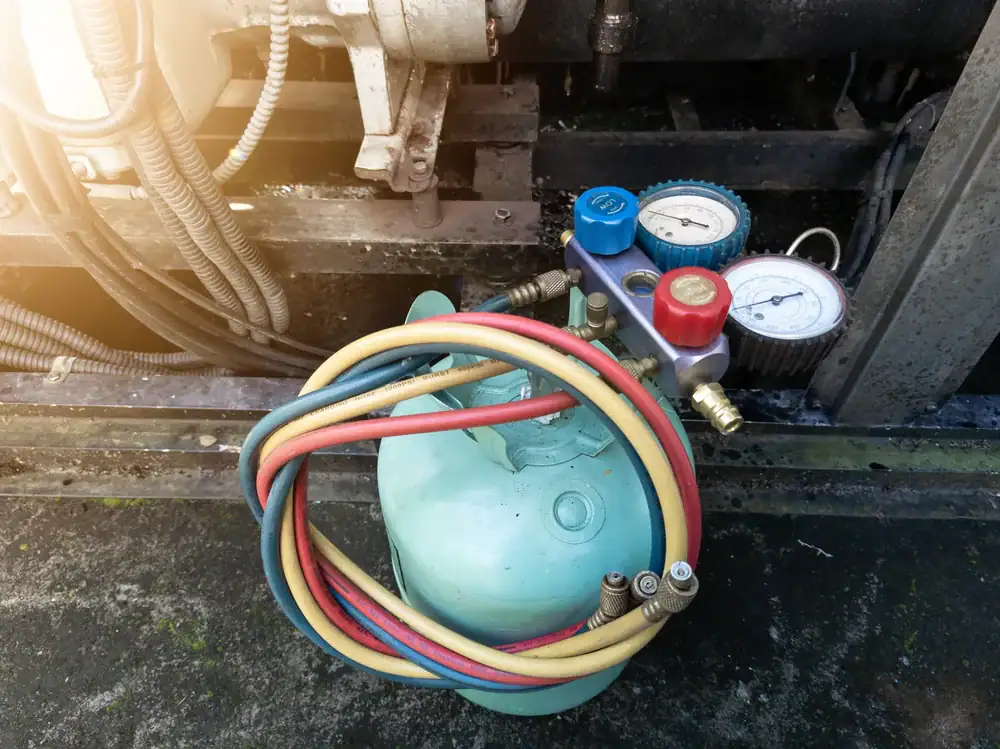
Ready to get started?
Complete refrigeration service means we handle walk-in coolers, walk-in freezers, reach-in units, prep tables, ice machines, display cases, and custom beer systems. New installations, emergency repairs, preventive maintenance, and system upgrades to meet the new DOE efficiency standards hitting in 2029.
Long Island presents specific challenges most contractors don’t think about. The salt air from being surrounded by water corrodes outdoor components faster. Summer humidity makes systems work harder. Seasonal tourism creates demand spikes that stress equipment. We account for all of it.
You’re also dealing with a regulatory environment that’s getting stricter. The Department of Energy just mandated a 15% efficiency jump for commercial refrigeration equipment. That means older systems will cost more to run and eventually need replacement with low-GWP refrigerant units. We help you plan that transition without disrupting your operation.
For restaurants and bars in the Muttontown area, we install and service draft beer systems that require precise temperature control and regular maintenance. For marine operations, we handle the HVAC systems on vessels, which is specialized work that standard HVAC contractors can’t do properly. For catering halls and larger facilities, we design and install complete refrigeration solutions from scratch.
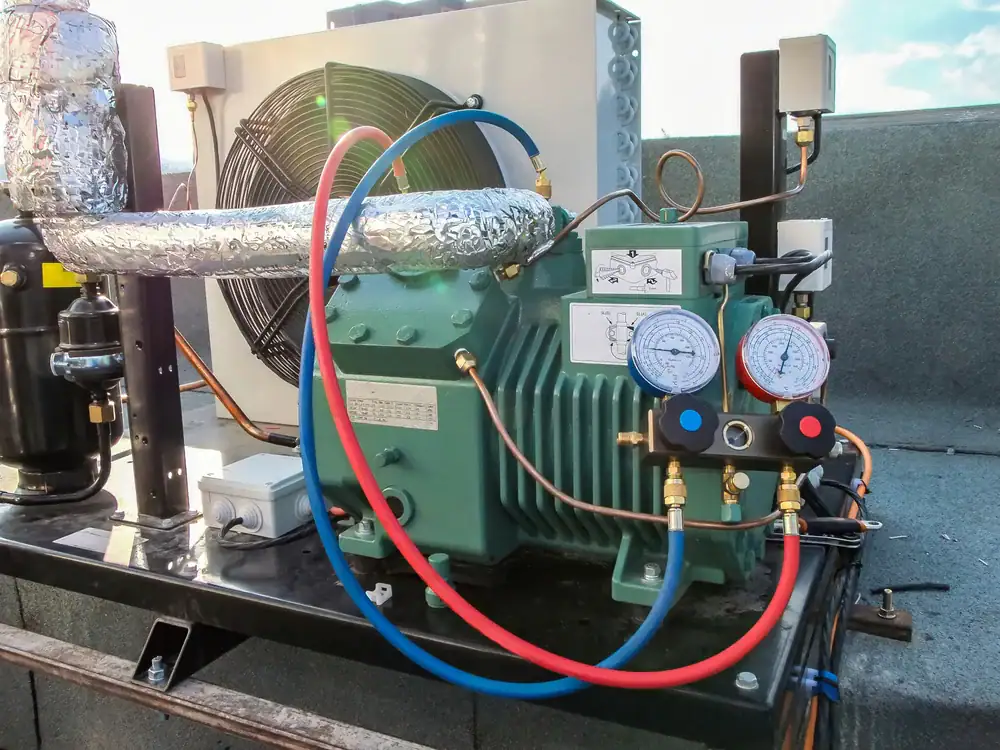
We average under two hours for emergency calls in Nassau County, including Muttontown. That’s not a guarantee because traffic and current call volume matter, but it’s our typical response time when you call our 24/7 line.
Here’s what actually determines response time: where our technicians are currently working, what parts we have in inventory, and how clearly you can describe the problem when you call. If you tell us “the cooler isn’t working,” we bring diagnostic tools. If you tell us “the compressor is running but the temperature is climbing and there’s ice buildup on the evaporator coils,” we bring specific parts and get there faster.
For context, a walk-in cooler will typically hold safe temperature for 4-6 hours after failure if you keep the door closed. A freezer might hold for 24-48 hours depending on how full it is. That’s your window. We treat every emergency call like your inventory and revenue are at stake, because they are.
If the repair costs more than 50% of replacement value and your equipment is over 10 years old, replacement usually makes more financial sense. But that’s the simplified version.
You also need to factor in efficiency. Older systems can cost 30-40% more to operate than new equipment meeting current DOE standards. If your energy bills are high and the system needs a major repair, the payback period on new equipment might be 2-3 years. That’s a replacement decision.
Refrigerant type matters too. If your system uses R-22 (which is being phased out), refrigerant costs for future repairs will keep climbing. New systems use R-448A, R-449A, or R-452A, which are more available and stable in price. We run the actual numbers for your situation during the consultation, not generic advice. Your usage patterns, local energy costs, and equipment condition all affect the math.
Preventive maintenance customers experience about 40% better uptime than break-fix customers. That’s documented across the industry, not our marketing claim. The question is whether that matters enough for your operation.
If you’re a small deli with one reach-in cooler and can afford to close for a day if it fails, maybe you skip it. If you’re a restaurant with $8,000 in inventory and weekend revenue of $15,000, a single failure costs more than a year of maintenance.
Here’s what actually happens during maintenance: we clean condenser coils (dirty coils make the system work 20-30% harder), check refrigerant levels, test electrical connections, inspect door seals, verify temperature accuracy, and catch component wear before failure. For Long Island specifically, we deal with salt air corrosion on outdoor components that most maintenance plans ignore. Three or four service calls per year typically prevent 80% of emergency failures. You decide if that math works for your business.
If your commercial refrigeration equipment was manufactured before 2010, it almost certainly won’t meet the new DOE standards taking effect in 2029. Equipment from 2010-2017 might meet them depending on the model. Anything newer probably does.
The new rules require a 15% efficiency improvement over current standards. That affects energy consumption, which affects your operating costs. The bigger issue is refrigerant. Systems using older high-GWP refrigerants will need conversion or replacement as those refrigerants become restricted.
We can assess your current equipment during a free consultation and tell you exactly where you stand. Some systems can be retrofitted with more efficient components or converted to approved refrigerants. Others are better replaced entirely, especially if they’re already 10+ years old and showing wear. The deadline is still a few years out, but equipment lead times are getting longer and prices will likely increase as the deadline approaches. Planning now gives you more options than waiting until 2028.
Restaurants have more diverse refrigeration needs and less redundancy than most food service operations. A catering hall might have three walk-in coolers and can shift product if one fails. A restaurant typically has exactly what it needs with no backup, and the menu depends on specific items being available.
Restaurants also run hotter kitchens, which makes refrigeration systems work harder. You’ve got ovens, grills, and fryers creating ambient heat that the coolers have to fight against. Door traffic is constant during service. Temperature fluctuations are more extreme. All of that shortens equipment life and increases failure risk.
Draft beer systems add another layer. Those require precise temperature control, regular line cleaning, and CO2 system maintenance. The profit margin on draft beer is high enough that system problems directly hit your bottom line. We handle the complete setup for restaurants: food refrigeration, beer systems, ice machines, and prep table coolers. Most contractors specialize in one area. We cover all of it because restaurants need all of it working simultaneously.
Yes, and that’s actually uncommon. Most commercial refrigeration contractors won’t touch marine HVAC work because it requires different expertise, and most marine HVAC contractors don’t handle commercial refrigeration. We do both.
Marine refrigeration systems deal with constant motion, salt water exposure, space constraints, and power limitations that land-based systems don’t face. The components are similar but the installation, maintenance, and repair approach is completely different. You need to understand marine electrical systems, deal with corrosion issues that develop much faster, and work in tight spaces.
For Long Island marinas, yacht clubs, and commercial vessels, this matters. Your boat’s refrigeration system failing while you’re docked is inconvenient. Having it fail while you’re out on the water is a bigger problem. We service systems at the dock, handle installations and upgrades, and provide emergency support for marine applications throughout Nassau and Suffolk County. It’s specialized work, but it’s work we’ve been doing for 40 years.