Hear from Our Customers
You’re not losing sleep wondering if your cooler will make it through the weekend. Your food stays at safe temperatures. Your health inspector has nothing to flag.
That’s what happens when your commercial refrigeration systems actually work the way they’re supposed to. No surprise failures during dinner rush. No scrambling to find emergency service at triple the normal rate. No watching thousands of dollars in inventory spoil because a compressor gave out.
Your refrigeration runs quietly in the background while you focus on running your restaurant, deli, or catering operation. Equipment failures don’t dictate your schedule anymore. Preventable breakdowns stay prevented.
When something does go wrong, you have a number to call that actually answers. Someone who knows your setup shows up within hours, not days. The repair gets done right, with parts that last and work that meets every health code requirement.
That’s not asking for much. It’s what commercial refrigeration service should be in Garden City, NY.
We’ve been handling commercial refrigeration in Garden City since before Roosevelt Field became what it is today. Over 40 years watching this area grow means we’ve seen every type of system, every failure pattern, and every shortcut that comes back to bite you later.
We’re licensed, insured, and EPA-certified because those aren’t optional. We service everything from the restaurants around Seventh Street to the catering halls hosting weekend events to the delis that keep neighborhoods fed.
Garden City businesses don’t have time for refrigeration companies that show up late, guess at diagnostics, or disappear when you need them most. We’re here 24/7 because equipment failures don’t respect your operating hours. Our trucks run from Montauk to Manhattan, but we know the specific demands Long Island’s climate puts on your cooling systems.
You call or contact us about a problem, a maintenance schedule, or a new installation. We ask the right questions up front so we’re not wasting your time or ours.
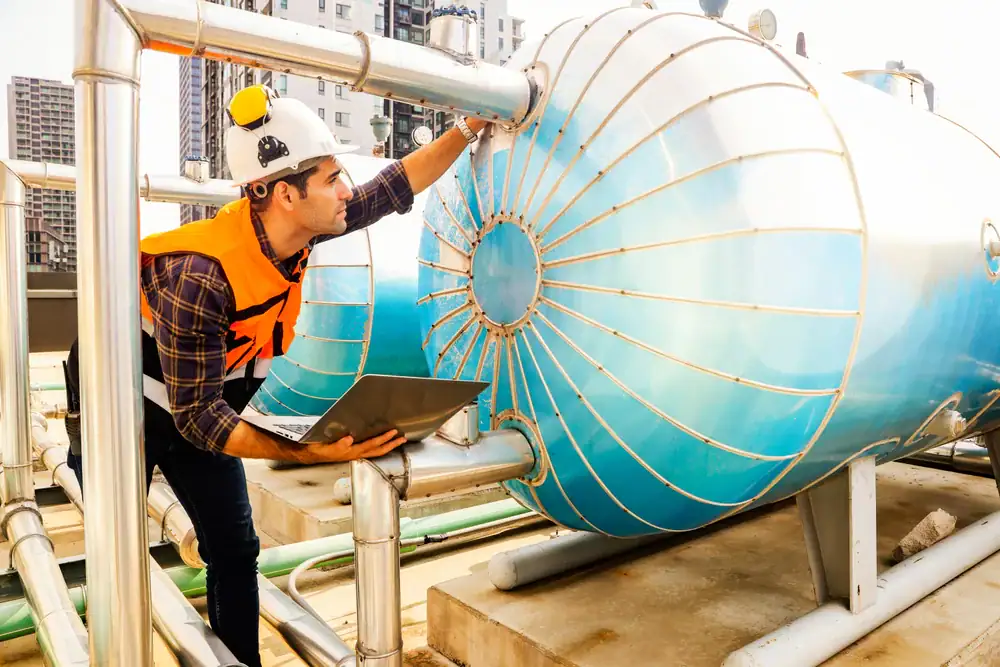
For emergency refrigeration repairs, we’re typically on-site within 2-4 hours. Our techs show up with the diagnostic tools and common parts that solve 80% of commercial refrigeration failures. We assess what’s actually wrong, not what we hope is wrong because it’s an easier fix.
You get a clear explanation of the problem and a detailed estimate before we start work. No surprises. No hidden fees. If it’s a compressor failure, we tell you. If it’s a simple refrigerant leak, we tell you that too.
The repair or installation gets done with NSF-certified parts and methods that meet FDA, USDA, and local health department requirements. We test everything before we leave. Your system either holds temperature properly or we’re not done.
For refrigeration maintenance, we put you on a schedule that makes sense for your business cycle and equipment age. Regular service catches the failures before they happen. You avoid the emergency call premiums and the inventory loss.
Ready to get started?
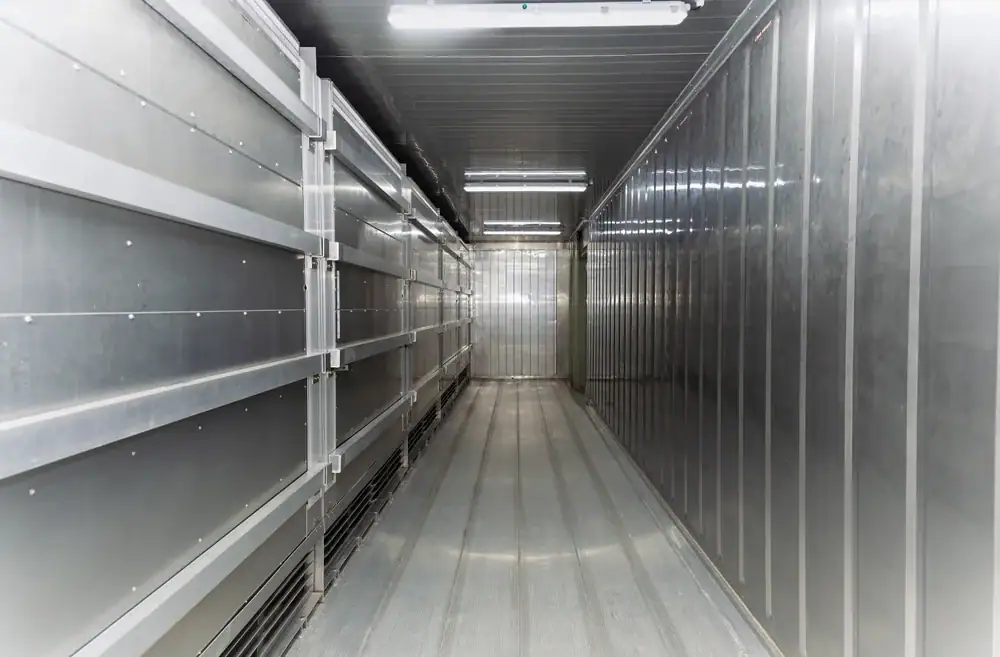
Walk-in coolers and freezers get full diagnostics, repairs, and installations. We handle the refrigeration systems that keep your main inventory safe, whether that’s a small reach-in unit or a custom walk-in box that takes up half your back room.
Display cases, ice machines, and complex beer systems all fall under what we service. Garden City restaurants running craft beer programs need cooling systems that maintain exact temperatures. We install and maintain those systems so your product stays consistent.
Emergency refrigeration repairs mean we’re responding 24/7 when your system fails. Long Island summers put serious strain on commercial refrigeration. Your compressor doesn’t care that it’s Sunday morning or that you’re fully booked for a wedding reception. We show up anyway.
Refrigeration maintenance programs get customized to your equipment and your business. A deli running six reach-in units needs different service intervals than a catering hall with two large walk-ins. We schedule preventive maintenance during your slow periods so you’re not losing revenue to planned downtime.
Energy-efficient refrigeration installation cuts your operating costs long-term. Newer systems use less power and break down less often. We’ll tell you honestly when replacement makes more sense than another repair on a 15-year-old unit.
Most emergency calls get a response within 2-4 hours. That’s actual arrival time, not “we’ll call you back” time.
When your walk-in cooler fails, every hour counts. Food safety guidelines say most refrigerated items become unsafe after four hours above 40°F. We know that. Our emergency service exists because refrigeration failures don’t happen during convenient business hours.
We keep common parts in our trucks because the most frequent failures involve the same components. Compressors, evaporator fans, thermostats, and refrigerant leaks account for the majority of emergency calls. If we can diagnose it on-site and we have the part, you’re back up and running the same day.
Some repairs require ordering specialized parts or doing more extensive work. We’ll tell you that up front and help you manage your inventory in the meantime.
About 80% of refrigeration failures are preventable with regular maintenance. That’s not a sales pitch, that’s what the data shows.
Dirty condenser coils make your compressor work harder and fail sooner. Refrigerant leaks start small and get worse. Door gaskets wear out and let warm air in, forcing your system to run constantly. These problems don’t announce themselves until they cause a complete failure.
Scheduled maintenance catches these issues early. We clean coils, check refrigerant levels, test electrical components, inspect door seals, and verify that your system is holding proper temperatures. Most businesses on maintenance programs see their emergency service calls drop significantly.
The average Garden City restaurant spends over $2,200 annually on refrigeration repairs. Regular maintenance typically costs less than one major emergency repair, and it prevents most of those emergency situations from happening in the first place.
Every installation meets or exceeds FDA, USDA, and Nassau County health department requirements. We’re not interested in doing work that fails inspection.
Commercial refrigeration for food service has specific regulations. Temperature monitoring, proper drainage, NSF-certified materials, adequate air circulation, and accessible cleaning areas all factor into code compliance. We handle these requirements as standard procedure, not as extras.
Our techs are trained on food safety regulations because installing a system that can’t pass inspection wastes everyone’s time and money. We use NSF-certified parts, follow proper sanitation protocols during installation and repairs, and make sure your temperature logs will satisfy any health inspector.
If you’re opening a new restaurant or upgrading existing equipment, we’ll walk you through what the health department will look for. Your refrigeration systems need to maintain food at safe temperatures consistently. That’s the whole point. We install and service equipment that actually does that.
It depends on the age of your equipment, the extent of the damage, and how much life you can realistically expect from a repair.
A compressor replacement on a 5-year-old walk-in cooler usually makes sense. That same repair on a 15-year-old unit might not. Older systems use more energy, require more frequent repairs, and often use refrigerants that are being phased out. At some point you’re just delaying the inevitable.
We’ll give you an honest assessment. If your refrigeration system is worth repairing, we’ll tell you. If you’re throwing money at equipment that’s going to fail again in six months, we’ll tell you that too.
New energy-efficient refrigeration systems typically use 20-30% less power than units from ten years ago. Those savings add up over time. Commercial refrigeration represents about 40% of energy costs for most food service businesses. Sometimes the monthly savings on your electric bill justify the upfront cost of replacement.
We handle walk-in coolers and freezers, reach-in refrigerators, display cases, ice machines, beer systems, and custom cooling solutions. If it keeps food or beverages cold for commercial purposes, we service it.
Garden City has diverse food service businesses. A deli needs different refrigeration than a catering hall. A restaurant with an extensive beer program needs precise temperature control that a basic cooler can’t provide. We’ve installed and serviced all of these systems.
Some refrigeration companies specialize in one type of equipment. We’ve been doing this for over 40 years, which means we’ve worked on everything. Marine HVAC installations, complex beer systems, custom walk-in configurations for tight spaces, standard reach-in units, specialized display cases for delis—we’ve handled all of it.
If your refrigeration needs are straightforward, we handle those efficiently. If you need something custom or complex, we have the experience to design and install systems that other companies can’t match.
Summer heat and winter temperature swings put extra strain on refrigeration equipment. Systems work harder when ambient temperatures are high, which means more wear on compressors and other components.
Garden City summers regularly hit the 80s and 90s. Your refrigeration systems are fighting against that heat to maintain 35-40°F inside your coolers. The greater the temperature difference, the harder your equipment works. Condenser coils get dirty faster. Compressors run longer cycles. Refrigerant pressures increase.
Coastal humidity also affects performance. Moisture in the air means more frost buildup on evaporator coils, which reduces efficiency and forces your system to work harder. Regular maintenance becomes more important in this climate.
We schedule preventive maintenance with Long Island’s climate in mind. Getting your refrigeration systems serviced before summer hits prevents failures during your busiest season. Most restaurants and catering operations see peak business in warm weather. That’s the worst possible time for your coolers to fail.