Hear from Our Customers
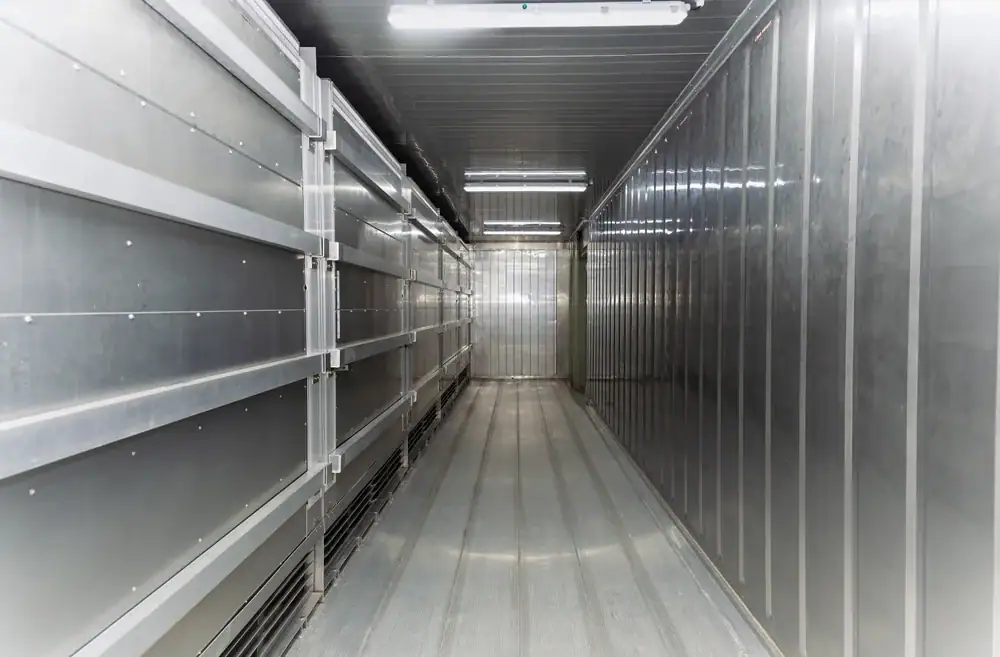
You stop worrying about whether your walk-in will hold temperature through the dinner rush. Your staff isn’t scrambling to move product into backup coolers at closing time. You’re not throwing away thousands in spoiled inventory because a compressor decided to quit on the busiest weekend of the month.
Consistent temperatures mean your food stays safe, your health inspections stay clean, and your operating costs stay predictable. When equipment does need attention, you get a straight answer about what’s wrong and what it’ll take to fix it—not a runaround or an inflated estimate.
The difference between a refrigeration system that works and one that doesn’t isn’t subtle. It’s the difference between running your restaurant and scrambling to save it. You need equipment that holds temp, a service team that responds when you call, and someone who understands that downtime isn’t an option in food service.
We’ve been handling commercial refrigeration across Nassau County since the early 1980s. That’s over 40 years of walk-in coolers, reach-in freezers, beer systems, and emergency calls at hours most people are asleep.
Glen Cove’s restaurant scene—from seafood spots near the waterfront to delis along Glen Cove Avenue—runs on equipment that can’t afford to fail. We’ve worked with enough kitchens, catering operations, and food retailers in this area to know what breaks, why it breaks, and how to fix it before it costs you a weekend’s revenue.
We also specialize in marine HVAC systems, which means we understand refrigeration in environments most contractors won’t touch. If it needs to stay cold and it’s critical to your operation, we’ve probably worked on it.
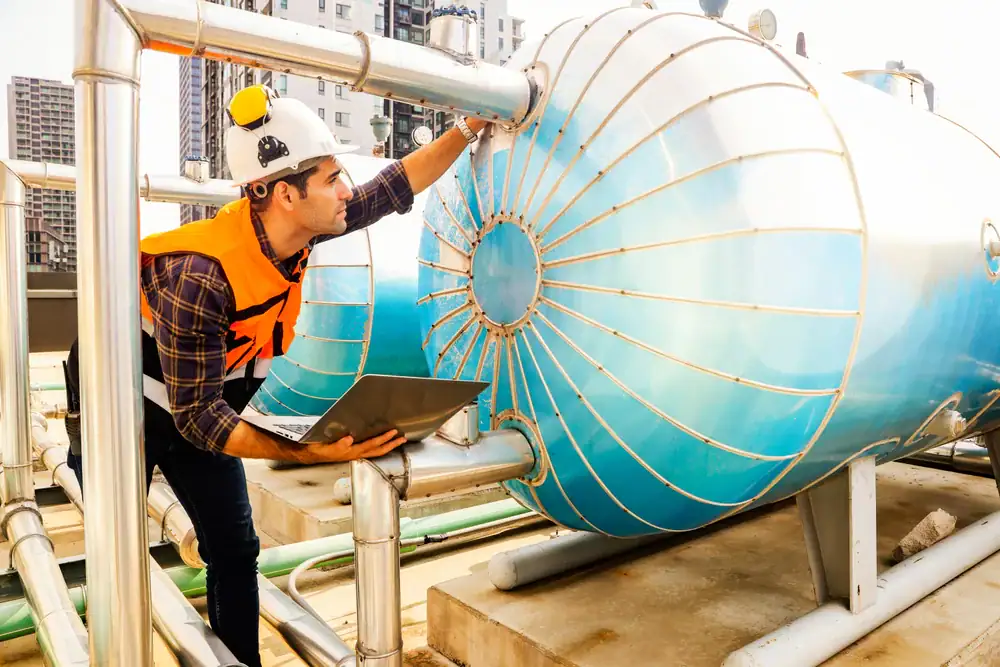
First, we pick up the phone. If it’s an emergency, we respond 24/7—not on Monday morning, not when it’s convenient. You tell us what’s happening, and we ask the questions that help us show up with the right parts and the right plan.
When we arrive, we diagnose the issue without the upselling routine. If your evaporator coils are caked with dust and your compressor is overheating because nobody’s cleaned them in two years, we’ll tell you that. If you need a new compressor, we’ll explain why and what it costs. If you don’t, we won’t try to sell you one.
Repairs get done right the first time. Installations get planned around your operation, not our schedule. Maintenance gets handled before small problems become expensive failures. And if something goes sideways after hours, you’ve got a number to call that someone will actually answer.
Ready to get started?
You get installation for new walk-ins, reach-ins, display cases, and custom cooling setups. We handle refrigeration for full kitchens, bar systems, prep areas, and storage facilities. If you’re opening a new location or replacing failing equipment, we’ll spec the right system for your space and your volume.
Maintenance includes coil cleaning, refrigerant checks, door seal inspections, and the kind of preventive work that keeps compressors from burning out during your busiest season. Glen Cove’s proximity to the water means salt air and humidity—your refrigeration systems work harder here than they would inland, and they need service that accounts for that.
Emergency repairs cover everything from refrigerant leaks to failed compressors, broken condensers, and electrical issues that shut your system down without warning. We also work on beer and beverage systems, which have their own quirks and require someone who knows how to dial in the right temps without freezing lines or losing carbonation.
You also get free estimates up front, so there’s no surprise when the bill comes. And because we’ve been doing this for 40 years across Long Island and the greater New York area, we’ve seen just about every refrigeration problem a commercial kitchen or food service operation can throw at us.
We offer 24/7 emergency response, which means if your walk-in fails at midnight, you’re not waiting until Monday morning to get help. Response time depends on where we are when you call and what else is happening, but emergency calls get priority—especially when you’re looking at major product loss.
When you call, we’ll ask what’s happening with your system so we can bring the right tools and parts. If it’s a common failure like a blown compressor or a refrigerant leak, there’s a good chance we’ve got what we need on the truck. If it’s something unusual, we’ll tell you what we need to source and how long that’ll take.
The goal is to get your system back online or at least stabilize it so you’re not losing inventory. Sometimes that means a temporary fix to get you through the weekend and a permanent repair scheduled for when you’re less busy. We’ll talk through the options and let you decide what makes sense for your operation.
Regular maintenance means cleaning condenser and evaporator coils, checking refrigerant levels, inspecting door seals and gaskets, and making sure your compressor isn’t working harder than it needs to. Dirty coils alone can reduce cooling efficiency by 30% and cause your compressor to overheat, which is one of the most expensive failures you can have.
We also check electrical connections, test thermostats and controls, and look for early signs of wear that could turn into bigger problems. If your system is running constantly or struggling to hold temperature, that’s usually a sign something needs attention before it fails completely.
How often you need maintenance depends on your equipment and how hard you’re running it. A busy restaurant kitchen with a walk-in that’s opened 200 times a day needs more frequent service than a small deli with a single reach-in cooler. We’ll give you a realistic schedule based on your actual usage, not a one-size-fits-all recommendation that doesn’t account for how you operate.
If your system is more than 15 years old, requires frequent repairs, or can’t hold consistent temperatures even after service, replacement usually makes more sense than pouring money into an aging compressor. Newer systems are also significantly more energy-efficient, which means lower utility bills that can offset the cost of new equipment over time.
We’ll walk you through the math. If you’re spending $2,000 a year on repairs for a system that’s going to need a $4,000 compressor replacement within the next 18 months, and a new unit costs $8,000 installed, replacement is the smarter move. But if your equipment is relatively new and the repair is straightforward, we’re not going to push you toward a new system you don’t need.
The other factor is reliability. If your cooler is failing during peak business hours and putting your inventory at risk, that’s a cost that goes beyond the repair bill. At a certain point, the peace of mind of knowing your refrigeration won’t fail on a Saturday night is worth the investment in new equipment.
We work with restaurants, delis, pizzerias, catering operations, bars, food markets, convenience stores, and any other business that depends on commercial refrigeration to operate. We’ve also handled refrigeration for larger facilities like airport food service operations and event venues that need systems capable of handling high volume.
Glen Cove has a mix of waterfront dining, neighborhood food spots, and retail operations that all have different refrigeration needs. A seafood restaurant near the marina has different requirements than a deli on Glen Street, and we’ve worked with both. We also have specialized experience with marine HVAC and refrigeration, which means if you’re operating in or near marine environments, we understand the challenges that come with that.
If you’re in food service and you need refrigeration that works, we’ve probably handled something similar. We’ll come out, assess what you need, and give you a straight answer about what it’ll take to keep your operation running.
Yes. We’ll come out, look at your space or your equipment, and give you a clear estimate for what the work will cost. No hidden fees, no surprise charges when the job is done. If the scope changes because we find additional issues once we’re into the repair, we’ll talk to you before we do the work—not after.
For installations, we’ll help you figure out what size and type of system makes sense for your operation. If you’re opening a new restaurant or replacing a failing walk-in, we’ll take into account your menu, your volume, your space constraints, and your budget. We’re not going to spec you into a system that’s bigger or more expensive than what you actually need.
The estimate process is also a chance for you to ask questions and make sure we’re the right fit for the job. We’ve been doing this long enough to know that the best client relationships start with clear communication and realistic expectations. If we can’t do what you need or if there’s a better option, we’ll tell you that too.
We’ve been doing this for over 40 years, which means we’ve seen just about every refrigeration failure, installation challenge, and emergency situation a commercial kitchen can produce. We also specialize in marine HVAC systems, which gives us experience with refrigeration in harsh environments that most contractors don’t deal with.
We answer the phone when you call, including nights and weekends. We show up when we say we will. We don’t upsell you on equipment or repairs you don’t need, and we don’t disappear after the install is done. If something goes wrong, we come back and make it right.
The other difference is that we actually understand food service operations. We know what it means when a walk-in goes down on a Friday night. We know you can’t wait three days for a part to come in. And we know that when you call for help, you need someone who’s going to fix the problem—not give you excuses about why it’ll take a week to get a tech out to your location.
Other Services we provide in Glen Cove