
Hear from Our Customers
Your refrigeration system doesn’t care that it’s the weekend. It doesn’t wait for convenient business hours to break down. And when it does fail, you’re looking at thousands in lost inventory, angry customers, and potential health code violations.
That’s the reality for restaurants, delis, and food service businesses across Nassau County. Your cooler keeps everything running. When it stops, everything stops.
Here’s what matters: response time, the right parts on hand, and someone who actually knows how Long Island’s salt air and humidity affect your equipment. Most commercial refrigeration companies show up, patch the problem, and leave. Then you’re calling again in three weeks because they fixed the symptom, not the cause.
You need a system that handles summer heat when your compressor is working overtime. You need door seals that survive winter temperature swings. You need someone who understands that your walk-in cooler in Massapequa faces different challenges than one in Arizona.
We’ve spent over 40 years working on commercial refrigeration systems across Nassau and Suffolk Counties. We’ve seen every failure mode, every workaround that doesn’t work, and every shortcut that costs you more later.
Our trucks carry parts for every major brand because waiting three days for a compressor isn’t realistic when you’ve got $8,000 of inventory warming up. We’re licensed, insured, and available 24/7 because refrigeration emergencies don’t respect your schedule.
What makes us different in Massapequa? We understand coastal equipment challenges. Salt air destroys electrical connections. Humidity stresses seals and gaskets. Temperature swings from 10°F winters to 90°F summers force your system to work harder than equipment inland. We design and maintain refrigeration systems that account for these conditions from day one.
When you call with an emergency, we pick up. Not an answering service, not a voicemail. A technician answers and can often walk you through immediate steps while driving to your location. Most emergency calls get fixed on the spot. For the rest, we implement a temporary solution so you don’t lose inventory while we source the right parts.
For new installations, we start by understanding how you actually use your space. A catering hall needs different cooling capacity than a deli. We calculate load requirements based on your real usage patterns, not generic formulas. Then we spec equipment that fits your electrical capacity, your space constraints, and your budget.
Maintenance customers get quarterly inspections where we test every component, check refrigerant levels, clean condenser coils, and verify door seals. We catch small problems before they become expensive failures. Our maintenance clients routinely get 15+ years from equipment because we’re preventing breakdowns, not just reacting to them.
Every installation includes thorough testing, staff training on proper use, and a maintenance plan. You get our 24/7 emergency number because even well-maintained systems can fail, and when they do, you need someone who answers.
Ready to get started?
Long Island’s climate is brutal on refrigeration equipment. Summer heat makes compressors work harder. Winter cold affects door seals. Constant humidity changes stress the entire system. And that salt air from the Atlantic? It’s actively corroding your electrical connections and control panels right now.
Your refrigeration system needs protection that accounts for these conditions. That means marine-grade electrical connections in coastal areas. It means condensers positioned away from direct salt air exposure. It means door gaskets rated for temperature extremes and humidity.
New York’s refrigerant regulations add another layer of complexity. Part 494 prohibits refrigerants with high global warming potential, including R-404A that’s common in older commercial systems. If your system uses restricted refrigerants, you need a plan for compliance before you face an emergency and discover nobody can legally service your equipment.
We handle walk-in coolers, walk-in freezers, reach-in refrigerators, display cases, ice machines, and beer systems. Every installation starts with a free estimate where we evaluate what will actually work for your business and your budget. No generic solutions. No high-pressure sales tactics. Just honest assessment of what you need.
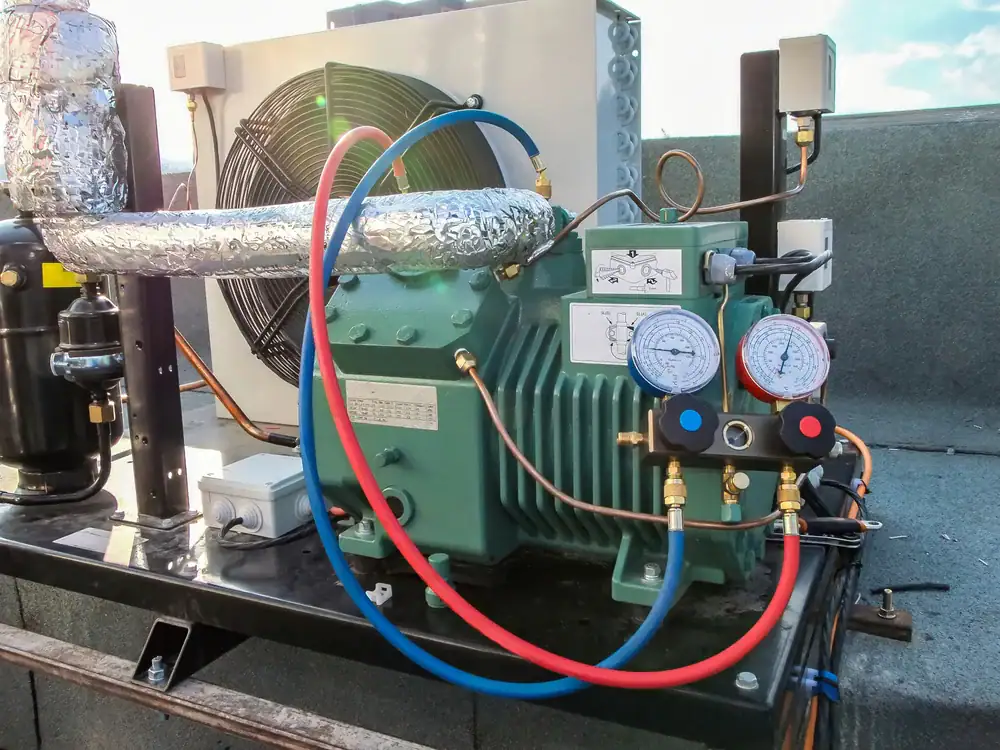
We typically respond within one to two hours of your emergency call. Our technicians are spread across Nassau and Suffolk Counties, so there’s usually someone nearby when you need help.
When you call our 24/7 emergency line, a technician answers. Not an answering service. They can often walk you through immediate troubleshooting steps while driving to your location. About 70% of emergency calls get resolved on the spot because our trucks carry parts for all major brands.
For the remaining 30%, we implement a temporary solution to protect your inventory while we source specialized parts. That might mean bypassing a failed component, adjusting temperature settings, or bringing in supplemental cooling. The goal is preventing loss while we complete the permanent repair.
Salt air is the biggest culprit. It causes aggressive corrosion on electrical connections, control panels, and condenser coils. Equipment near the water deteriorates faster than the same equipment installed inland.
Temperature extremes stress your system. Suffolk County swings from below 10°F in winter to above 90°F in summer. Your compressor works harder in summer heat. Your door seals contract and expand with temperature changes. The constant cycling wears components faster.
Humidity compounds both problems. It accelerates corrosion and forces your system to remove moisture from the air while cooling. That’s extra work your compressor wasn’t designed for in drier climates. Combined, these factors mean commercial refrigeration equipment in Massapequa needs more frequent maintenance and marine-grade protection to achieve normal lifespan.
If your system is over 15 years old and facing a major repair like a compressor replacement, replacement usually makes more sense financially. Older systems use more electricity and often run on refrigerants that are being phased out or already restricted.
Here’s the math: a new energy-efficient system typically uses 25% less electricity than a neglected older one. That’s real money every month. New systems also come with warranties and comply with current refrigerant regulations, so you’re not facing compliance issues down the road.
That said, if your system is under 10 years old and well-maintained, repair is usually the right call. We’ll give you an honest assessment during our free estimate. Sometimes the repair makes sense. Sometimes it doesn’t. We’ll show you the numbers either way so you can make an informed decision.
Quarterly inspections where we test every major component before it fails. We check refrigerant levels and look for leaks. We clean condenser coils because dirty coils make your compressor work harder and use more electricity. We verify door seals are intact and test temperature accuracy.
We also inspect electrical connections for corrosion, especially in coastal areas where salt air accelerates deterioration. We check drain lines to prevent water backup. We test safety controls and verify your system shuts down properly if something goes wrong.
You get priority scheduling and discounted rates on any repairs needed. More importantly, you get fewer emergency calls because we’re catching problems early. Our maintenance customers routinely get 15+ years from their equipment. That’s not luck. That’s prevention.
Yes, and that’s actually one of our specialties. Marine refrigeration faces unique challenges that most commercial refrigeration companies don’t understand. Limited electrical capacity means your system needs to be efficient. Constant motion affects compressor mounting. Humid conditions and salt air destroy standard equipment.
We’ve spent decades working on refrigeration systems for marinas, yacht clubs, and waterfront facilities across Long Island. That experience translates directly to commercial applications in coastal areas. The same marine-grade electrical connections that protect boat systems also protect your restaurant equipment three blocks from the beach.
If you’re running a waterfront business or your facility is close to salt air, that marine expertise matters. We know which components need extra protection and which standard parts will fail prematurely in your environment.
New York’s Part 494 regulation prohibits sale of refrigerants with global warming potential exceeding 2,200. That includes R-404A, which is common in older commercial refrigeration systems. If your system uses R-404A and needs refrigerant, you’re facing a problem.
The EPA has also lowered the threshold for regulated refrigeration assets to equipment containing 15 pounds or more of refrigerant. That covers most commercial walk-in coolers and freezers. You’re required to track refrigerant levels and report leaks above certain thresholds.
Here’s what matters for your business: if you’re still running R-404A equipment, you need a plan. That might mean retrofitting to approved refrigerants or replacing the system entirely. We can evaluate your current setup and recommend the most cost-effective path to compliance during our free estimate.
Other Services we provide in Massapequa