
Hear from Our Customers
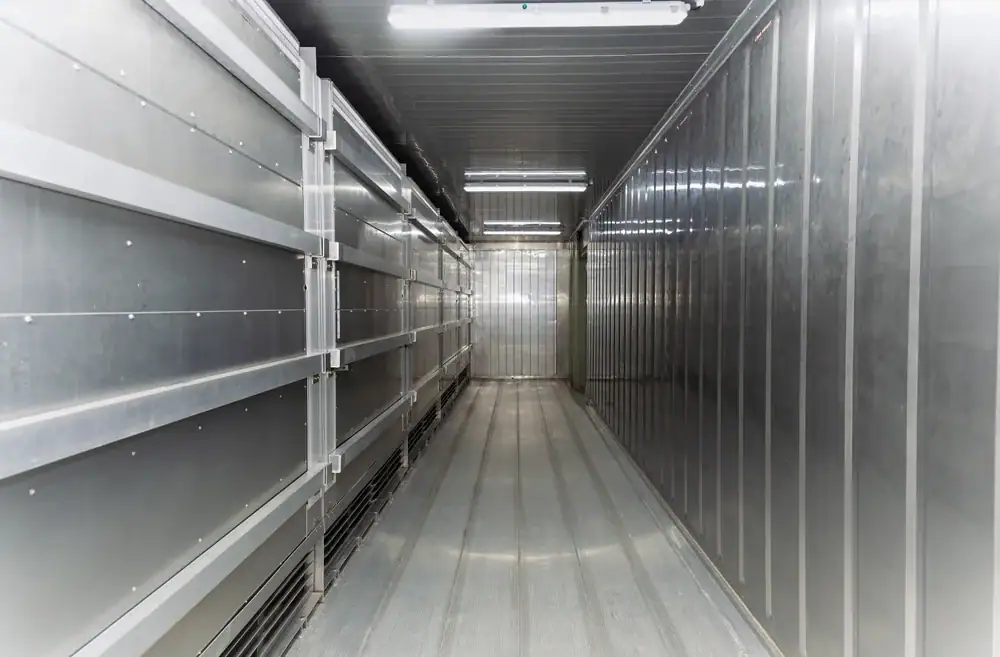
Your walk-in holds temp through the dinner rush. Your reach-ins don’t leak water across the kitchen floor. Your ice machine keeps up with the bar on Friday night.
That’s not lucky. That’s what happens when your refrigeration systems get installed correctly and maintained by people who know what they’re doing.
You’re not wondering if tomorrow’s prep is going to spoil overnight. You’re not calling three companies trying to find someone who’ll come out today. You’re running your business, and your equipment is doing exactly what you paid for it to do.
Most commercial refrigeration problems don’t start with a bang. They start with a noise, a puddle, or a compressor that’s running too long. By the time your system quits completely, you’ve already lost product, time, and money. The goal isn’t just fixing what breaks. It’s catching what’s about to.
We’ve been handling commercial refrigeration and marine HVAC across Long Island for over 40 years. We work with restaurants along Route 25A, seafood markets in Bay Shore, yacht clubs, catering halls, delis, and anywhere else that depends on refrigeration to stay in business.
We’re the company other contractors call when they’re stuck. Beer systems, marine installs, glycol loops for craft breweries, custom walk-ins—if it’s complicated or specialized, we’ve done it. Most of our business comes from referrals, which tells you what you need to know about how we operate.
North Bay Shore sits right in the middle of our service area. We know the buildings, the businesses, and the equipment that’s common around here. When you call, you’re talking to people who’ve been in your walk-in before.
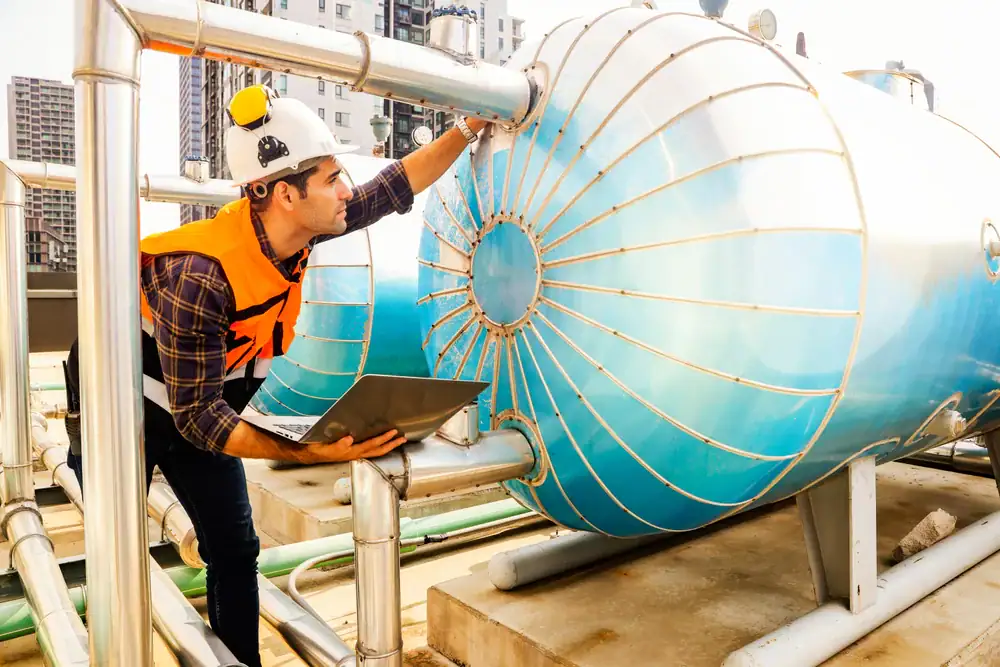
You call or submit a request. We ask what’s going on, what kind of equipment you have, and how urgent it is. If it’s an emergency, we’re dispatching a truck while we’re still on the phone with you.
For installs and planned work, we come out to look at your space and your needs. We measure, we ask questions about your operation, and we give you a real estimate—not a range, not a “depends,” but an actual number. If you’re replacing something, we tell you what’s going to work and what’s overkill.
Once the work starts, we show up when we say we will. Our trucks carry parts for every major brand, so most repairs get finished the same day. For bigger jobs, we keep you updated and we don’t leave your site until everything’s running right. After the install, we walk you through the system, show you what to watch for, and make sure you know how to reach us if something comes up.
If you’re on a maintenance plan, we come back on schedule. We check refrigerant levels, clean coils, test controls, and catch the small stuff before it turns into a service call at the worst possible time.
Ready to get started?
We handle the full lifecycle. New installs, retrofits, emergency repairs, and preventive maintenance. Walk-ins, reach-ins, prep tables, display cases, ice machines, condensing units—if it keeps things cold, we work on it.
For restaurants and food service operations in North Bay Shore, that usually means keeping your kitchen running through health inspections, busy seasons, and equipment that’s older than it should be. A lot of the commercial buildings around here weren’t designed for the refrigeration loads modern kitchens demand, so we also handle electrical upgrades, ventilation, and code compliance when needed.
Marine refrigeration is a different animal. Boats deal with salt air, limited power, constant motion, and equipment crammed into spaces that weren’t meant for it. We’ve been doing marine HVAC and refrigeration for decades, so we know how to spec systems that’ll actually hold up on the water. If you’re docked anywhere from Bay Shore to the Hamptons, we’ve probably worked on a boat near you.
Energy efficiency matters more now than it used to. Commercial refrigeration can eat up 40% of your electric bill if it’s not running right. We install systems that meet the new low-GWP refrigerant standards, and we can tell you what upgrades will actually pay for themselves versus what’s just nice to have.
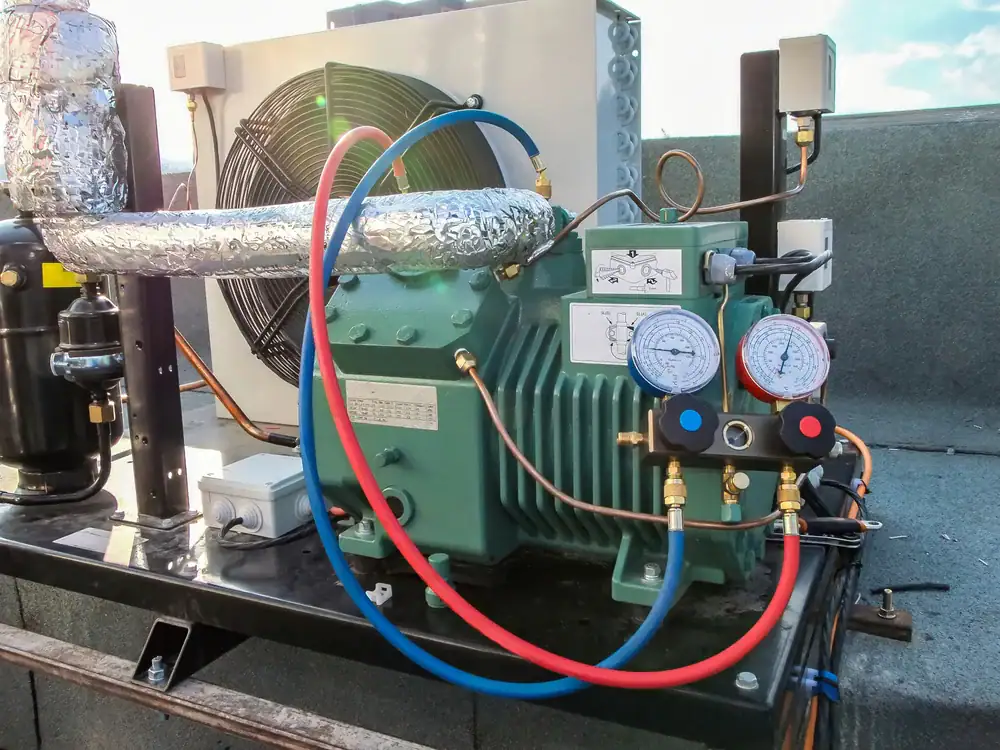
We run 24/7 emergency service, and our goal is wheels rolling within 90 minutes anywhere in Suffolk County. North Bay Shore is right in our core service area, so response times are usually faster than that.
When you call with an emergency, you’re talking to someone who can dispatch a truck immediately—not an answering service, not a voicemail. Our techs carry parts for all the major brands, so most emergency repairs get completed the same visit. If it’s something unusual, we’ll at least get you a temporary solution so you’re not losing product overnight.
The reality is that refrigeration emergencies don’t wait for business hours. A walk-in failure on Saturday night or a reach-in going down right before Sunday brunch can cost you thousands in spoiled product, plus the revenue you lose when you can’t serve half your menu. That’s why we staff for emergencies, not just regular service calls.
With professional maintenance, you should get 15 to 20 years from most commercial refrigeration equipment. Without it, you’re looking at 8 to 12 years, and you’ll spend a lot more on repairs along the way.
The difference is catching small problems early. A refrigerant leak that gets found during a maintenance visit costs a few hundred dollars to fix. That same leak, left alone for six months, destroys your compressor—and now you’re looking at a $3,000 repair or a full replacement.
Maintenance isn’t just about making equipment last longer. It’s about keeping your energy costs down, staying compliant with health department temperature requirements, and not having your system quit during your busiest week of the year. Most of our maintenance customers go years between emergency calls. Most of the emergency calls we get are from businesses that skipped maintenance and are now paying for it.
Depends on what failed, how old the equipment is, and what it’s going to cost you in downtime if it fails again in six months. We’ll tell you the truth either way, because we’d rather have you trust us long-term than sell you something you don’t need right now.
If your compressor is shot and your system is 15 years old, replacement usually makes more sense. You’re already near end-of-life, and a new compressor costs almost as much as a new unit that’ll run more efficiently and give you another 15 years. If your system is five years old and you’ve got a failed fan motor or a control board issue, repair is the obvious call.
The gray area is when you’ve got an aging system that’s nickel-and-diming you with repairs. At that point, we look at what you’ve spent in the last two years, what’s likely to fail next, and what a new system would cost. We run those numbers with you, and you make the call. We’re not going to push you into a replacement if a repair will buy you three more solid years.
Marine systems operate in a completely different environment. You’re dealing with saltwater corrosion, constant motion, limited electrical capacity, space constraints, and humidity levels that would destroy a standard commercial unit in months.
Marine refrigeration systems are typically seawater-cooled instead of air-cooled, which means different components and different maintenance requirements. The electrical systems have to handle voltage fluctuations and limited generator capacity. Everything has to be mounted and secured to handle the boat moving, and all the wiring and connections need to be marine-grade to survive the salt air.
Most commercial refrigeration companies won’t touch marine work because it’s specialized. We’ve been doing it for decades, so we know how to spec systems that’ll actually work on the water, and we know how to troubleshoot problems when you’re dealing with the added variables of a marine environment. If you’re docked anywhere on Long Island, we’ve probably worked on boats at your marina.
Your walk-ins need to hold 41°F or below for food safety. Your equipment needs to be NSF-rated for food service use. And you need to be able to show that your systems are maintained and operating correctly when the inspector shows up.
Temperature is the big one. If your walk-in is running at 45°F, you’re getting written up. If it’s a repeat violation, you’re getting fined or shut down. That’s why temperature monitoring matters, and why you can’t ignore a system that’s “running but not quite cold enough.” Close doesn’t count with the health department.
We handle a lot of pre-inspection service calls where someone wants us to check everything before the health department comes through. We’ll verify your temps, check your door seals, make sure your condensate drains aren’t backing up, and confirm that everything’s operating the way it should be. If something’s borderline, we fix it before it becomes a violation. Most health department problems are avoidable if you’re staying on top of maintenance.
First, check the obvious stuff. Is the condenser coil clogged with dust or grease? Are the door seals intact? Is something blocking the airflow inside the unit? A lot of cooling problems come down to airflow or doors that aren’t sealing right.
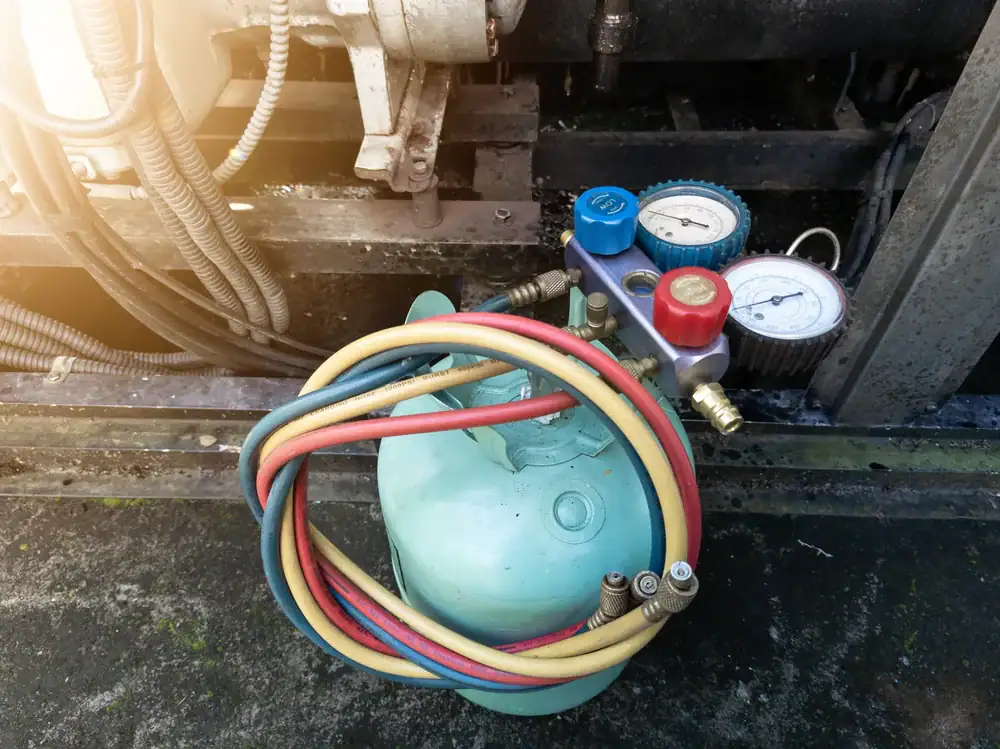
If those aren’t the issue, you’re likely looking at low refrigerant, a failing compressor, or a control problem. Low refrigerant means there’s a leak somewhere, and just adding more refrigerant without fixing the leak is throwing money away. A failing compressor will usually run longer cycles and struggle to bring the temperature down. Control issues can cause the system to short-cycle or not run long enough to cool properly.
Don’t wait on this. A system that’s running but not cooling is still using electricity, and whatever’s wrong is getting worse while your product sits at unsafe temperatures. The longer you wait, the more expensive the repair gets and the more product you risk losing. Call someone who knows what they’re doing, and get it diagnosed right. If you’re in North Bay Shore, call us.