Hear from Our Customers
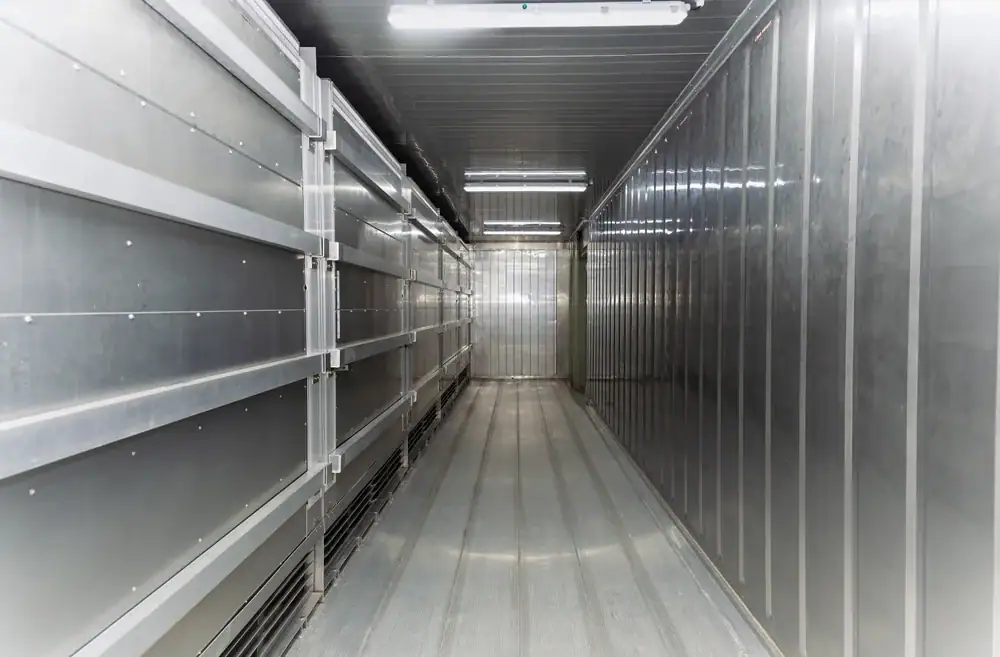
When your walk-in cooler goes down during dinner service, you’re not just losing temperature. You’re watching inventory spoil, scrambling to move product, and potentially shutting down operations. A single failure can cost you $8,000 in spoiled inventory before morning.
Properly maintained refrigeration systems use about 25% less electricity than neglected ones. That’s real money back in your pocket every month. More importantly, you’re getting 15+ years out of equipment instead of replacing it at five years because someone skipped the maintenance.
Your system either works or it doesn’t. When it works, you don’t think about it. When it doesn’t, it’s the only thing you can think about. The difference comes down to how it was installed, how it’s maintained, and who shows up when something breaks.
We’ve spent over four decades handling commercial refrigeration and marine HVAC across Long Island. We’ve worked with restaurants in Gilgo dealing with summer heat that pushes compressors to their limits, and marine facilities where salt air destroys standard equipment in months.
Gilgo’s coastal location creates specific challenges for refrigeration systems. The humidity, salt exposure, and temperature swings demand equipment and installation methods that account for the environment. We’ve been installing and servicing systems here long enough to know what works and what fails.
No subcontractors. No surprises. Just certified technicians who’ve seen every type of commercial refrigeration failure and know how to prevent most of them.
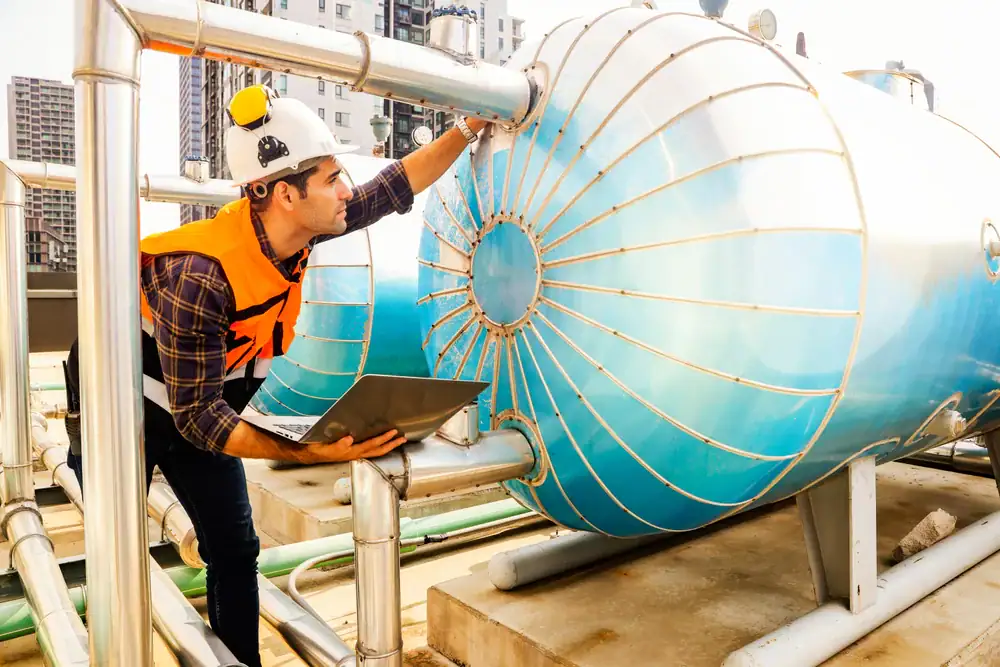
First, we assess what you actually need. Not every business needs the same refrigeration solution. A restaurant kitchen has different demands than a catering hall, and marine applications are entirely different from land-based systems.
Installation starts with proper sizing and placement. Undersized systems run constantly and fail early. Oversized systems cycle too frequently and waste energy. We calculate load requirements based on your actual usage, not guesswork.
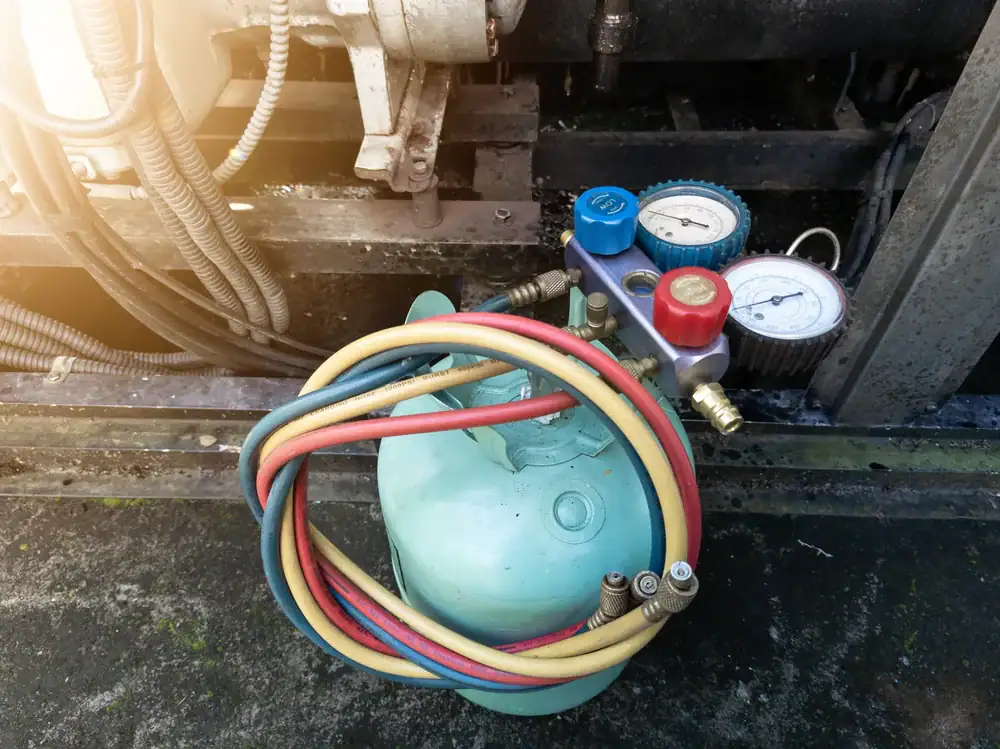
Once your system is running, maintenance keeps it that way. We check refrigerant levels, clean condenser coils, inspect door seals, and catch small problems before they become expensive ones. Most repairs we handle are completed same day because our trucks carry parts for every major brand.
When you call with an emergency, we respond. Not tomorrow, not next week. If your cooler fails at 11 PM, we’re on the road with the parts and tools to get you running again.
Ready to get started?
You get refrigeration systems designed for Gilgo’s coastal environment. That means marine-grade components where needed, proper drainage for high-humidity conditions, and installation methods that account for salt air exposure.
For food service operations in Gilgo, you’re dealing with health department requirements, peak summer traffic, and the reality that your reputation depends on food safety. Your refrigeration can’t be the weak link. We install NSF-certified equipment with FDA food-safe interior coatings and maintain systems to keep you compliant.
Emergency service means actual 24/7 availability. When your freezer goes down on a Saturday night, you need someone who answers the phone and shows up with solutions. We provide temporary cooling solutions when immediate repairs aren’t possible and complete most repairs same day.
Maintenance customers get priority scheduling, extended equipment life, and lower energy costs. You also get fewer emergency calls because we’re catching problems during routine service visits. Regular maintenance typically extends equipment life to 15+ years instead of the 5-10 years you get from neglected systems.
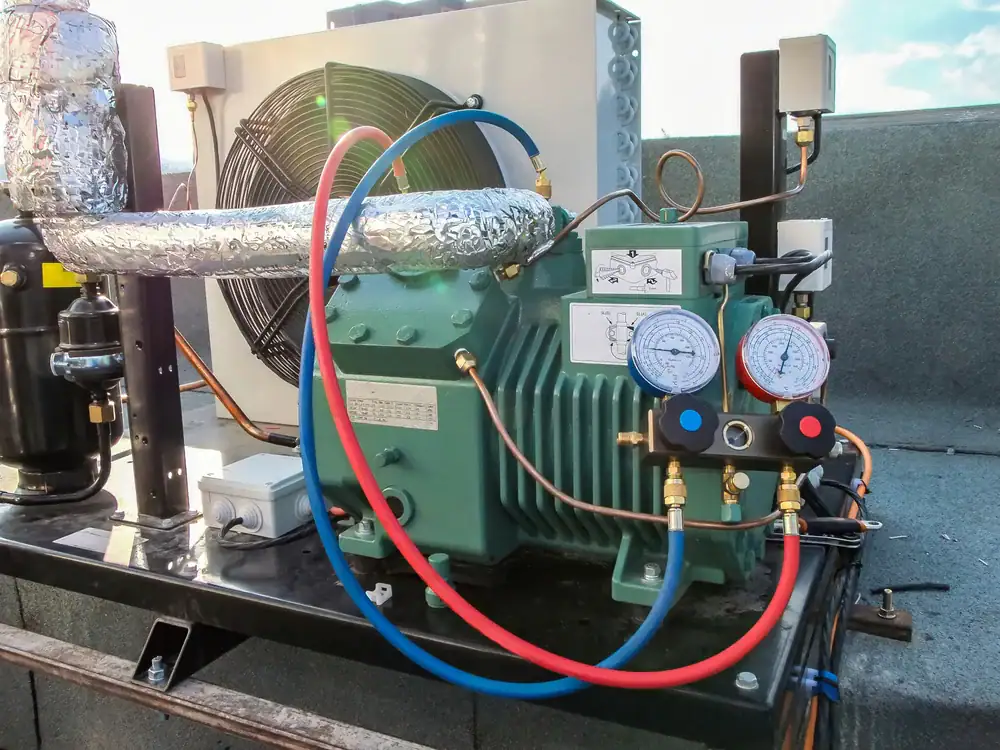
We respond to emergency calls 24/7, and in most cases, we’re on-site within a couple of hours. When you call at 11 PM because your walk-in cooler just failed, we’re not telling you to wait until morning. We’re grabbing parts and heading your way.
Our trucks carry components for all major refrigeration brands, which means most repairs get completed the same night. If we need a specialized part, we provide temporary cooling solutions to protect your inventory while we source what’s needed.
Response time matters because every hour your system is down costs you money. We’ve seen restaurants lose $8,000 worth of inventory from a single overnight failure. Getting there fast and fixing it right the first time is how we’ve built our reputation over 40 years.
Salt air destroys standard refrigeration components faster than most people realize. Condenser coils corrode, electrical connections fail, and metal housings rust through in a fraction of the time you’d see inland. Gilgo’s location right on the water means your equipment faces constant salt exposure.
We use marine-grade components and protective coatings specifically designed for coastal environments. Standard installation methods don’t account for the humidity levels and salt content in the air here. Door seals need more frequent inspection because moisture affects their integrity. Drainage systems need proper design because high humidity creates more condensation.
If your refrigeration system was installed without accounting for Gilgo’s coastal conditions, you’re probably dealing with more frequent repairs and shorter equipment life. The upfront cost of proper coastal installation is always less than replacing corroded equipment every few years.
A well-maintained refrigeration system uses roughly 25% less electricity than a neglected one. For a typical restaurant walk-in cooler, that’s $100-200 per month in energy savings. Over a year, maintenance pays for itself just in lower utility bills.
Beyond energy costs, maintenance extends equipment life significantly. We routinely see maintenance customers get 15+ years from their systems. Without maintenance, you’re looking at major repairs or replacement around the 5-7 year mark. Replacing a walk-in cooler costs $15,000-30,000 depending on size. Maintenance costs a few hundred dollars per visit.
The bigger savings come from avoiding emergency repairs. When your compressor fails during dinner service, you’re paying emergency rates plus losing revenue while you’re down. Most emergency repairs we handle could have been prevented with routine maintenance that caught the problem early.
It depends entirely on your operation, but most restaurants in Gilgo need walk-in coolers sized properly for peak summer volume. Tourist traffic increases significantly during summer months, which means you’re storing more inventory and opening doors more frequently. Undersized systems can’t keep up.
Reach-in units need to be commercial-grade, not residential equipment that someone tried to use in a commercial kitchen. We see this mistake often, and those units fail within a year under commercial use. You need equipment rated for constant door openings and rapid temperature recovery.
For restaurants near the water, marine-grade components aren’t overkill—they’re necessary. The salt air will corrode standard equipment faster than you’d expect. We also recommend backup systems or at least a solid relationship with a service provider who responds to emergencies, because equipment failure during peak season can shut you down.
Yes, marine refrigeration is actually one of our specialties. Boat systems are more complex than land-based refrigeration because you’re dealing with limited electrical capacity, constant motion, space constraints, and that salt air environment that destroys standard components.
We install marine-grade refrigeration systems designed for the specific electrical systems on boats. Many boats can’t handle the power draw of residential refrigeration equipment, so proper sizing and component selection is critical. We also account for the fact that boats aren’t climate-controlled when not in use, which affects how systems need to be configured.
Yacht clubs from Montauk to Manhattan trust us with their fleets, and we work with individual boat owners throughout Long Island. If your current marine refrigeration system isn’t keeping up or you’re installing new equipment, we can assess what you need and install systems built to handle the marine environment.
First, check the obvious stuff—is the door sealing properly, is anything blocking airflow, are the condenser coils visibly dirty? If those aren’t the issue, you likely have a refrigerant leak, compressor problem, or failed component that needs professional diagnosis.
Don’t wait to call. Temperature issues get worse, not better. What starts as your cooler running a few degrees warm can turn into complete failure within hours. If you’ve got inventory at risk, move what you can to backup storage and get someone out there to diagnose the problem.
When you call us, we ask specific questions to determine whether this is a true emergency or something that can wait until morning. Either way, we’re getting you back to proper temperature as quickly as possible. Most temperature issues we see are fixable same-day if you call when you first notice the problem instead of waiting until everything’s spoiled.