Hear from Our Customers
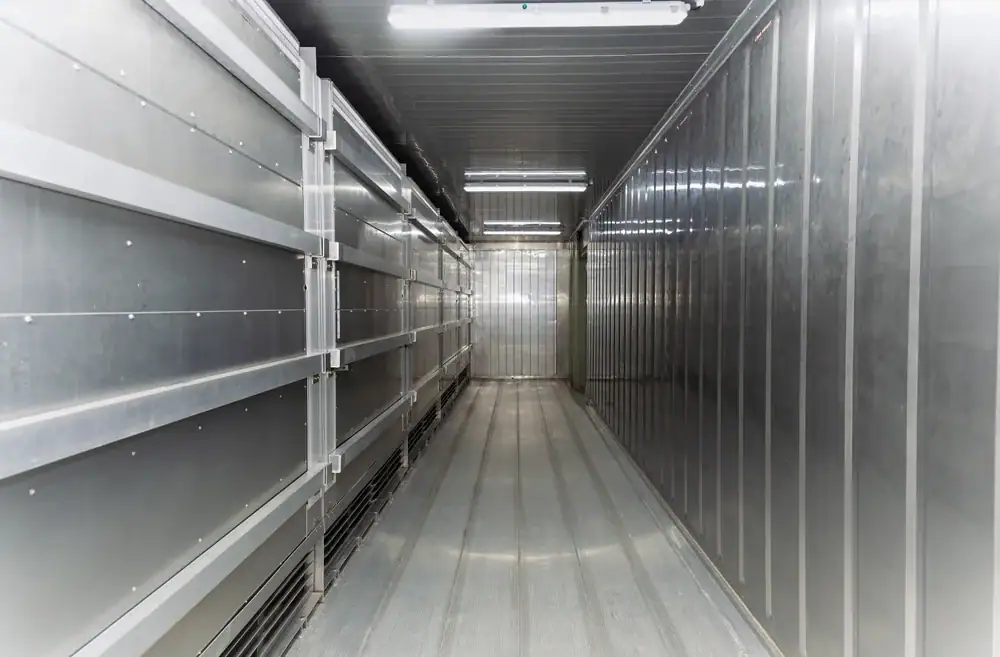
Your walk-in holds temperature through dinner rush. Your line cooks aren’t scrambling to move product into backup coolers. You’re not on the phone at 9 PM trying to find someone who’ll actually show up.
That’s what reliable commercial refrigeration looks like. Not just equipment that runs, but systems designed and maintained to handle the daily grind of a working kitchen or food service operation.
You get consistent temps. Longer equipment life. Lower energy bills because the compressor isn’t fighting itself. And when something does go wrong, you get someone who picks up the phone and knows exactly what to check first.
Most importantly, you stop worrying about whether your cooler will make it through the weekend.
We’ve spent over 40 years working on commercial refrigeration systems across the Greater New York area. We’ve seen every type of failure, every bad install, and every “temporary fix” that turned into a bigger problem.
Northville’s food service businesses—from the restaurants along Main Street to catering operations serving the Adirondack region—need refrigeration that works in all seasons. Summer heat puts extra strain on condensers. Winter cold affects defrost cycles. We account for that.
We’re the team that shows up when you call. We explain what’s broken in plain terms. And we’ve built a reputation on dozens of five-star reviews because we do the work right the first time.
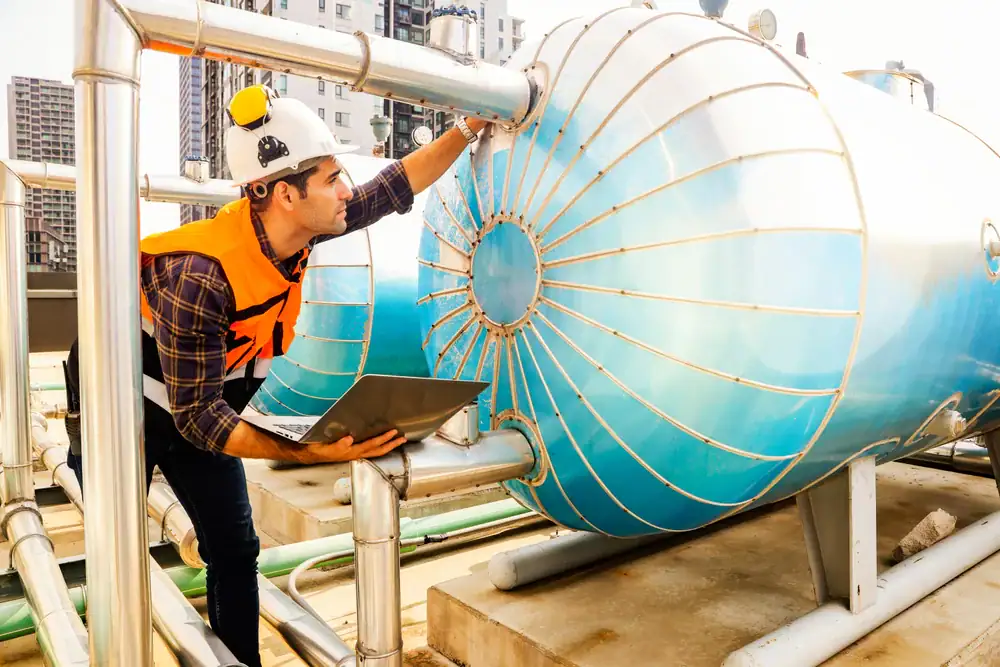
It starts with a free estimate. You tell us what’s happening—whether it’s a new install, a system that’s not holding temp, or you’re just tired of calling for repairs every month. We come out, assess the space and equipment, and give you a straight answer about what needs to happen.
If it’s a new installation, we handle the design based on your actual needs. Walk-in cooler for a deli? Reach-in units for a restaurant line? Beer system with glycol lines? We size it correctly, plan the layout, and coordinate the install so you’re not shut down longer than necessary.
For service and repairs, we troubleshoot the whole system—not just the obvious part that failed. Compressor issues often start with dirty coils or refrigerant leaks. We find the root cause.
Once the work’s done, we test everything, make sure you’re hitting the right temps, and walk you through any maintenance you should know about. Then we stay available. You have our number for emergencies, and we mean it when we say 24/7.
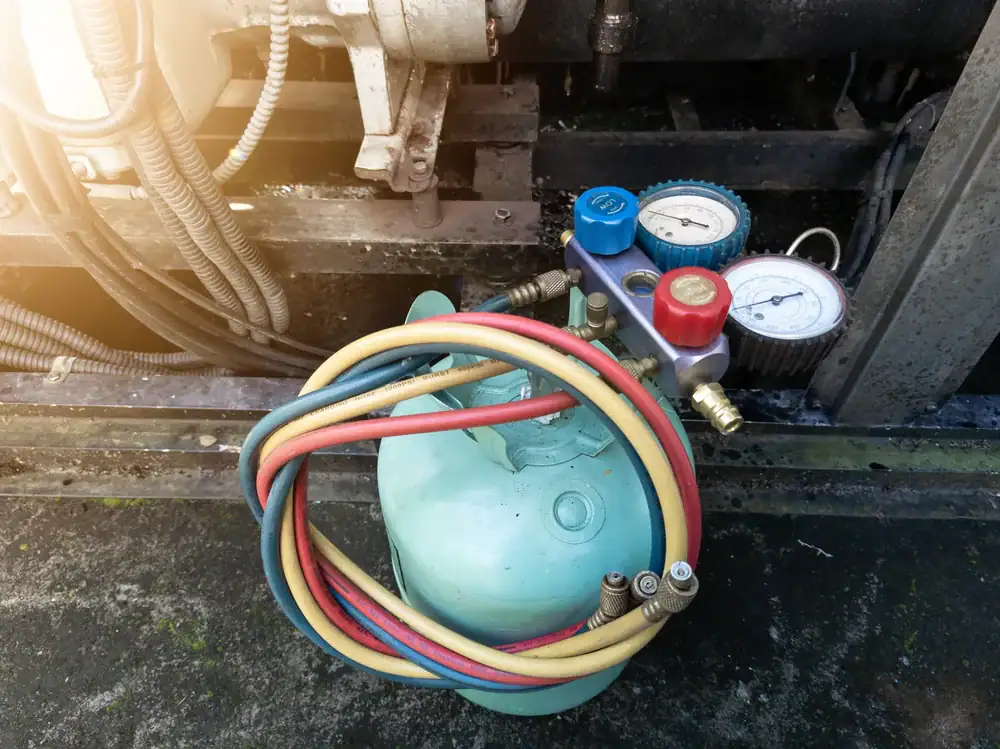
Ready to get started?
You get full-system service. That means we’re checking refrigerant levels, cleaning condenser coils, inspecting door gaskets, calibrating thermostats, and testing defrost cycles. These aren’t extras—they’re part of keeping your system running.
For Northville businesses, seasonal maintenance matters. Before summer hits and your system is working overtime, we make sure it’s ready. Dirty coils can cut efficiency by 30% and cause compressor failure. We clean them before they become a problem.
Emergency repairs get priority response. A walk-in that’s climbing into the danger zone at 7 PM on a Saturday isn’t something you can wait on. We’ve handled middle-of-the-night calls for restaurants that would’ve lost thousands in inventory by morning.
We also work on specialized systems most contractors won’t touch—beer glycol systems, custom cooling setups for catering halls, marine HVAC for vessels. If it keeps things cold, we’ve probably installed or fixed one.
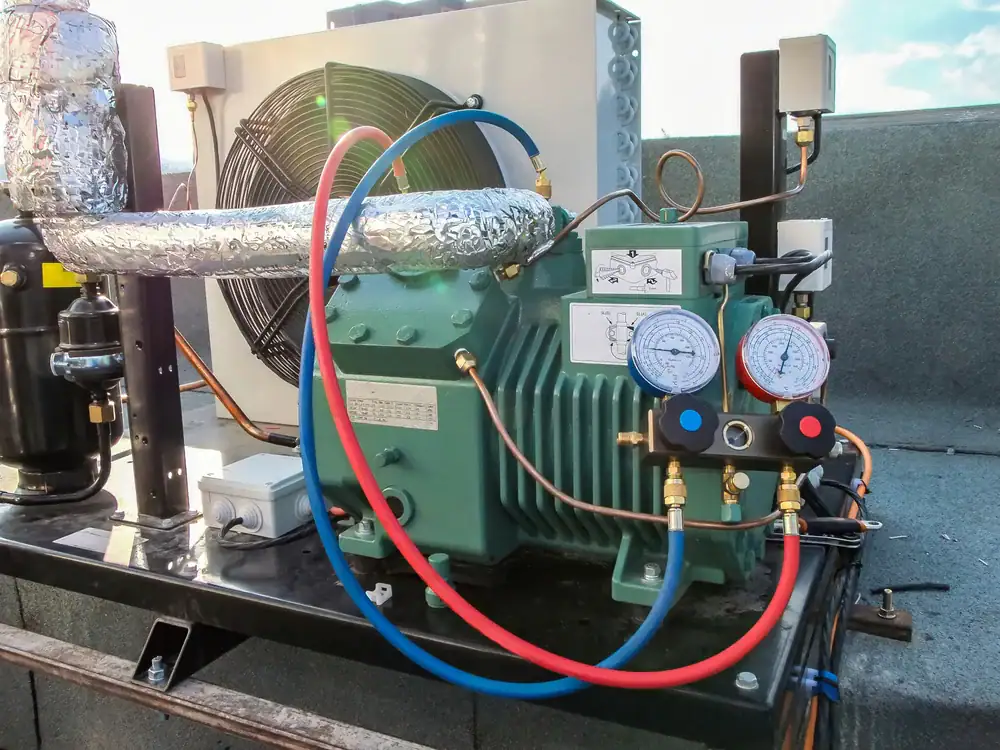
We offer 24/7 emergency response because refrigeration failures don’t wait for business hours. When you call with an emergency, you’re talking to someone who can dispatch a technician, not an answering service that takes a message.
Response time depends on where we’re coming from and what else is happening, but we prioritize calls where product is at risk. A walk-in climbing above 40°F with thousands of dollars of inventory inside gets immediate attention.
We also walk you through temporary measures while we’re en route—things like moving product, checking if it’s just a tripped breaker, or adjusting settings to buy time. The goal is to minimize your loss and get the system stable as fast as possible.
A repair makes sense when the core components—compressor, evaporator, condenser—are still in good shape and the fix addresses the actual problem. If your system is losing refrigerant because of a leak, we find and fix the leak, recharge the system, and you’re back in business.
Replacement becomes the better option when you’re looking at a major component failure on an older system, or when you’ve had multiple repairs in a short period. If your compressor is shot and the unit is 15 years old, putting $3,000 into repairs doesn’t make financial sense when a new system gives you better efficiency and reliability.
We’ll give you both options with honest numbers. Sometimes a repair buys you another few years. Sometimes it’s throwing money at a system that’s going to fail again in six months. We’ll tell you which situation you’re in.
An undersized system runs constantly and struggles to maintain temperature during busy periods. An oversized system short-cycles, which means it turns on and off too frequently, wearing out components faster and never properly dehumidifying.
The right size depends on the space volume, how often the door opens, what you’re storing, and ambient temperature. A walk-in cooler in a kitchen that’s 85°F needs more capacity than one in a climate-controlled prep area. A reach-in that’s opened 100 times during service needs different specs than one used for overnight storage.
We calculate load requirements during the estimate phase. If you’re replacing an existing system that never quite kept up, we’ll figure out why and size the new one correctly. If you’re adding new equipment, we factor in your actual usage patterns—not just square footage.
At minimum, you need quarterly service. That includes cleaning condenser coils, checking refrigerant charge, inspecting electrical connections, testing defrost operation, and verifying door seals. These aren’t optional if you want the system to last.
Condenser coils collect dust, grease, and debris. When they’re dirty, the system can’t reject heat efficiently, so the compressor works harder and runs hotter. That’s the leading cause of premature compressor failure, and a new compressor can cost several thousand dollars.
Door gaskets wear out. When they don’t seal properly, warm air gets in, the system runs longer to compensate, and you’re wasting energy. We check them every visit and replace them before they become a problem.
You should also be doing basic checks yourself—monitoring temperatures daily, listening for unusual sounds, watching for frost buildup. Catching small issues early prevents emergency breakdowns.
Yes. Restaurants, delis, catering operations, and any food service business that needs reliable cold storage. We’ve worked on everything from single reach-in units in small cafes to multi-unit walk-in systems in full-scale commercial kitchens.
Northville’s food service scene includes a mix of local restaurants and businesses serving both residents and tourists heading to the Adirondacks. Your refrigeration can’t go down during peak season when you’re running at capacity.
We understand the specific demands of food service refrigeration—rapid temperature recovery after door openings, maintaining food-safe temps during rush periods, and minimizing downtime because you can’t just close for two days while waiting for parts. We stock common components and have access to get what we need quickly.
First, check the obvious things. Make sure the door is closing and sealing completely. Verify the thermostat is set correctly and the circuit breaker hasn’t tripped. Look for any visible ice buildup on the evaporator coil, which could indicate a defrost issue.
If those check out and the temperature is still climbing, you likely have a refrigerant leak, a failing compressor, or a problem with the condenser. Don’t wait to call. Every hour above 40°F puts your inventory at risk, and if you hit 50°F or higher for more than a few hours, you’re looking at serious product loss.
While you’re waiting for service, move high-risk items to backup storage if you have it. Document temperatures for food safety records. Don’t add warm product to a struggling cooler—it makes the problem worse. And don’t try to “fix” it by turning the thermostat colder. That doesn’t address the underlying issue and can cause other problems.