Hear from Our Customers
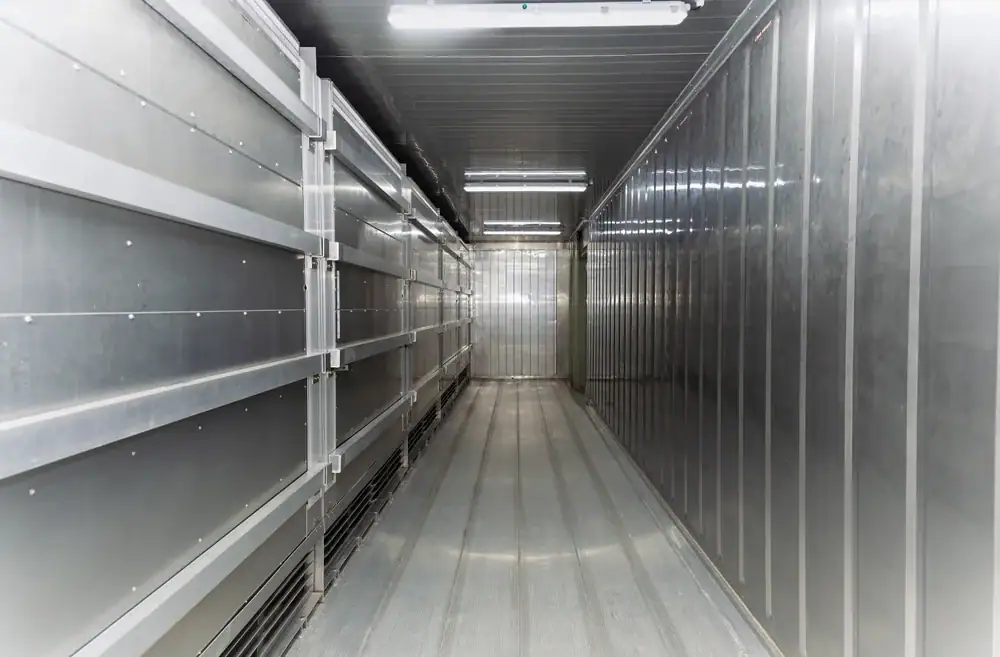
Your walk-in cooler holds temp through dinner rush. Your ice machine doesn’t quit on a Saturday night. Your reach-in stays consistent so you’re not tossing product every other week.
That’s what reliable commercial refrigeration looks like. Not equipment that limps along until it dies. Not service calls that take three days to schedule. Not technicians who show up, shrug, and tell you they need to order parts.
You get systems that run the way they’re supposed to. You get same-day repairs when something does go wrong. You get technicians who carry the parts in their trucks and know how to use them. And you get maintenance that actually prevents problems instead of just checking boxes on a form.
Most refrigeration problems aren’t complicated. Dirty coils, worn seals, and refrigerant leaks account for about 80% of service calls. Catch them early and you’re looking at a quick fix. Ignore them and you’re replacing compressors or worse.
We’ve been handling commercial refrigeration across Nassau and Suffolk County for over 40 years. That means restaurants from the Hamptons to the city. Delis along Route 25A. Seafood markets in Bay Shore. Catering halls, airports, yacht clubs—anywhere food needs to stay cold and businesses can’t afford downtime.
We’re not the company that shows up, looks around, and tells you to call back Monday. We run 24/7 because kitchens don’t close and neither do emergencies. Our trucks carry the parts most service calls need, so repairs get done the same day, not the same week.
Every technician on our team holds EPA 608 certification. We don’t use subcontractors. We don’t use knockoff parts. And we don’t charge you for a repair, then leave you guessing why it broke again six months later.
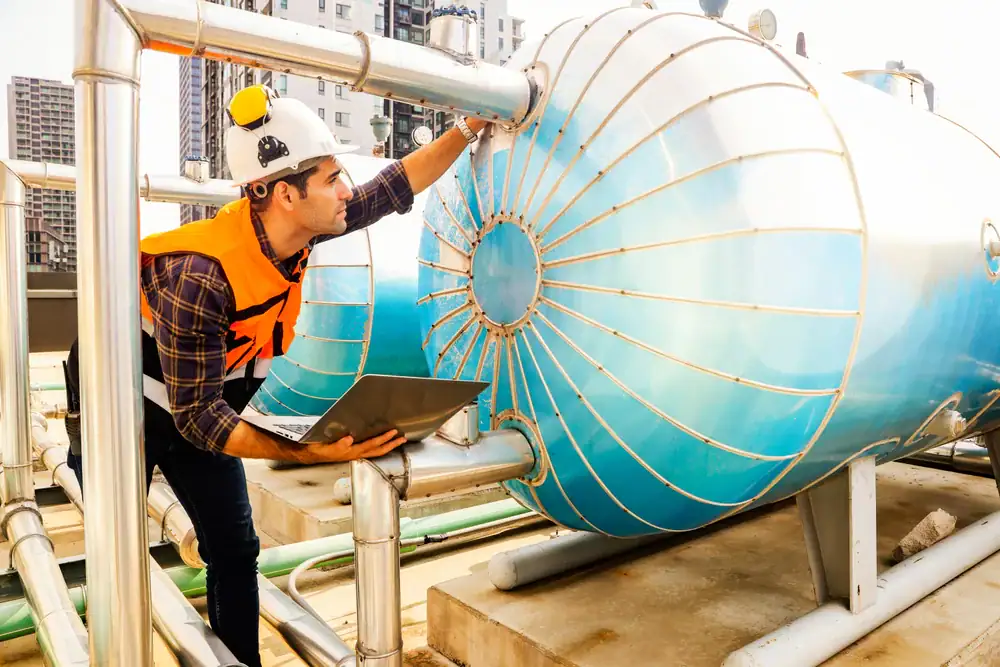
You call or message us with the problem. We ask a few questions to understand what’s going on—what’s not cooling, what’s leaking, what’s making noise. If it’s an emergency, we’re typically on-site within hours. If it’s scheduled maintenance or a new install, we set a time that works for your operation.
When we show up, we diagnose the issue first. No guessing. No parts-swapping until something works. We figure out what’s wrong, explain it in plain terms, and tell you what it costs before we touch anything.
Most repairs get done that same visit because we stock our trucks with the parts commercial kitchens actually need. Compressors, motors, thermostats, door gaskets, refrigerant—it’s already in the van. If we do need to order something, we’re clear about timing and keep you updated.
For maintenance, we clean coils, check refrigerant levels, inspect door seals, test thermostats, and catch the small stuff before it turns into expensive failures. Businesses that maintain their equipment regularly get 15 to 20 years out of systems that would otherwise die at 10. That’s not marketing talk—that’s what happens when you stop running equipment into the ground.
Ready to get started?
We service and install all types of commercial refrigeration systems. Walk-in coolers and freezers. Reach-in units. Prep tables. Ice machines. Display cases. Beverage coolers. Blast chillers. Beer systems. If it keeps food cold or makes ice, we work on it.
Long Island’s climate is tough on refrigeration equipment. Summer heat makes compressors work overtime. Winter cold affects door seals and gaskets. Humidity swings stress the whole system. Add in the salt air if you’re near the water, and you’re looking at conditions that age equipment faster than most other regions.
That’s why maintenance matters here more than it does inland. Twice a year for most businesses. Quarterly if you’re high-volume or running older equipment. It’s not about selling you service—it’s about keeping your coolers running when you need them.
We also handle marine HVAC and refrigeration for boats and yacht clubs from Montauk to Manhattan. Marine systems deal with saltwater, tight spaces, constant motion, and limited electrical capacity. It’s a different set of challenges and it requires someone who’s done it before.
If it’s an emergency, we’re typically on-site within a few hours, not days. We run 24/7 service across Nassau and Suffolk County because refrigeration failures don’t wait for business hours.
When you call, we’ll ask what’s happening so we know what to bring. If your cooler isn’t holding temp, if it’s leaking, if the compressor is running hot—those details help us show up prepared.
Most repairs get finished the same day because our trucks carry the parts commercial kitchens actually use. We’re not driving back to a warehouse or waiting on shipments. We fix it, test it, and make sure it’s holding before we leave.
We clean condenser coils, check refrigerant levels, inspect door seals and gaskets, test thermostats and controls, and look for anything that’s wearing out or about to fail. The goal is catching problems while they’re still cheap and easy to fix.
Dirty coils make your compressor work harder, which burns more energy and shortens its life. Worn door seals let cold air escape, which means your system runs constantly trying to keep up. Low refrigerant makes the whole unit struggle. These are the issues that turn into expensive repairs if you ignore them.
Maintenance should happen twice a year for most businesses. If you’re running a high-volume kitchen or older equipment, quarterly makes more sense. Businesses that stay on top of it routinely get 15-plus years out of their systems instead of replacing them at 10.
We use authentic manufacturer parts. Not knockoffs, not “compatible” parts that kind of fit. The real ones.
Generic parts might save you $50 upfront, but they fail faster and void warranties. You end up paying for the same repair twice, plus whatever damage the cheap part caused on its way out.
Authentic parts are built to the specs your equipment was designed around. They last longer, they perform better, and they protect your investment. If you’re going to pay for a repair, it should actually stay repaired.
It depends on what’s broken. A worn door seal or dirty coils might run a couple hundred dollars. A failed compressor or evaporator coil replacement costs more. We’ll never start work without telling you the price first.
When we diagnose the problem, we explain what’s wrong, what it takes to fix it, and what it costs. No surprises. No hidden fees. You decide if the repair makes sense or if it’s time to replace the unit.
Most service calls fall into the smaller repair category—things that cost way less than new equipment and add years to what you already own. The expensive failures usually happen when small problems get ignored until they take out major components.
Yes. We design and install commercial refrigeration systems for restaurants, delis, supermarkets, and any food service operation that needs reliable cold storage.
Every business has different needs. The size of your space, the volume you’re storing, how often the door opens, your local climate—it all affects what system works best. We don’t sell you the biggest unit or the cheapest one. We figure out what actually fits your operation and build it right.
Installation includes proper insulation, correct refrigerant lines, electrical work that meets code, and door hardware that holds up to daily use. We also make sure your new system is easy to maintain so it lasts as long as possible. Once it’s running, we’re available 24/7 if anything ever goes wrong.
Usually it’s water quality, dirty filters, or scale buildup. Ice machines are sensitive to what’s in your water, and Long Island water is hard in a lot of areas. Minerals build up on evaporator plates and clog distribution tubes, which makes the machine work harder and produce less ice.
Filters need changing regularly. If you’re in a high-volume operation, that might mean every few months. The machine’s condenser coils also need cleaning—same as any refrigeration equipment. Dust and grease block airflow, the compressor overheats, and the machine shuts down.
Most ice machine problems are preventable with basic maintenance. Clean the condenser, replace the filters, descale the evaporator, and check the water lines. Do that and your machine runs consistently instead of quitting in the middle of your busiest shifts.