Hear from Our Customers
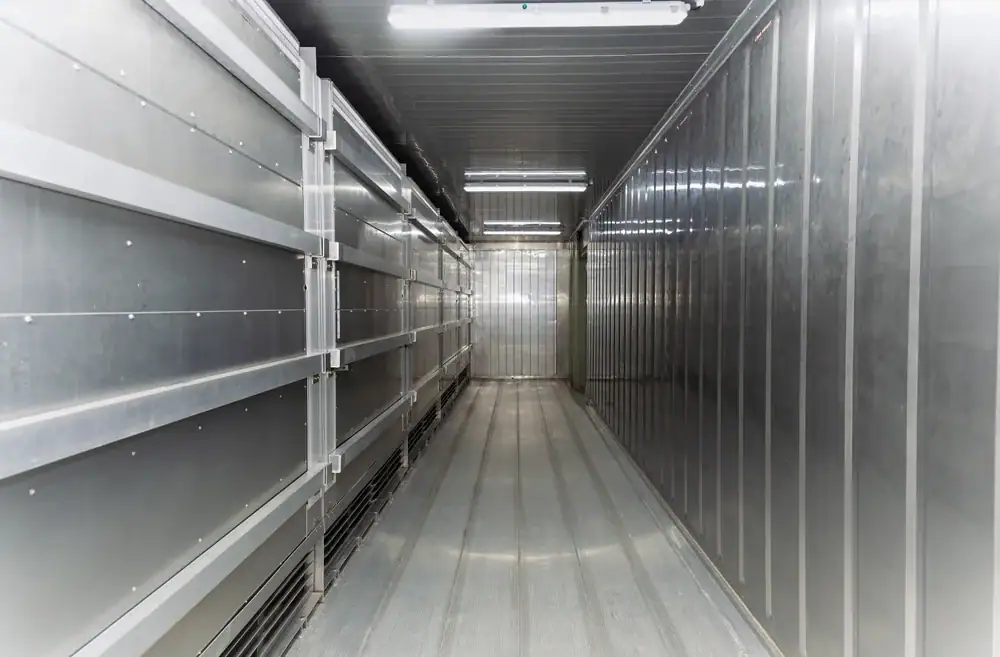
You’re not worrying about whether your walk-in will make it through the weekend. Your food stays at temp, your health inspector stays happy, and you’re not throwing away thousands in spoiled inventory because a compressor decided to quit during your busiest service.
Your energy bills drop because the system isn’t working twice as hard to do half the job. Equipment that gets maintained right lasts 10 to 15 years instead of limping along for five before it dies expensively.
You know exactly what maintenance costs instead of getting blindsided by emergency repairs that always seem to happen at the worst possible time. That’s what properly maintained commercial refrigeration looks like—boring, predictable, and exactly what your business needs.
We’ve spent over 40 years working on commercial refrigeration and marine HVAC systems across Long Island. We’ve seen every failure mode, every bad installation, and every shortcut that comes back to bite you three years later.
Our trucks carry parts for every major brand because we know you can’t wait three days for an overnight shipment when you’ve got a cooler full of product. We’re EPA certified, fully insured, and we’ve earned dozens of five-star reviews from restaurants, delis, catering halls, and facilities across Nassau and Suffolk County.
Village of the Branch businesses need contractors who understand Long Island’s climate—the summer heat that makes compressors work overtime, the humidity that stresses seals, and the salt air that corrodes everything faster than it should. We’ve been handling those conditions since before most of your equipment was manufactured.
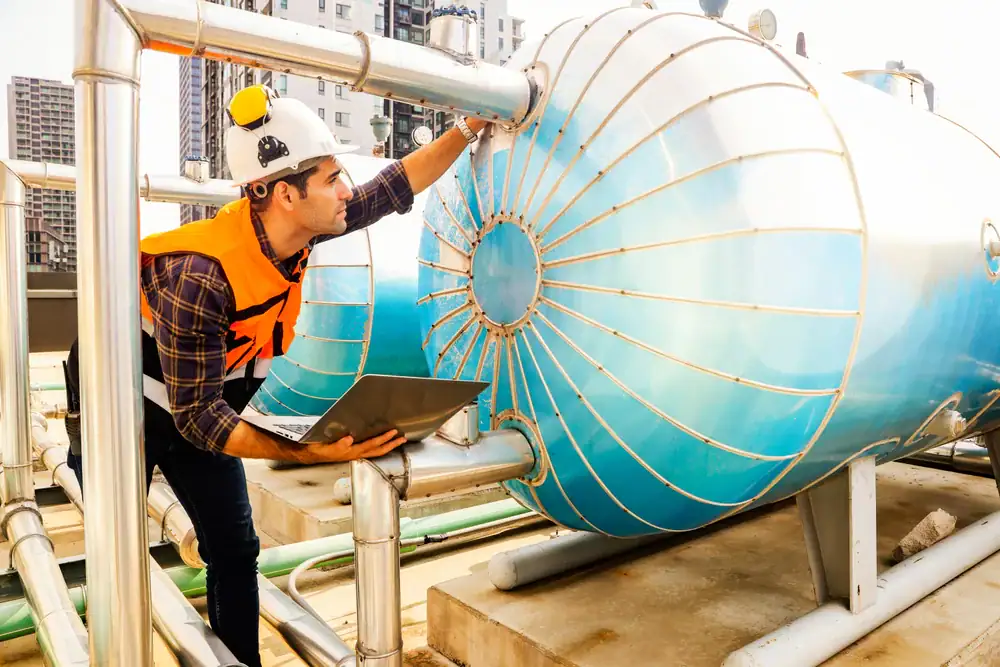
You call or contact us, and we actually answer. If it’s an emergency, we’re typically on-site within 90 minutes. If it’s a planned installation or maintenance, we schedule around your business hours because we know you can’t just shut down for a day.
We show up with diagnostic tools and a truck stocked with parts. Most repairs get completed same-day because we’re not making multiple trips to figure out what’s wrong. For installations, we handle everything—electrical connections, permits, health department compliance requirements, and staff training on the new equipment.
You get transparent pricing before we start work. No surprises, no “well, we found another problem” upsells unless there’s actually another problem and we can show you exactly what it is. After the work’s done, we walk you through what we did, what to watch for, and when you should schedule your next maintenance to keep everything running right.
Ready to get started?
Regular refrigeration maintenance means someone’s cleaning your coils, checking refrigerant levels, testing electrical connections, and catching the small problems before they become expensive ones. A $129 spring tune-up prevents a $4,000 emergency compressor replacement in August.
Long Island’s climate is particularly tough on refrigeration equipment. Summer heat makes your compressors work harder, winter cold affects door seals, and constant humidity changes stress the entire system. Equipment that isn’t maintained for these conditions fails faster and costs more to run.
For Village of the Branch restaurants and food service businesses, we’re talking about protecting your inventory, maintaining health department compliance, and avoiding the nightmare scenario where your walk-in dies with $8,000 worth of product inside. We handle walk-in coolers and freezers, reach-in units, ice machines, prep tables, display cases, and custom installations like glycol systems for complex beer setups.
Our service area covers the entire North Shore and Suffolk County. We work with pizza shops along Route 25A, seafood markets, wholesale distributors, medical facilities that need precise temperature control, and marine applications from yacht clubs to individual boat owners who need reliable climate control systems.
We typically arrive within 90 minutes for emergency calls across Suffolk County and the Village of the Branch area. Our technicians are spread throughout Long Island specifically so we can respond fast when your equipment fails during peak business hours.
Every hour your refrigeration is down costs you money in spoiled product and lost business. We stock our trucks with parts for all major brands, which means most repairs get completed the same day. For complex issues that need specialty parts, we provide temporary solutions to keep your product cold while we source what’s needed.
We’re available 24/7 because refrigeration emergencies don’t wait for business hours. Weekend failures, holiday breakdowns, middle-of-the-night compressor deaths—we’ve handled them all. When you call, you reach someone who can actually help you, not an answering service that takes a message.
A proper maintenance visit covers coil cleaning, refrigerant level checks, electrical connection testing, door seal inspection, thermostat calibration, and condenser fan motor evaluation. We’re looking for the problems that cause 80% of service calls—dirty coils, worn seals, and refrigerant leaks.
Dirty coils make your compressor work 40% harder and fail years earlier. We clean them properly, not just blow some air at them. Refrigerant leaks waste energy and eventually kill your compressor. We find them early when they’re cheap to fix, not later when you need a full system replacement.
We also check your defrost system, drain lines, and evaporator fans. Clogged drains cause water damage and ice buildup. Failed defrost systems make your cooler work harder and freeze product inconsistently. These are the unglamorous details that determine whether your equipment lasts 15 years or five.
Installation costs vary based on size, location, electrical requirements, and whether you need custom configuration. A standard 8×10 walk-in cooler installation typically runs between $8,000 and $15,000 including equipment, electrical work, permits, and health department compliance documentation.
Larger units, custom sizes, or installations that require significant electrical upgrades cost more. Freezers cost more than coolers because they need more powerful compressors and better insulation. If you’re replacing an existing unit, costs are usually lower because the electrical infrastructure is already there.
We provide free estimates that break down exactly what you’re paying for. We’ll assess your space, discuss your actual needs (not just sell you the biggest unit), and give you transparent pricing before any work starts. We also handle all the permitting and inspection requirements so you’re not dealing with the Village of the Branch building department yourself.
Constant running with poor cooling usually means dirty condenser coils, low refrigerant, a failing compressor, or door seals that are letting warm air in. Sometimes it’s a combination of multiple issues that have been building for months or years of deferred maintenance.
Dirty coils are the most common culprit. When coils are caked with dust and grease, your system can’t reject heat properly. The compressor runs nonstop trying to cool things down but never quite gets there. Your energy bills spike, your compressor overheats, and eventually something expensive breaks.
Low refrigerant means there’s a leak somewhere. Refrigerant doesn’t just disappear—if levels are low, something’s wrong and needs to be fixed. Adding refrigerant without fixing the leak is like adding oil to a car that’s burning it. You’ll be doing it again in a few months, and the underlying problem keeps getting worse.
You can absolutely wait until something breaks. You’ll just pay a lot more and deal with emergency situations that always happen at the worst possible time. Emergency repairs cost two to three times more than preventive maintenance, and you’re gambling with thousands of dollars in inventory every time.
A compressor that fails because of dirty coils costs $3,000 to $5,000 to replace. The coil cleaning that would have prevented it costs $150. A refrigerant leak that’s caught early costs $200 to fix. The same leak that’s ignored until the compressor burns out costs $4,000 plus all the product you lost.
Professional maintenance also keeps you compliant with health department requirements. If your equipment fails and you lose product, you need documentation showing you maintained it properly. That documentation matters when the health inspector shows up or when you’re filing an insurance claim for spoiled inventory.
Under the American Innovation and Manufacturing Act, all new commercial refrigeration equipment must use low Global Warming Potential refrigerants by January 1, 2026. If you’re buying new equipment soon, this matters. If your current equipment uses older refrigerants like R-22, you need to plan for eventual replacement.
Older refrigerants are being phased out, which makes them increasingly expensive and eventually unavailable. Equipment using R-22 can still be serviced, but refrigerant costs have skyrocketed and will continue climbing. At some point, repair costs exceed replacement costs, and you’re better off upgrading to newer, more efficient equipment.
New refrigerant regulations also mean better energy efficiency. Modern systems using approved refrigerants typically use 25% to 30% less electricity than older equipment. Over a 10-year lifespan, that energy savings often pays for a significant portion of the new equipment cost. We can assess your current system and give you realistic guidance on whether to repair or replace based on age, condition, and operating costs.