Hear from Our Customers
Your HVAC system accounts for over half your energy costs. When it’s running inefficiently, you’re burning money every month. When it breaks down in July or January, you’re scrambling for emergency service that costs double.
Modern systems cut energy use by 30% or more compared to units over a decade old. That’s real savings—sometimes $700+ annually depending on your home size and usage. Proper maintenance catches small problems before they become expensive failures, and it extends your equipment’s lifespan by years.
You also get consistent temperatures in every room, quieter operation, and cleaner air. If someone in your house deals with allergies or asthma, upgraded filtration and humidity control make a noticeable difference. You’re not just fixing a mechanical problem—you’re improving how your home feels every single day.
We’ve been handling commercial refrigeration and marine HVAC since the 1980s. We’ve worked on airport systems, restaurant walk-ins, yacht climate control—projects where failure isn’t an option and technical precision matters.
That same expertise applies to your home. Our technicians hold EPA Section 608 certification and New York State licensing. We understand Long Island’s coastal climate, the humidity swings, the salt air effects on outdoor units, and the temperature extremes that push systems to their limits.
We’re based locally and we respond fast. Most emergency calls get handled within two hours, and about 70% are resolved the same day. You’re not waiting three days for a part or dealing with a call center two states away.
You call or submit a request online. We ask a few questions about what’s happening—no cooling, strange noises, high bills, uneven temperatures—and schedule a visit that fits your availability. For emergencies, we dispatch immediately.
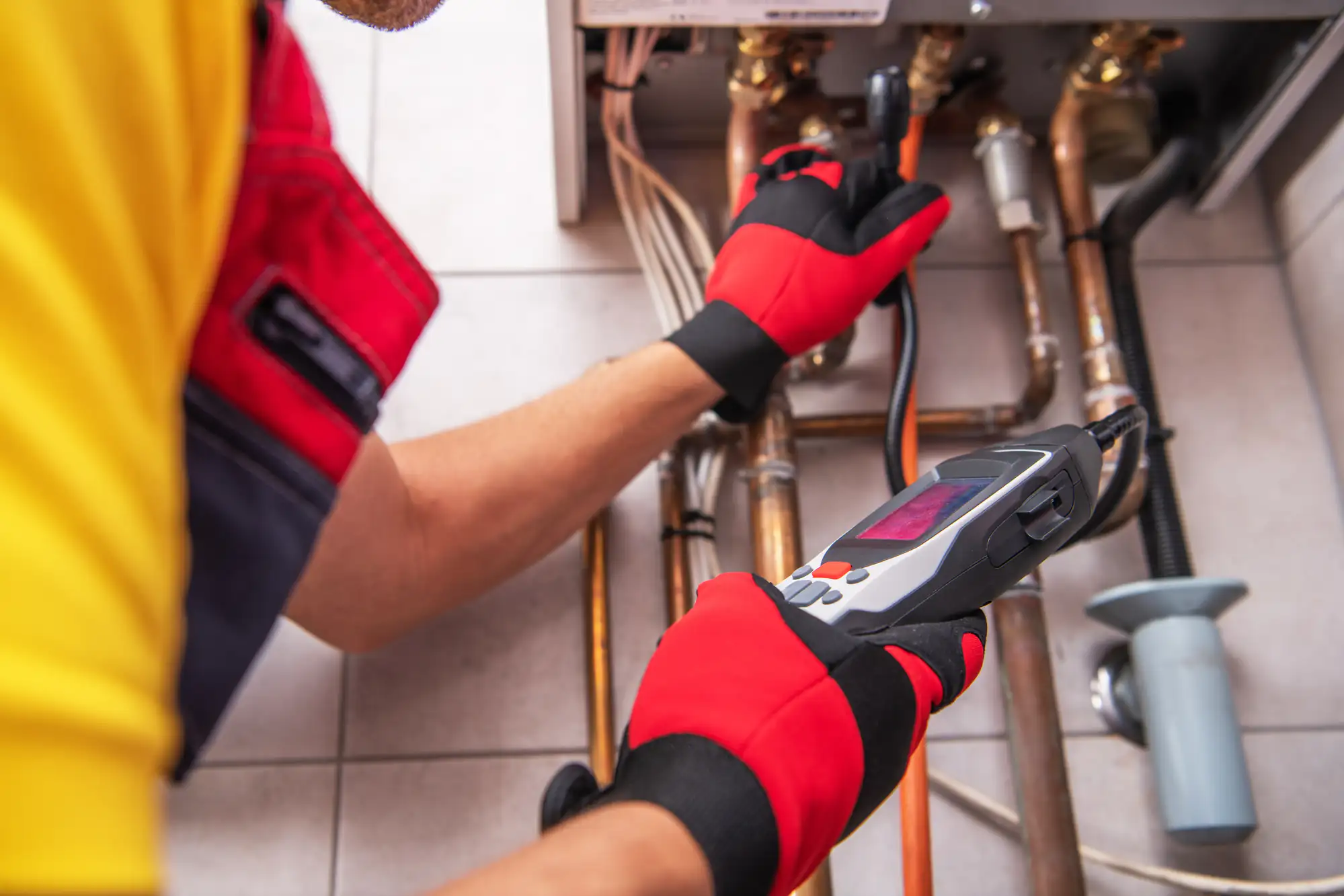
Our technician shows up with diagnostic tools and common parts. They assess your system, explain what’s wrong in plain terms, and give you options with upfront pricing. No surprises, no upselling equipment you don’t need. If it’s a repair, most get done on the spot. If it’s a replacement, we walk through efficiency ratings, sizing requirements, and what makes sense for your home and budget.
Installation includes permits, proper load calculations, ductwork evaluation, and testing to ensure everything performs as expected. We handle the health department paperwork if required, train you on the new system, and set up a maintenance schedule. Follow-up is included—if something doesn’t feel right after we leave, we come back and make it right.
Ready to get started?
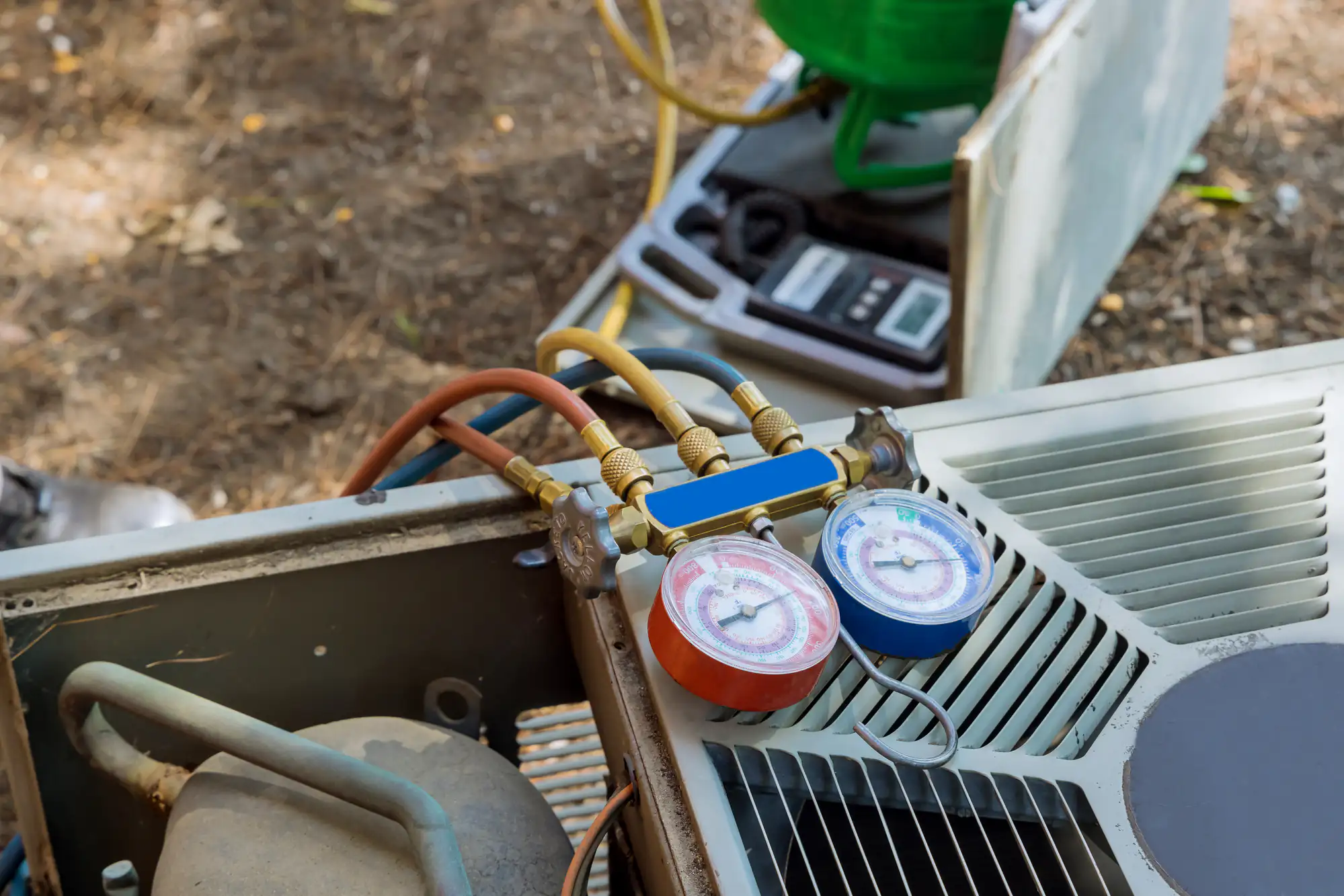
Air conditioning repair and installation covers everything from central AC to ductless mini-splits. We handle refrigerant leaks, compressor failures, frozen coils, and airflow issues. If your system is over 15 years old or repair costs are climbing, replacement often makes more financial sense—and we’ll tell you that honestly.
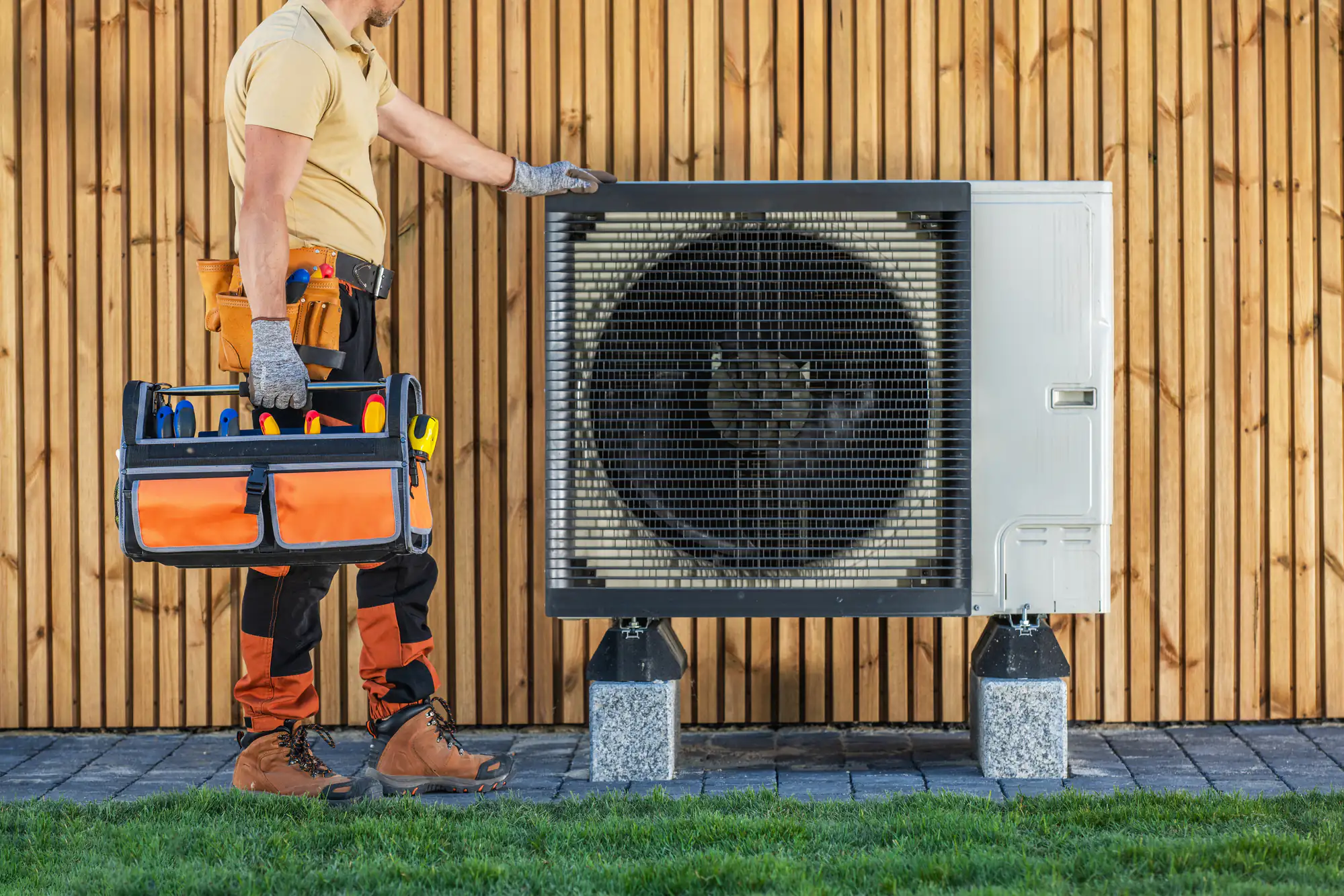
Furnace installation and heating system maintenance includes gas, oil, and electric systems, plus heat pumps. Heat pumps are becoming the standard in New York as efficiency mandates tighten, and they work well in Bethpage’s climate when sized correctly. We inspect heat exchangers, test ignition systems, check for carbon monoxide risks, and clean burners to keep everything running safely.
Indoor air quality solutions go beyond basic filters. Whole-home air purifiers with HEPA-grade filtration, UV-C light treatment for mold and bacteria, smart humidity control, and ventilation upgrades all improve what you’re breathing. This matters in tightly sealed modern homes where stale air recirculates constantly. Bethpage homes built in the ’50s through ’90s often have outdated ductwork and insulation—we identify those gaps and fix them so your system isn’t working twice as hard for half the comfort.
Twice a year is the standard—once before cooling season and once before heating season. Spring maintenance preps your air conditioner for summer demand, and fall maintenance ensures your furnace or heat pump is ready for winter.
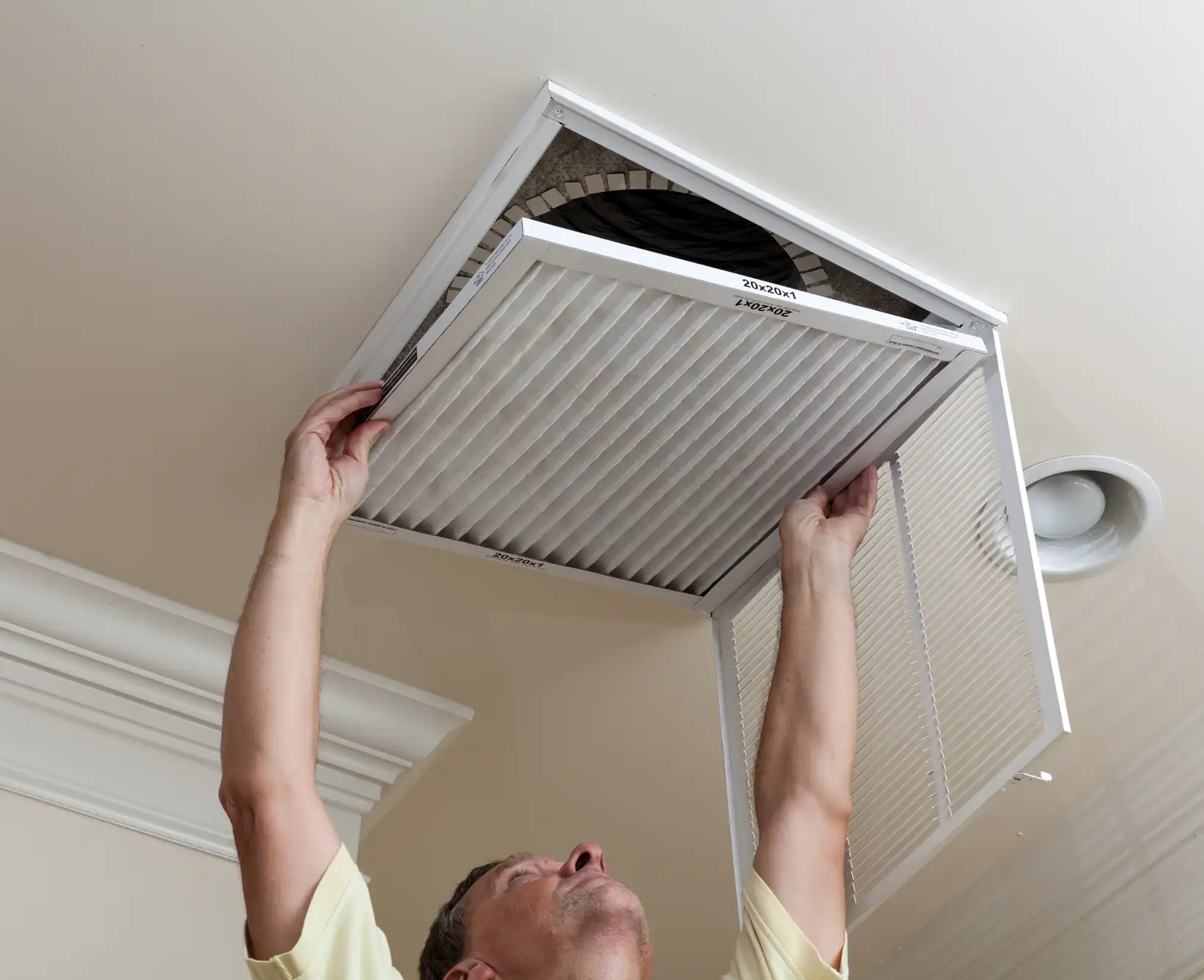
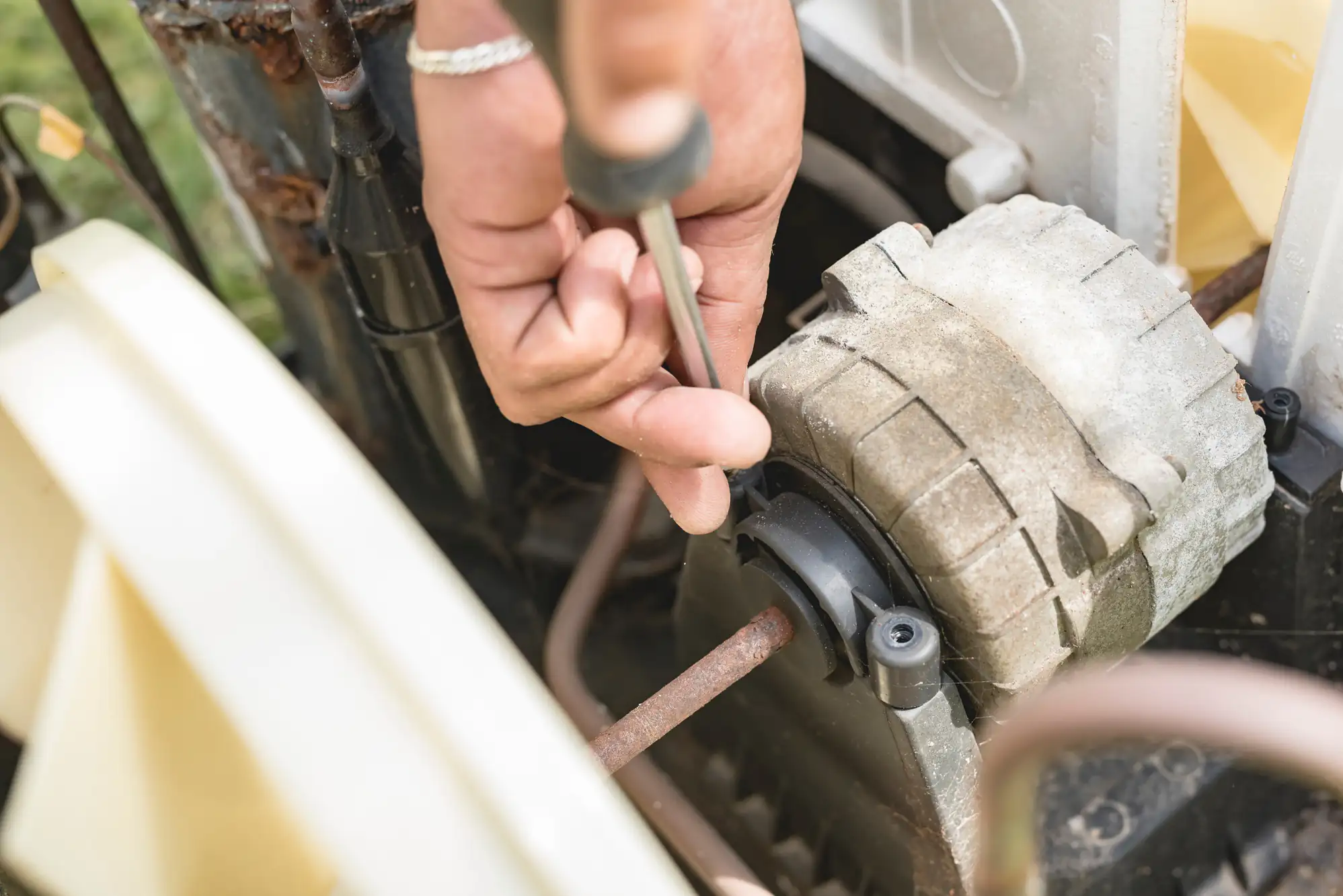
Each visit includes cleaning, inspection, and testing. We check refrigerant levels, inspect electrical connections, test safety controls, clean coils and burners, replace filters, and measure airflow. Small issues like a failing capacitor or dirty flame sensor get caught early, before they cause a breakdown in the middle of a heatwave or cold snap.
Skipping maintenance doesn’t just risk failure—it voids most manufacturer warranties and reduces efficiency. A dirty coil makes your compressor work harder, which drives up electric bills and shortens the compressor’s life. Annual tune-ups typically pay for themselves in energy savings and avoided repairs.
Central air conditioners last 15 to 20 years with proper maintenance. Furnaces can go 20 to 25 years depending on fuel type and usage. Heat pumps fall somewhere in between, around 15 years, because they run year-round for both heating and cooling.
Coastal conditions in Bethpage accelerate wear. Salt air corrodes outdoor units faster than inland areas, and humidity puts extra strain on cooling components. If your system is approaching 15 years old and needs a major repair—compressor, heat exchanger, evaporator coil—replacement usually makes more sense than sinking money into aging equipment.
New systems also meet higher efficiency standards. A 20-year-old AC might have a SEER rating of 10. Modern units start at SEER 14 and go up to SEER 20+. That efficiency gap translates to 30% to 50% lower cooling costs, which offsets the replacement investment over time.
It depends on the age of your system, the cost of the repair, and what’s likely to fail next. If your unit is under 10 years old and the repair is a few hundred dollars, fixing it makes sense. If it’s 15+ years old and you’re looking at a $1,500 compressor replacement, you’re better off putting that money toward a new system.
We use a simple calculation: multiply the repair cost by the system’s age in years. If that number exceeds the cost of a new system, replace it. A $1,200 repair on a 12-year-old unit equals $14,400—well over replacement cost. That’s a signal the system is at the end of its useful life.
There’s also the mismatch problem. If your outdoor condenser is 18 years old and your indoor air handler is 10, replacing just one creates efficiency and compatibility issues. Mismatched systems don’t perform to spec and can fail prematurely. We’ll walk you through the math and let you decide—we’re not here to sell you something you don’t need.
Sizing depends on square footage, insulation quality, window count and type, ceiling height, sun exposure, and ductwork condition. A proper load calculation—called a Manual J—accounts for all of those factors. Guessing based on square footage alone leads to oversized or undersized systems, both of which cause problems.
An oversized AC cools the house too quickly without running long enough to remove humidity. You end up with a cold, clammy home and higher electric bills from constant cycling. An undersized system runs nonstop on hot days and never quite reaches the set temperature, wearing out components faster.
Most Bethpage homes built in the ’50s through ’90s have 1,200 to 2,500 square feet and need 2 to 4 tons of cooling capacity. But that’s a rough estimate. We measure your home, assess insulation and air sealing, and calculate the actual load. Getting the size right means better comfort, lower energy costs, and longer equipment life.
We dispatch within two hours for true emergencies—no heat in winter, no cooling during a heatwave, gas odors, or system failures affecting safety. We keep common parts in stock and our technicians carry diagnostic equipment, so most emergency calls get resolved the same day without waiting for parts to arrive.
Emergency service costs more than scheduled appointments, but you’re paying for immediate availability and after-hours labor. If your system fails at 9 PM on a Saturday, we’re still answering the phone and sending someone out. You’re not stuck until Monday morning or dealing with an answering service that takes a message.
About 70% of our emergency calls are fixed on the first visit. The other 30% involve specialized parts we need to order, but we’ll get you temporary cooling or heating in the meantime if possible. We’ve been doing this for 40 years across Long Island—we know what breaks, we know how to fix it, and we know how to do it fast.
Yes. HVAC replacement is a significant expense—typically $5,000 to $12,000 depending on system type, size, and installation complexity. Financing spreads that cost into manageable monthly payments instead of requiring the full amount upfront.
We work with lenders who specialize in home improvement financing. Approval is usually quick, and rates vary based on credit and term length. Some programs offer promotional periods with deferred interest if you pay off the balance within a set timeframe.
There are also rebates and incentives for high-efficiency systems. New York State and utility companies periodically offer rebates for heat pumps, high-SEER air conditioners, and smart thermostats. We stay current on what’s available and help you apply. Between financing and rebates, upgrading to a modern, efficient system becomes a lot more accessible than paying cash for an emergency replacement.