Hear from Our Customers
When your air conditioning stops working in July or your furnace dies in January, you’re not just uncomfortable—you’re stuck. Ferry delays mean waiting longer for parts or service, and that’s not an option when temperatures drop or spike.
You need a system that’s built to last and a team that shows up when it matters. That means preventive maintenance before problems start, energy-efficient equipment that cuts your utility bills, and emergency service that doesn’t leave you waiting days for a callback.
Living on Fishers Island comes with trade-offs. Your HVAC system shouldn’t be one of them. When your heating system maintenance is handled right, your furnace runs clean all winter. When your air conditioning repair is done by someone who knows coastal conditions, your system fights through humidity and salt air without quitting halfway through summer.
We’ve spent over two decades handling HVAC work across the Greater New York area, including the unique challenges that come with island properties. We’re not new to salt air corrosion, humidity swings, or the logistics of getting equipment and parts to locations that require ferry access.
Our technicians are certified, experienced, and available around the clock for emergencies. We’ve worked on everything from residential furnace installations to complex commercial refrigeration systems at airports and restaurants. That depth of experience means we’ve seen what breaks, what lasts, and what actually works in environments like Fishers Island.
You’re not getting a crew that shows up once and disappears. You’re getting a team that keeps detailed service records, honors warranties, and understands that your time and comfort matter more than upselling you on equipment you don’t need.
First, we listen. You tell us what’s going on—whether your AC is blowing warm air, your furnace won’t ignite, or you’re just tired of high energy bills and want to explore HVAC replacement options.
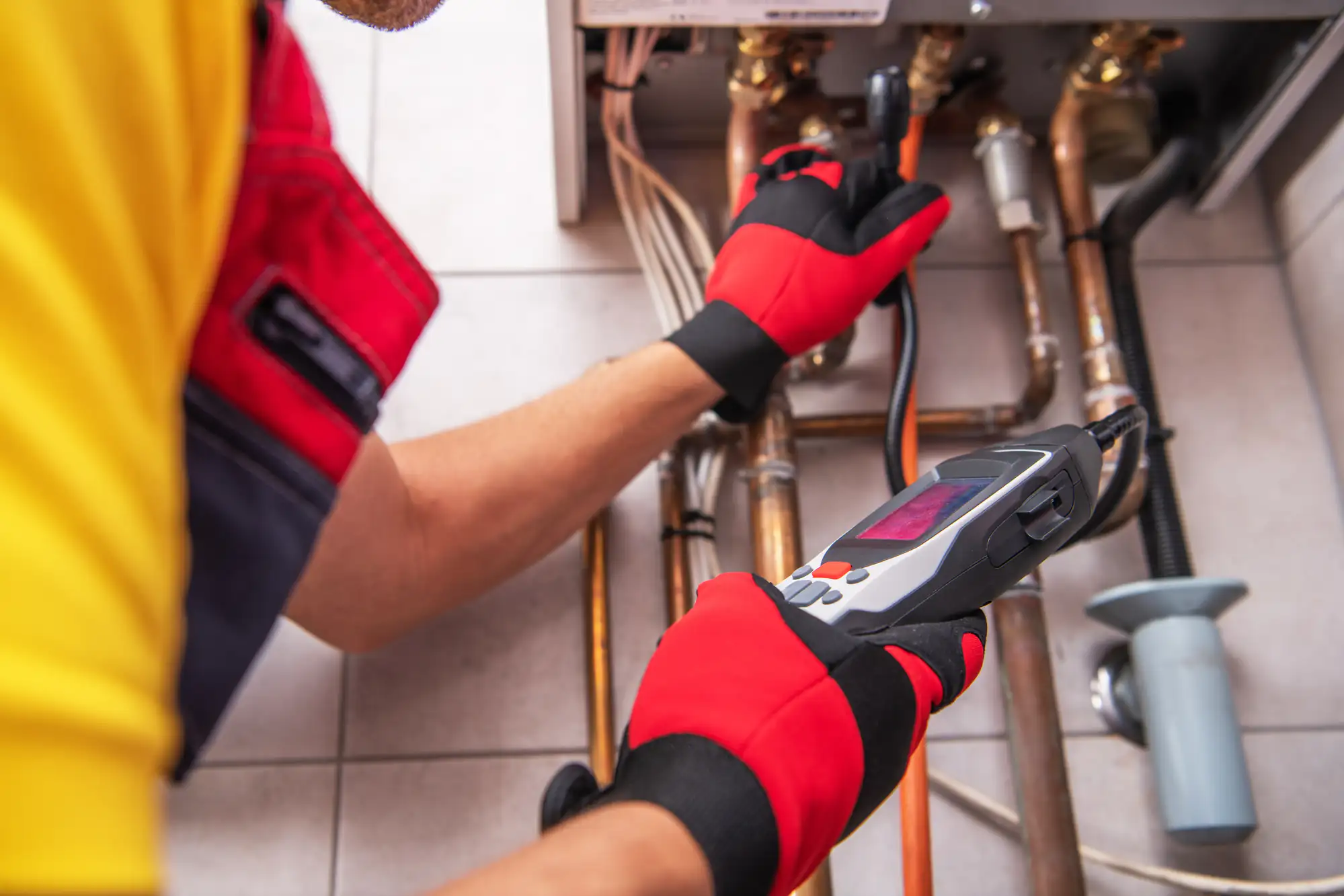
Then we schedule a visit that works around ferry times and your availability. Our technician arrives with the tools and diagnostic equipment to figure out what’s actually wrong, not what might be wrong. If it’s a repair, we explain what failed, why it failed, and what it’ll take to fix it. If it’s an installation, we walk you through your options based on your home’s size, your budget, and the energy efficiency you’re aiming for.
Once the work is done, we test everything, clean up, and make sure you understand how to maintain your system between visits. We also log the service in our records so the next time you call, we already know your system’s history. No starting from scratch. No repeating yourself.
If you’re on a maintenance plan, we come back seasonally to inspect, clean, and tune your equipment before peak summer and winter demand hits. That’s how you avoid emergency calls in the first place.
Ready to get started?
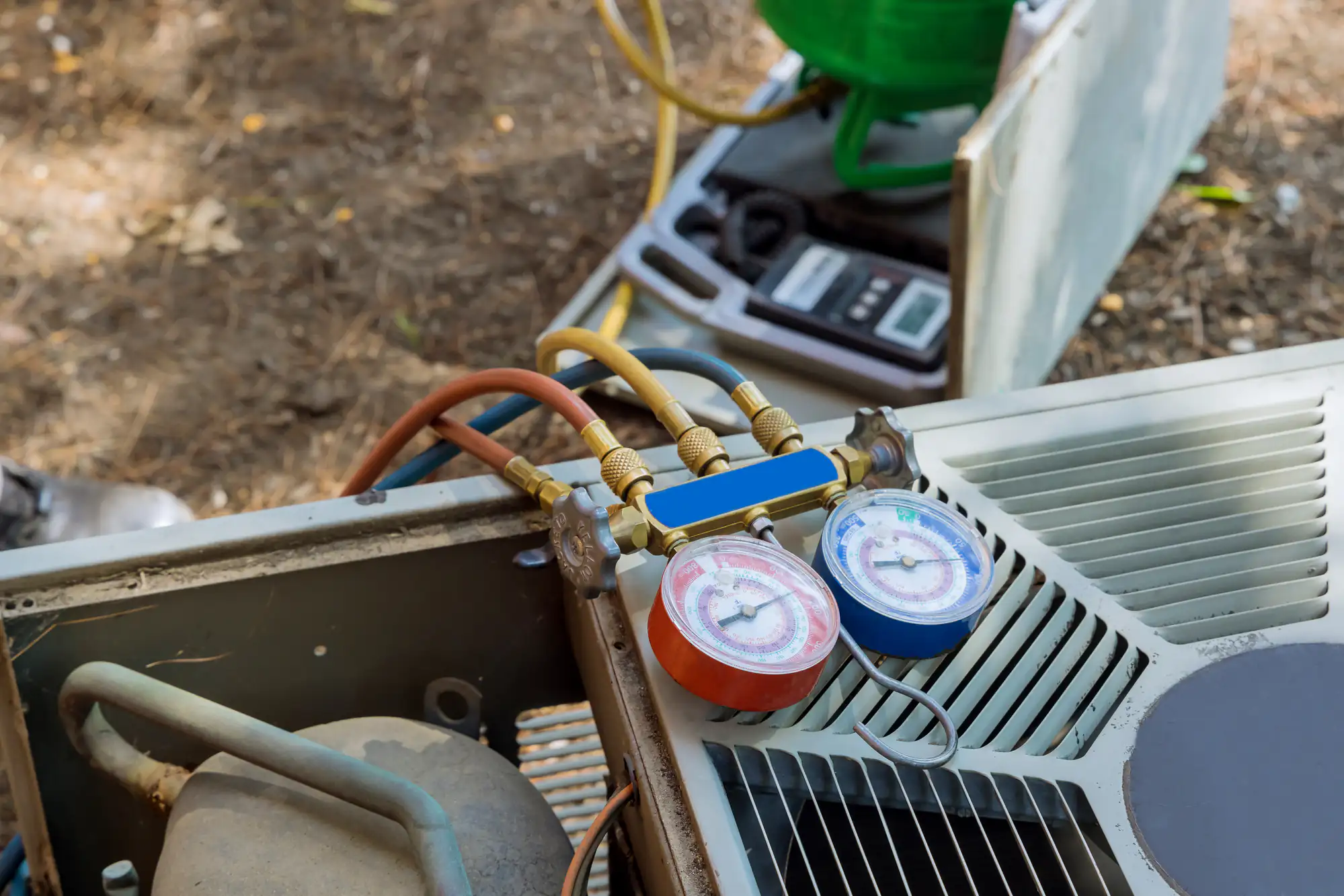
Air conditioning repair covers everything from refrigerant leaks and capacitor failures to compressor replacements and ductwork issues. If your system isn’t cooling, we find out why and fix it without dragging out the process.
Furnace installation means sizing your new system correctly, installing it to manufacturer specs, and making sure it’s running efficiently before we leave. We work with all major brands and can help you choose between traditional forced air systems and ductless options depending on your home’s layout.
Heating system maintenance includes cleaning burners, checking ignition systems, inspecting heat exchangers, and testing airflow. It’s the difference between a furnace that lasts 15 years and one that dies at 10 because nobody ever cleaned it.
Indoor air quality improvements—like upgraded filtration, humidity control, and ventilation adjustments—matter more on an island where salt air and moisture are constants. Your HVAC system can either fight that or make it worse. We make sure it’s fighting.
HVAC replacement happens when repair costs don’t make sense anymore or when your system is so old that parts aren’t available. We’ll tell you straight if you’re better off replacing than repairing, and we’ll show you the math so you can decide for yourself.
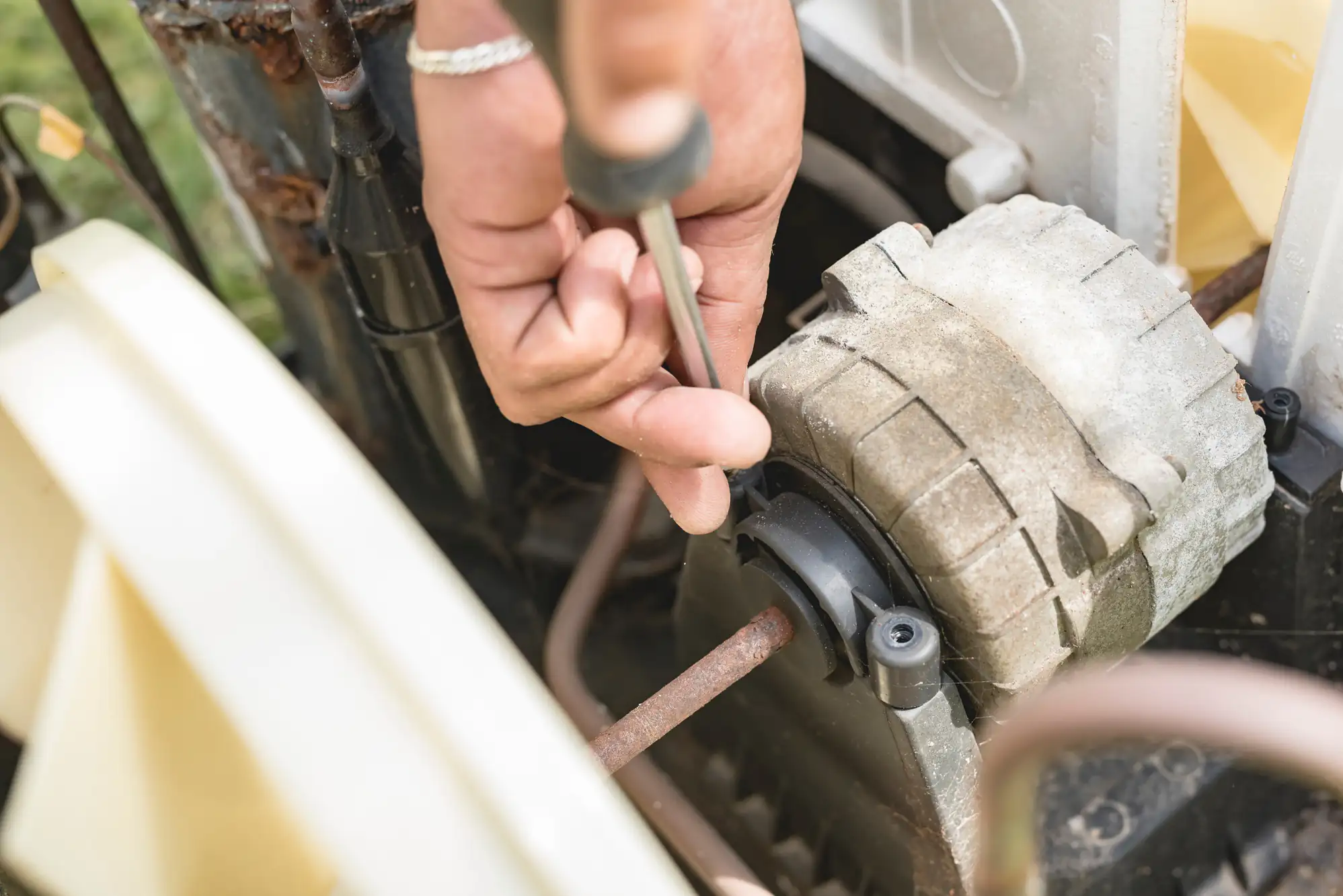
We aim to respond as quickly as possible, but ferry schedules and weather can affect timing. If you call during a breakdown, we prioritize getting someone out the same day or within 24 hours depending on conditions.
That’s why preventive maintenance matters so much here. Catching problems early means you’re not stuck waiting for emergency service when a storm delays the ferry or when every HVAC company is slammed during a heatwave.
We keep common parts stocked and plan our service routes around island access. If we know a part needs ordering, we’re upfront about lead times so you’re not left guessing when your heat or AC will be back online.
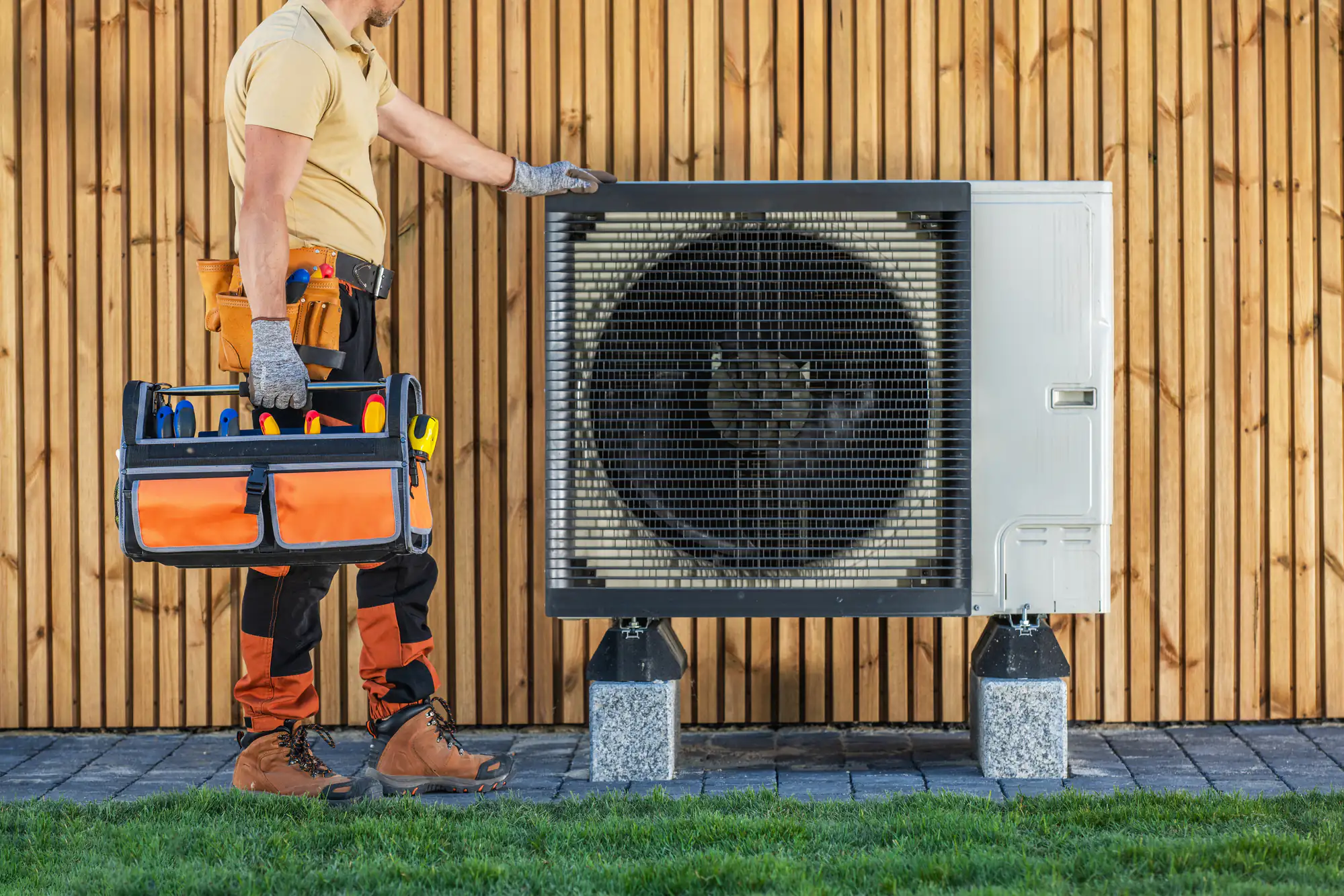
Salt air is the biggest culprit. It corrodes outdoor condenser coils, electrical connections, and metal components faster than you’d see inland. If your system isn’t rinsed and inspected regularly, corrosion shortens its lifespan by years.
Humidity also puts extra strain on your air conditioning system. Your AC has to work harder to dehumidify on top of cooling, which means more wear on the compressor and higher energy bills if your system isn’t sized or maintained correctly.
Debris buildup from coastal winds—sand, salt, leaves—clogs coils and restricts airflow. That makes your system run longer to hit the same temperature, which drives up costs and increases the chance of breakdowns. Regular cleaning prevents most of this.
If your system is under 10 years old and the repair costs less than half the price of a new unit, repairing usually makes sense. If it’s over 15 years old, uses outdated refrigerants, or needs a major component like a compressor replaced, replacement is often the smarter move.
Older systems also cost more to run. A new energy-efficient furnace or air conditioner can cut your utility bills by 20-30%, which adds up fast on an island where energy costs are already higher than the mainland.
We’ll give you both options with real numbers—what the repair costs, what replacement costs, and what you’ll save or spend over the next five years. You decide what makes sense for your budget and how long you plan to stay in the home.
Twice a year is the standard—once in spring before cooling season and once in fall before heating season. That gives us time to catch worn parts, clean components, and tune your system before you’re relying on it daily.
On Fishers Island, we’d argue for sticking to that schedule even more strictly. Salt air accelerates wear, and humidity puts extra load on your AC. Skipping maintenance here means you’re gambling on whether your system will make it through summer or winter without failing.
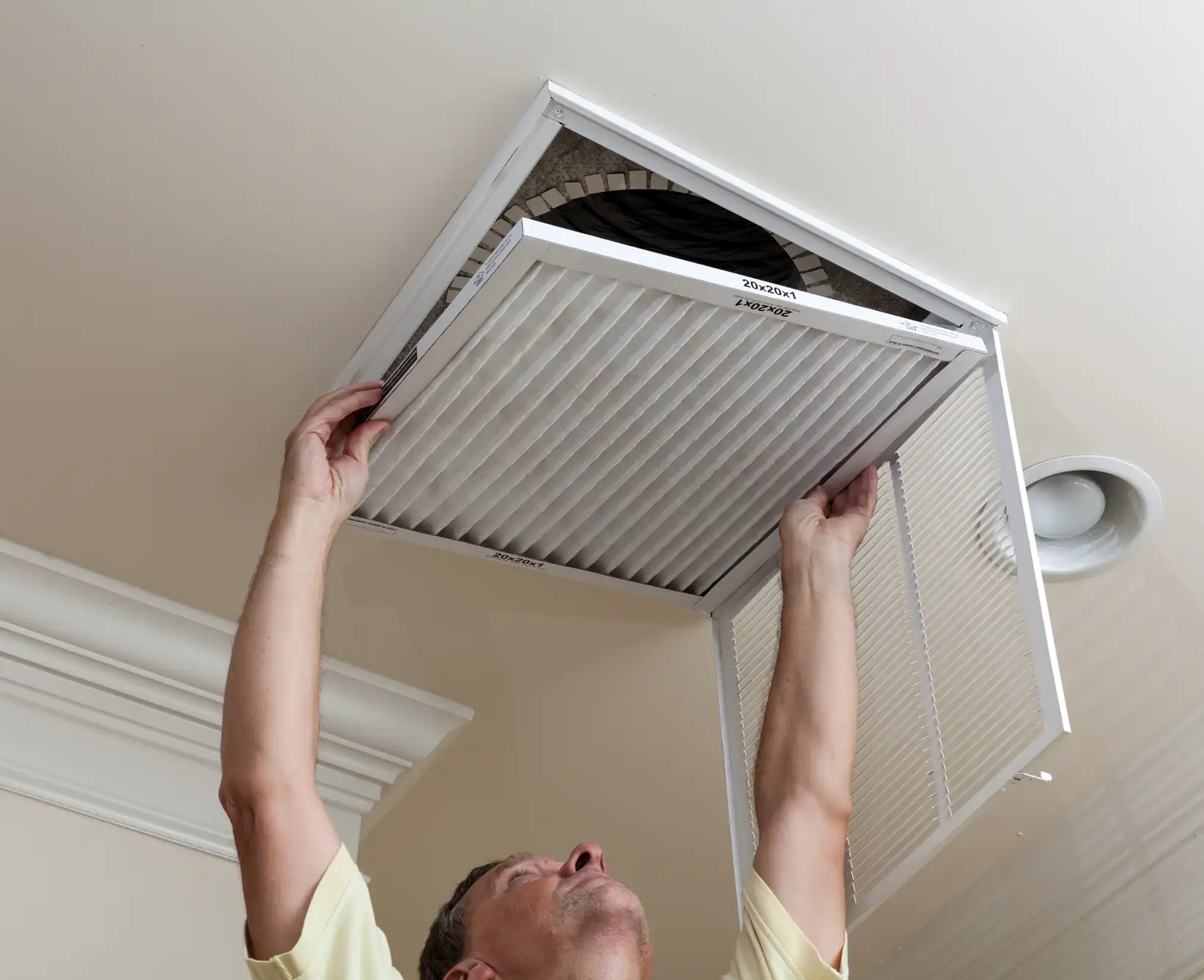
A good maintenance visit includes cleaning coils, checking refrigerant levels, inspecting electrical connections, testing airflow, and replacing filters. It takes about an hour and catches most problems before they turn into expensive emergency repairs.
Yes. We service all major residential HVAC brands—Lennox, Carrier, Trane, Rheem, Goodman, and more. Whether you have a traditional forced air system, a ductless mini-split, or a heat pump, we’ve worked on it.
We’re also a Lennox authorized dealer, which means we can install, service, and warranty their equipment directly. But we’re not locked into one brand. If another manufacturer makes a better fit for your home or budget, we’ll recommend it.
Our experience spans residential, commercial, and marine HVAC systems. That range matters because it means we’ve seen how different equipment holds up in different environments, including the coastal conditions you’re dealing with on Fishers Island.
We offer 24/7 emergency service, so you can call anytime. If your furnace quits at midnight in January or your AC fails on a Saturday in August, we’ll get someone working on it as soon as we can reach the island.
Emergency calls cost more than scheduled service—that’s standard across the industry—but we’re transparent about pricing before we start work. You’ll know what you’re paying and why.
The best way to avoid after-hours emergencies is staying on top of maintenance. Most breakdowns don’t happen out of nowhere. They happen because a small issue that could’ve been fixed during a tune-up turned into a total failure. Regular service keeps you off the emergency call list.