
Hear from Our Customers
Your home stays comfortable without you thinking about it. That’s what a properly functioning HVAC system does.
No more waking up sweating because the AC couldn’t keep up with Long Island’s summer humidity. No more uneven temperatures where the upstairs feels like a sauna while the basement stays cold. No more surprise breakdowns that leave you scrambling to find someone who’ll actually show up.
When your heating system maintenance is handled right, you’re not dealing with that anxious moment in January when the furnace starts making strange noises and you’re wondering if this is the year it dies. Modern systems with proper care catch problems before they become emergencies. Smart thermostats learn your schedule and adjust automatically. Your energy bills drop because the system isn’t working twice as hard to compensate for dirty filters or failing components.
You get predictable comfort and fewer emergency calls. That’s the difference between reactive panic and proactive maintenance.
We’ve spent over 40 years handling HVAC and refrigeration systems that most contractors won’t touch. We’ve kept airports running, maintained walk-in coolers for restaurants across Nassau County, and solved marine air conditioning problems on yachts from Montauk to Manhattan.
That background matters when you’re dealing with older Glenwood Landing homes that have additions, renovations, or duct layouts that don’t match the current cooling load. We’ve seen every configuration and solved problems that require actual troubleshooting, not just part replacement.
When you call, real people answer. We dispatch immediately for genuine emergencies and we show up in under two hours when your system fails. About 70% of our emergency calls get resolved the same day because our trucks carry extensive inventory for major brands.
You call or submit a request. If it’s an emergency, we dispatch immediately. If it’s scheduled service, we book a time that works for you and show up when we say we will.
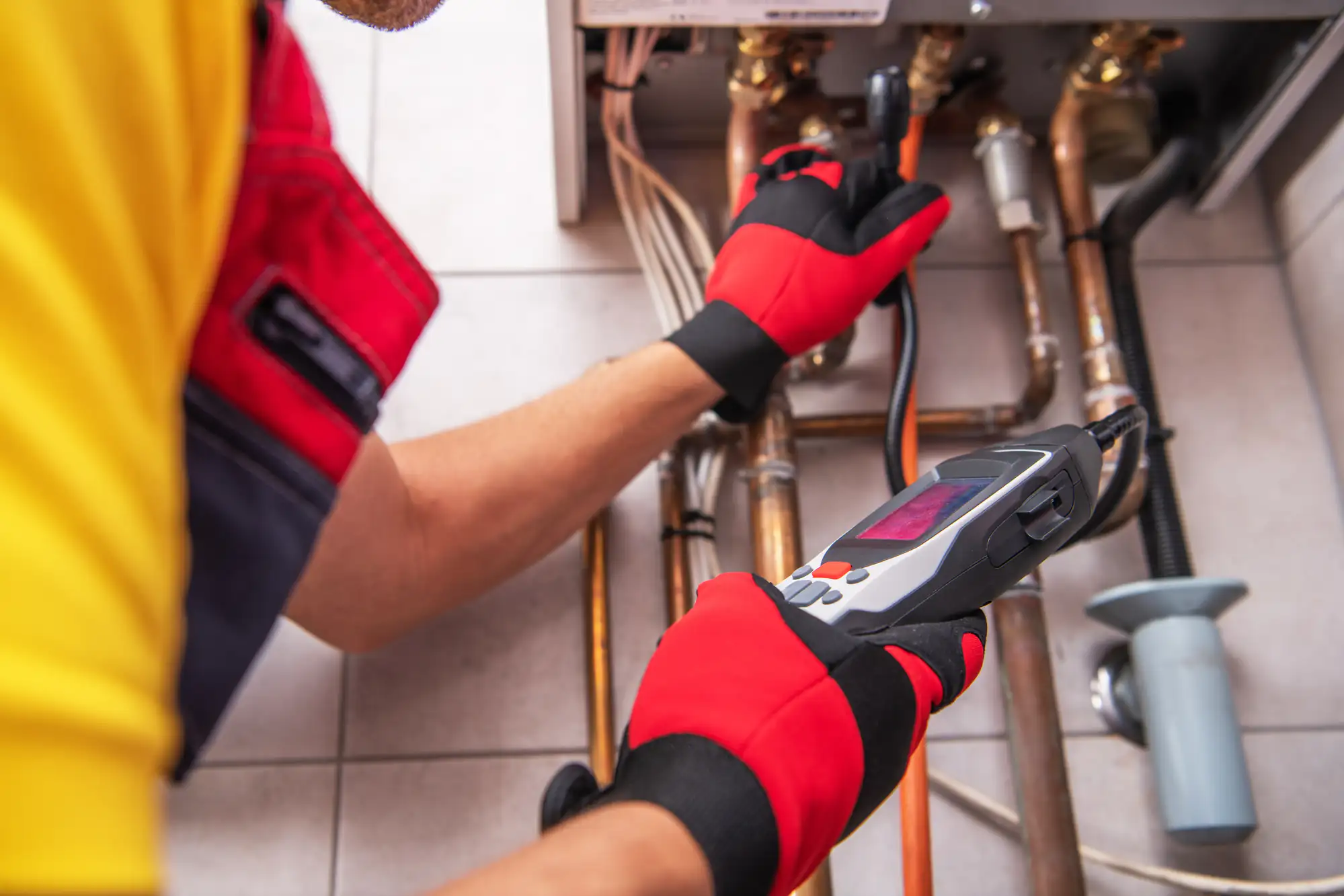
Our technician arrives with diagnostic equipment and a truck stocked with common parts. We assess the problem, explain what’s wrong in plain language, and give you options with transparent pricing. No hidden fees. No pressure to replace when repair makes sense.
If it’s a repair, we fix it on the spot whenever possible. If you need HVAC replacement, we walk through your options based on your home’s specific needs, your budget, and Long Island’s climate demands. We’re not pushing the most expensive system. We’re recommending what actually makes sense for your square footage, insulation, and usage patterns.
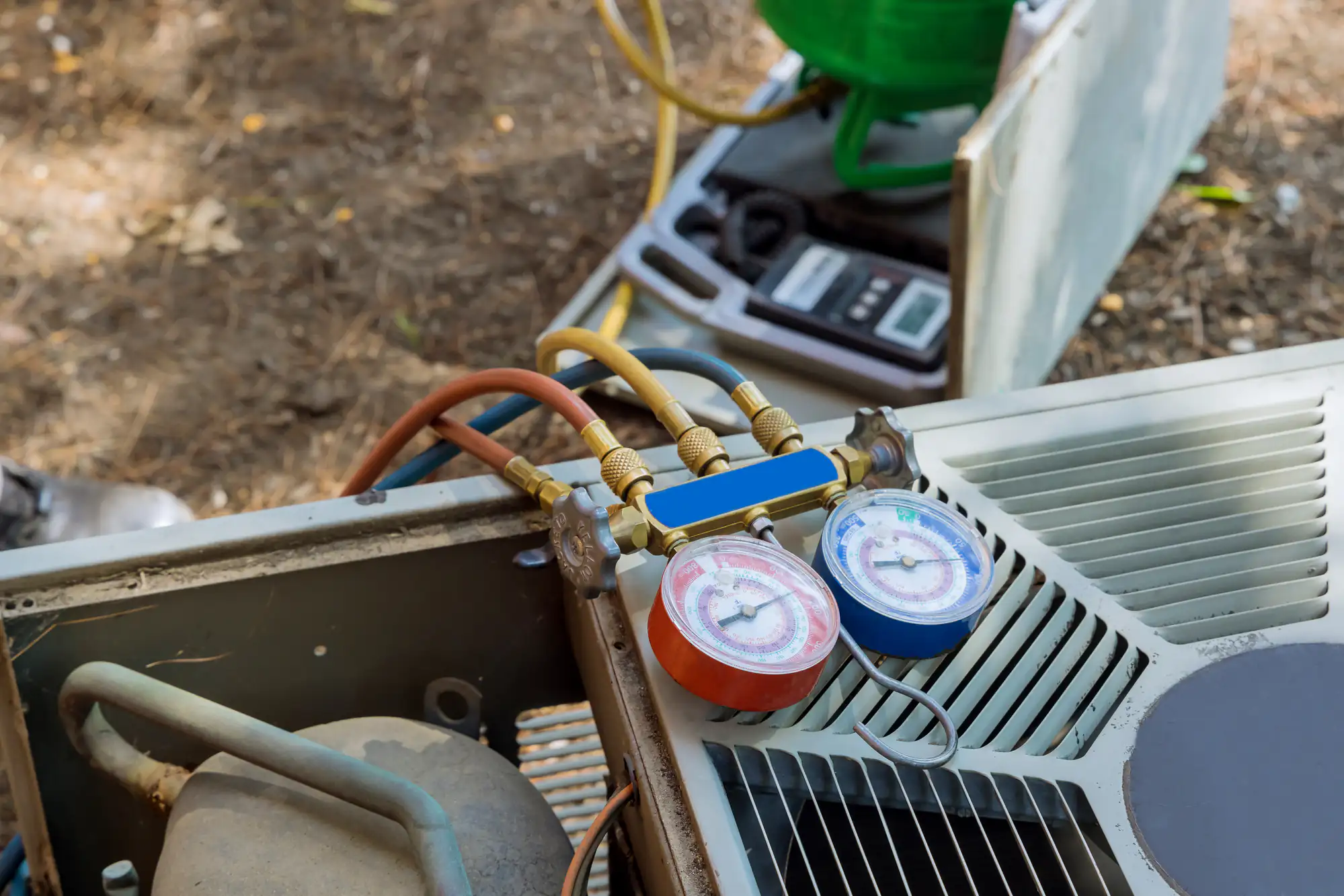
For installations, we handle permits, ensure proper sizing, and test everything before we leave. For maintenance, we’re checking refrigerant levels, cleaning coils, testing electrical connections, and catching small issues before they become expensive failures.
You know what’s happening, what it costs, and when it’ll be done. That’s how it should work.
Ready to get started?
Air conditioning repair covers everything from refrigerant leaks to compressor failures to electrical issues that cause your system to short cycle. In Glenwood Landing’s humid summers, AC units work significantly harder during heat waves above 90°F. When yours can’t keep up, we diagnose the root cause, not just the symptom.
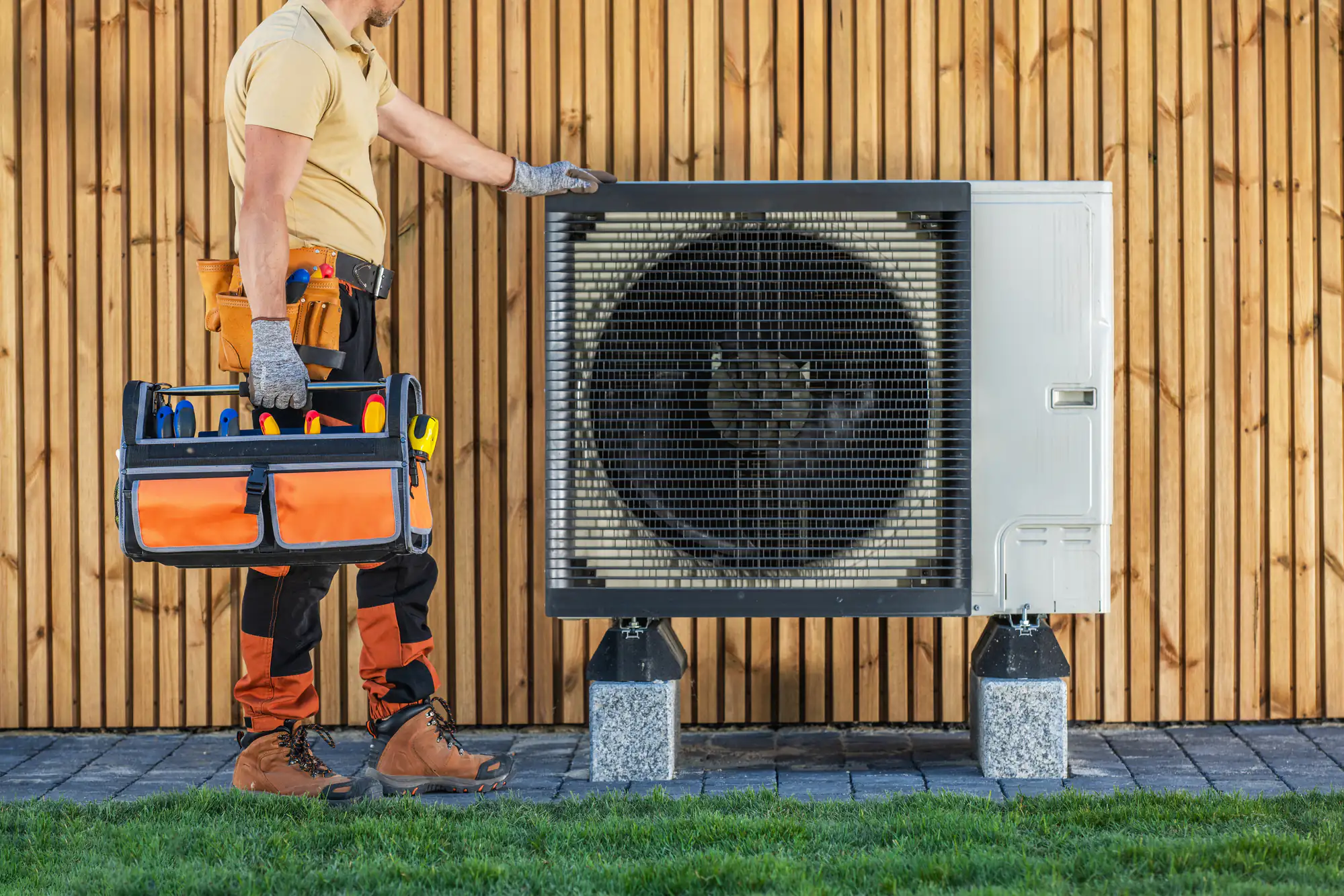
Furnace installation and heating system work includes gas furnaces, heat pumps, and hybrid systems. Many North Shore homes are switching to heat pumps because they cut heating electricity use by up to 75% compared to older furnaces and qualify for federal tax credits. We’ll tell you if that makes sense for your home or if a traditional system is the better call.
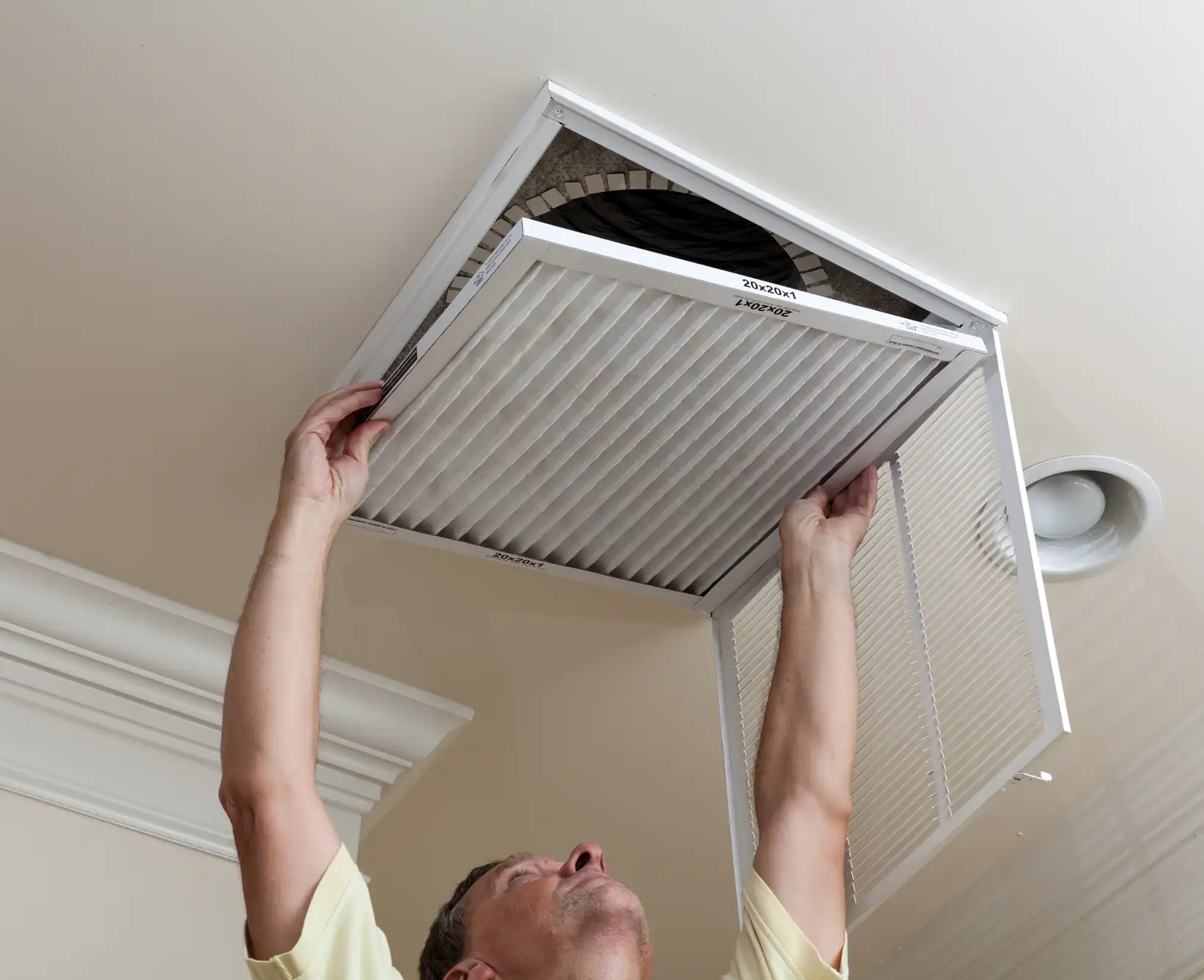
Indoor air quality solutions go beyond basic filtration. We’re talking HEPA-grade filters, UV-C coil treatment to prevent mold growth, humidity control for Long Island’s coastal climate, and fresh-air ventilation systems that actually work. Spring’s stop-and-start weather can hide air quality problems until summer humidity makes them impossible to ignore.
HVAC replacement isn’t just swapping units. It’s load calculations, duct assessment, insulation evaluation, and proper sizing. Older suburban homes across Nassau County often have duct layouts that don’t match current cooling needs. We fix that during installation so your new system actually performs like it should.
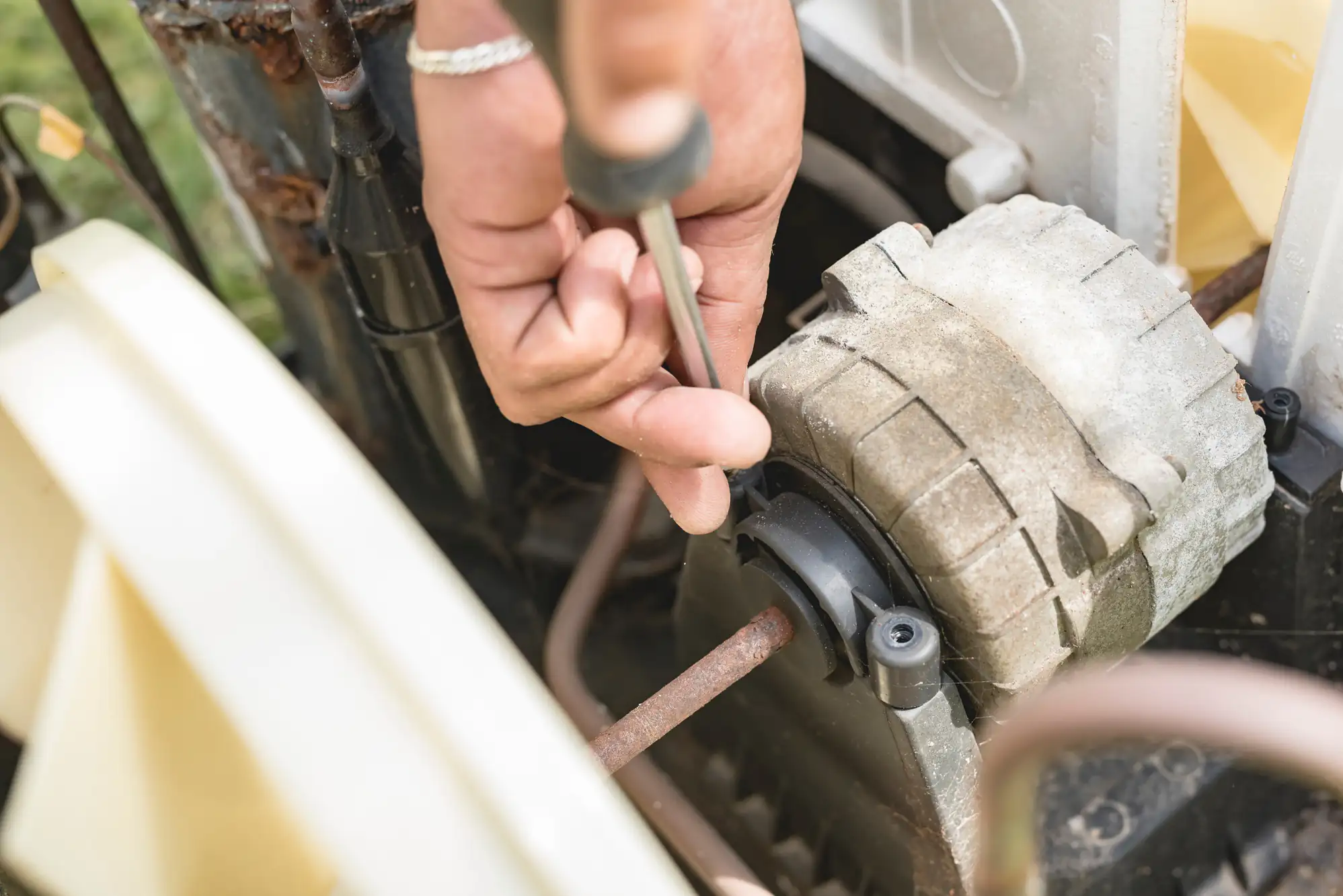
If your system is under 10 years old and the repair costs less than half the price of replacement, repair usually makes sense. If it’s over 15 years old, needs expensive repairs, or requires frequent service calls, replacement is typically the better investment.
Here’s the real math: residential HVAC units last 15 to 20 years with proper maintenance. If yours is 16 years old and needs a $1,200 compressor replacement, you’re putting significant money into a system that’s near the end of its lifespan anyway. You’ll likely face another major repair within a year or two.
But if your 8-year-old furnace needs a $400 flame sensor and igniter replacement, that’s a straightforward fix on a system with years of life left. We’ll tell you honestly which situation you’re in. Our commercial background means we’re used to making these calls based on total cost of ownership, not just what generates the biggest invoice today.
HVAC repair costs typically range from $415 to $1,200 depending on the problem. Simple fixes like thermostat replacement or capacitor swaps fall on the lower end. Compressor replacement, refrigerant leak repair, or heat exchanger work costs more.
New system installation varies widely based on your home’s size, existing ductwork condition, and equipment choice. A basic furnace replacement might run $3,000 to $6,000. A full HVAC system with new air handler, condenser, and ductwork modifications can range from $8,000 to $15,000 or more for larger homes.
Energy-efficient systems and heat pumps often cost more upfront but qualify for federal tax credits and state rebates that offset the difference. They also cut your energy bills significantly. We provide free estimates that break down equipment costs, labor, and any available incentives so you can make an informed decision. No surprises, no pressure.
Your air conditioning should be serviced once a year before cooling season starts, typically in spring. Your heating system needs annual maintenance before winter, usually in fall. If you have a heat pump that handles both, you’re looking at twice-yearly service.
Here’s why that matters: modern HVAC maintenance is predictive, not just preventive. We’re catching weak capacitors before they fail on the hottest day of summer. We’re noticing flame sensor patterns before they cause intermittent furnace shutdowns in January. We’re addressing minor airflow issues before they turn into frozen coils that flood your basement.
Skipping maintenance doesn’t just void warranties. It costs you money in higher energy bills because dirty systems work harder and less efficiently. Equipment that goes years without service fails sooner and more catastrophically. A $200 annual tune-up is significantly cheaper than a $1,500 emergency repair at midnight when you have no heat.
Yes. Real people answer our phones any time, day or night. We dispatch immediately for genuine emergencies and arrive in under two hours throughout Long Island.
We define genuine emergencies as complete system failures during extreme weather, gas odors, electrical issues, or situations where vulnerable people are at risk. If your AC quits during a heat wave or your furnace dies when it’s 20 degrees outside, that’s an emergency. We treat it like one.
Our trucks carry extensive parts inventory for major brands, which is why about 70% of our emergency calls get resolved the same day. We’re not showing up to diagnose and then disappearing for three days while we order parts. We’re fixing it. Our commercial and marine background means we’re used to systems that absolutely cannot be down, so we stock accordingly and our technicians know how to troubleshoot under pressure.
We’ve spent 40 years solving complex commercial refrigeration and marine HVAC problems that most residential contractors never encounter. That experience translates to better troubleshooting and more reliable solutions for your home.
When we show up to diagnose an issue, we’re not just running through a checklist and replacing parts until something works. We’re actually diagnosing the root cause because that’s what our commercial clients demand. Restaurants can’t afford to have walk-in coolers fail repeatedly. Airports can’t have HVAC systems that work intermittently. That same standard applies to your home.
We’re also transparent about pricing and honest about what you actually need. We’re not the cheapest option, and that’s intentional. You’re paying for technicians who answer their phones, show up on time, carry the right parts, and fix it correctly the first time. You’re getting 24/7 availability and same-day emergency response. That costs more than a contractor who schedules you three days out and shows up unprepared, but it’s worth it when your system fails and you need it working now.
Yes. Indoor air quality solutions are a core part of modern residential HVAC services. We install HEPA-grade filtration systems, UV-C lights that prevent mold growth on coils, whole-home dehumidifiers for Long Island’s humid climate, and fresh-air ventilation systems.
Long Island’s coastal location means humidity is a constant issue. Spring weather’s inconsistent use of heating and cooling can hide air quality problems until summer makes them obvious. If you’re noticing musty odors, increased allergy symptoms, or uneven humidity levels, your HVAC system is likely contributing to the problem.
Modern systems have evolved beyond just heating and cooling. Smart humidity control maintains comfortable levels year-round without over-drying in winter or feeling clammy in summer. UV-C coil treatment prevents the mold and bacteria growth that causes odors and circulates allergens. HEPA filtration captures particles that standard filters miss. We assess your specific situation and recommend solutions that actually address your air quality issues, not just sell you equipment you don’t need.