Hear from Our Customers
Your AC quits on the hottest day in July. Your furnace won’t fire up during the first freeze. These aren’t minor inconveniences when you’re trying to keep your family comfortable in a home you’ve worked hard for.
You need heating and cooling systems that handle Long Island’s humid summers and cold winters without constant breakdowns. That means equipment sized correctly for your home, installed by technicians who understand how salt air and temperature swings affect performance, and maintained before small issues become expensive emergencies.
When your HVAC system works the way it should, you’re not adjusting the thermostat every hour or wondering why one room is freezing while another is stuffy. You’re not calling for emergency repairs at night or on weekends. Your energy bills stay predictable. Your indoor air stays clean. And you can focus on everything else that matters in your day.
That’s what proper residential HVAC service delivers. Not just equipment that runs, but systems engineered for your specific home and maintained by people who know what they’re doing.
We’ve spent over 40 years handling HVAC and refrigeration systems in some of the most demanding environments on Long Island. We’ve kept airport facilities running, maintained climate control for catering halls during summer weddings, and engineered marine air conditioning systems that work in saltwater conditions.
That level of technical work requires precision. It requires understanding how equipment performs under stress. And it means we bring capabilities to your home that typical residential contractors simply don’t have.
We’re based right here in the Greater New York area, which means we understand what Hewlett homeowners deal with. The ocean air that corrodes outdoor components. The humidity that makes your AC work overtime. The winter cold that tests your heating system’s limits. These aren’t theoretical problems for us—we’ve been solving them in this exact climate for decades.
You reach out—by phone or through our website—and we schedule a time that works for your schedule. No runaround, no pressure. Just a straightforward conversation about what you’re dealing with.
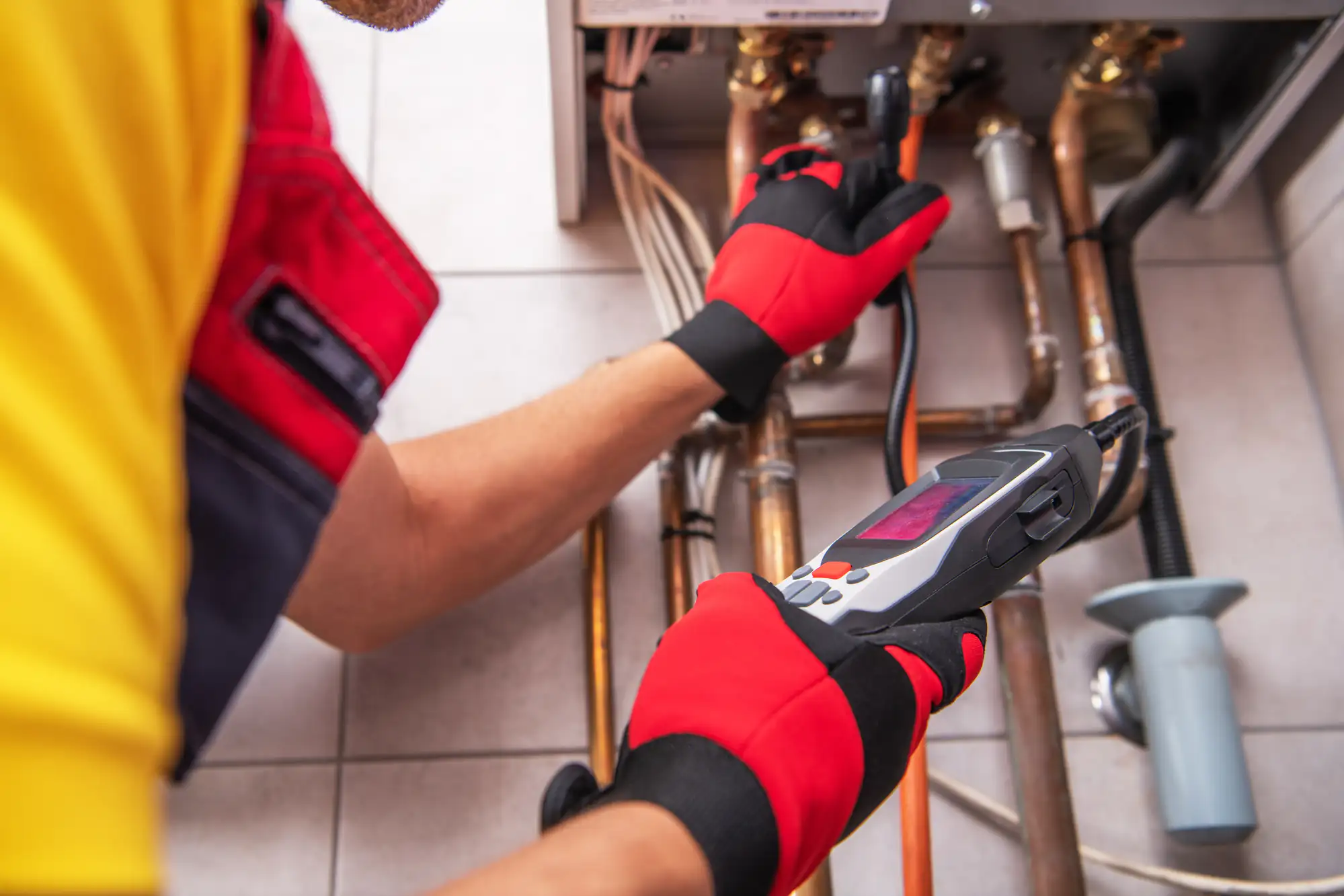
We show up when we say we will. Our technician evaluates your current system, asks about any issues you’ve noticed, and checks how your equipment is actually performing. If it’s a repair, we diagnose the problem and explain what’s wrong in plain language. If you’re looking at replacement or new installation, we measure your space, assess your needs, and discuss options that make sense for your home and budget.
You get a free estimate that includes everything—equipment, labor, permits, electrical work if needed. No surprises later. No hidden fees for things that “should have been obvious.” Just transparent pricing for the complete job.
Once you approve the work, we handle permits and coordinate any inspections required by Nassau County. Our team completes the installation or repair, tests everything to make sure it’s working correctly, and walks you through operation and maintenance. If you ever have questions after we’re done—even at 2 AM—you can reach us. We offer 24/7 consulting because problems don’t wait for business hours.
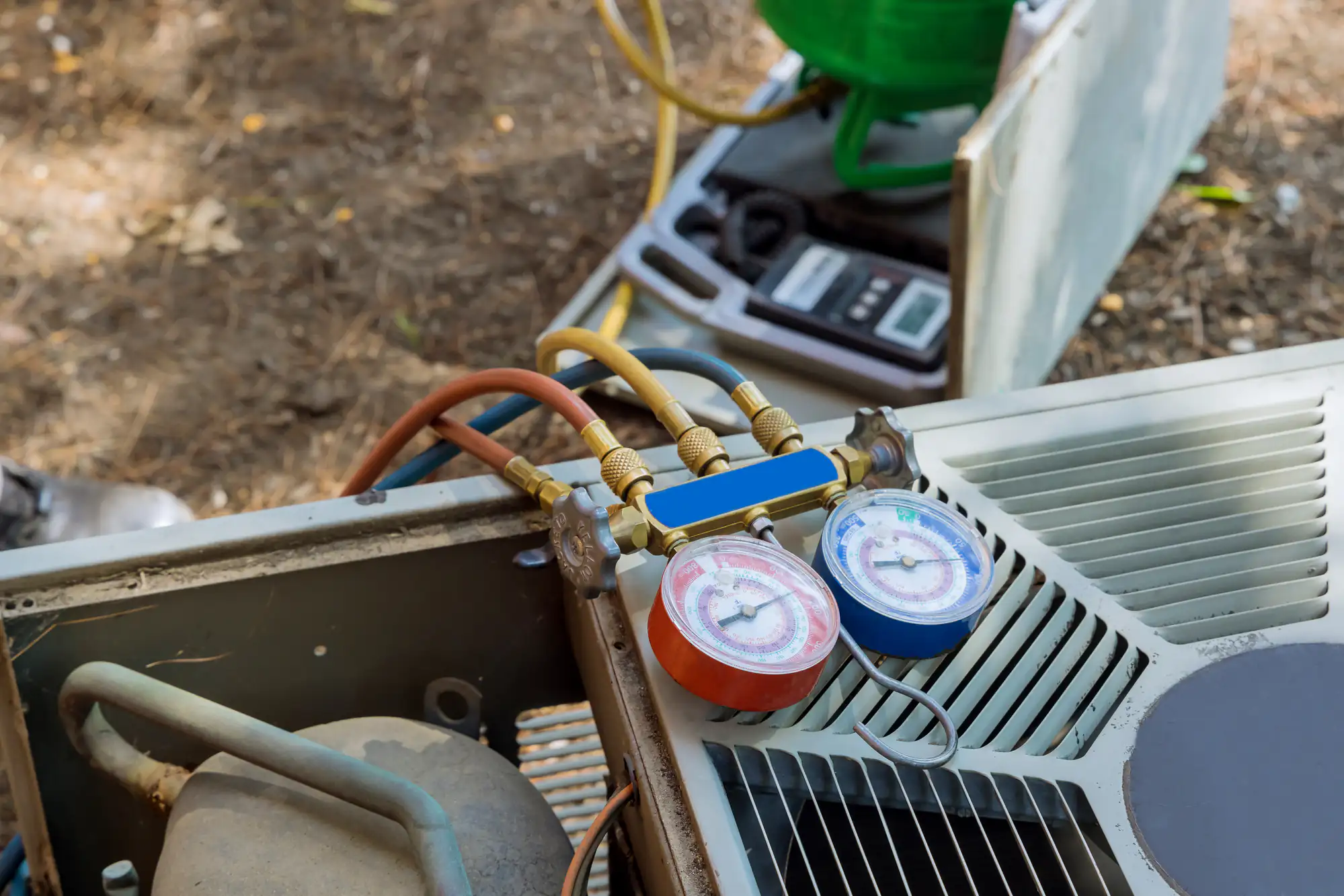
Ready to get started?
Air conditioning repair and installation covers everything from replacing failed compressors to installing new high-efficiency systems that cut your cooling costs by 30% or more. We size units properly for Long Island’s humidity levels, which means your system actually removes moisture from the air instead of just blowing cold air that leaves everything feeling clammy.
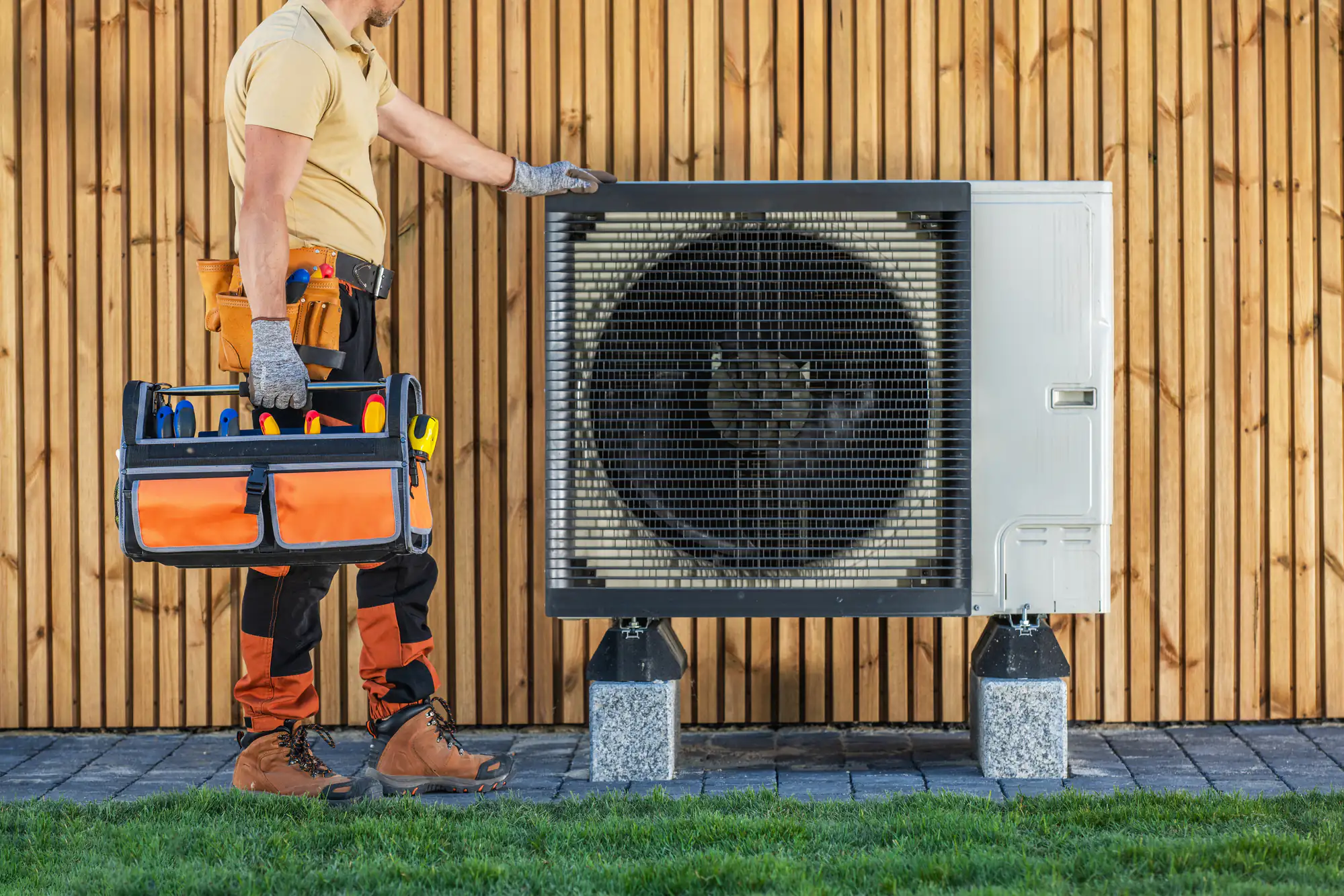
Furnace installation and heating system maintenance keeps your home warm when temperatures drop. We work with gas furnaces, oil systems, and increasingly popular heat pumps—which have been outselling gas furnaces across the U.S. since 2021. Heat pumps make particular sense in Hewlett’s climate because they provide both heating and cooling in one system, and modern models work efficiently even when it’s well below freezing outside.
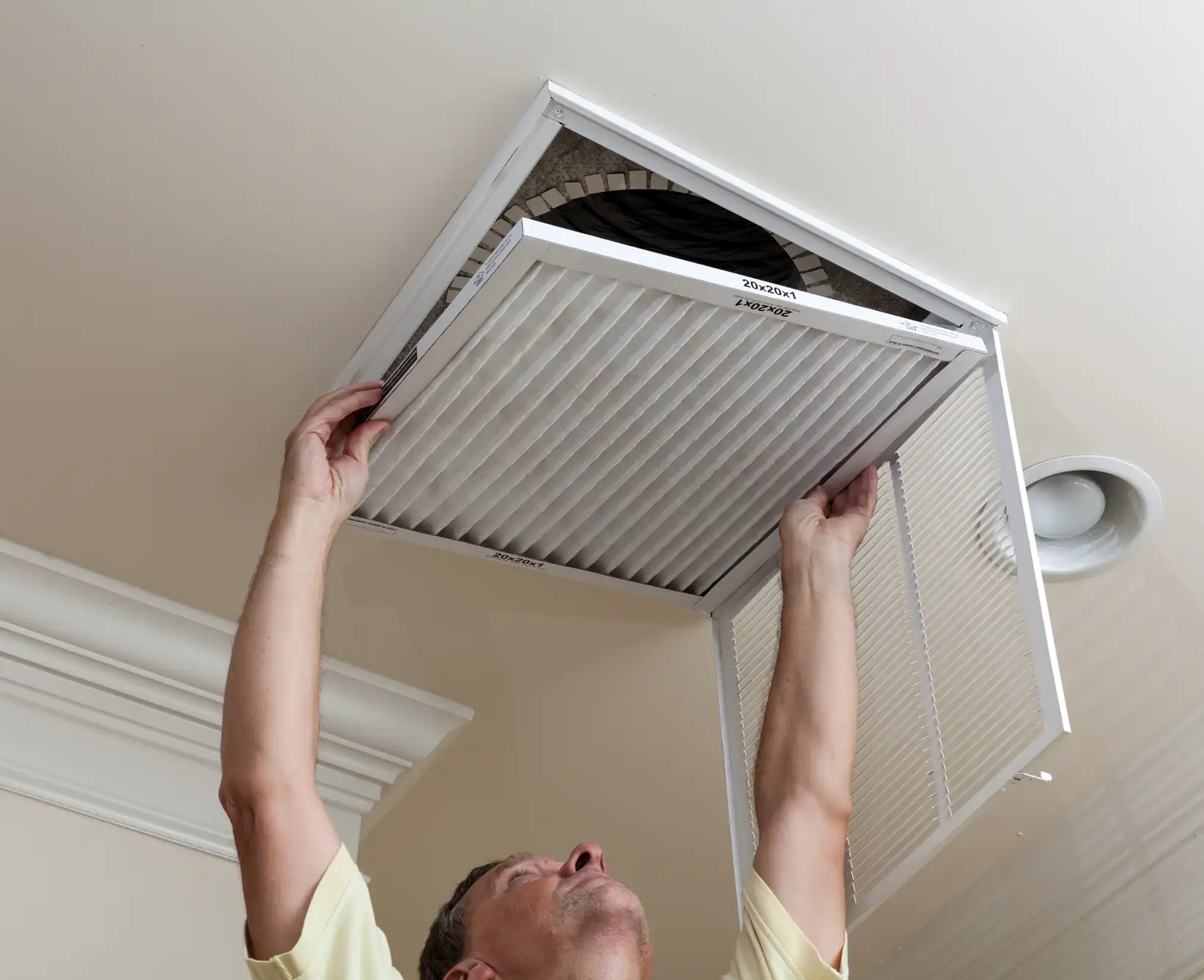
Indoor air quality solutions address what the EPA calls one of the worst threats to human health—the fact that indoor air is often two to five times more polluted than outdoor air. We install HEPA filtration systems, UV lights that kill airborne pathogens, and ventilation systems that bring fresh air into your home without wasting energy. This matters more now than it did five years ago, and it’s especially important for families with allergies, asthma, or young children.
HVAC replacement becomes necessary when your system is 15-20 years old, requires frequent repairs, or drives your energy bills higher every year. We handle the entire process—removing old equipment, upgrading electrical systems if needed, installing new components designed for coastal conditions, and making sure everything meets current building codes.
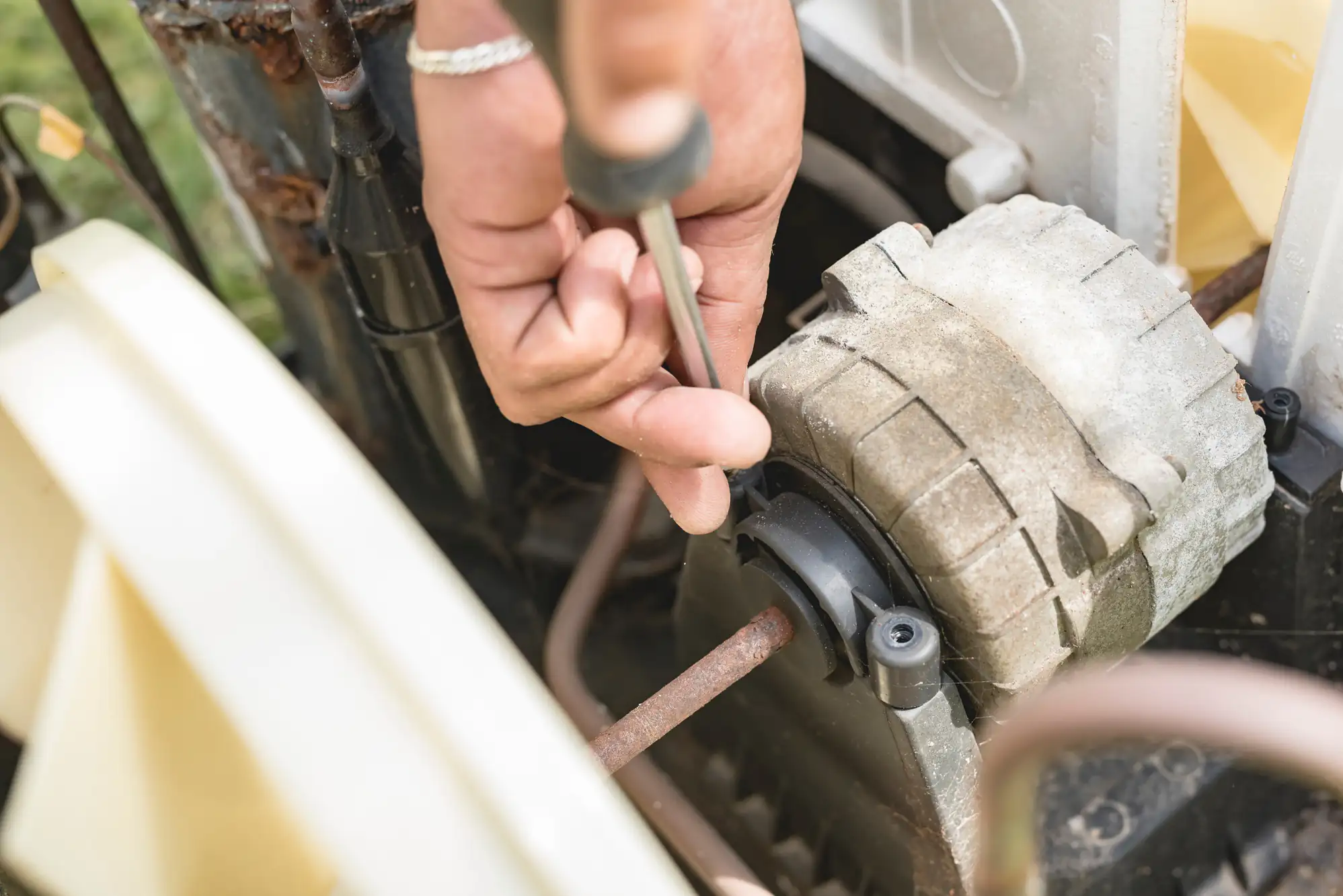
Complete HVAC replacement in Hewlett typically ranges from $8,000 to $18,000 depending on your home’s size, the equipment you choose, and whether any electrical upgrades are needed. A 1,500 square foot home usually needs a 2.5 to 3-ton system, while larger homes over 2,500 square feet might require 4 or 5 tons.
High-efficiency systems cost more upfront but qualify for utility rebates and cut your energy bills significantly. A 16 SEER system is standard efficiency. An 18-20 SEER system costs about 20% more but can reduce cooling costs by 25-30% compared to older equipment. Heat pumps run slightly higher than traditional AC units but eliminate the need for separate heating equipment.
The price includes removal of your old system, new indoor and outdoor units, thermostat, any required electrical work, permits, and labor. If your ductwork needs modification or your electrical panel needs upgrading to handle the new equipment, that adds to the cost. We provide detailed estimates that break down every component so you know exactly what you’re paying for.
We typically arrive within 2-4 hours for emergency calls during summer months. Our trucks stock the most commonly needed parts—capacitors, contactors, refrigerant, fan motors—which means we can complete most repairs the same day without ordering parts or making return trips.
If your AC fails on a Friday evening or weekend, you’re not waiting until Monday. We provide 24/7 emergency service because we know that losing cooling when it’s 90 degrees outside isn’t something you can just deal with until it’s convenient for us to show up.
That said, emergency calls cost more than scheduled service. The smarter approach is preventive maintenance in April or May before temperatures spike. We inspect your system, clean components, check refrigerant levels, and catch small problems before they cause complete failures. Most breakdowns happen because something that could have been fixed for $200 in the spring turns into a $1,500 compressor replacement in July.
Your air conditioning system needs service every spring before cooling season starts. That includes cleaning the outdoor condenser coils (which get clogged with pollen, leaves, and salt residue from ocean air), checking refrigerant levels, testing the capacitor and contactor, inspecting electrical connections, and making sure the condensate drain isn’t clogged.
Your heating system needs service every fall before you start using it regularly. For furnaces, that means inspecting the heat exchanger for cracks, testing the ignition system, checking gas pressure, cleaning the burners, and replacing filters. For heat pumps, it’s similar to AC maintenance but includes checking the defrost cycle and backup heating elements.
Skipping maintenance doesn’t just risk breakdowns. It voids most equipment warranties, which require annual professional service. It reduces efficiency—a dirty coil makes your system work 20-30% harder, which shows up on your electric bill. And it shortens equipment life. A well-maintained system lasts 15-20 years. A neglected one might fail after 10.
We offer maintenance plans that include priority scheduling, discounted service rates, and automatic reminders when your system is due for service. You’re not trying to remember when you last had maintenance or scrambling to find a contractor when everyone else is calling for the same thing.
If your system is less than 10 years old and the repair costs less than $1,000, repair usually makes sense. If it’s over 15 years old and you’re looking at a repair over $2,000, replacement is typically the better investment.
Here’s the math that matters: older systems run at 10-12 SEER efficiency. New systems start at 14 SEER and go up to 20+ SEER. That efficiency difference can save you $50-100 per month on cooling costs during summer. Over a 15-year lifespan, a new high-efficiency system can save $15,000-20,000 in energy costs compared to keeping an old inefficient one running.
Also consider frequency. If you’re calling for repairs every year, those costs add up quickly. And if your system uses R-22 refrigerant (which was phased out in 2020), refrigerant costs alone can run $150-200 per pound. A system that needs refrigerant added every year is leaking, and you’re literally paying hundreds of dollars to pump expensive refrigerant into the atmosphere.
We’ll give you honest guidance based on what actually makes financial sense for your situation. Sometimes that’s repair. Sometimes it’s replacement. But we’re not going to tell you to replace a system that has 10 good years left just because we’d rather sell you new equipment.
Modern cold-climate heat pumps work efficiently down to -15°F, which is colder than Hewlett typically experiences. The technology has improved dramatically in the past five years. These aren’t the heat pumps from the 1990s that struggled when temperatures dropped below 40°F.
Heat pumps move heat rather than generating it by burning fuel, which makes them 2-3 times more efficient than gas furnaces. Even when it’s 20°F outside, there’s still heat energy in the air that the system can extract and move into your home. When temperatures drop below the system’s efficient operating range, backup electric heat kicks in automatically.
The upfront cost runs about 15-20% higher than a traditional AC and furnace combination. But you’re getting both heating and cooling in one system, and operating costs are significantly lower. Most Hewlett homeowners see the cost difference pay for itself in 5-7 years through reduced energy bills.
Heat pumps also qualify for federal tax credits (up to $2,000 as of 2024) and utility rebates that can offset a significant portion of the installation cost. And because they don’t burn fuel, there’s no carbon monoxide risk and no need for gas lines or oil tank maintenance.
Start with your HVAC system’s filtration. Standard 1-inch filters catch large particles but miss the small stuff that affects health. Upgrading to a 4-inch media filter or HEPA filtration system captures particles down to 0.3 microns—that includes pollen, mold spores, pet dander, and most bacteria and viruses.
UV lights installed in your ductwork kill airborne pathogens and prevent mold growth on your evaporator coil. This matters in humid climates like Long Island where moisture creates perfect conditions for biological growth inside your HVAC system. The lights run 24/7 and need bulb replacement about once a year.
Ventilation systems (ERVs or HRVs) bring fresh outdoor air into your home while exhausting stale indoor air. They include heat exchangers that prevent you from wasting energy by dumping heated or cooled air outside. This is increasingly important because modern homes are built tight for energy efficiency, which means less natural air exchange and higher concentrations of indoor pollutants.
Whole-home dehumidifiers work alongside your AC to maintain 40-50% humidity levels. Your AC removes some moisture, but it’s not designed to be a dehumidifier. When humidity stays above 60%, you get mold growth, dust mites thrive, and your home feels uncomfortable even when the temperature is fine. A dedicated dehumidifier solves this and reduces the load on your AC.
These systems work together. Filtration catches particles. UV kills biological contaminants. Ventilation brings in fresh air. Dehumidification controls moisture. The combination creates genuinely clean indoor air instead of just recirculating the same polluted air through your home.