Hear from Our Customers
Your HVAC system accounts for nearly half your home’s energy use. When it’s running inefficiently, you’re paying for it every month. When it breaks down in July or January, you’re scrambling.
Here’s what changes when your system actually works: your energy bills drop because modern equipment uses 30% less power than units from just five years ago. Your home stays comfortable in every room, not just the ones closest to the thermostat. You stop worrying about whether the system will make it through another summer.
You also breathe cleaner air. Indoor air quality matters more than most people realize, especially in homes where windows stay closed most of the year. Proper filtration, humidity control, and ventilation keep allergens and pollutants down. That means fewer respiratory issues and better sleep.
We’ve spent over 40 years working on marine HVAC systems and commercial refrigeration. That means airports, restaurants, catering halls, and boat systems where failure isn’t an option. We bring that same level of technical skill to your home.
Lawrence homeowners deal with specific challenges. The salt air from the coast accelerates corrosion on outdoor units. Older homes in the Five Towns area often have unique ductwork configurations that require custom solutions. Cookie-cutter approaches don’t work here.
We’re available 24/7 because HVAC emergencies don’t wait for business hours. We provide free estimates because you deserve to know what you’re paying before work starts. And we’ve earned dozens of five-star reviews by showing up, communicating clearly, and fixing things right the first time.
You call or contact us, and we schedule a time that works for you. No waiting weeks for an appointment. If it’s an emergency, we’re there faster.
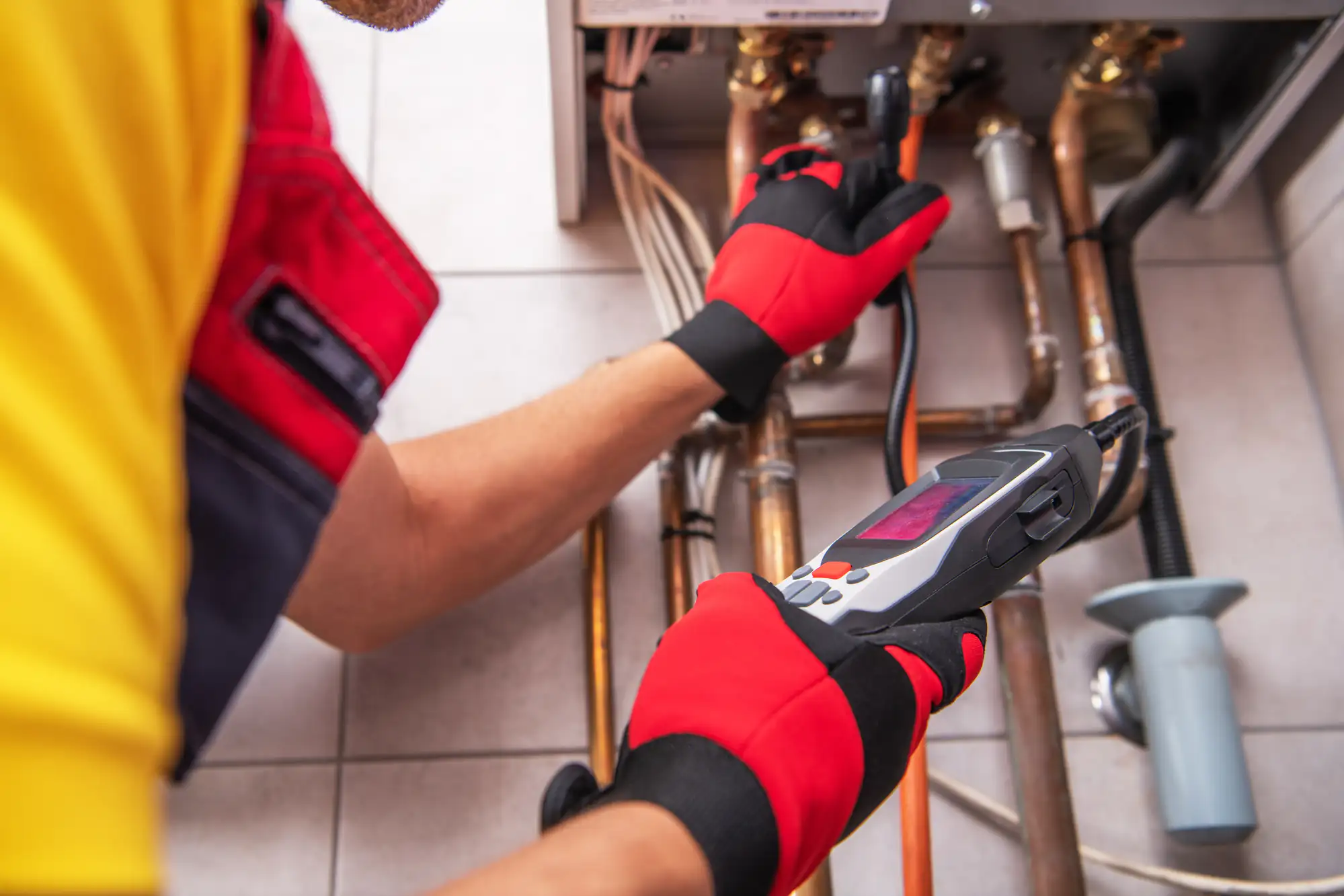
We show up and assess your system. That means checking the actual problem, not just the symptoms. A furnace that won’t heat might have a failed ignitor, a clogged filter, a faulty thermostat, or a dozen other issues. We diagnose it correctly the first time.
Before any work starts, you get a clear explanation and upfront pricing. No surprises. If it’s a repair, we fix it and test the system to make sure it’s running properly. If it’s a replacement, we walk you through your options based on your home’s size, your budget, and your efficiency goals.
After installation, we make sure you understand how to operate and maintain your new equipment. We’re not gone the second the job is done. You have our number, and we’re here if questions come up.
Ready to get started?
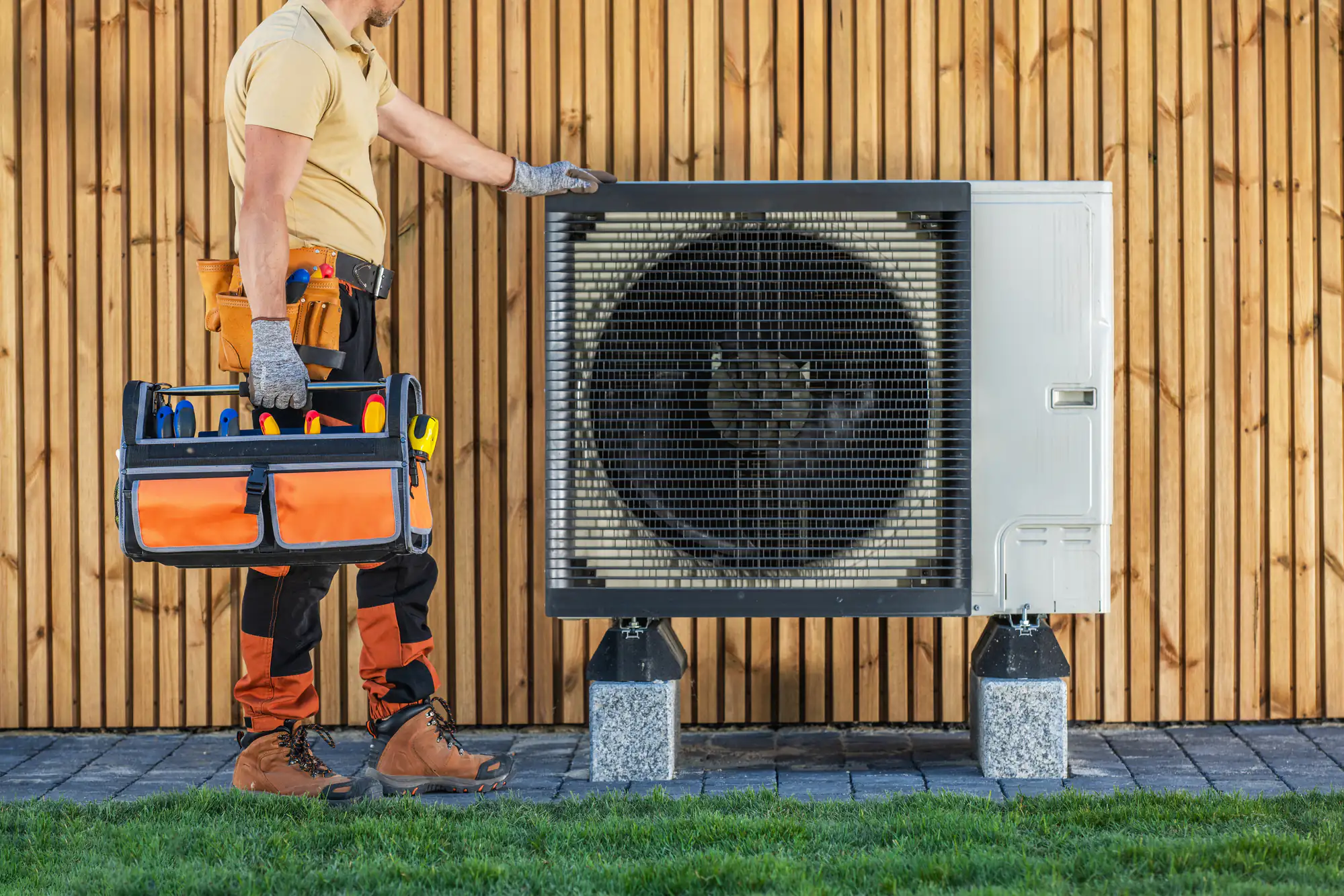
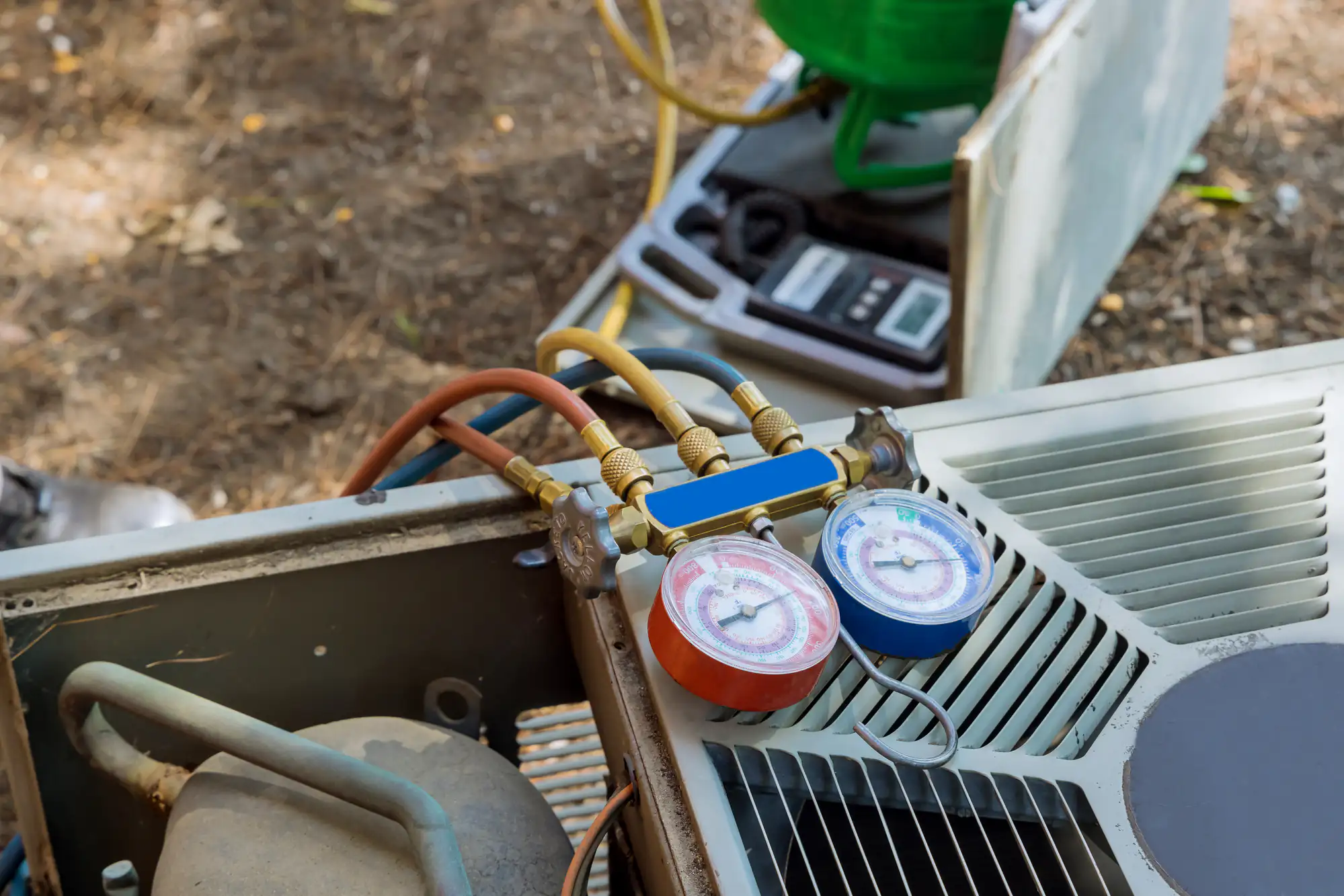
Air conditioning repair and installation covers everything from central AC systems to ductless mini-splits. If your current system is over 12 years old and repair costs are climbing, replacement usually makes more financial sense. Newer units cool more efficiently and break down less often.
Furnace installation and heating system maintenance keep you warm through Long Island winters. Whether you’re running a gas furnace, oil heat, or a heat pump, regular maintenance catches small problems before they become expensive failures. Annual tune-ups extend equipment life and maintain efficiency.
HVAC replacement becomes necessary when your system is aging out or when repair costs exceed half the replacement value. We handle the full process: load calculations to size equipment correctly, ductwork modifications if needed, and proper installation that meets manufacturer specs for warranty coverage.
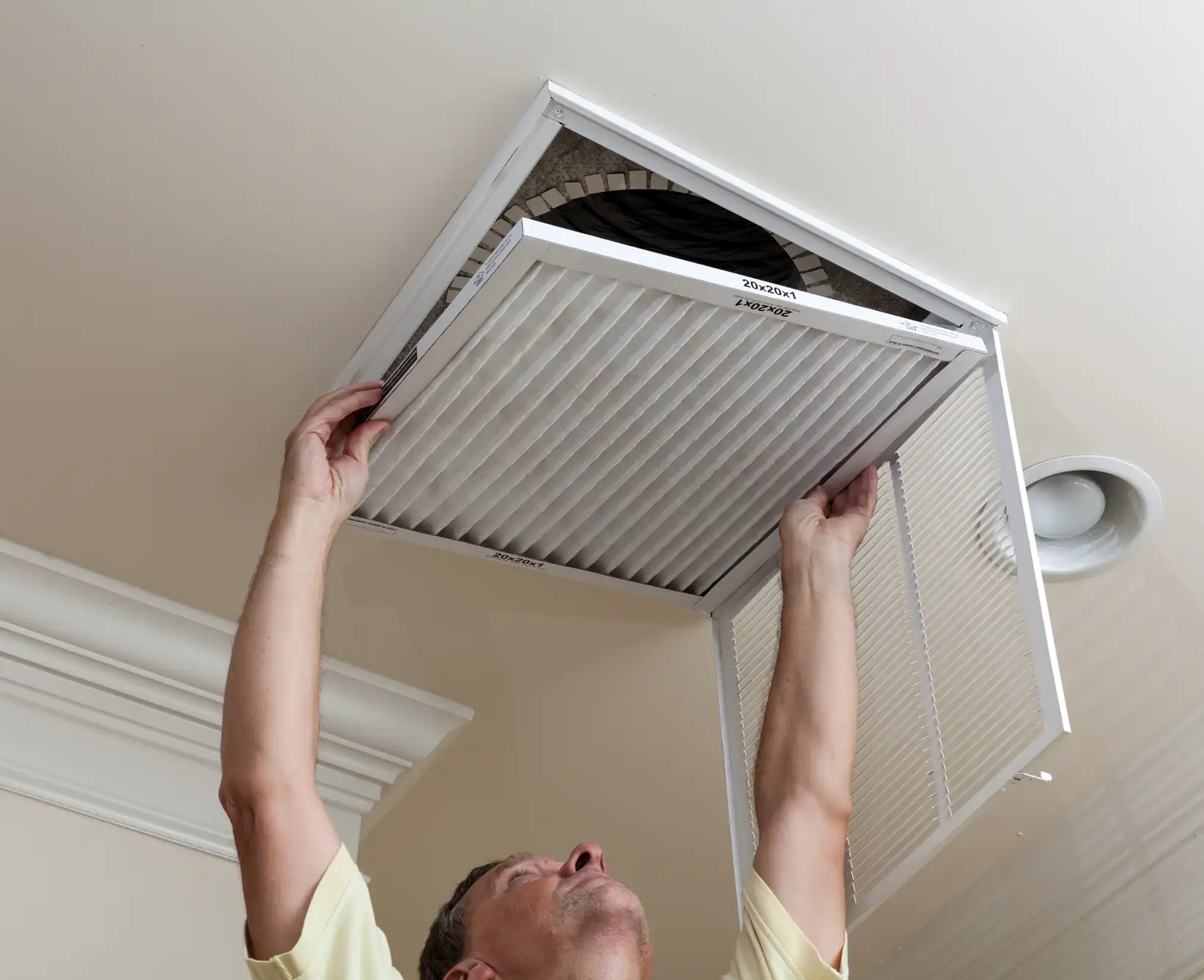
Indoor air quality improvements include filtration upgrades, humidity control, and ventilation solutions. Many homes in Nassau County have air quality issues they don’t even realize. Better filtration removes allergens and particles. Proper humidity levels prevent mold growth and make your home more comfortable year-round.
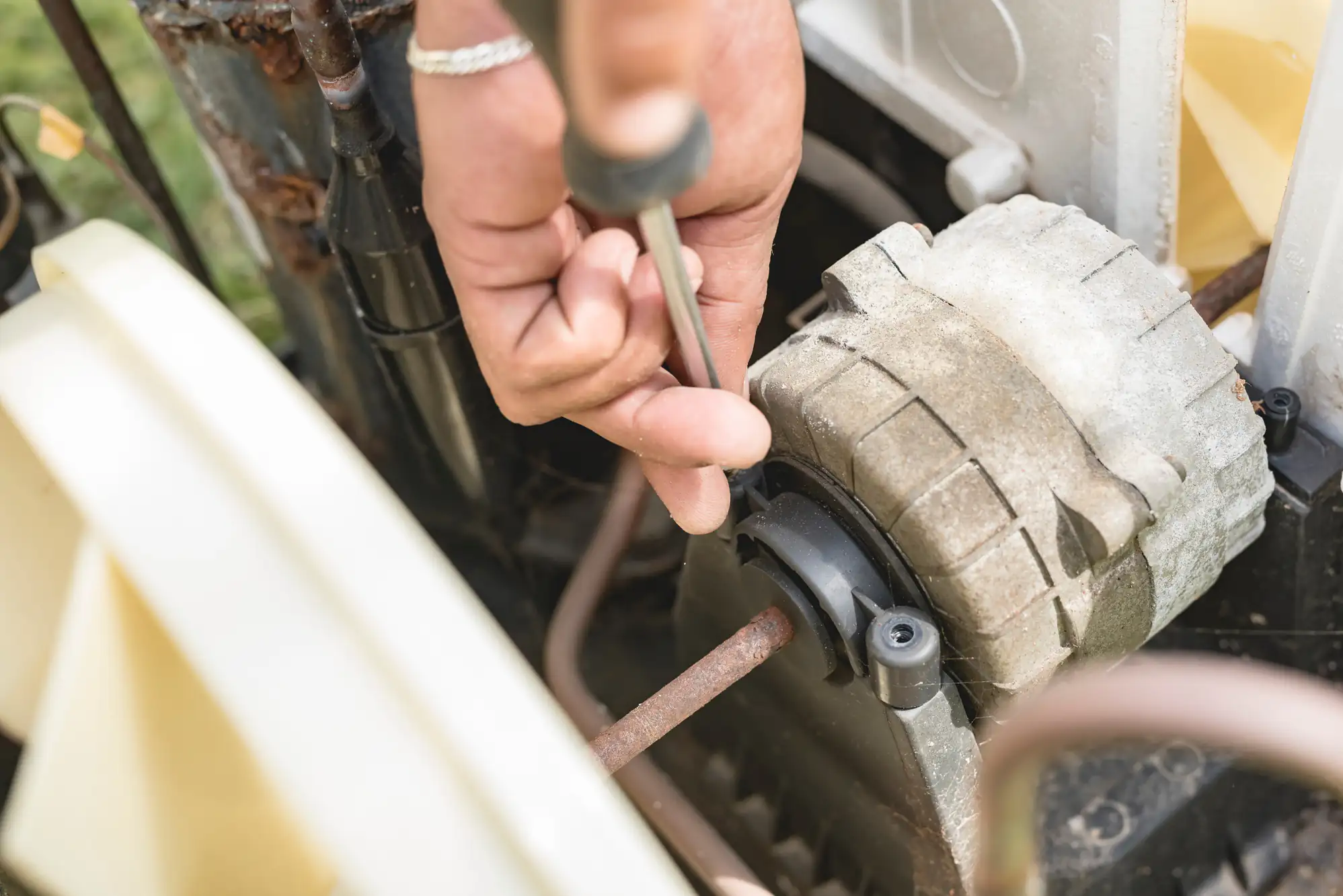
Annual maintenance is the standard recommendation, and fall is the best time to do it. You want your furnace or heat pump checked before you actually need it on those first cold nights in November.
During a maintenance visit, we clean components, check electrical connections, test safety controls, and measure system performance. This catches issues like a cracked heat exchanger or a failing blower motor before they leave you without heat. It also keeps your system running efficiently, which matters when you’re heating a home through a Long Island winter.
Skipping maintenance doesn’t seem like a big deal until your system fails on the coldest day of the year. Emergency service costs more, and you’re stuck waiting for repairs when availability is limited. Regular maintenance is cheaper than emergency calls and extends your equipment’s lifespan by several years.
The 50% rule is a good starting point. If the repair costs more than half of what a new system would cost, and your unit is over 12 years old, replacement usually makes more sense financially.
Here’s why: older systems use more energy, so you’re already paying extra every month. R-22 refrigerant is being phased out, making repairs on older units increasingly expensive. And if one major component fails, others are likely close behind. You could spend $1,500 on a compressor replacement this year and face another $1,200 repair next year.
A new AC system costs more upfront, but you get a warranty, better efficiency, and reliability. Your energy bills drop by around 30% with a modern unit. You’re not dealing with repeated repair calls. And if you’re financing, the monthly payment is often offset by the energy savings. The break-even point is usually faster than people expect.
Your system might be running, but that doesn’t mean it’s running efficiently. Several things drive up energy costs even when equipment appears to work normally.
Dirty filters are the most common culprit. When airflow is restricted, your system works harder to move air through the house. That means longer run times and higher electric bills. Duct leaks are another major issue, especially in older homes. If 20-30% of your conditioned air is escaping into your attic or crawl space, you’re paying to heat or cool areas you don’t use.
Aging equipment also loses efficiency over time. A 15-year-old AC unit that’s still cooling your home is using significantly more power than it did when new. Refrigerant leaks, worn components, and general wear all reduce performance. Sometimes the most cost-effective solution is replacement, not because the old system is broken, but because the energy savings pay for the new equipment within a few years.
Age and repair history tell you most of what you need to know. If your furnace is over 15 years old and you’re calling for repairs more than once every few years, you’re approaching the end of its useful life.
Warning signs include uneven heating, strange noises, frequent cycling, yellow pilot light flames instead of blue, and rising energy bills. Any of these indicate your furnace is struggling. A cracked heat exchanger is a safety issue that requires immediate replacement, not repair. Carbon monoxide leaks are not something you fix with a patch job.
The cost calculation matters too. If you’re looking at a $1,200 repair on a 17-year-old furnace, you’re better off putting that money toward a new system. Modern furnaces are significantly more efficient, and you’ll recoup some of that cost through lower heating bills. Plus, you get a warranty and peace of mind that you’re not going to be without heat in the middle of winter.
There’s no universal answer because every home is different, but certain factors matter more in Lawrence and the surrounding Five Towns communities.
Salt air from the coast means you want outdoor units with corrosion-resistant coatings. Standard equipment will deteriorate faster here than it would inland. Many older homes in this area have radiator heat or unique ductwork layouts, which affects what systems will work efficiently. Ductless mini-splits are often a good solution for additions or homes without existing ductwork.
Heat pumps are becoming more popular because they handle both heating and cooling efficiently. Modern cold-climate heat pumps work well even in Long Island winters. If you’re replacing both your AC and your furnace, a heat pump system might cost less overall and give you better year-round efficiency. The right choice depends on your home’s size, insulation, existing infrastructure, and how long you plan to stay in the house. That’s why we do load calculations and assess your specific situation before recommending equipment.
Yes, and the difference is noticeable faster than most people expect. Better air quality means fewer allergy symptoms, less dust accumulation, and improved sleep. If anyone in your home has asthma or respiratory issues, the impact is even more significant.
Indoor air quality solutions range from simple filter upgrades to whole-home air purification and ventilation systems. HEPA filtration removes particles down to 0.3 microns, which includes most allergens, mold spores, and bacteria. UV lights installed in your ductwork kill airborne pathogens. Humidity control prevents mold growth and makes your home more comfortable.
The investment varies depending on what your home needs, but even basic improvements make a measurable difference. Many homeowners notice they’re dusting less frequently and breathing easier within the first few weeks. If you’re already replacing your HVAC system, adding air quality components during installation is more cost-effective than retrofitting them later.