Hear from Our Customers
You shouldn’t have to guess whether your air conditioning will make it through July. Or wake up to a furnace that quit overnight in January.
When your HVAC system actually works the way it should, your energy bills stop climbing for no reason. The humidity doesn’t make your home feel sticky even when the AC is running. And you’re not scheduling another repair call three weeks after the last one.
That’s what proper installation and honest repair work gets you. Systems sized correctly for your home. Humidity control that accounts for Long Island’s coastal air. Technicians who’ve seen what salt air does to equipment and know how to prevent it before it becomes your problem.
Most emergency calls get handled same-day because our trucks carry the parts your system actually needs. You’re not waiting on orders or dealing with return visits for something that should’ve been fixed the first time.
We’ve been handling complex commercial refrigeration and marine HVAC systems across Long Island since the 1980s. That background means your residential furnace installation or AC repair gets the same level of technical expertise we bring to airport systems and commercial kitchens.
We’re based locally and we answer our phones. Day or night, you get a real person who can dispatch a truck in under two hours for genuine emergencies. No voicemail runaround.
North Bellmore homeowners deal with specific challenges—salt air that corrodes components faster, humidity that makes standard systems struggle, and temperature swings that demand equipment built for the job. We’ve been solving those exact problems in this area for decades, not learning on your dime.
You call or submit a request. We ask a few questions to understand what’s happening with your system—not to upsell you, but to send the right truck with the right parts.
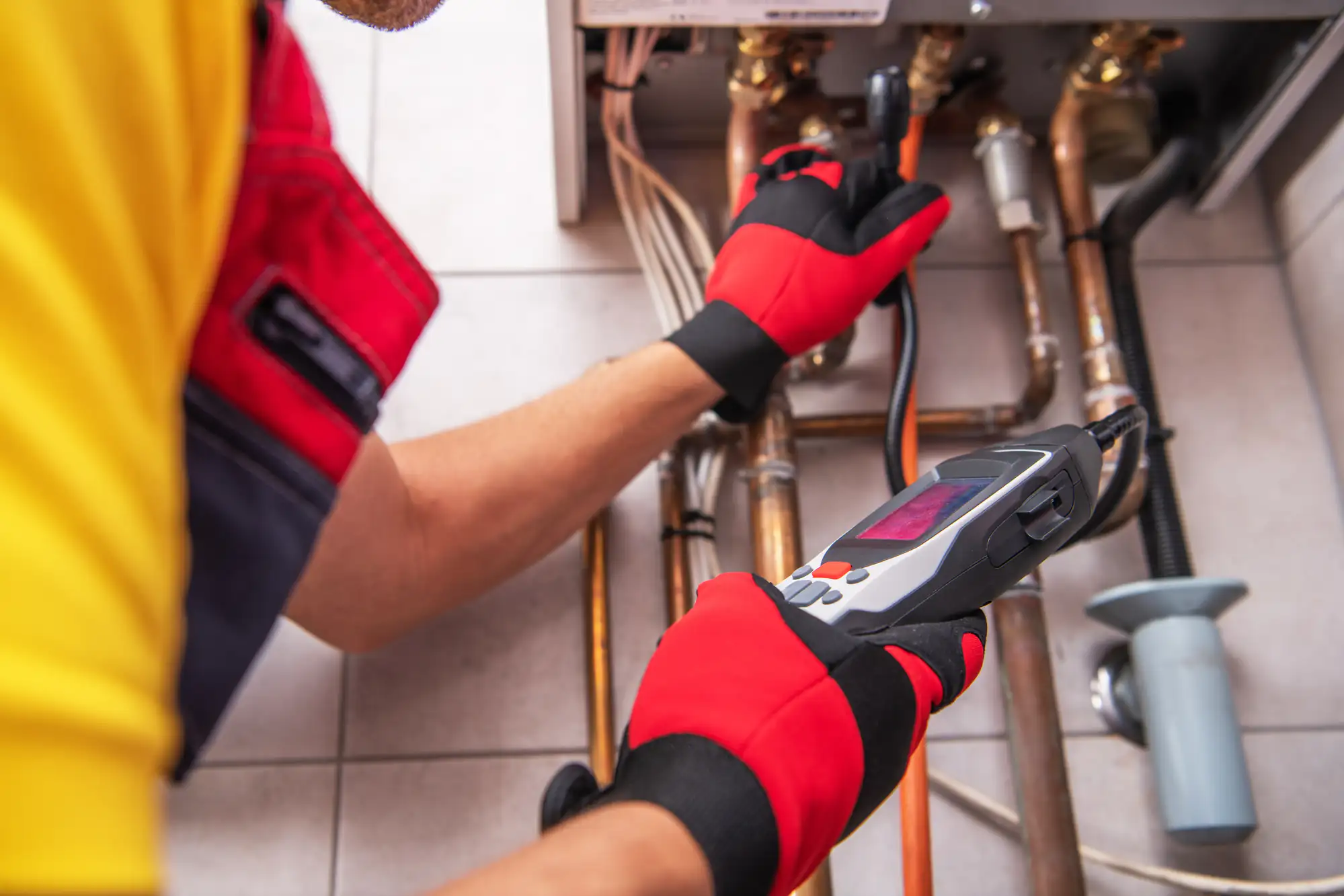
A licensed technician shows up in the window we give you. They diagnose the actual problem, not the most expensive possibility. You get a clear explanation of what’s wrong, what it costs to fix, and how long it’ll take.
If it’s a repair, about 70% of jobs get finished that same visit. Our trucks stock components for all major brands, so you’re not waiting days for a part to arrive. If it’s an installation or replacement, we walk through sizing options, efficiency ratings, and what makes sense for your home and budget—then schedule it when you’re ready.
After the work’s done, we test everything. You’re not our beta test. The system runs properly before we leave, and you have a direct line if something feels off later.
Ready to get started?
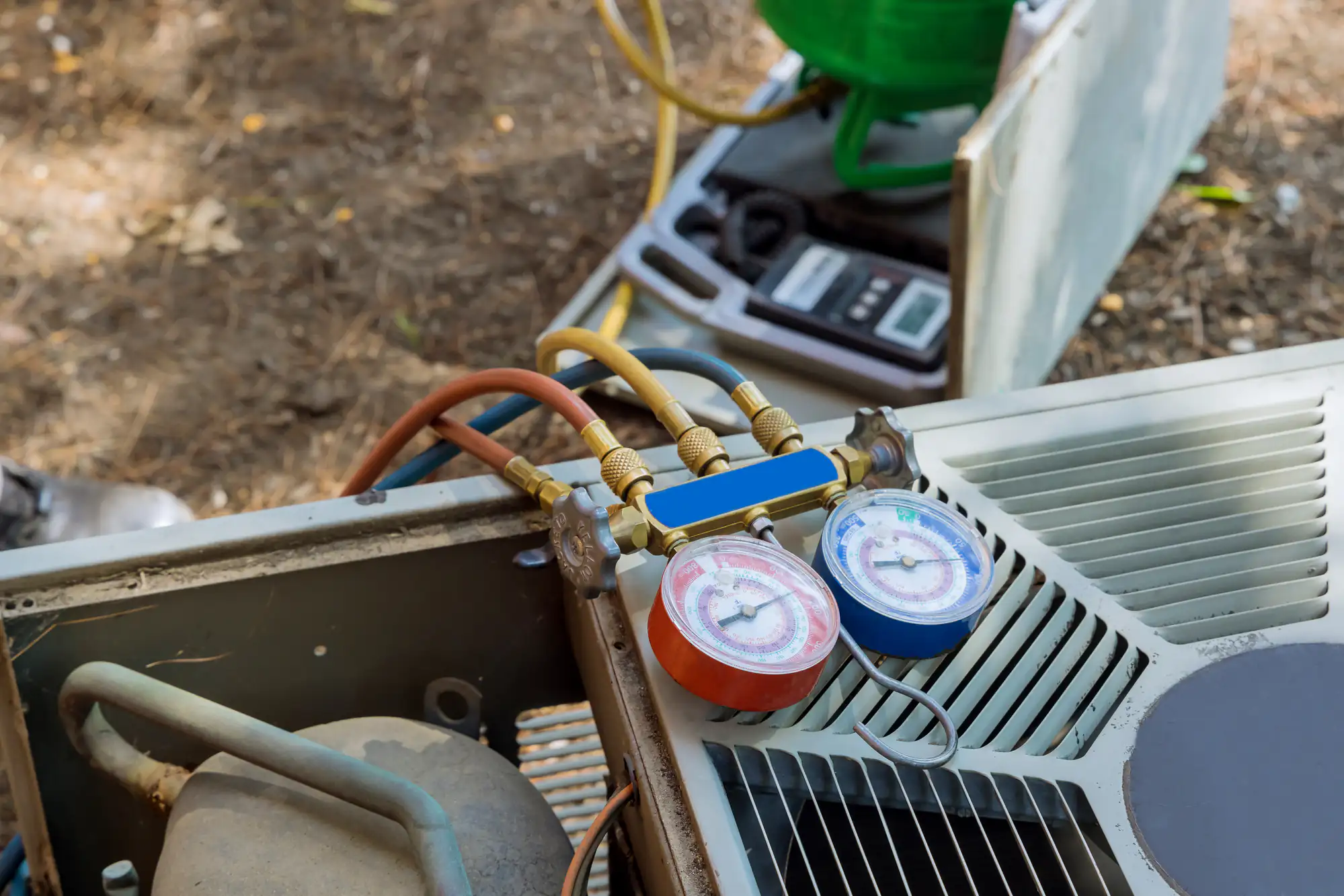
Emergency repair work when your system fails—furnace, AC, heat pump, or ductless mini-split. We handle the brands you already have installed, and we don’t push replacements unless your equipment is genuinely beyond reasonable repair.
Complete system replacements when it’s time. That includes proper load calculations so your new system is sized for your home’s actual needs, not guesswork. We account for insulation, window quality, and how coastal humidity affects cooling loads in North Bellmore.
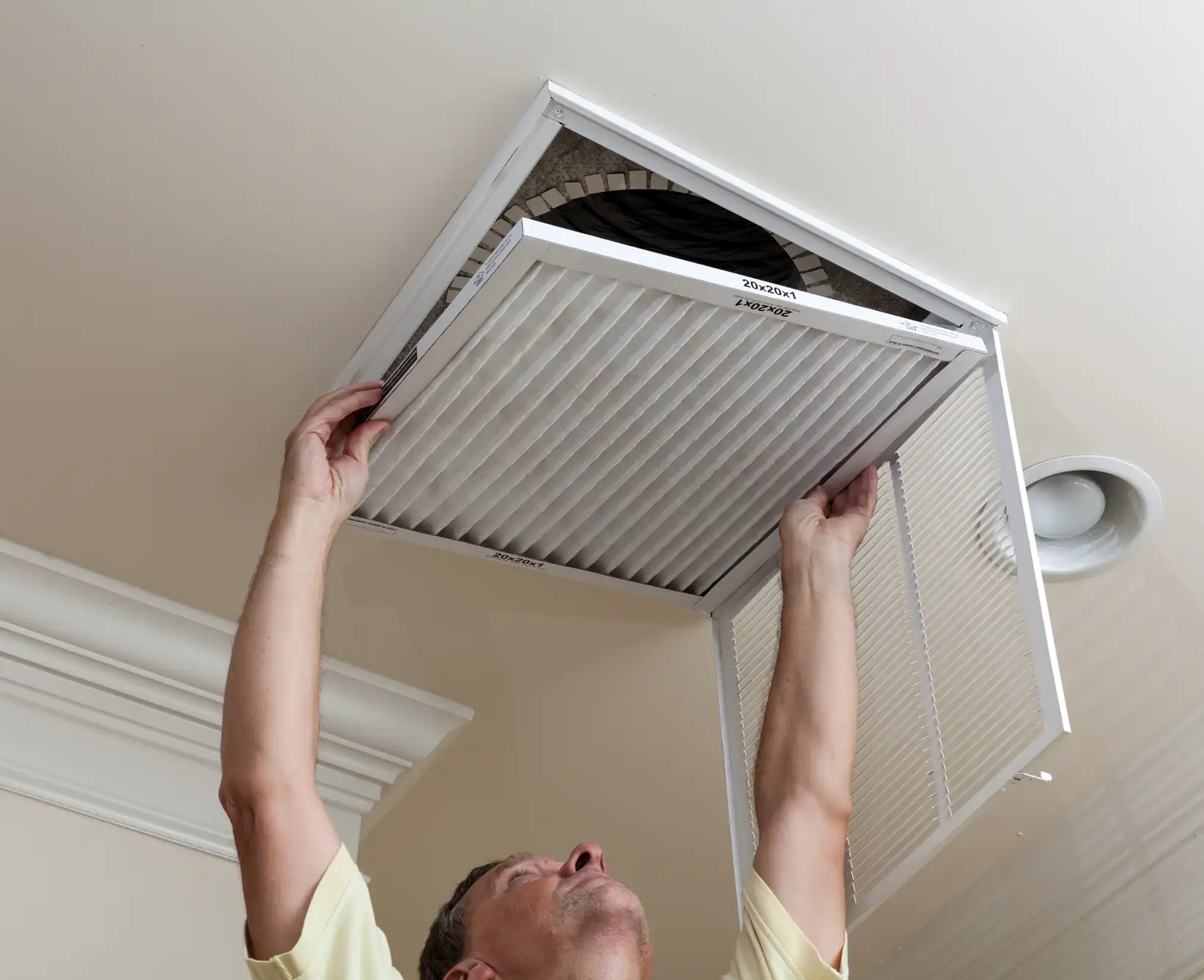
Preventive maintenance that catches problems early. Seasonal tune-ups, filter changes, and the kind of inspection that finds a failing part before it takes down your whole system on the hottest day of summer.
Indoor air quality improvements—humidity control, air purification, and ventilation upgrades. Long Island’s coastal climate introduces moisture and salt into your home’s air. If your system isn’t managing that, you’ll feel it even when the temperature is right.
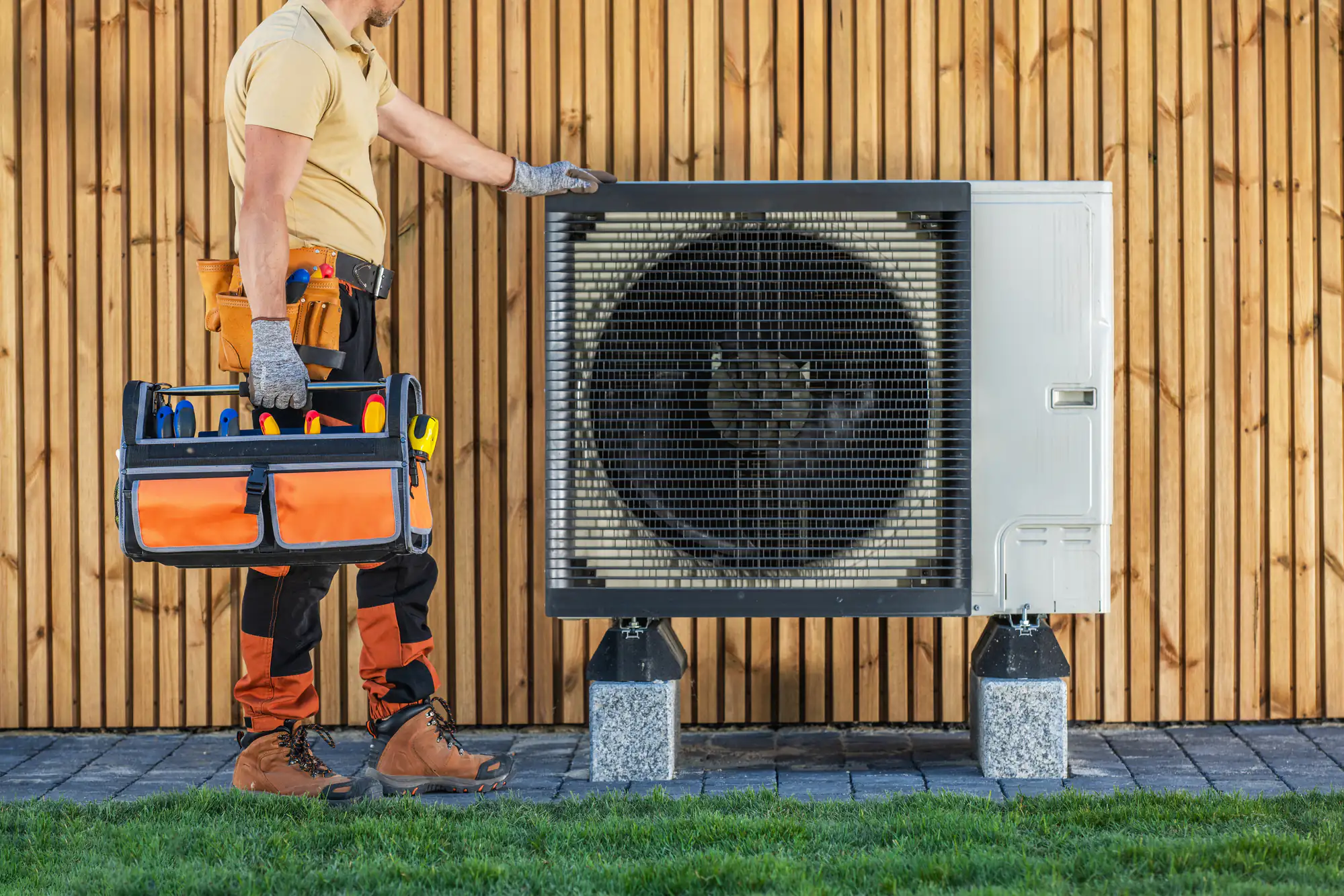
Ductless mini-split installation for additions, garages, or rooms your central system never handled well. Heat pump systems for homeowners looking to move away from oil or reduce energy costs. Honest guidance on what federal tax credits you actually qualify for under current efficiency programs.
Full system replacement typically runs between $5,000 and $12,000 depending on your home’s size, the equipment you choose, and whether ductwork needs modification. That’s not a dodge—it’s reality.
A 1,200 square foot ranch with existing ductwork in good shape sits at the lower end. A 2,500 square foot colonial that needs duct sealing, a two-zone setup, or upgraded equipment for humidity control sits higher. If you’re adding a heat pump or high-efficiency system that qualifies for the federal tax credit, your upfront cost is higher but you’re getting 30% back and lower energy bills.
We give you a free estimate after seeing your home. That includes load calculations to size the system correctly, not just swapping in whatever fits the old footprint. Undersized systems run constantly and fail early. Oversized systems short-cycle and waste energy. You want it sized right the first time, and that requires actual measurements and math.
Your air conditioner cools air, but it has to remove moisture first. If it’s not doing that effectively, you end up with a home that’s technically cool but physically uncomfortable.
Long Island’s coastal location means your indoor air carries more moisture than homes inland. When humidity stays above 50%, your body can’t cool itself through evaporation. That’s why it feels sticky and oppressive even when the thermostat says 72.
This happens for a few reasons. Your system might be oversized, so it cools the air quickly but shuts off before running long enough to pull out moisture. Your ductwork might be leaking, pulling in humid outdoor air. Or your equipment simply isn’t designed to handle the latent heat load that comes with living near the water. A proper evaluation tells you which one you’re dealing with, and then we fix that specific issue—whether it’s a dehumidifier addition, duct sealing, or right-sizing your system.
Once a year, ideally in early fall before you need heat. That’s not a sales pitch—it’s what keeps your furnace from failing in January.
Annual maintenance catches the wear that happens naturally. Heat exchangers crack over time. Igniters weaken. Blower motors collect dust that makes them work harder. Gas connections can develop small leaks. None of this announces itself until the system won’t start on a 20-degree night.
A real tune-up includes inspection of the heat exchanger for cracks (carbon monoxide risk), testing the ignition system, checking gas pressure, cleaning the blower assembly, and replacing filters. We also test your thermostat calibration and make sure your ductwork isn’t leaking heat into your attic or crawlspace.
Skipping maintenance doesn’t just risk breakdowns. It voids most manufacturer warranties and costs you money in higher energy bills because the system runs inefficiently. A well-maintained furnace lasts 15-20 years. A neglected one fails at 10-12 and costs more to run the whole time.
Ductless systems make sense when you’re heating or cooling spaces your central system doesn’t reach, or when you don’t have ductwork and don’t want to add it.
They’re common in garage conversions, home additions, finished basements, or older homes where adding ducts means tearing into walls and ceilings. Each indoor unit operates independently, so you’re not heating the whole house to make one room comfortable.
Energy efficiency is the other reason people choose them. Ductwork loses 20-30% of heating and cooling through leaks and poor insulation. Ductless systems deliver conditioned air directly into the room, and modern units include heat pump technology that’s significantly cheaper to run than electric baseboard or oil heat.
Installation is less invasive than central systems. We mount the indoor unit on a wall, run a small line set through an exterior wall to the outdoor condenser, and you’re operational. No ductwork demolition. The systems also filter air effectively and give you zone control—bedrooms stay cooler at night while living areas stay comfortable during the day, without fighting over one thermostat.
If your heat is out and it’s below freezing, that’s an emergency. Pipes freeze, and you’re looking at thousands in water damage on top of the heating repair. Same if your AC fails during a heat wave and you have young kids, elderly family, or health conditions affected by extreme temperatures.
If your furnace is making loud banging noises, smells like gas, or trips your carbon monoxide detector, shut it down and call immediately. Those are safety issues, not comfort issues.
Everything else can usually wait until morning or normal business hours, and waiting saves you emergency rates. Your AC died in June but it’s 68 degrees outside? Schedule it for the next day. Furnace acting weird in October before you’ve actually needed heat? Get it looked at during business hours.
We’re available 24/7 because real emergencies happen. But we’ll also tell you honestly if your situation can wait. You’re not paying emergency pricing unless you’re in an actual emergency. Most problems that feel urgent at 9 PM are the same problem at 9 AM, just without the panic and the premium cost.
Age and repair cost are the two factors that matter most. If your system is under 10 years old and the repair costs less than half of replacement, fix it. If it’s over 15 years old and needs a major component like a compressor or heat exchanger, replacement usually makes more sense.
Here’s why. A new compressor might run $1,500-$2,500 installed. If your system is 16 years old, you’re putting that money into equipment that’s already lived most of its useful life. You’ll likely face another expensive repair within a couple years, and you’re running an inefficient system the whole time that costs more monthly.
But if that same system is only 7 years old, the repair gets you another 8-10 years of service. That’s worth it. We also look at your overall repair history. If you’re calling us twice a year for different problems, that pattern tells you the system is declining. One repair might be fine. Constant repairs mean you’re paying for a replacement in installments while still dealing with breakdowns.
We’ll walk you through the actual math when we’re at your home. What the repair costs, what replacement costs, what you’d save in energy bills with new equipment, and what makes sense for your situation. Then you decide.