Hear from Our Customers
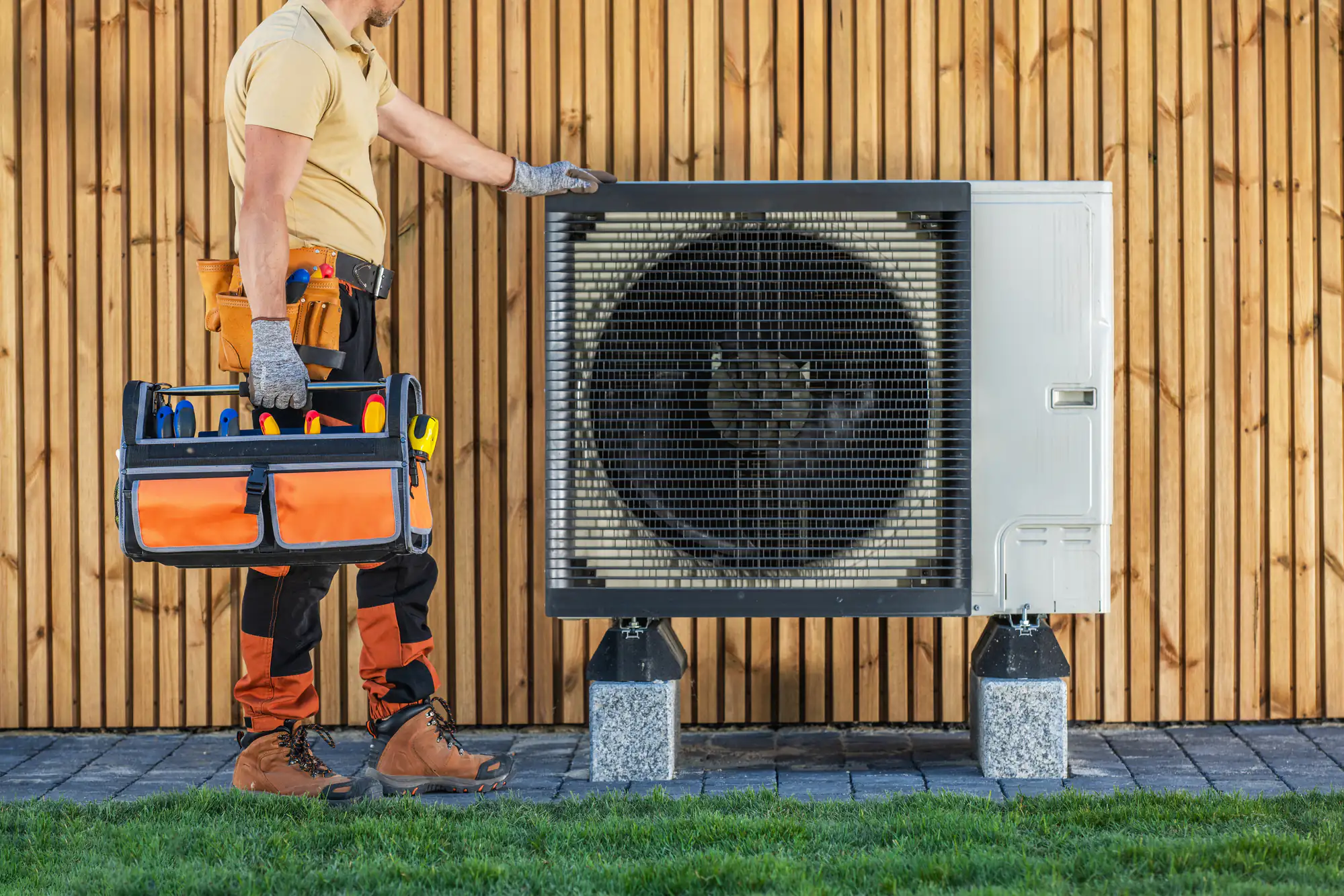
You’re not dealing with a typical suburban climate. Salt air corrodes outdoor units faster than most homeowners expect. Summer humidity pushes air conditioners harder and longer. Winter cold snaps test furnaces that haven’t been properly maintained.
When your system goes down in July or January, you need someone who answers the phone and shows up ready to fix it. Not next week. Not when it’s convenient. Now.
That’s where our four decades of experience with complex marine and commercial systems makes a difference. The technical knowledge required to keep walk-in coolers running at airports and marine HVAC systems operating in harsh conditions translates directly to residential work. Your home gets the same level of precision, the same attention to detail, and the same commitment to reliability that our commercial clients demand.
You get a system that’s sized correctly for your home, installed to handle coastal conditions, and maintained to catch small problems before they become expensive emergencies.
We’ve been handling heating and cooling challenges in the Greater New York area since the 1980s. That’s forty years of watching technology evolve, learning what works in coastal environments, and building a reputation on work that holds up.
We started in marine HVAC and commercial refrigeration. Those aren’t forgiving environments. A failed system on a vessel or in a commercial kitchen costs serious money fast. That background created our culture of getting it right the first time and being available when emergencies happen.
Oyster Bay homeowners face unique challenges. Properties here aren’t cheap, and the coastal location accelerates wear on HVAC equipment. You need contractors who understand how salt air affects condenser coils, how humidity impacts indoor air quality, and how to spec systems that won’t need replacement in five years because they were undersized or poorly installed.
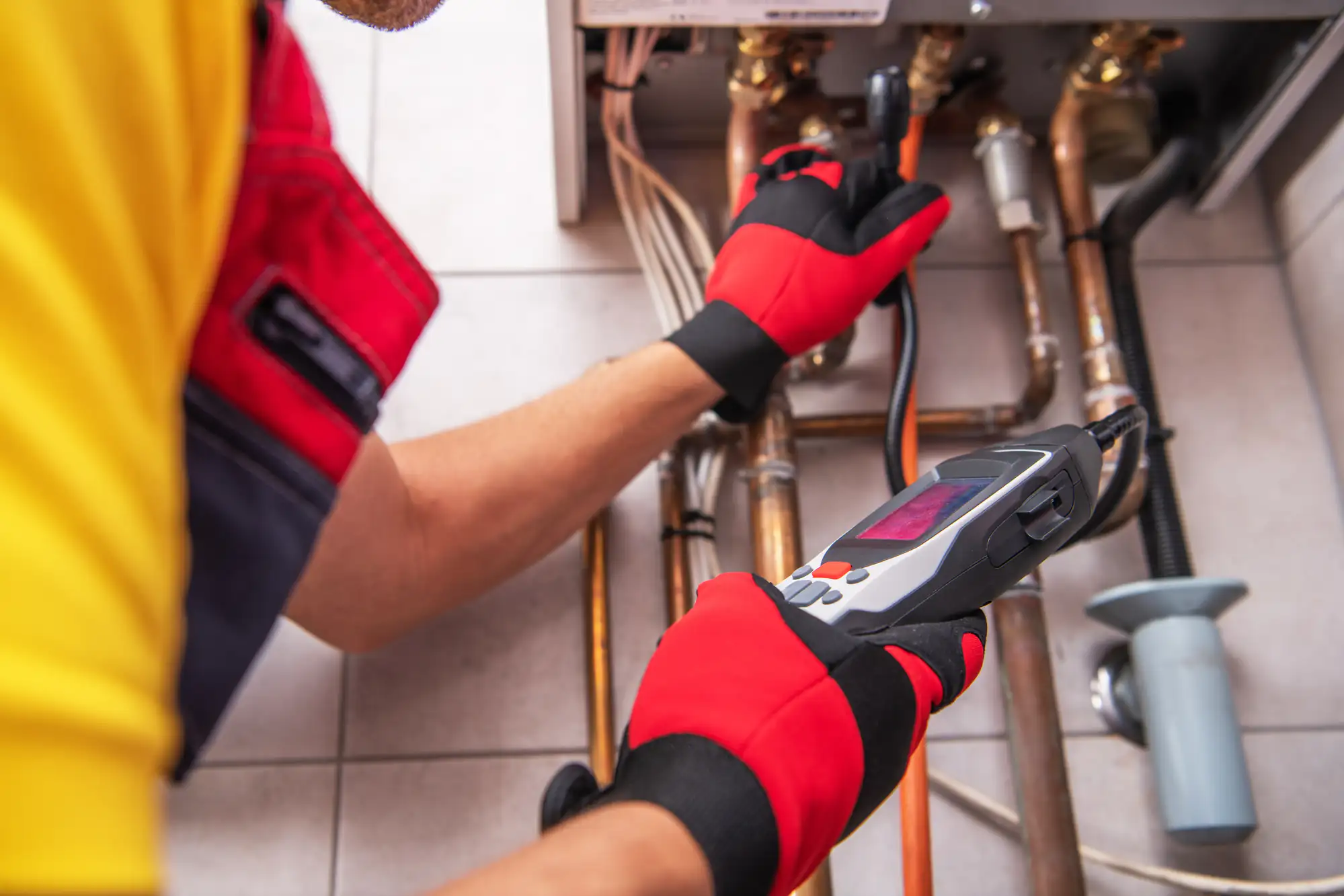
First, you get a real conversation. Not a sales pitch. A consultation about what’s actually happening with your system, what you’re experiencing, and what you need. If it’s an emergency, we’re available 24/7 to talk through the situation and get a technician scheduled.
For new installations or replacements, you get a free estimate. That means a technician comes to your home, looks at your current setup, measures your space, asks about hot and cold spots, and discusses your priorities. Energy efficiency. Indoor air quality. Noise levels. Budget. All of it gets factored into the recommendation.
The estimate is transparent. You see exactly what equipment is being proposed, why it’s being recommended for your specific situation, and what the installation includes. If there are rebates or tax credits available, you’ll know about them upfront.
Once you approve the work, installation gets scheduled at a time that works for you. Our crew shows up on time, does the work correctly, cleans up, and walks you through the new system. You’re not left guessing how to operate it or what maintenance it needs.
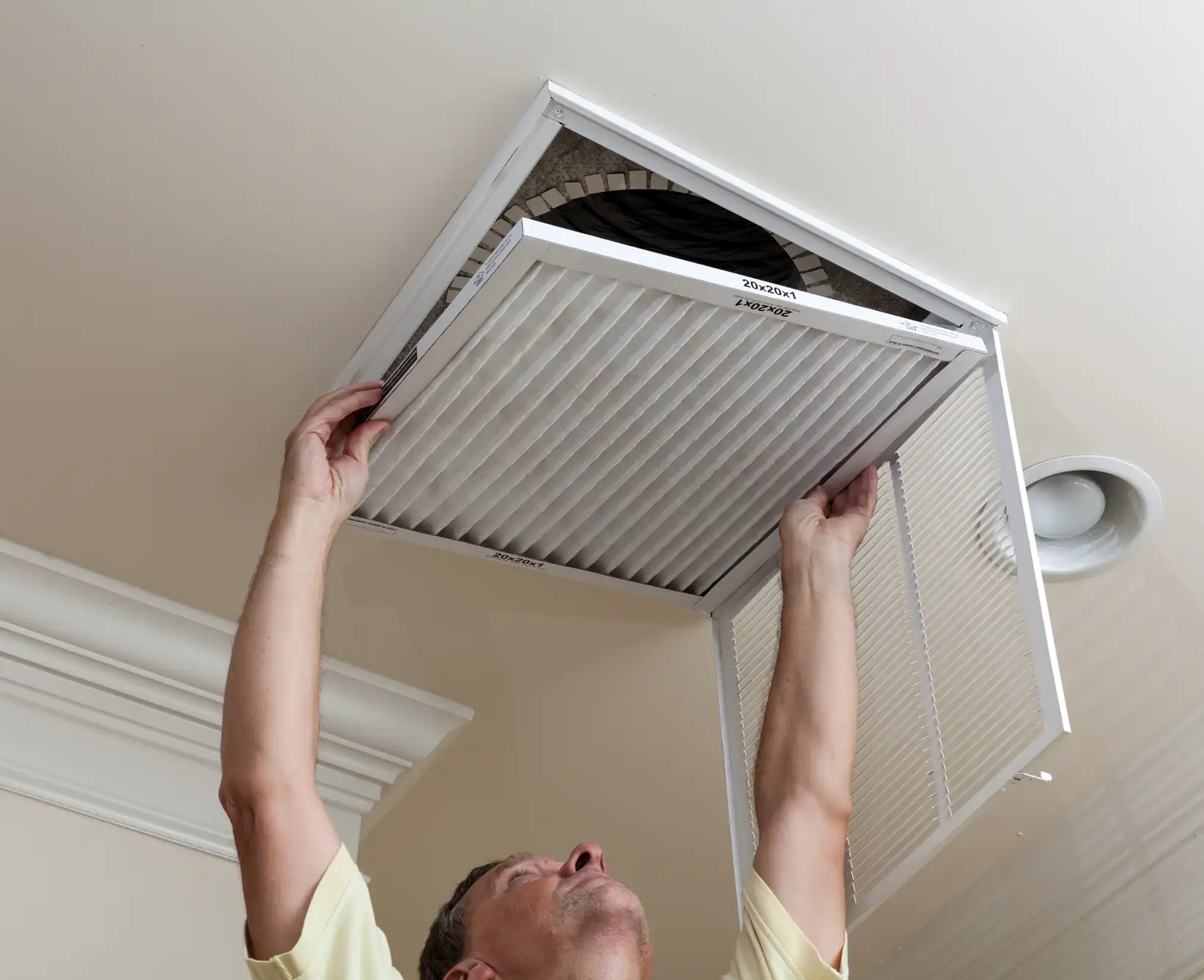
After installation, you have access to our ongoing maintenance programs designed to keep your system running efficiently and catch problems early. Regular filter changes, coil cleaning, refrigerant checks, and seasonal tune-ups extend equipment life and prevent breakdowns during peak summer and winter months.
Ready to get started?
Air conditioning repair in Oyster Bay isn’t just about fixing what’s broken. It’s about understanding why coastal humidity makes your system work harder, why refrigerant leaks happen more frequently near salt water, and why proper airflow matters more here than inland. When your AC stops cooling in August, you need diagnosis and repair that addresses the root cause, not just a temporary patch.
Furnace installation requires proper sizing for your square footage and insulation levels. Oversized furnaces short cycle and waste energy. Undersized units run constantly and never quite keep up. You need load calculations based on your actual home, not guesswork. And in coastal areas, you need equipment that resists corrosion and handles the moisture that comes with living near the water.
Indoor air quality has become a priority for homeowners who’ve realized that tight, energy-efficient homes can trap allergens, humidity, and pollutants. HEPA filtration, UV-C light systems, and proper ventilation make a measurable difference in how your home feels and how well your family breathes. These aren’t luxury add-ons. They’re practical solutions to real problems.
Heating system maintenance prevents the majority of emergency calls. Dirty filters restrict airflow. Corroded electrical connections cause failures. Worn belts break at the worst possible time. A seasonal tune-up catches these issues before they leave you without heat on the coldest night of the year.
HVAC replacement becomes necessary when repair costs start approaching the price of a new system, when efficiency has degraded to the point that energy bills are climbing, or when the equipment simply can’t keep up anymore. Modern systems are significantly more efficient than units from even ten years ago. Federal tax credits can offset up to $2,000 of the cost for qualifying heat pumps, making replacement more affordable than many homeowners expect.
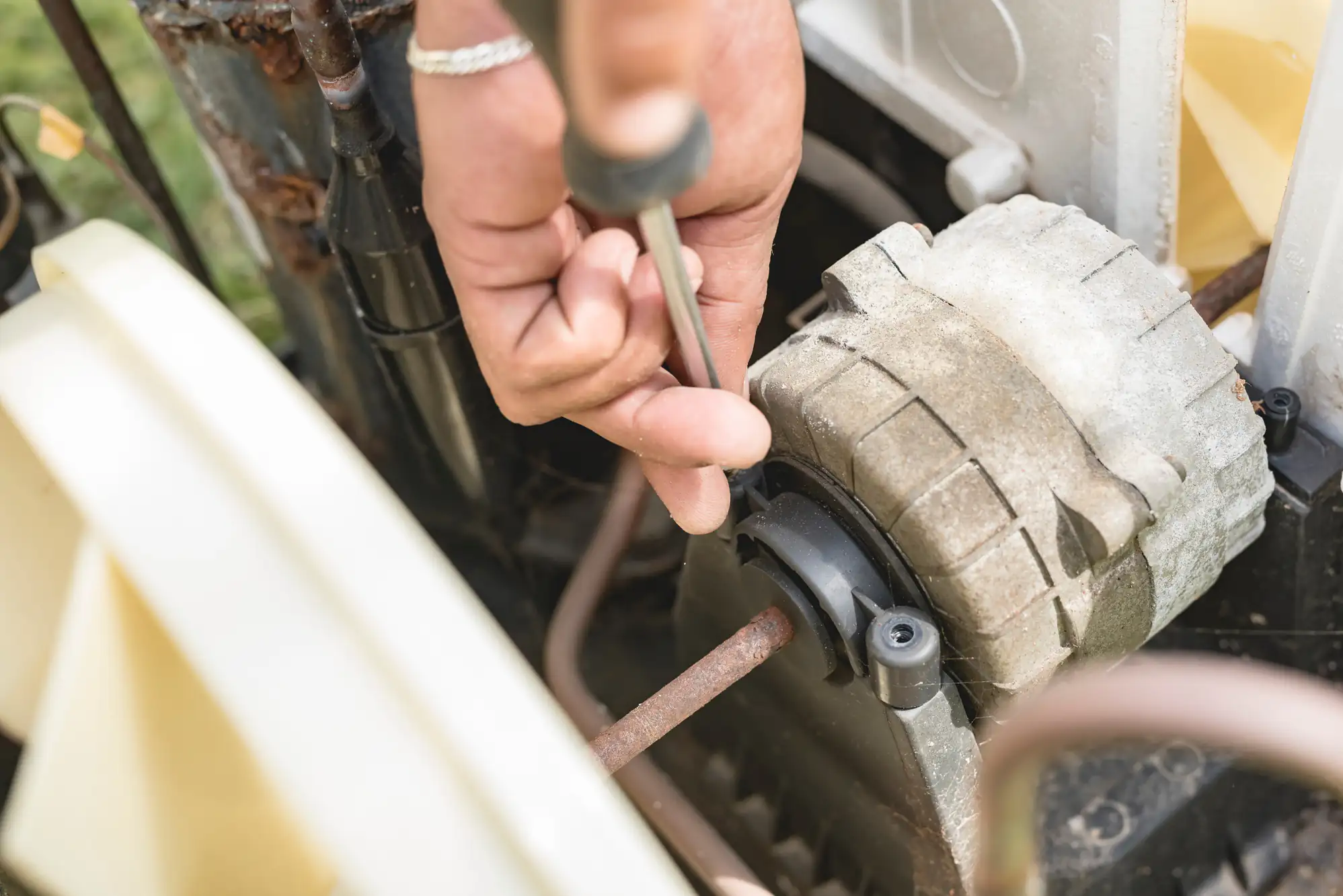
You should schedule maintenance twice a year: once in spring before cooling season and once in fall before heating season. Coastal homes benefit from this frequency more than inland properties because salt air accelerates corrosion and humidity increases strain on air conditioning systems.
Spring maintenance focuses on your air conditioning system. The technician cleans the condenser coils, checks refrigerant levels, tests electrical connections, replaces filters, and verifies that the system is ready to handle summer heat and humidity. This is when problems get caught before you’re dealing with a breakdown in July.
Fall maintenance shifts to your heating system. The furnace or heat pump gets inspected, burners or heat exchangers get cleaned, airflow gets verified, and safety controls get tested. This prevents the scenario where you turn on the heat for the first time in months and discover something’s wrong.
Regular maintenance extends equipment life, improves energy efficiency, and dramatically reduces the likelihood of emergency repairs. It’s not optional if you want your system to last.
The right size depends on your home’s square footage, insulation quality, window count and orientation, ceiling height, and how many people live there. There’s no universal answer. A proper load calculation is the only way to determine correct sizing.
Oversized air conditioners cool the space too quickly without running long enough to remove humidity. You end up with a cold, clammy house that feels uncomfortable. The system also short cycles, which wears out components faster and wastes energy.
Undersized units run constantly, struggle to maintain temperature on hot days, and drive up electricity bills. They work harder, last shorter, and leave you frustrated.
A qualified technician performs a Manual J load calculation that accounts for all the variables specific to your home. This ensures the recommended system matches your actual cooling needs, not just a rough estimate based on square footage. In Oyster Bay’s coastal climate with high humidity, proper sizing is even more critical than in drier areas.
Frozen evaporator coils usually happen because of restricted airflow or low refrigerant levels. Both problems prevent the coil from absorbing heat properly, causing condensation to freeze instead of draining away.
Restricted airflow is often caused by dirty air filters, blocked return vents, or closed registers in too many rooms. When air can’t move freely across the coil, the temperature drops below freezing. The fix is straightforward: replace the filter, clear the vents, and make sure enough registers are open.
Low refrigerant typically indicates a leak somewhere in the system. Refrigerant doesn’t get used up like fuel. If levels are low, something’s leaking. A technician needs to find the leak, repair it, and recharge the system to the correct level. Just adding refrigerant without fixing the leak is a temporary solution that will fail again.
Frozen coils can also result from a failing blower motor or dirty evaporator coils themselves. If you’ve replaced the filter and the problem persists, you need a technician to diagnose the underlying issue before it damages the compressor.
A well-maintained furnace typically lasts 15 to 20 years, but coastal conditions can shorten that lifespan if the system isn’t properly protected and serviced. Salt air accelerates corrosion on metal components, and humidity can cause issues with electrical connections and heat exchangers.
The key to longevity is regular maintenance and addressing small problems before they cascade. Annual inspections catch cracked heat exchangers, corroded burners, and worn igniters before they fail completely. Replacing filters regularly prevents strain on the blower motor. Keeping the area around the furnace clean and dry reduces corrosion risk.
If your furnace is approaching 15 years old and you’re starting to see repair costs climb, it’s worth having a conversation about replacement. Modern furnaces are significantly more efficient than older models. A 90%+ efficiency furnace can cut your heating bills noticeably compared to a 20-year-old unit running at 70% efficiency.
Watch for warning signs: yellow or flickering pilot light, strange noises, inconsistent heating, or frequent cycling. These indicate problems that may not be worth repairing on an older system. A technician can assess whether repair or replacement makes more financial sense based on the furnace’s age and condition.
Start with your HVAC system’s filtration. Standard fiberglass filters catch large particles but miss smaller allergens, dust, and pollutants. Upgrading to a HEPA-rated filter or a whole-home air purification system removes significantly more contaminants from the air your family breathes.
Humidity control matters in coastal areas. Too much humidity promotes mold growth and makes the air feel heavy. Too little dries out skin and respiratory passages. A whole-home dehumidifier or humidifier integrated with your HVAC system maintains optimal levels year-round without you having to think about it.
UV-C light systems installed in your ductwork kill mold, bacteria, and viruses as air passes through. This is particularly effective for families dealing with allergies or respiratory issues. The lights target the evaporator coil area where moisture and darkness create ideal conditions for microbial growth.
Proper ventilation brings fresh outdoor air into your home while exhausting stale indoor air. Modern homes are built tight for energy efficiency, which is great for heating and cooling costs but can trap pollutants inside. An energy recovery ventilator balances fresh air intake with energy efficiency.
Regular duct cleaning removes accumulated dust, pet dander, and debris that circulates through your system. If you’ve never had your ducts cleaned, or if you notice dust buildup around vents, it’s worth scheduling. Clean ducts mean cleaner air and better system efficiency.
Modern heat pumps work effectively in cold climates, including Oyster Bay winters. Technology has improved dramatically in the past decade. Cold-climate heat pumps maintain heating capacity down to temperatures well below what this area typically experiences.
Heat pumps are more energy-efficient than traditional furnaces because they move heat rather than generate it. That efficiency translates to lower energy bills. Federal tax credits currently offer up to $2,000 for qualifying heat pump installations, which helps offset the upfront cost.
The main consideration is whether you want a heat pump as your primary heating source or as part of a dual-fuel system. A dual-fuel setup uses the heat pump when temperatures are moderate and automatically switches to a gas or oil furnace when it gets very cold. This gives you efficiency when possible and reliability when needed.
Heat pumps also provide air conditioning in summer, so you’re getting year-round climate control from one system. That’s appealing from both a cost and space perspective.
If you’re replacing an old furnace or considering a new HVAC system, a heat pump deserves serious consideration. The technology has matured to the point where it’s a legitimate option for this climate, not just a solution for warmer regions. A proper assessment of your home’s heating load and your budget will determine whether a heat pump, dual-fuel system, or traditional furnace makes the most sense for your situation.