Hear from Our Customers
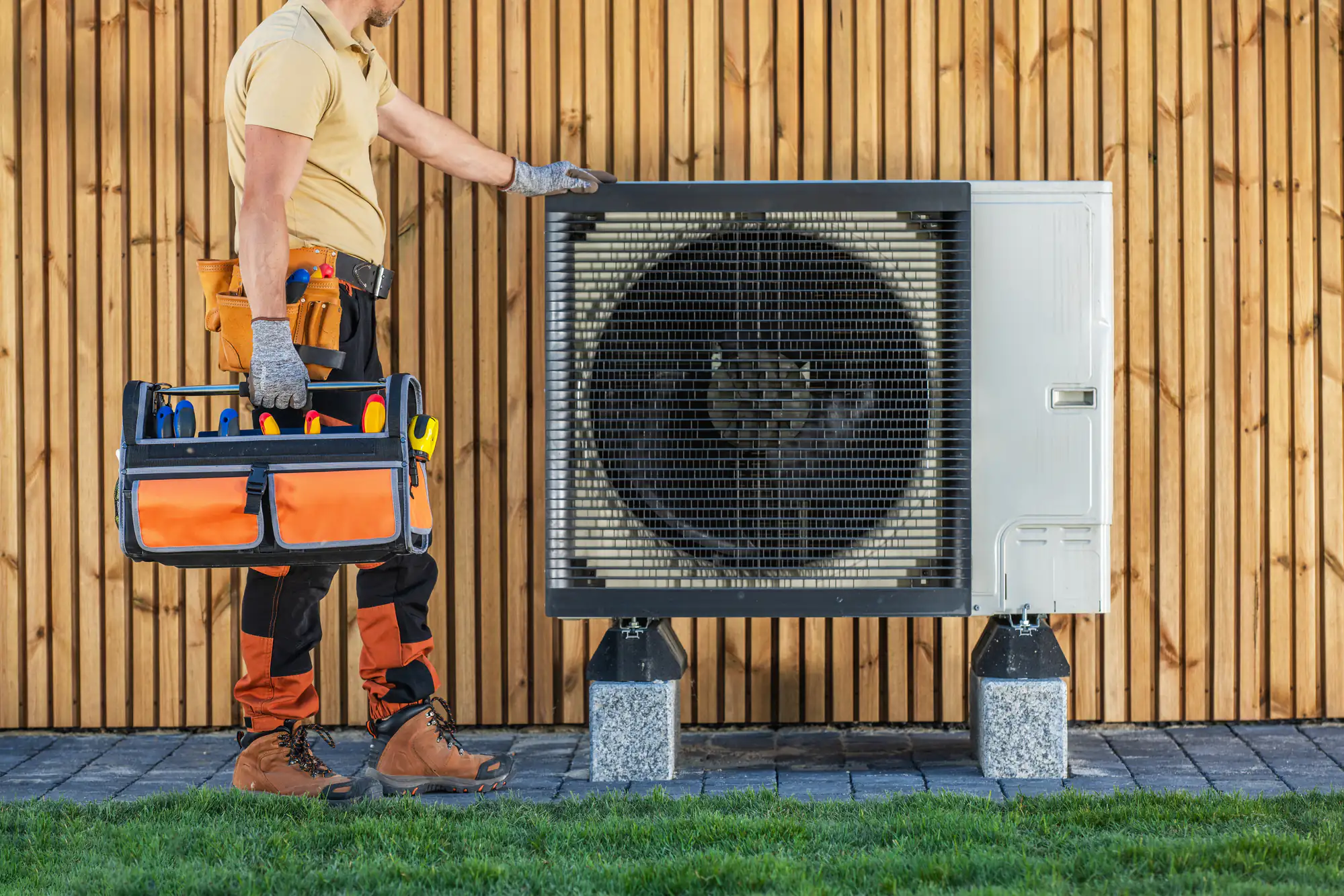
You’re not dealing with typical suburban weather. The salt air off the Atlantic accelerates corrosion on outdoor units. Summer humidity makes your AC work twice as hard just to dehumidify before it can cool. And when a nor’easter rolls through with wet snow, older furnace flue pipes take a beating.
Most HVAC companies treat Point Lookout like any other Long Island town. They install the same equipment, use the same maintenance schedule, and wonder why your system fails earlier than expected.
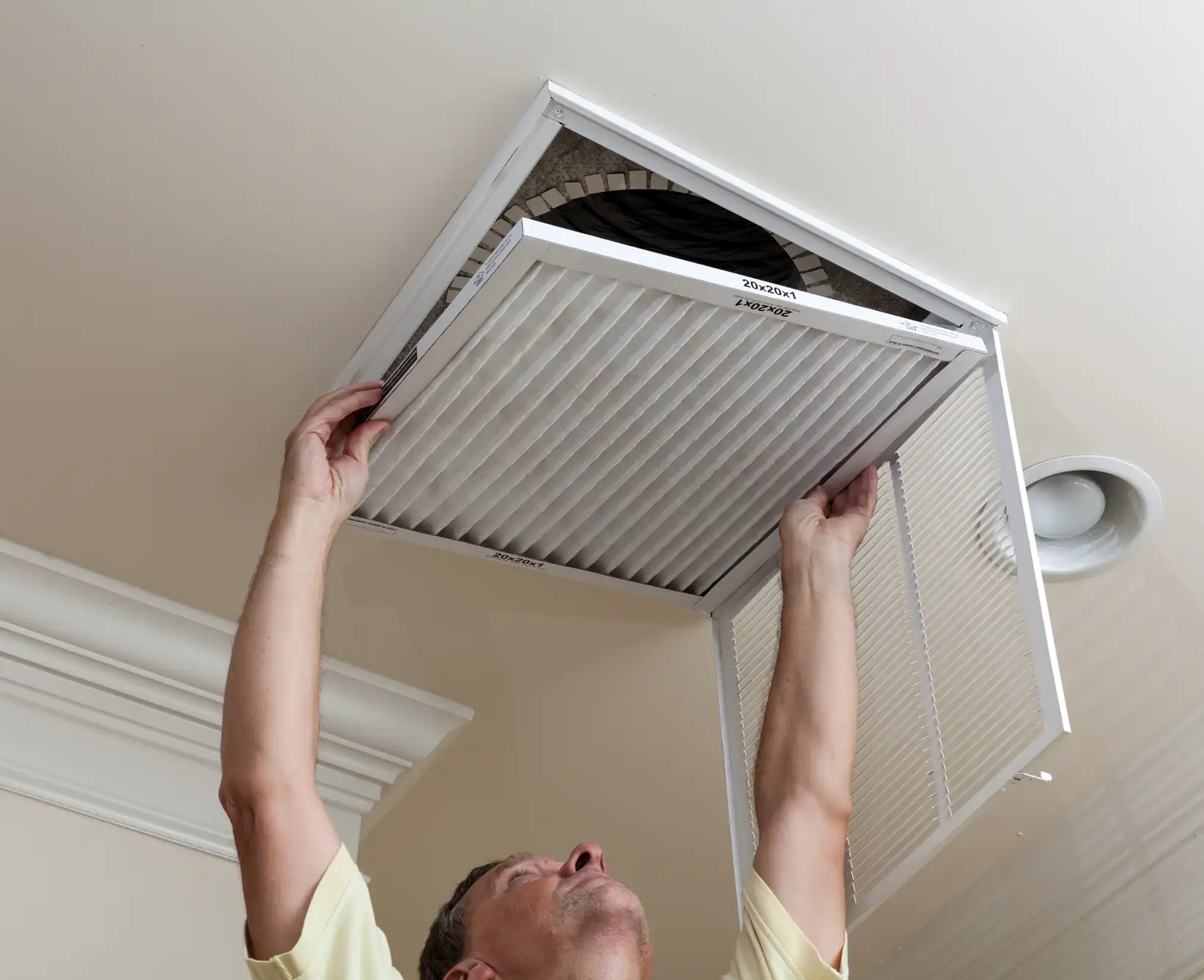
Here’s what actually happens when your residential HVAC services account for coastal conditions: your air conditioning repair intervals stretch out because components are protected from salt damage. Your furnace installation uses materials that handle freeze-thaw cycles without cracking. Your heating system maintenance catches corrosion before it becomes a leak. And your indoor air quality improves because filters are sized for the pollen and moisture load you actually face, not what works in Garden City.
Your energy bills drop because the system isn’t fighting against environmental factors it wasn’t designed for. Rooms heat and cool evenly because ductwork accounts for basement dampness that kills motors and corrodes electrical connections.
We’ve been doing this for over 40 years. Not in some climate-controlled suburb—in marine environments where salt, moisture, and temperature swings destroy equipment that wasn’t spec’d correctly from day one.
Point Lookout isn’t our side market. It’s where we prove our work holds up. When you’re blocks from the ocean, your HVAC replacement can’t be a cookie-cutter job. The homeowners here know that. Many of you have already replaced one system that failed early because the installer didn’t account for coastal exposure.
We’re available 24/7 because furnace failures don’t wait for business hours, and when your AC dies during a summer heatwave with 75-degree averages and spiking humidity, you need someone who answers. You’ll get a free estimate, transparent pricing, and a conversation that doesn’t treat you like you’re interrupting our day.
You call or submit a request. We ask about the problem—not to waste time, but because “my AC isn’t cooling” means something different when you’re dealing with a refrigerant leak versus a clogged filter versus a failing compressor. The more you tell us upfront, the better prepared we are when we arrive.
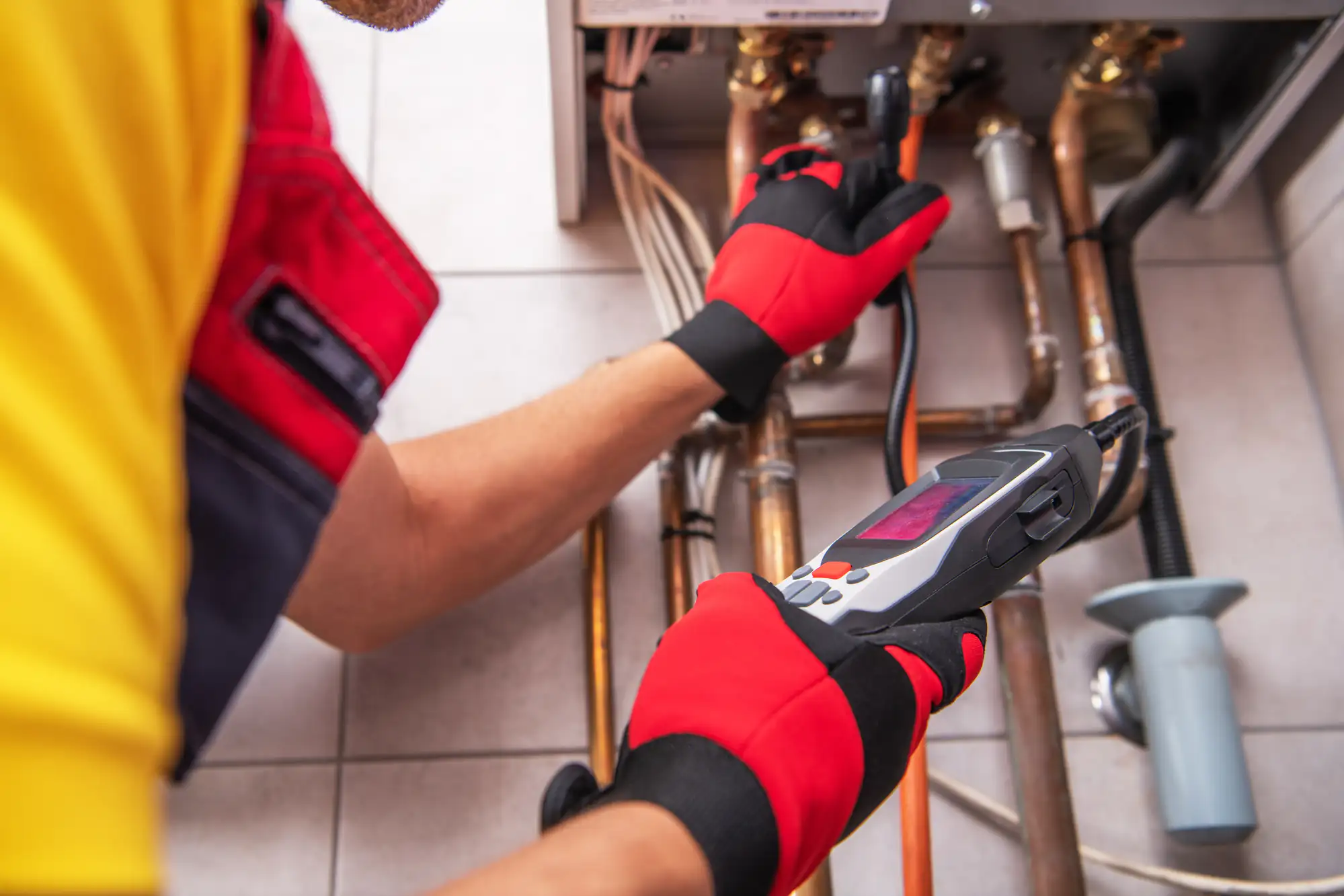
We schedule a time that works for you and show up when we say we will. Our technician inspects the system, explains what’s wrong in plain terms, and gives you a transparent cost before any work starts. If it’s an air conditioning repair, we’re looking at refrigerant levels, airflow, electrical connections, and whether salt corrosion has compromised any components. For furnace installation or heating system maintenance, we’re checking flue integrity, burner performance, and whether your ductwork is losing heat to damp basement conditions.
You decide if you want to move forward. If you do, we complete the work, test the system, and walk you through what we did. If it’s an HVAC replacement, we’ll also cover the maintenance schedule that keeps your investment running longer than the 15-20 year average most systems hit—because in Point Lookout, proactive care is the difference between getting two decades out of a unit or watching it fail at year twelve.
Ready to get started?
When we handle your residential HVAC services, you’re getting equipment selected for Long Island’s coastal climate—not what’s on sale or what we installed in the last house. That means outdoor units with corrosion-resistant coatings, filters rated for the pollen and salt particulate load you face here, and ductwork inspections that account for basement moisture before it kills a blower motor.
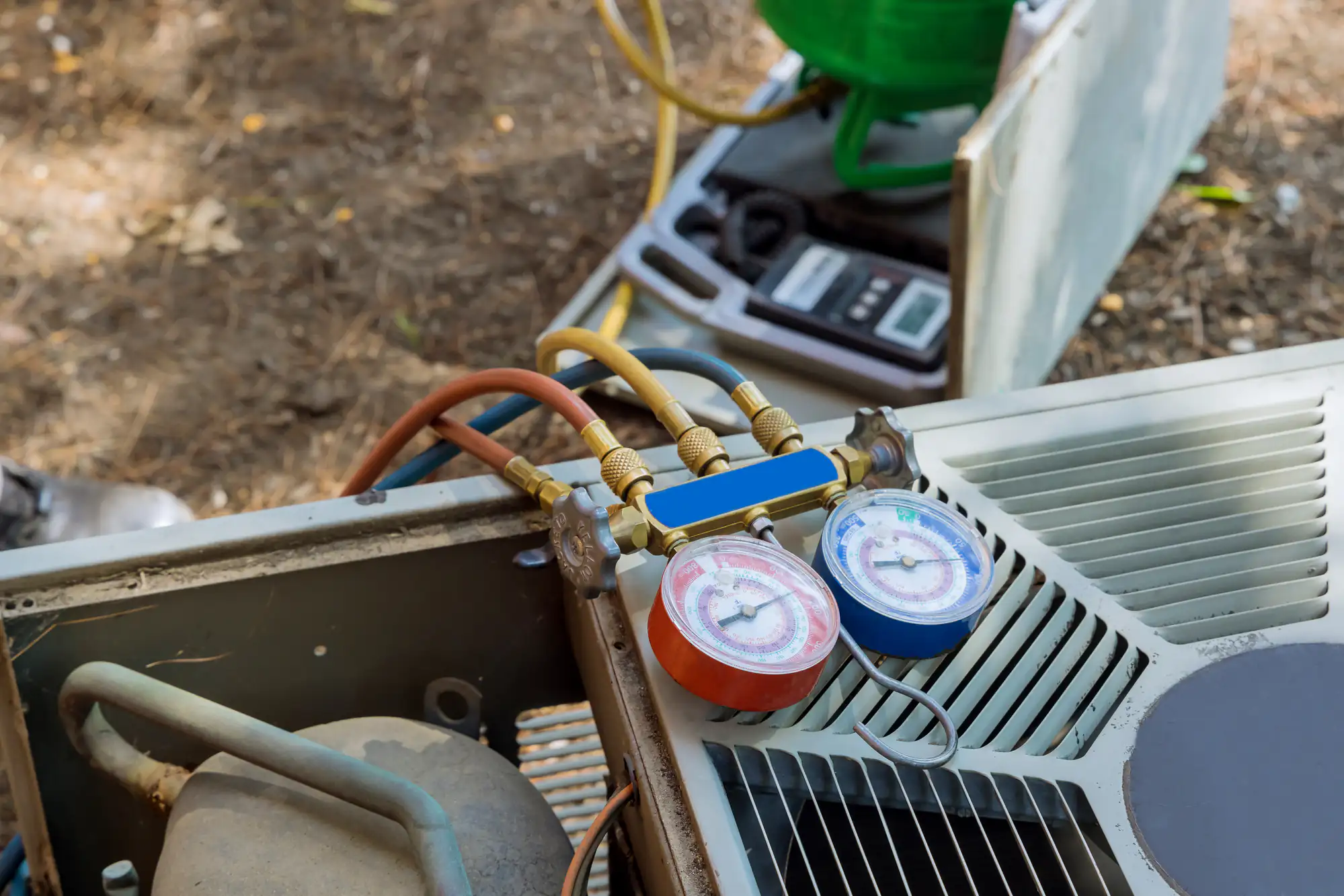
Your air conditioning repair includes refrigerant leak detection that doesn’t just top off the system and send you on your way. Leaks in coastal homes often start where salt air contacts copper lines. We find the source, fix it properly, and prevent the same failure three months later. For furnace installation, you’re getting flue pipes and venting that handle wet snow and freeze-thaw cycles without cracking—because Point Lookout winters swing from damp coastal chills to Arctic blasts, and your system has to handle both.
Indoor air quality matters more here than most people realize. Salt, pollen, and humidity create a mix that clogs standard filters fast and leaves your home’s air thick with allergens. We install filtration and dehumidification systems that actually match the load, so you’re not replacing filters every three weeks or running a system that can’t keep up. And because 40% of Point Lookout residents are over 65, we take air quality seriously—especially for anyone dealing with asthma or allergies that get worse when HVAC systems aren’t maintained correctly.
You’ll also get a maintenance plan that makes sense for your usage. If this is a year-round residence, that’s a different schedule than a summer home that sits empty half the year. We adjust for how you actually use the property, not some generic checklist.
Once a year, ideally in the fall before you’re relying on it daily. That’s the standard advice, and it holds true here.
But if your home is right on the water or you’re running your system year-round, twice a year makes more sense. Salt air accelerates wear on components that wouldn’t see the same stress a few miles inland. An annual inspection might catch a problem, but a six-month check catches it earlier—before it turns into an emergency repair in January when temperatures drop and every HVAC company in Nassau County is slammed with calls.
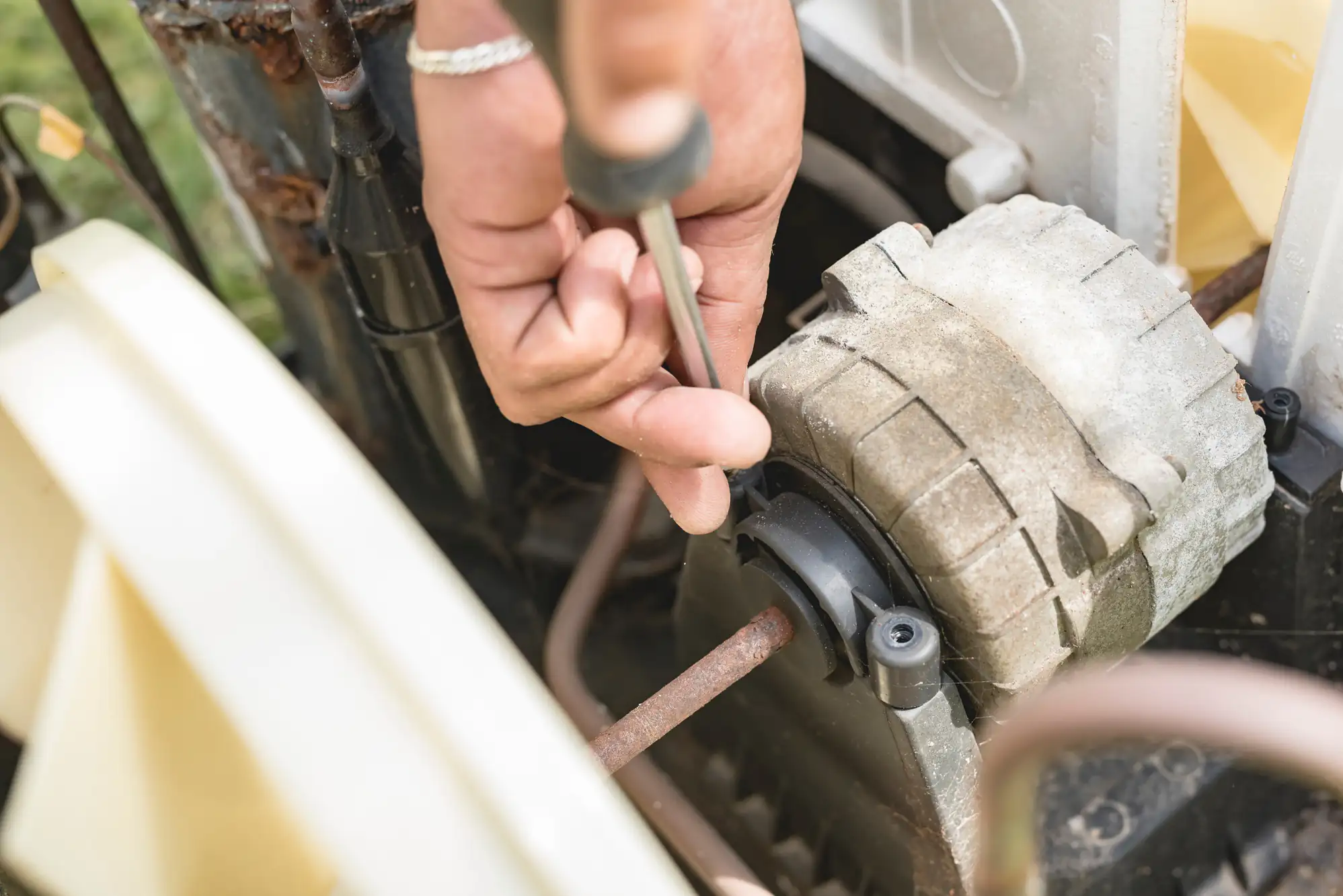
During heating system maintenance, we’re inspecting the heat exchanger for cracks, testing the ignition system, checking airflow, and making sure your flue isn’t compromised by corrosion or blockages. In Point Lookout, we’re also looking specifically at how salt and moisture are affecting metal components, because that’s where failures start in coastal homes. A small amount of corrosion now becomes a full replacement later if it’s ignored.
It depends entirely on what’s broken. A clogged filter or tripped breaker costs you nothing if you fix it yourself. A refrigerant leak or failed compressor can run $500 to $2,000 depending on the unit and the severity.
Most air conditioning repair calls in Point Lookout fall somewhere in between. You’re looking at $150 to $500 for a standard service call that includes inspection and minor fixes—things like cleaning coils, replacing a capacitor, or adjusting refrigerant levels. If the compressor is shot or you’ve got significant corrosion damage from salt air, you’re into bigger numbers, and at that point we’ll tell you honestly whether repair makes sense or if you’re better off with an HVAC replacement.
Emergency calls cost more. If your AC dies at midnight in July and you need someone out immediately, expect to pay a premium for after-hours service. That’s industry standard, not unique to us. But we’ll give you a straight answer on the phone about whether it’s truly an emergency or if it can wait until morning without risking damage to the system or your home.
One to three days for most residential installs, depending on whether we’re swapping a unit in the same location or reconfiguring ductwork and venting.
If your existing furnace is in the basement and we’re replacing it with a similar model in the same spot, that’s typically a one-day job. We disconnect the old unit, remove it, set the new furnace, connect gas and electrical lines, tie into existing ductwork, and test everything before we leave. Straightforward swap.
If you’re upgrading to a higher-efficiency model that requires new venting, or if your ductwork needs modification to handle airflow properly, add another day. And if we’re dealing with a basement that has moisture issues—common in Point Lookout—we may need to address that before the install to protect the new equipment. A furnace sitting in a damp basement won’t hit its 15-30 year lifespan if the environment is working against it from day one.
We’ll give you an accurate timeline during the estimate so you’re not guessing when heat will be back on.
If they’re both old and one is failing, yes. You’ll save money on labor and you’ll have a matched system that works more efficiently than mismatched units.
Here’s the math: most air conditioning units last 15-20 years, and furnaces run 15-30 years depending on maintenance and usage. If your AC is 18 years old and dying, and your furnace is 20 years old but still running, you’re looking at two service calls, two installations, and two rounds of downtime if you replace them separately. Do it together and you pay for one installation visit, one set of labor hours, and one round of ductwork adjustments if needed.
Matched systems also perform better. When your furnace and AC are designed to work together, airflow is optimized, energy efficiency improves, and you’re not forcing a new high-efficiency AC to push air through ductwork sized for an old furnace that moved air differently. It’s a better long-term investment, especially in Point Lookout where your system is already working harder due to coastal conditions.
If your furnace is only five years old and running fine, there’s no reason to replace it early. But if both units are in the back half of their lifespan, do it once and be done.
Salt air, humidity, and temperature swings. Your system is fighting environmental factors that don’t exist a few miles inland, and if it wasn’t designed for coastal exposure, it’s losing that fight.
Salt accelerates corrosion on outdoor AC units, especially on coils and metal housing. Over time, that corrosion leads to refrigerant leaks, reduced efficiency, and early failure. Humidity means your air conditioner has to dehumidify the air before it can cool it, so it’s working harder and running longer cycles than a unit in a drier climate. That extra work shortens the system’s lifespan and drives up energy bills.
On the heating side, Point Lookout winters bring wet snow and freeze-thaw cycles that stress older flue pipes and venting systems. If your furnace wasn’t installed with materials rated for those conditions, you’re looking at cracks, blockages, and potential safety issues. Basements near the water also tend to be damp, and that moisture corrodes electrical connections and damages blower motors faster than in homes with dry basements.
If your HVAC replacement or installation didn’t account for these factors, your system is undersized for the actual load it’s handling. That’s why proactive maintenance and coastal-specific equipment matter here more than in other parts of Long Island.
Experience with coastal installs, transparent pricing, and availability when you actually need help. Those three things separate companies that understand this area from ones just trying to move equipment.
Ask how long they’ve been working in marine or coastal environments. HVAC systems near the ocean face different challenges than systems inland, and if a company hasn’t dealt with salt corrosion, humidity loads, and freeze-thaw cycles specific to Long Island’s South Shore, they’re learning on your dime. You want someone who already knows which materials hold up here and which fail early.
Transparent pricing means you get a clear estimate before work starts—no surprise fees, no vague “we’ll see when we get in there” answers. You should know what air conditioning repair or furnace installation costs upfront, and you should feel comfortable asking questions without getting a runaround.
Availability matters because systems fail at the worst times. If a company doesn’t offer emergency service or takes three days to return a call, you’re stuck without heat or AC while you wait. Look for 24/7 availability and a track record of actually showing up when they say they will. Reviews are useful here—if other Point Lookout homeowners say a company is reliable and communicates well, that’s worth more than any marketing claim.