Hear from Our Customers
You already know what unreliable HVAC feels like. The furnace that clicks but won’t start on the coldest January morning. The AC blowing hot air during a July heatwave. The energy bills that climb every month because your system works twice as hard to do half the job.
Living in Remsenburg-Speonk means dealing with coastal humidity, salt air, and temperature swings that push your heating and cooling systems harder than most. Your equipment doesn’t just handle indoor comfort – it fights against an environment that corrodes components faster and creates moisture problems other contractors rarely see.
When your system works the way it should, you stop thinking about it. Your home stays at the temperature you set. Your energy bills make sense. You’re not wondering if tonight’s the night your heat gives out or if you’ll wake up sweating because the AC quit overnight.
That’s what properly installed and maintained residential HVAC services actually deliver. Not just equipment that runs, but systems designed for Long Island’s specific challenges and maintained by people who understand what breaks first in coastal homes.
We spent over 40 years solving HVAC problems most contractors never see. We’ve handled marine air conditioning systems on boats where salt spray destroys equipment in months. We’ve built commercial refrigeration for airports and restaurants where failure means thousands in lost revenue per hour.
That background matters when you’re dealing with Remsenburg-Speonk’s coastal environment. We’ve seen what salt air does to condenser coils. We know which components fail first in high-humidity areas and how to prevent it.
We’re available 24/7 because we’ve learned that HVAC emergencies don’t wait for business hours. We offer free estimates because you deserve to know what you’re paying before work starts. And we’ve earned dozens of five-star reviews by doing what we say we’ll do, when we say we’ll do it.
You call or contact us, and we schedule a time that works for you. No runaround, no phone tag with someone who can’t answer your questions.
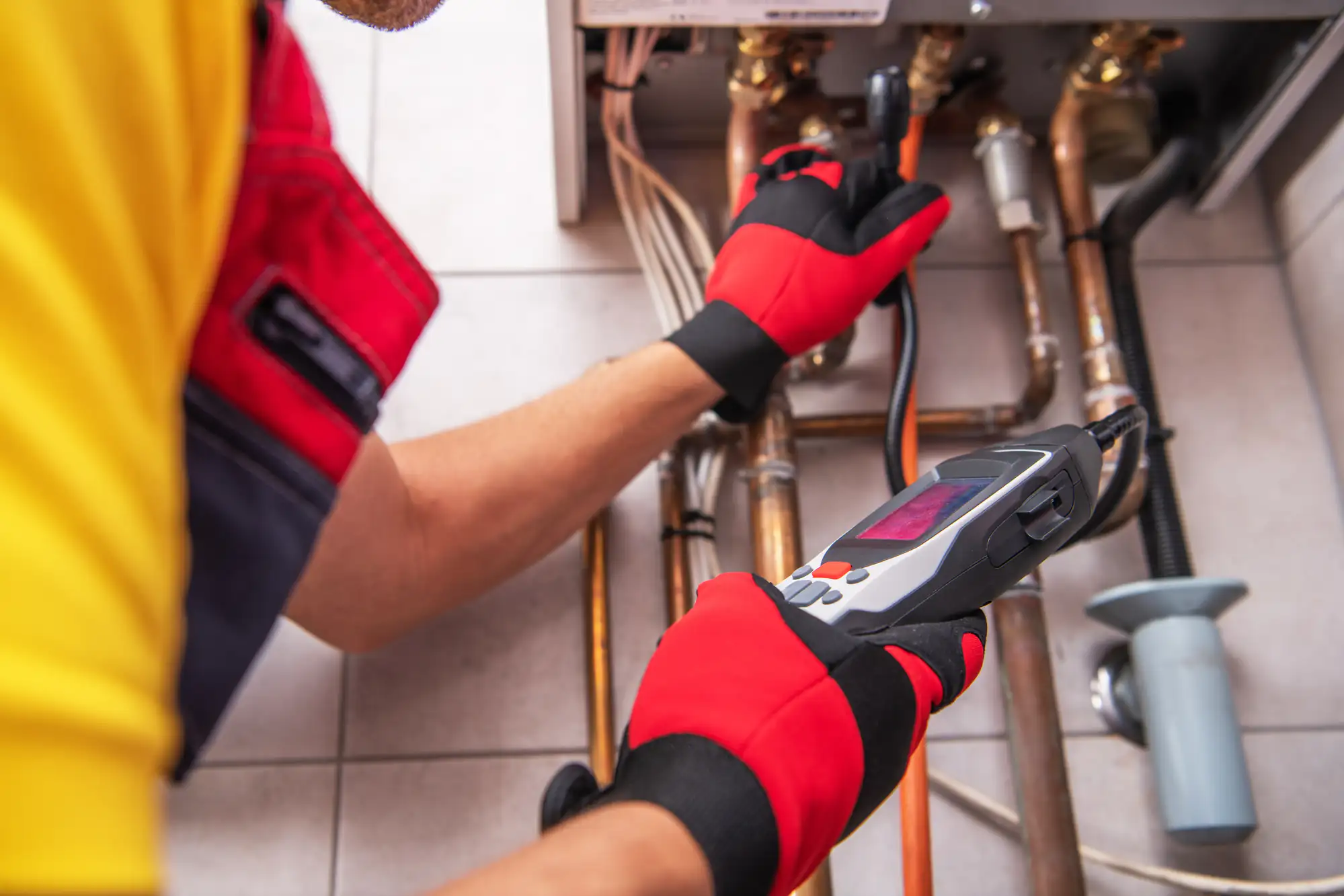
We show up when we say we will and assess your system. If it’s a repair, we diagnose the actual problem – not just the symptom. If it’s a new installation or HVAC replacement, we measure your space, evaluate your current setup, and discuss what you actually need based on your home’s size, layout, and how you use it.
You get a clear estimate before any work begins. We explain what needs to happen, why it needs to happen, and what it costs. If you have questions, we answer them in plain language.
Once you approve, we complete the work. For installations, that means proper sizing, correct placement, and attention to details like ductwork integrity and airflow balance. For repairs, it means fixing the root cause, not just resetting your system and hoping it holds.
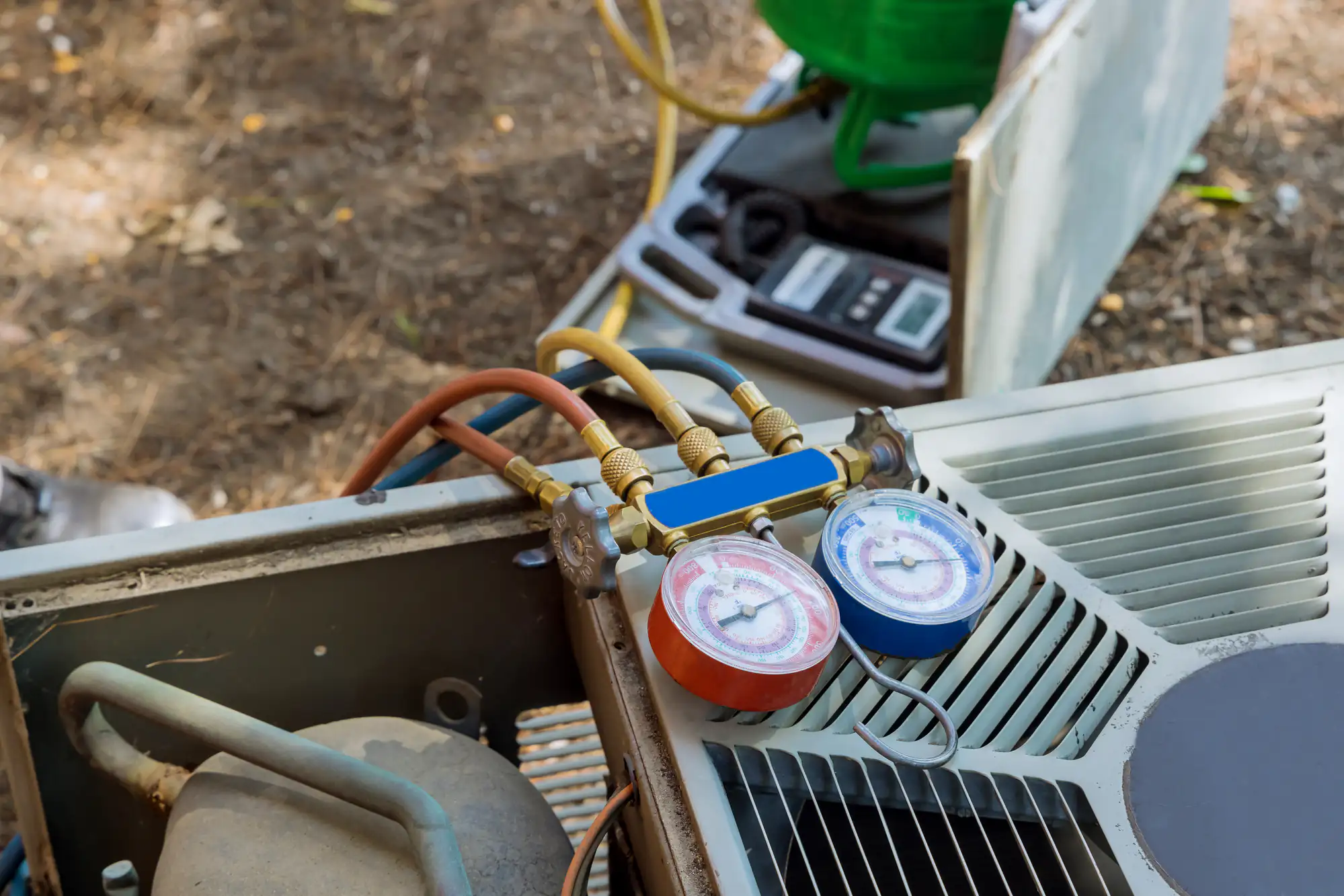
After the job, we test everything to make sure it’s working correctly. You’re not paying for equipment that limps along – you’re getting heating system maintenance and air conditioning repair that actually solves the problem.
Ready to get started?
Our residential HVAC services cover the full scope of what your home needs. Air conditioning repair when your system stops cooling or starts making sounds it shouldn’t. Furnace installation for replacements or new construction, sized correctly for your square footage and insulation levels. Heating system maintenance that catches small problems before they become expensive emergencies.
We also handle indoor air quality issues that affect homes in coastal areas. If your allergies feel worse inside than outside, or you’re dealing with humidity levels that create mold concerns, your HVAC system plays a bigger role than you might think. We evaluate ventilation, filtration, and humidity control as part of the overall comfort equation.
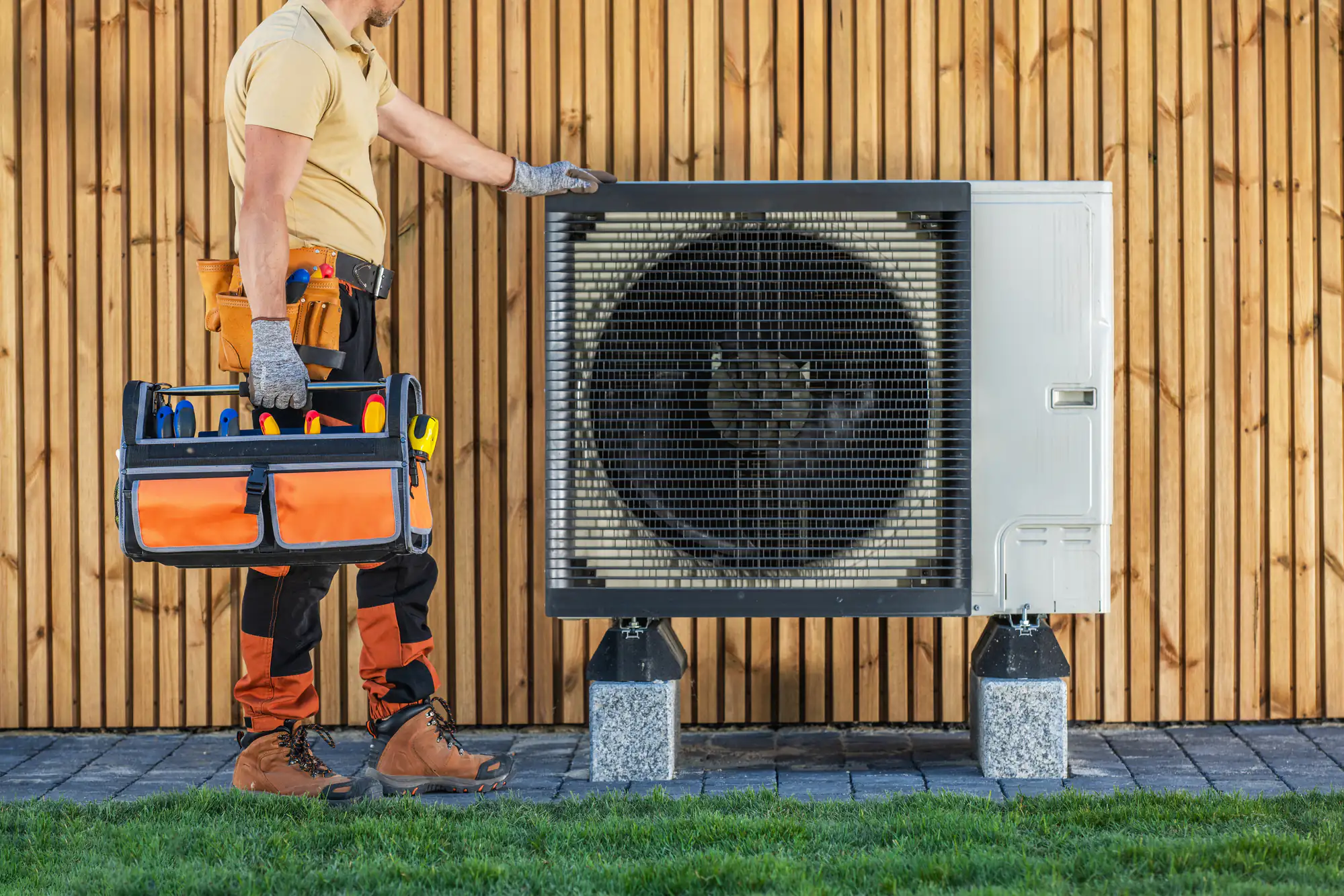
For homes in Remsenburg-Speonk specifically, we account for the salt air that accelerates corrosion on outdoor units. We recommend and install components rated for coastal environments, and we schedule maintenance that addresses the unique wear patterns we see in this area. Your neighbor three miles inland might get eight years from a standard condenser – yours might only give you five unless it’s protected correctly from day one.
Energy efficiency matters when you’re heating and cooling a high-end home. We focus on systems that lower your utility bills without sacrificing performance, and we’re upfront about what efficiency improvements actually cost versus what they save you over time.
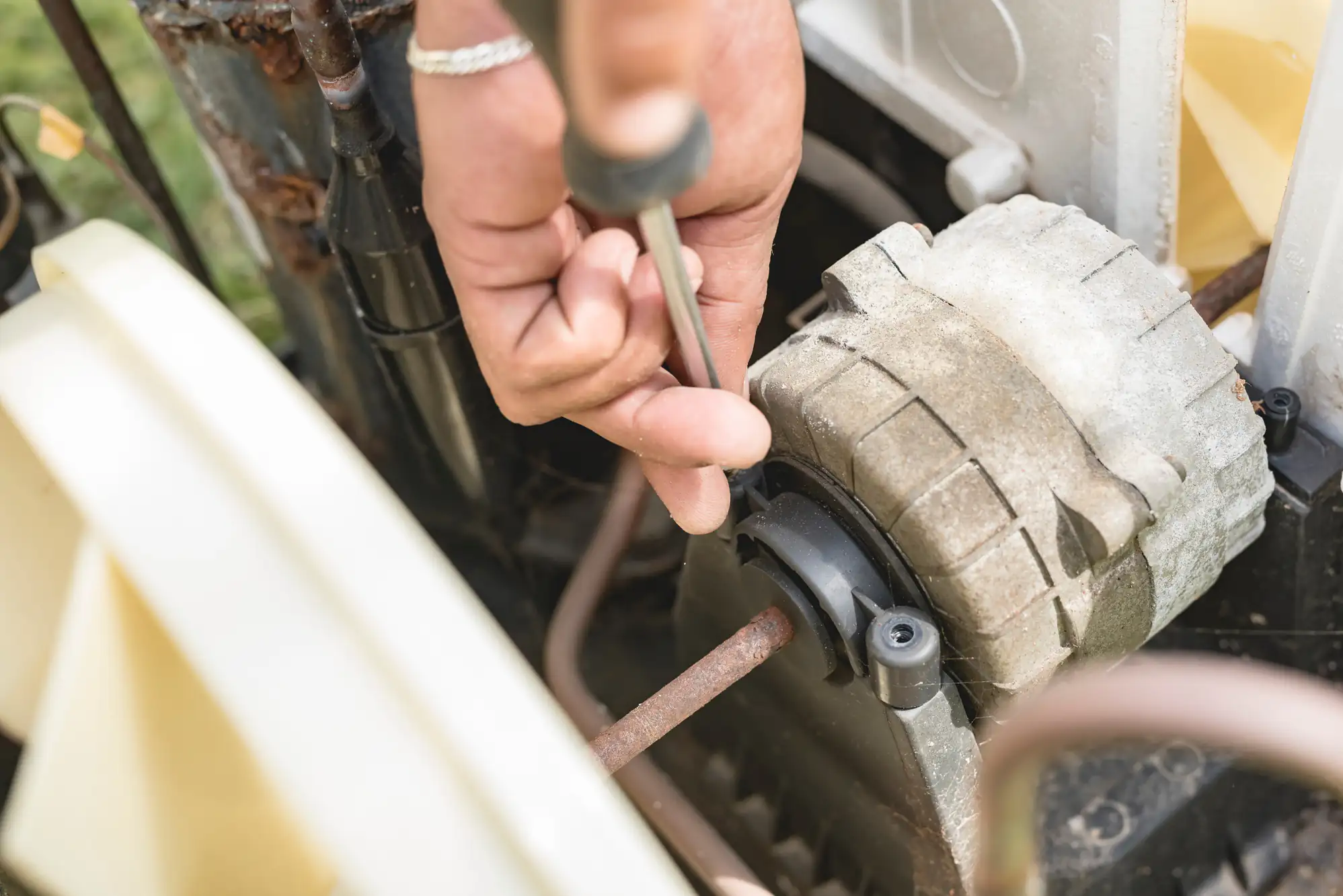
You should schedule heating system maintenance once a year, ideally in early fall before you need your furnace consistently. That timing lets us catch problems while you still have warm days to work with, instead of discovering a failed ignitor on the first 20-degree night in December.
Coastal homes often need more frequent attention than inland properties. Salt air accelerates corrosion on heat exchangers and blower components, and humidity creates conditions where mold and bacteria grow faster in ductwork. If you’re in a waterfront property or within a half-mile of the ocean, consider a mid-season check as well, especially if you’re running your system heavily.
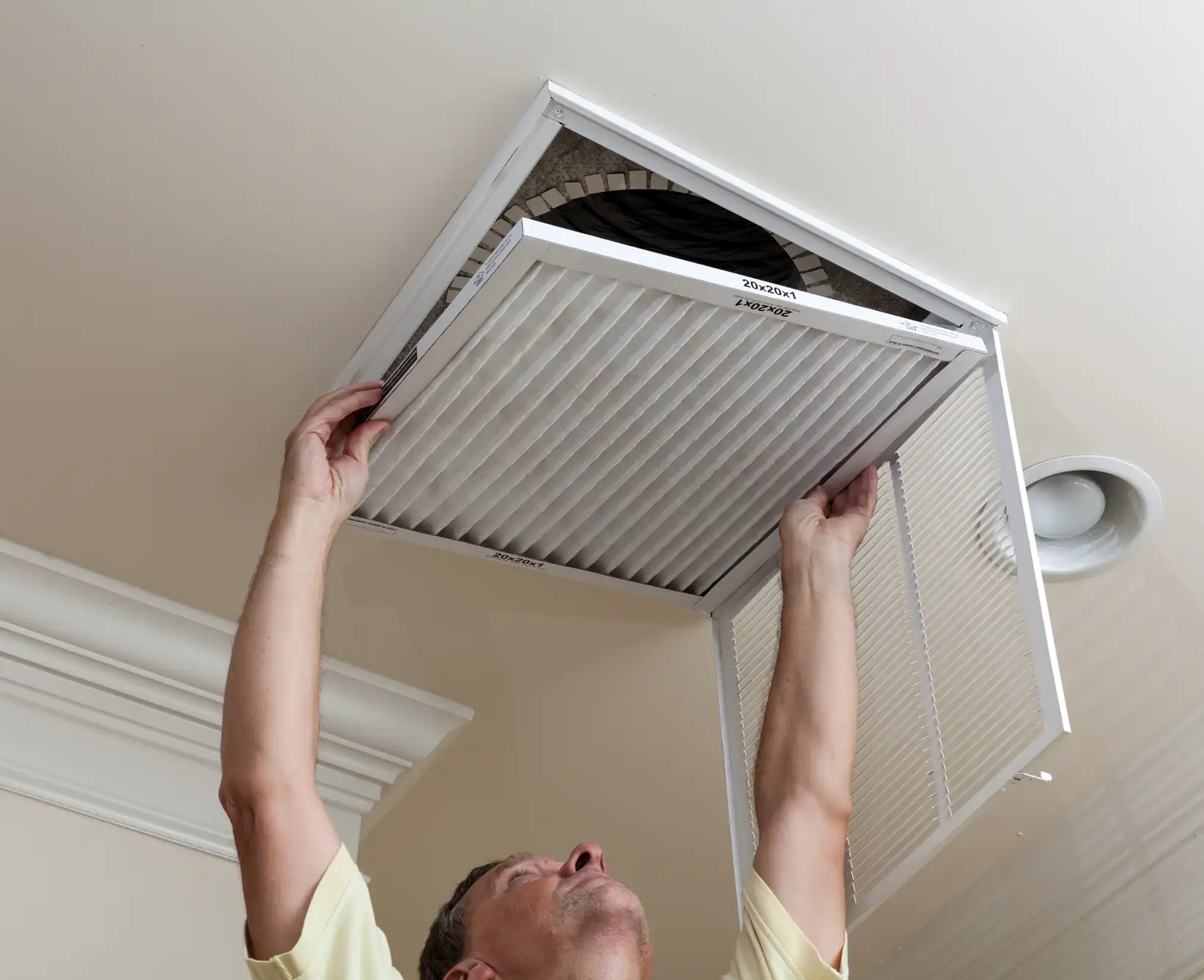
Annual maintenance includes cleaning burners, testing safety controls, checking exhaust venting, inspecting the heat exchanger for cracks, and verifying your thermostat calibration. These aren’t just checklist items – they’re the difference between a furnace that runs for 15 years and one that fails at year seven because a small crack became a safety hazard.
If your air conditioning system is under eight years old and the repair costs less than half the price of replacement, repair usually makes sense. If it’s over twelve years old and needs a major component like a compressor or condenser coil, replacement is almost always the better financial decision.
Here’s why age matters. A new compressor might cost $1,800 to $2,500 installed, but if your system is already eleven years old, you’re putting expensive parts into a unit that’s near the end of its lifespan anyway. You’ll likely face another major repair within two to three years, and you’re still running an inefficient system that costs more monthly to operate.
Newer systems use refrigerants that are becoming standard, while older units run on refrigerants being phased out. That means repair costs will keep climbing as parts become scarce. Plus, efficiency improvements in the last decade are significant – a new system can cut your cooling costs by 20-30% compared to a unit from 2012. When you factor in multiple repairs, rising energy bills, and the stress of wondering when it’ll quit next, replacement often pays for itself faster than you’d expect.
Rising energy bills with a functioning furnace usually point to efficiency loss, not outright failure. Your system runs, but it’s working harder and longer to achieve the same temperature. Common causes include dirty burners that don’t combust fuel completely, a blower motor that’s wearing out and drawing more electricity, or ductwork leaks that dump heated air into your attic or crawlspace.
In Remsenburg-Speonk homes, we also see efficiency problems from poor insulation in older properties and air infiltration around windows and doors. Your furnace might be fine, but if coastal winds are pushing cold air through gaps in your building envelope, you’re essentially heating the outdoors. A furnace running constantly to maintain 68 degrees is telling you something’s wrong with heat retention, not just the equipment itself.
Another factor is thermostat placement and calibration. If your thermostat sits on an exterior wall or near a drafty window, it’s reading temperatures that don’t reflect your actual living space. Your furnace cycles more frequently because it’s chasing a number that doesn’t match reality. We check all these variables during heating system maintenance because fixing the real problem – whether it’s the furnace, the ductwork, or the building itself – is the only way to actually lower your bills.
Age and repair frequency tell you most of what you need to know. If your system is over 15 years old, you’re looking at replacement soon regardless of current performance. If you’ve had two or more significant repairs in the past three years, you’re past the point where continued repairs make financial sense.
Listen to what your system is telling you. Inconsistent temperatures between rooms, strange noises that weren’t there before, or cycles that run constantly without reaching your set temperature all indicate declining performance. If your HVAC replacement would cost $6,000 and you’re facing a $2,000 repair on a twelve-year-old system, that repair buys you maybe two more years before something else breaks. You’re better off putting that money toward new equipment.
We also look at whether your current system was sized correctly in the first place. Many homes in this area have oversized or undersized units because the original installation didn’t account for actual load calculations. An oversized AC short-cycles and never dehumidifies properly. An undersized furnace runs nonstop and still can’t keep up on cold days. If that’s your situation, repairs won’t fix the underlying problem – you need properly sized equipment designed for your specific home.
Salt air is the biggest factor. It corrodes outdoor condenser coils, cabinet panels, and electrical connections faster than you’d see even ten miles inland. Standard units that last 12-15 years in other areas might only give you 8-10 years here unless they’re protected with coastal-rated coatings and more frequent maintenance.
Humidity control becomes critical because you’re dealing with moisture from the ocean plus whatever your daily living generates. Poor indoor air quality from excess humidity leads to mold growth in ductwork, musty odors, and respiratory issues. Your AC should dehumidify as it cools, but if it’s sized wrong or cycling incorrectly, you end up with a cold, damp house instead of actual comfort.
We also see more problems with outdoor units positioned where they catch direct salt spray or sit in landscaping that traps moisture around the base. Proper installation means elevating the pad, ensuring drainage, and sometimes adding protective barriers that don’t restrict airflow. These aren’t concerns in most residential HVAC services, but they’re essential here. Ignoring coastal-specific factors means you’ll replace equipment more often and deal with breakdowns that could have been prevented with the right approach from the start.
You need it the moment your heat fails at 11 PM when it’s 18 degrees outside, or your AC quits on a 95-degree Saturday afternoon. HVAC emergencies don’t happen during business hours – they happen when your system is under the most stress, which is exactly when you need it most.
We offer 24/7 availability because we’ve seen what happens when people can’t get help. Frozen pipes from a failed furnace cause thousands in water damage. Elderly family members or young children can’t safely stay in a home that’s too cold or dangerously hot. You shouldn’t have to wait until Monday morning or choose between an uncomfortable, potentially unsafe home and a hotel stay because no one will answer the phone.
Real 24/7 service means a qualified technician responds, not an answering service that takes a message. It means we carry common parts in our vehicles so we can often complete repairs the same night instead of diagnosing the problem and scheduling a follow-up. When you’re dealing with an emergency, you need someone who treats it like one – not a contractor who considers after-hours calls an inconvenience. That’s not marketing. That’s understanding what actually matters when your system fails and you need it fixed now.