Hear from Our Customers
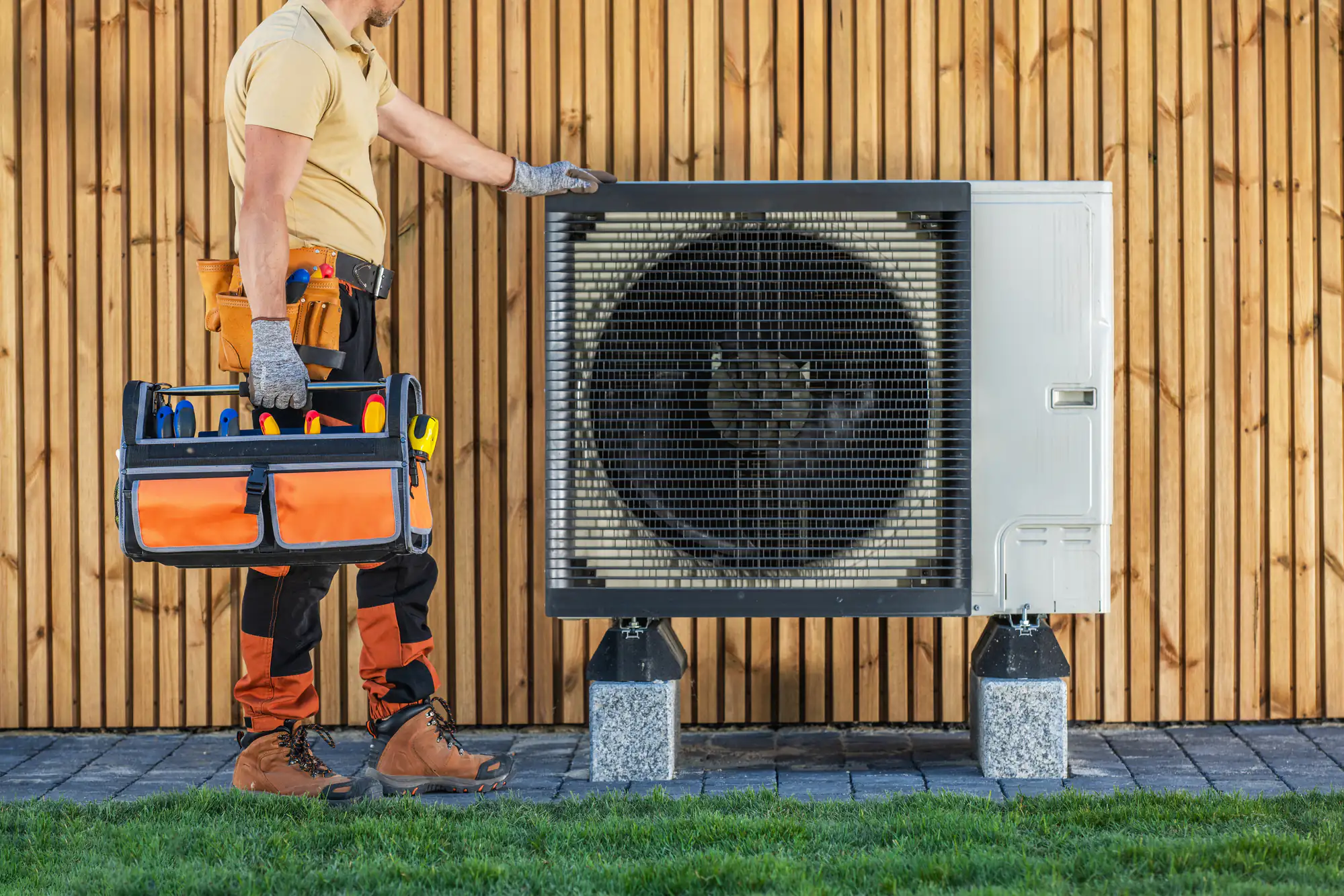
Here’s what happens when your HVAC system goes down: the house gets uncomfortable fast, you start calling around, and most companies either don’t answer or can’t come out for days. You’re stuck waiting, sweating, or freezing.
We handle about 70% of emergency calls the same day. Our trucks carry the parts most jobs need, so you’re not waiting on orders or watching techs leave to “grab something from the shop.” When we say we’ll be there, we show up—usually within two hours for real emergencies across Long Island.
After the repair or installation, your system runs the way it should. Rooms stay the temperature you set. Your energy bills stop climbing. And if something does come up later, you’ve got a number that actually gets answered, any time of day.
We’ve been doing this for over 40 years, but not just residential work. Our background is marine HVAC and commercial refrigeration—airports, restaurants, catering halls, custom beer systems. The kind of jobs where there’s no room for error and no time to wait.
That experience carries over. When you’re dealing with coastal humidity, salt air eating away at outdoor units, or ductwork that’s been patched together over 30 years, you need someone who’s seen worse and fixed it. Selden homeowners deal with the same corrosive conditions that tear through marine equipment, and we know exactly how to handle it.
We’re licensed, insured, and we’ve earned dozens of five-star reviews by showing up when we say we will and doing the work right the first time.
You call or submit a request, and a real person picks up—not a voicemail, not an answering service. We ask what’s going on, schedule a time that works for you, and if it’s an emergency, we’re usually on the way in minutes.
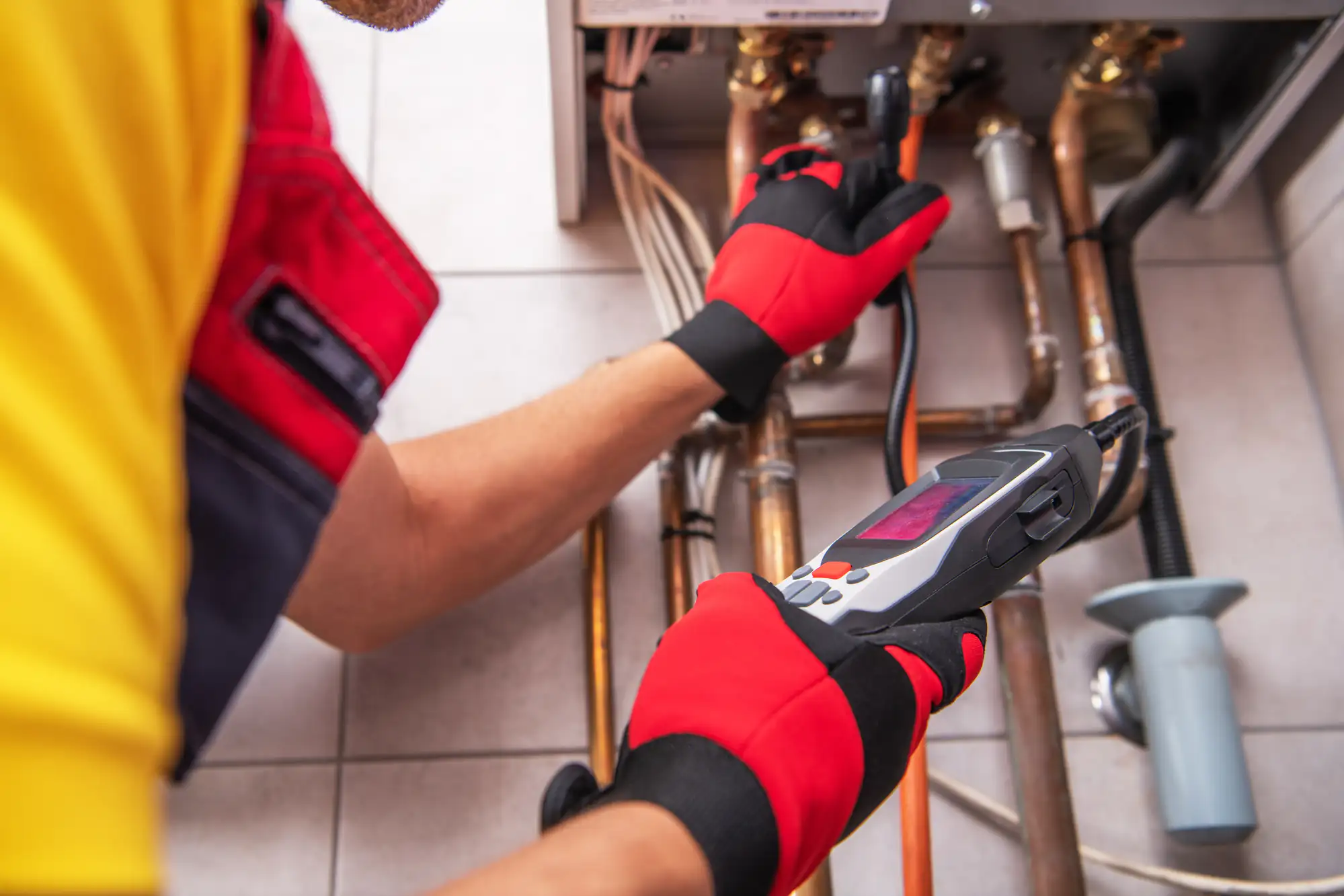
When the tech arrives, they assess the system, explain what’s wrong in plain terms, and give you options. If it’s a repair, we tell you the cost before we start. If it’s a replacement, we walk through what makes sense for your home, your budget, and Long Island’s climate. No upselling, no scare tactics.
Once the work’s done, we test everything, clean up, and make sure you understand how to use any new equipment. You get a clear invoice, a warranty on the work, and a direct line if anything comes up. That’s it—no mystery fees, no callbacks to fix what should’ve been handled the first time.
Ready to get started?
We handle air conditioning repair when your system stops cooling or starts making noise it shouldn’t. We do furnace installation when your heating system is 15-plus years old and costing more to run than replace. We cover heating system maintenance—the kind that catches small problems before they turn into expensive ones and keeps your equipment running five to ten years longer than it would otherwise.
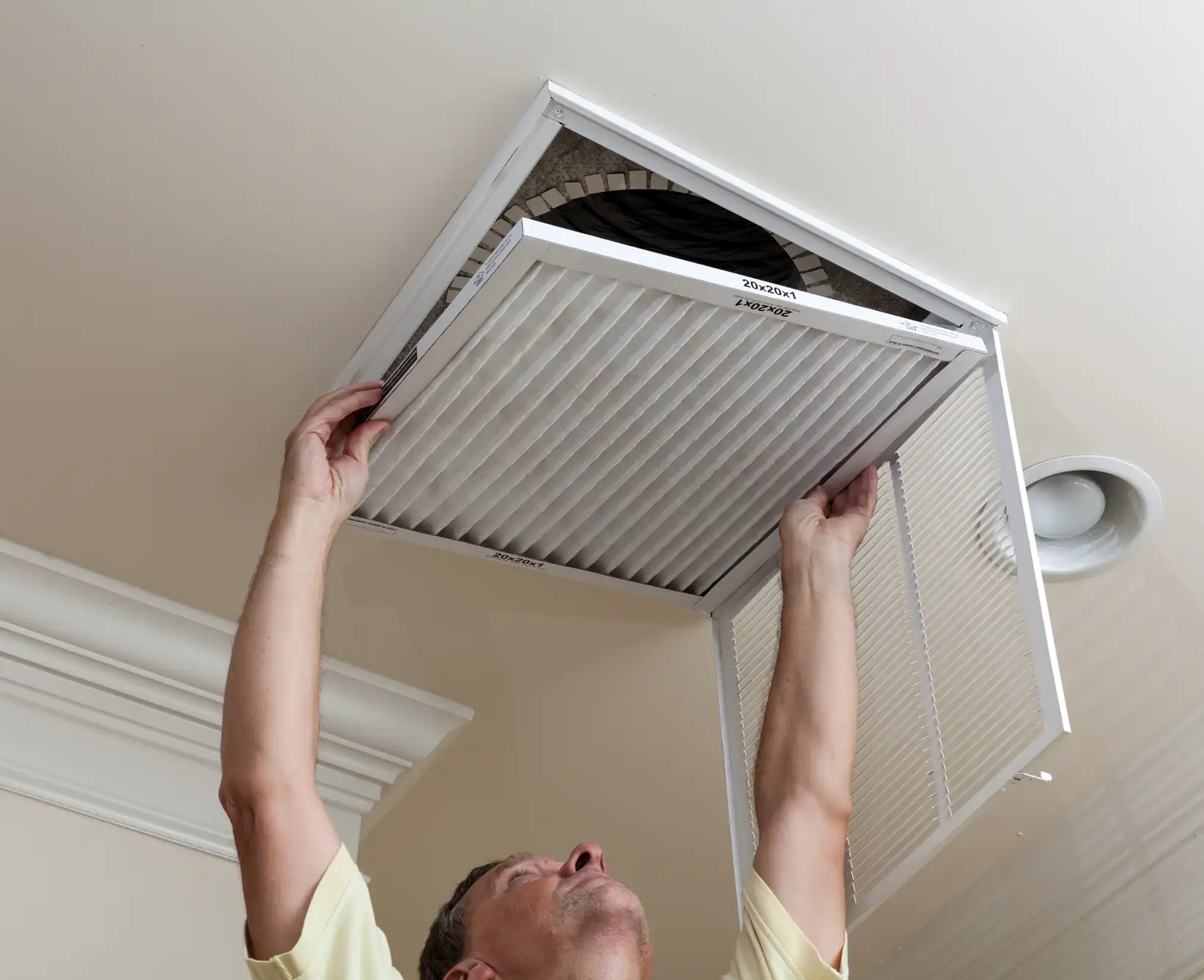
If you’re looking at HVAC replacement, we help you choose systems that fit Selden’s coastal climate. That means equipment that can handle humidity, salt air, and the temperature swings Long Island throws at you. We also work on indoor air quality—filtration, humidity control, ventilation—because a system that heats and cools isn’t worth much if the air inside makes you miserable.
Long Island homeowners are holding onto their homes longer, which means more people are upgrading aging systems instead of just patching them. If your equipment was installed in the mid-2000s, you’re in the window where replacement makes more sense than another repair. We’ll tell you which one applies to your situation.
A full HVAC replacement in Selden typically runs between $12,000 and $15,000 in 2026, sometimes higher depending on the size of your home and the equipment you choose. That’s roughly double what the same job cost in 2019, so if you’re sticker-shocked, you’re not alone.
The price includes the equipment itself, labor for installation, any ductwork modifications, permits, and disposal of your old system. If your ducts are leaking or undersized—common in older Long Island homes—that adds to the cost but also makes a huge difference in how well the new system performs.
Higher-efficiency systems cost more upfront but can cut your cooling costs by up to 45% and reduce heating electricity use by 75% compared to older equipment. We give you a free estimate that breaks down exactly what you’re paying for, so you can decide what makes sense for your budget and how long you plan to stay in the house.
Once a year, ideally before heating season starts in the fall. That’s when we catch the small stuff—dirty filters, worn belts, minor electrical issues—before it turns into a no-heat situation in January.
Regular maintenance keeps your system running efficiently, which lowers your monthly energy bills and reduces the chance of expensive repairs. Well-maintained systems also last five to ten years longer than ones that only get attention when they break. Given that a new furnace costs $5,000 to $8,000 or more, an annual tune-up is cheap insurance.
For homes near the coast in Selden, we also check for salt corrosion on outdoor components and rinse condenser coils to remove buildup. Salt air accelerates wear on metal parts, so if you’re within a few miles of the water, that extra attention matters. Most maintenance visits take about an hour and cost a fraction of what you’d pay for an emergency repair.
If your AC is less than 10 years old and the repair costs less than half the price of a new system, repair usually makes sense. If it’s 15-plus years old, needs expensive parts like a compressor, or has needed multiple repairs in the last few years, replacement is the smarter move.
Here’s the math: the average AC repair in 2026 costs between $415 and $1,200. A new system runs $8,000 to $12,000 depending on size and efficiency. If you’re looking at a $2,500 repair on a 17-year-old unit, you’re throwing money at equipment that’s already on borrowed time. You’ll likely face another breakdown within a year or two.
We’ll tell you honestly which option makes sense. If a repair buys you a few more good years, we’ll say so. If you’re just delaying the inevitable and wasting money, we’ll tell you that too. The goal is to help you make the call that actually saves you money and headaches in the long run.
Yes. We’re available 24/7, and for real emergencies—no heat in winter, no AC in a heat wave, gas smell, anything safety-related—we dispatch immediately and typically arrive within two hours anywhere on Long Island.
About 70% of our emergency calls get fixed the same day because our trucks carry a wide range of parts. We’re not showing up to diagnose the problem and then leaving to order parts. Most common failures—blower motors, capacitors, thermostats, ignitors—we handle on the spot.
Emergency repairs do cost more than scheduled service, but we’re upfront about pricing before we start the work. If it’s something that can wait until regular hours without risking damage or safety, we’ll tell you. But if your furnace is out and it’s 20 degrees outside, we’re not making you wait until Monday morning.
Salt air is brutal on outdoor HVAC equipment. It corrodes metal components, builds up on condenser coils and fins, and reduces efficiency over time. If you’re near the coast, your outdoor unit is constantly exposed to airborne salt that accelerates wear and shortens the system’s lifespan.
The corrosion shows up as pitting on fan motors, rust on cabinet panels, and deterioration of copper lines. Salt deposits on coils reduce heat transfer, which means your system has to work harder to cool or heat your home. That drives up energy costs and increases the chance of breakdowns.
We handle this by rinsing outdoor coils with fresh water during maintenance visits, applying anti-corrosive coatings to vulnerable parts, and recommending equipment with better corrosion resistance for coastal properties. If your current system is showing heavy salt damage, replacement with marine-grade components might make more sense than continuing to repair corroded parts. Our background in marine HVAC gives us an edge here—we’ve been dealing with salt corrosion for 40 years.
Yes. Indoor air quality problems—dust, humidity, stale air, allergens—are common in Long Island homes, especially older ones with poor ventilation or leaky ductwork. We assess what’s causing the issue and recommend solutions that actually fix it.
That might mean upgrading your filtration system to catch more particles, installing a whole-home dehumidifier to control moisture levels, or adding ventilation to bring in fresh air without losing heating or cooling efficiency. If your ducts are leaking, we’ll seal them so conditioned air goes where it’s supposed to instead of into your attic or crawl space.
Humidity control matters here. Long Island summers are humid, and if your AC isn’t sized right or your home lacks proper ventilation, you end up with that clammy feeling even when the temperature is fine. We size equipment correctly and make sure airflow is balanced throughout the house. Better air quality means fewer respiratory issues, less dust, and a home that just feels more comfortable to live in.