Hear from Our Customers
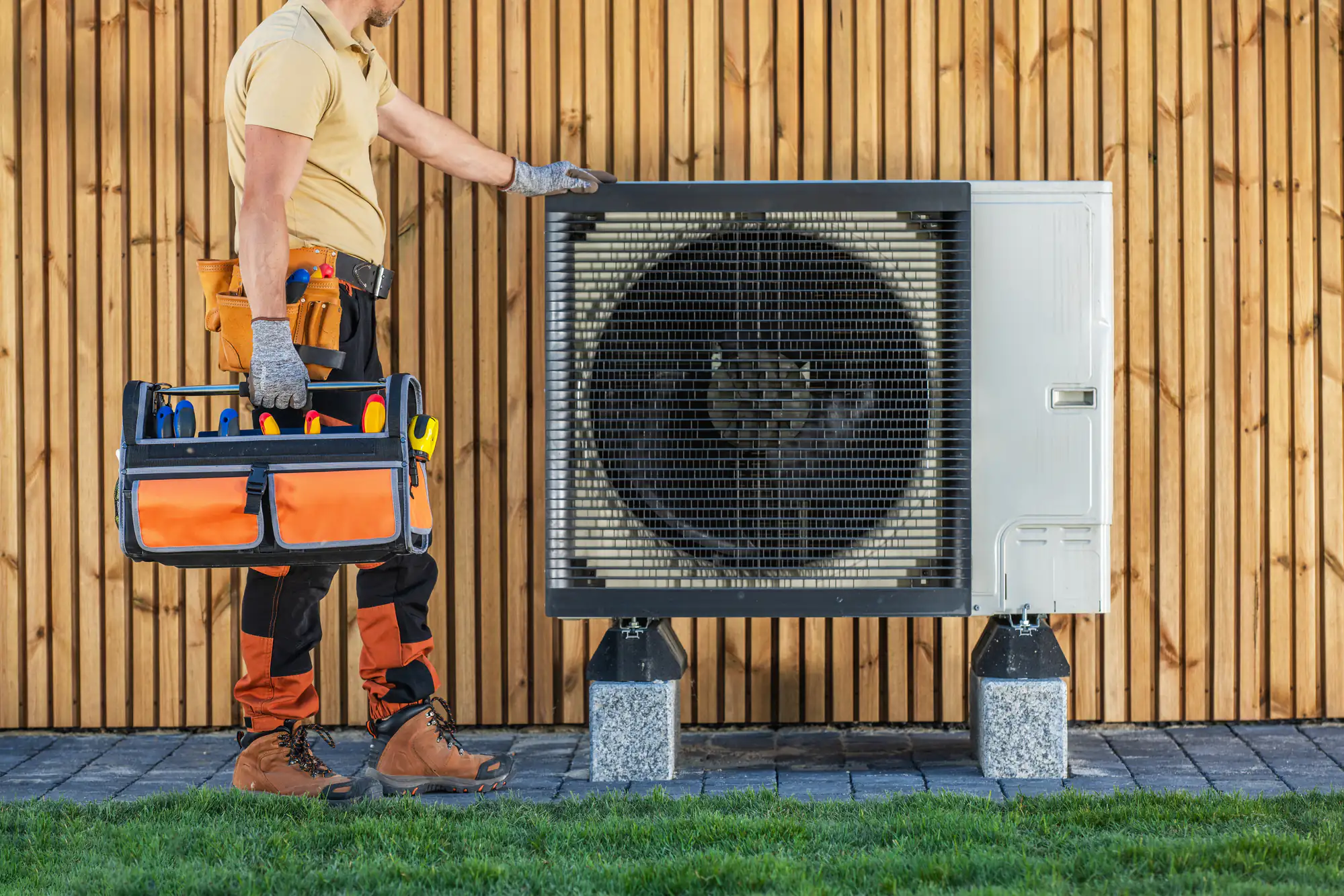
Your HVAC system should keep your home comfortable without draining your wallet. When it’s running right, you don’t think about it—the temperature stays consistent, the air feels clean, and your energy bills stay predictable.
That’s what proper installation and maintenance actually deliver. Not just a working system, but one that’s sized correctly for your home, runs efficiently year-round, and doesn’t break down during the coldest January night or the hottest August afternoon.
Most HVAC problems don’t start as emergencies. They start as small inefficiencies—a compressor working harder than it should, a refrigerant leak you can’t see, a thermostat reading temperatures wrong. Left alone, these turn into expensive repairs or full system replacements. Caught early, they’re straightforward fixes that extend your equipment’s life and keep your costs down.
We’ve been handling complex HVAC and refrigeration work across the Greater New York area for over 40 years. We started in marine HVAC and commercial refrigeration—systems that don’t tolerate mistakes and can’t afford downtime.
That background matters when you’re dealing with Setauket’s coastal climate. Salt air, humidity swings, and temperature extremes put different demands on residential systems than you’d see inland. We size equipment for actual conditions, not just square footage.
We don’t subcontract our work. The technicians who answer your call are the same ones who show up, diagnose the problem, and fix it. Most emergency calls get resolved same-day because our trucks carry the parts that actually fail, not just the common ones.
First, we listen. You describe what’s happening—no cool air, strange noises, higher bills, whatever prompted the call. We ask a few questions to narrow down the likely causes before we ever get in the truck.
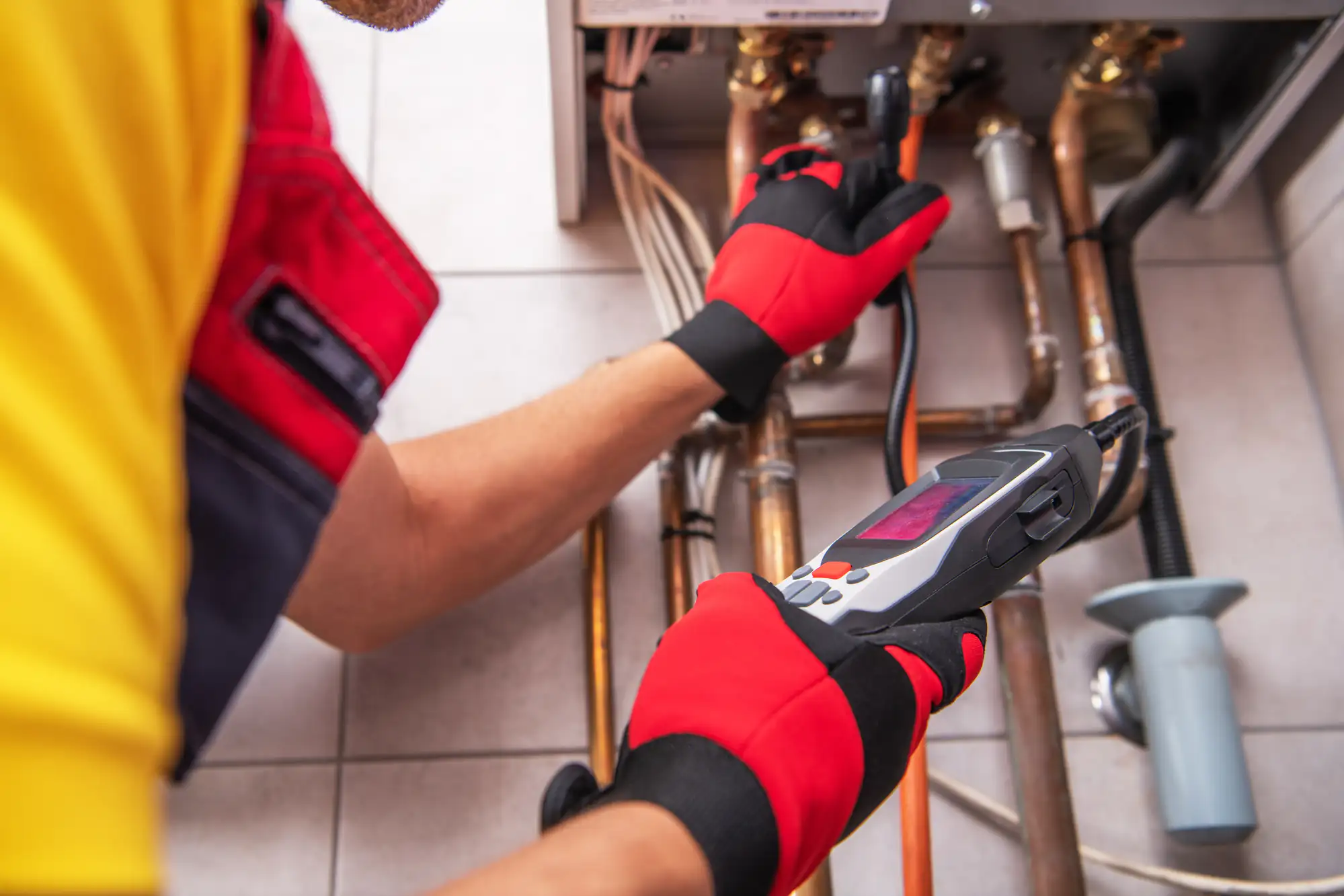
When we arrive, we run diagnostics on the full system, not just the obvious problem area. A failing compressor might be the symptom, but undersized ductwork or a clogged filter could be the cause. We find both and explain what we’re seeing in plain terms.
You get options, not sales pitches. If a repair makes sense, we tell you what it’ll cost and how long it’ll last. If replacement is smarter, we explain why and what rebates you qualify for—New York offers substantial incentives for high-efficiency heat pumps that most homeowners don’t know about.
Once you decide, we handle it. Installations get scheduled fast, usually within days. Repairs happen on the spot when possible. We test everything before we leave, walk you through the work we did, and make sure you know how to get the most from your system.
Ready to get started?
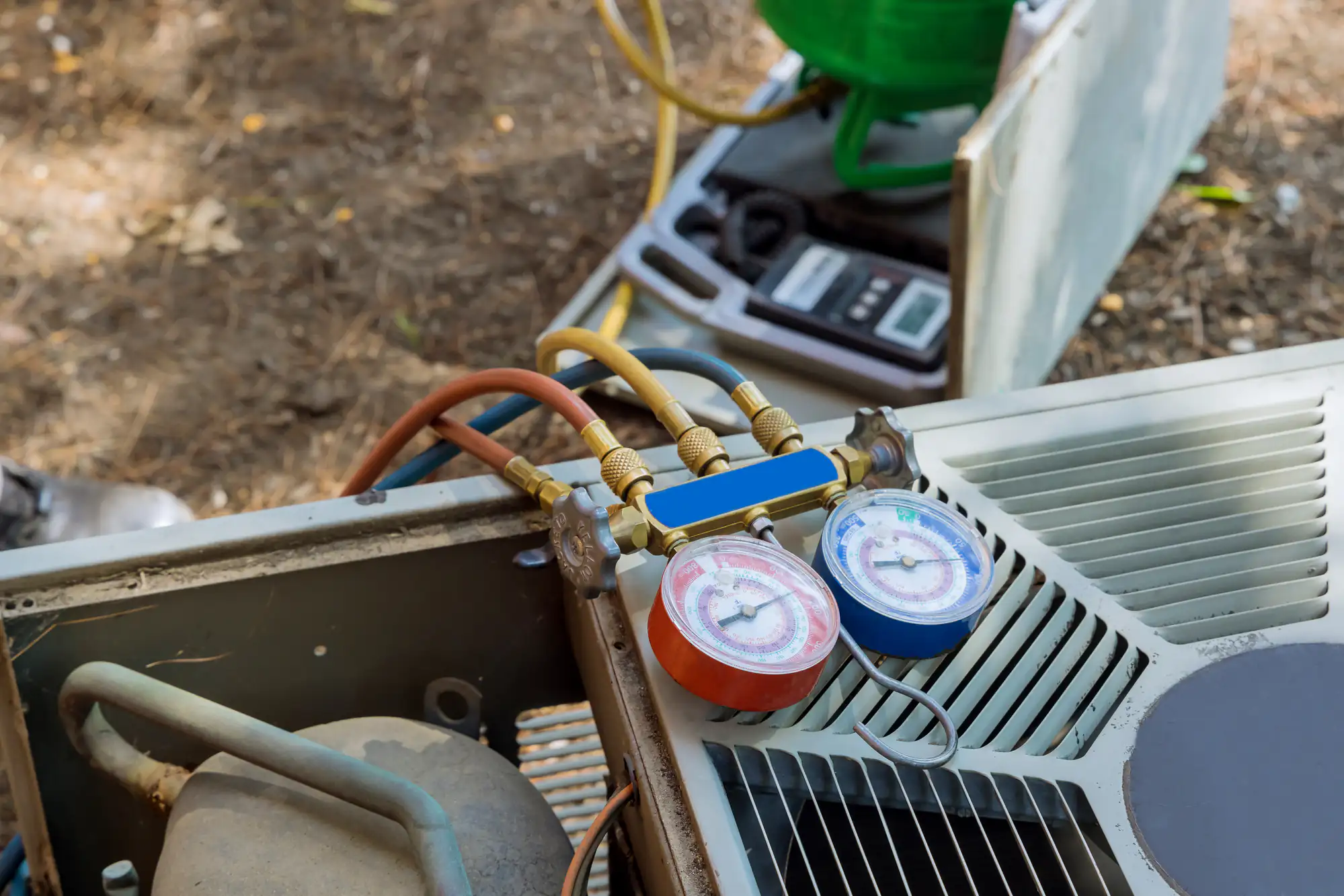
Air conditioning repair covers everything from refrigerant leaks to compressor failures. We handle the subtle problems—systems that run but don’t cool properly—and the obvious ones like complete breakdowns. Our trucks stock the parts that fail most often in coastal environments.
Furnace installation and heating system maintenance keep you warm when Long Island winters hit their average lows around 26 degrees. We work with gas, oil, and heat pump systems. Proper sizing matters here—oversized units short-cycle and waste energy, undersized ones run constantly and still leave you cold.
HVAC replacement becomes necessary when repair costs approach 50% of a new system’s price, or when your current equipment is over 15 years old and efficiency has dropped noticeably. We help you navigate rebate programs that can cover $1,000 to $5,000+ of the upgrade cost.
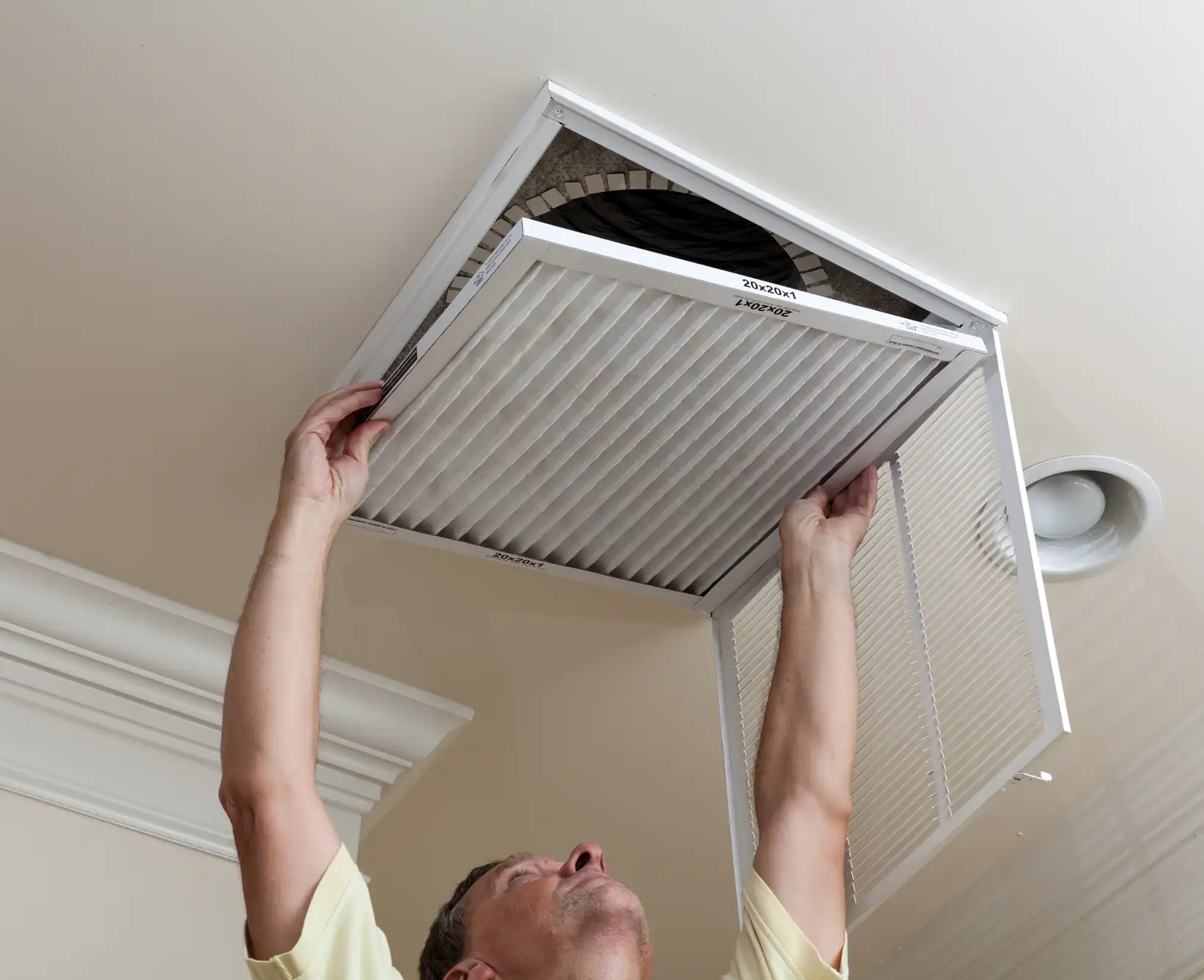
Indoor air quality solutions address what your HVAC system circulates, not just temperature. Advanced filtration catches the pollen and allergens that make spring miserable for many Setauket residents. Proper humidity control prevents mold growth in condensate lines—a common issue in coastal areas.
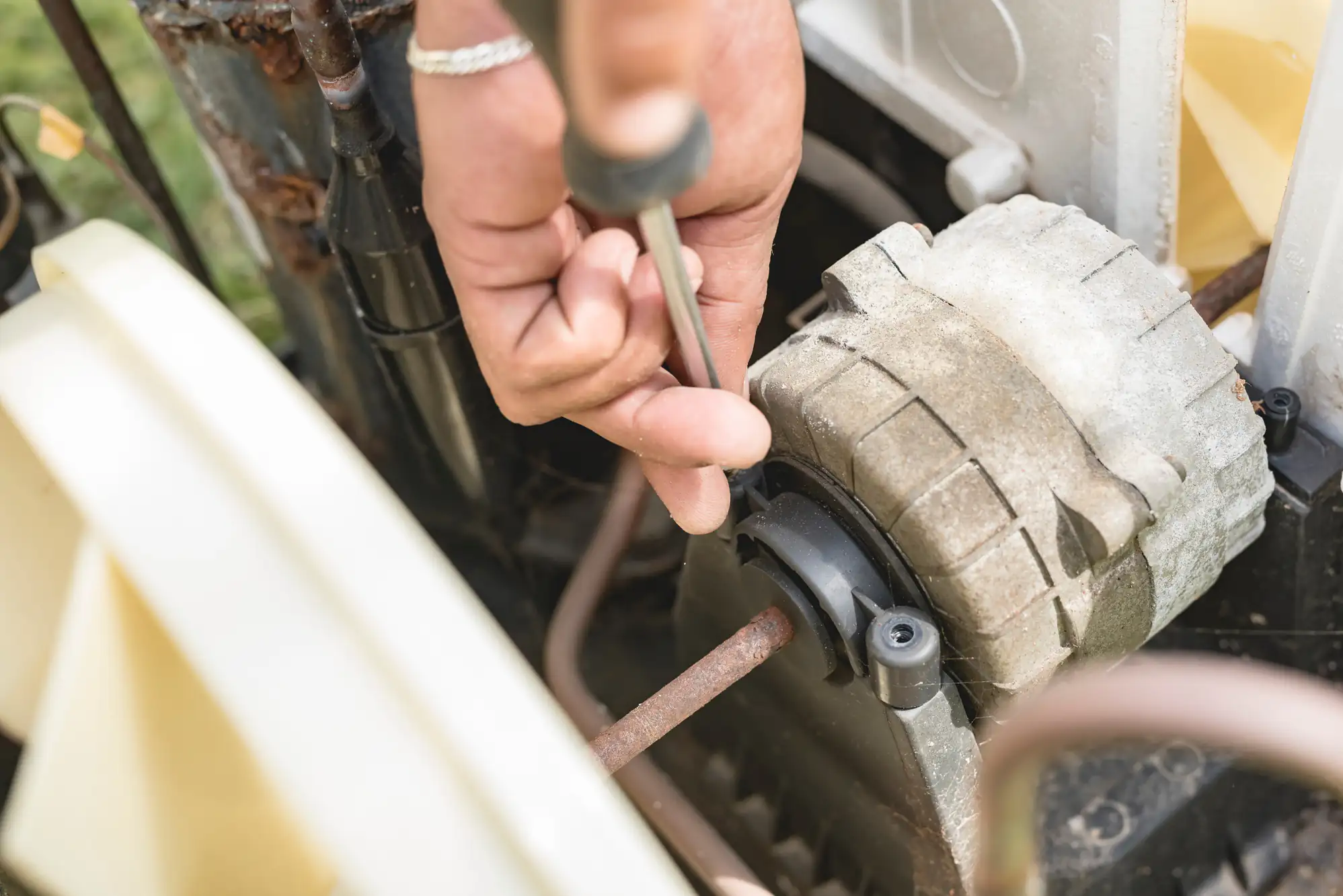
Start with the age of your system. Residential HVAC equipment typically lasts 15-20 years with proper maintenance. If yours is approaching or past that range and needs a major repair—compressor, heat exchanger, or evaporator coil—replacement usually makes more financial sense.
Compare the repair cost to replacement cost. The general rule is if repairs exceed 50% of what a new system would cost, and your equipment is over 10 years old, you’re better off replacing. You’re not just avoiding this repair—you’re preventing the next one that’s likely coming soon.
Watch your energy bills. If they’ve climbed steadily despite similar usage, your system is losing efficiency. Older units often work much harder to deliver the same comfort, which shows up in your monthly costs. A new high-efficiency system can cut those bills by 20-40%, and current New York rebates can cover a significant portion of the upfront investment.
New York State runs aggressive heat pump rebate programs that most homeowners don’t know about. Depending on your income level and the system you choose, you could qualify for $1,000 to $5,000 or more in direct rebates for installing high-efficiency heat pumps.
These programs are first-come, first-served with limited funding. When the allocated money runs out, you wait until the next budget cycle. That creates real urgency if you’re already planning an upgrade—waiting could mean missing out on thousands in available rebates.
We walk you through what you qualify for and handle the paperwork. The programs have specific efficiency requirements and installation standards. Not every system qualifies, and not every installation meets the criteria. We know which equipment meets the thresholds and how to document everything properly so your rebate doesn’t get rejected on a technicality.
Refrigerant leaks are the most common culprit. Your system loses cooling power gradually as refrigerant escapes, so you might not notice until the hottest days when you need full capacity. These leaks are often subtle—a tiny crack in a coil or a loose connection that’s been slowly seeping for months.
Dirty coils and clogged filters force your system to work harder while delivering less cooling. The outdoor condenser coil collects salt residue, pollen, and debris in Setauket’s coastal environment. When airflow drops, efficiency plummets. Your compressor runs constantly but can’t move enough heat out of your house.
Compressor failure shows up as warm air from your vents, unusual noises, or the outdoor unit not running at all. This is the heart of your AC system. When it goes, you’re looking at either an expensive repair or full system replacement, depending on the age and condition of everything else.
Annual maintenance before heating season starts—ideally in early fall—catches problems before you’re relying on your furnace daily. A technician inspects the heat exchanger for cracks, tests the ignition system, checks gas pressure or oil nozzle condition, and verifies your thermostat is reading accurately.
This isn’t just about preventing breakdowns. Furnaces that run dirty or out of adjustment waste fuel and create safety risks. A cracked heat exchanger can leak carbon monoxide into your home. A clogged burner runs inefficiently and might not keep up when temperatures drop into the 20s.
Maintenance visits typically find 2-3 small issues that haven’t caused problems yet but would within the season. Replacing a $15 filter or adjusting a flame sensor takes minutes during a scheduled visit. Waiting until it fails means an emergency call when it’s 28 degrees outside and your family is cold.
Salt air corrodes components faster than inland environments. Condenser coils, electrical connections, and metal housings all deteriorate quicker near the coast. Equipment that might last 20 years elsewhere often needs replacement closer to 15 years here, and maintenance becomes more critical for getting that full lifespan.
Humidity creates condensate drain line problems that inland systems rarely see. When humid air gets cooled, moisture condenses and needs to drain away. In coastal climates, these lines work harder and clog more often. A blocked drain can overflow inside your home, causing water damage and creating conditions for mold growth.
Temperature swings between ocean breezes and summer heat put more demand on your system. Setauket doesn’t just get hot—it gets humid-hot, which feels worse and requires more dehumidification capacity. Systems need to be sized and configured for actual coastal conditions, not just the square footage charts that HVAC companies use for quick estimates.
Yes, and we typically arrive within two hours of your call. We keep technicians on call around the clock because HVAC emergencies don’t wait for business hours. A furnace that quits at 2 AM in January isn’t something you can deal with in the morning—your pipes could freeze and your family is uncomfortable now.
Our trucks stock the parts that actually fail in emergency situations. Capacitors, contactors, igniters, thermostats, and common motors are on every vehicle. About 70% of emergency calls get fixed on the first visit because we’re prepared for the likely problems, not just carrying a basic toolkit.
Emergency service costs more than scheduled work—that’s standard across the industry. But we’re transparent about pricing before we start. You know what the service call costs, what the repair will run, and whether it makes sense to fix it or start planning replacement. No surprises when you’re already dealing with a broken system.