Hear from Our Customers
You don’t have time for an air conditioning system that quits the week your family arrives. Or a furnace that struggles when temperatures drop and the house has been closed up for months.
What you need is a system that fires up reliably, runs efficiently, and doesn’t leave you scrambling for emergency HVAC repair when guests are already on their way. That’s what proper installation, seasonal maintenance, and coastal-specific care actually gets you.
When your heating and cooling equipment is maintained by people who understand salt air corrosion, humidity swings, and the demands of homes that sit vacant half the year, you’re not dealing with the same recurring issues. You’re getting ahead of them. And when something does go wrong, you’re working with a team that shows up, communicates clearly, and fixes it right the first time.
We’ve been handling complex HVAC and refrigeration systems for over 40 years. We’ve worked in marine environments, commercial kitchens, airports, and facilities where downtime isn’t an option. That background matters when we’re maintaining residential systems in Southampton.
Coastal homes deal with conditions most HVAC contractors don’t see. Salt air accelerates corrosion. Humidity creates mold risk. Seasonal occupancy puts stress on equipment that sits idle, then needs to perform flawlessly on short notice.
We bring that same level of precision and accountability to your home. You get transparent pricing, 24/7 availability when emergencies happen, and a team that actually picks up the phone. No runaround. No surprises.
First, we listen. You tell us what’s happening—whether it’s a system that’s not cooling properly, strange noises, high energy bills, or you’re just not sure if your furnace will make it through another winter. We ask the right questions to understand your situation and your timeline.
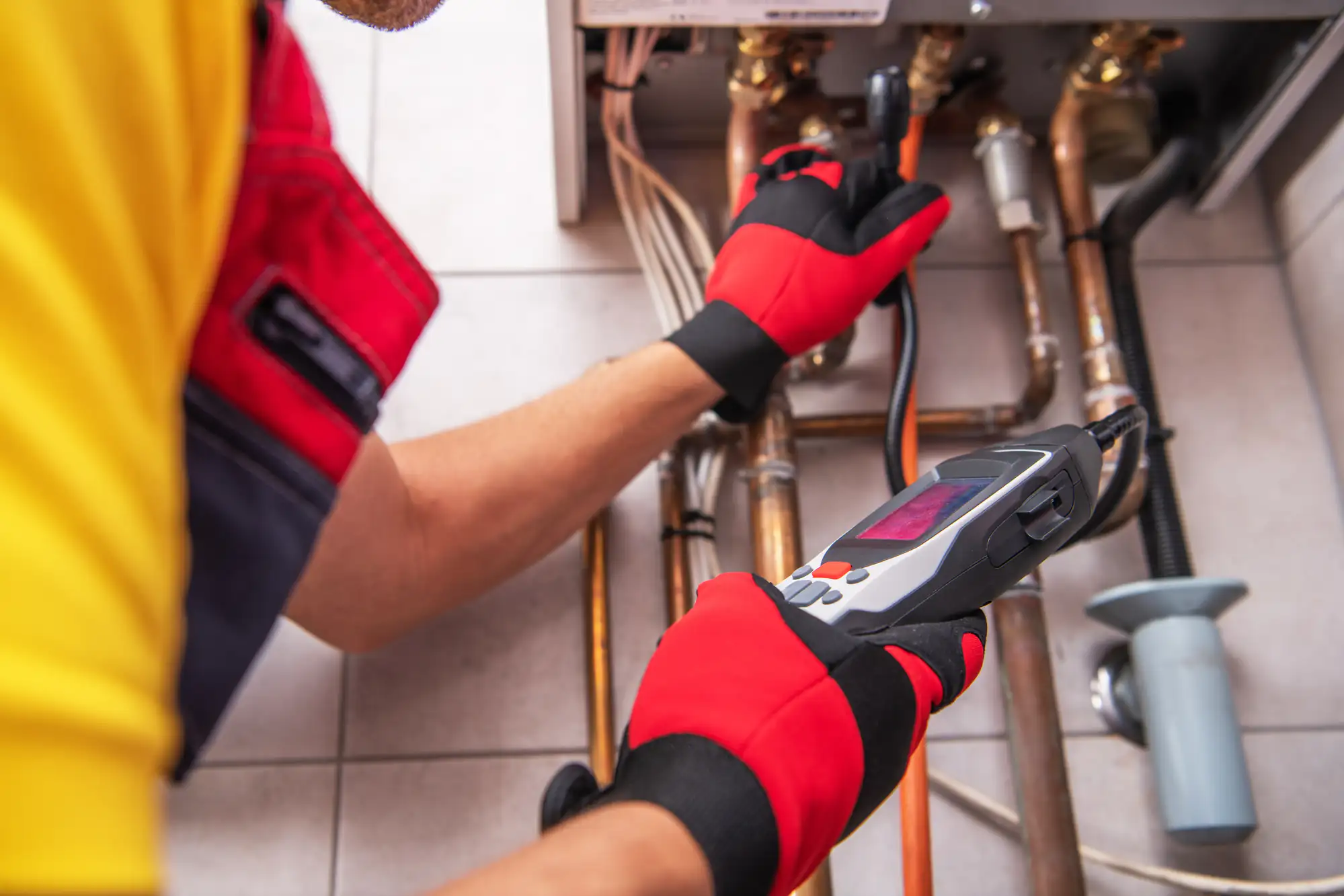
Then we schedule a visit that actually happens when we say it will. Our technician shows up, assesses your system, and explains what’s going on in plain terms. If it’s a repair, we tell you what’s broken and what it’ll cost before we do the work. If it’s time for a replacement, we walk through your options based on your home’s size, your usage patterns, and your budget.
Once you’re clear on the plan, we handle the work efficiently. For installations, that means proper sizing, quality equipment, and attention to details like ductwork and airflow that other contractors skip. For repairs, it means fixing the actual problem, not just the symptom. And for maintenance, it means catching small issues before they become expensive emergencies—especially important if your home sits empty for months at a time.
Ready to get started?
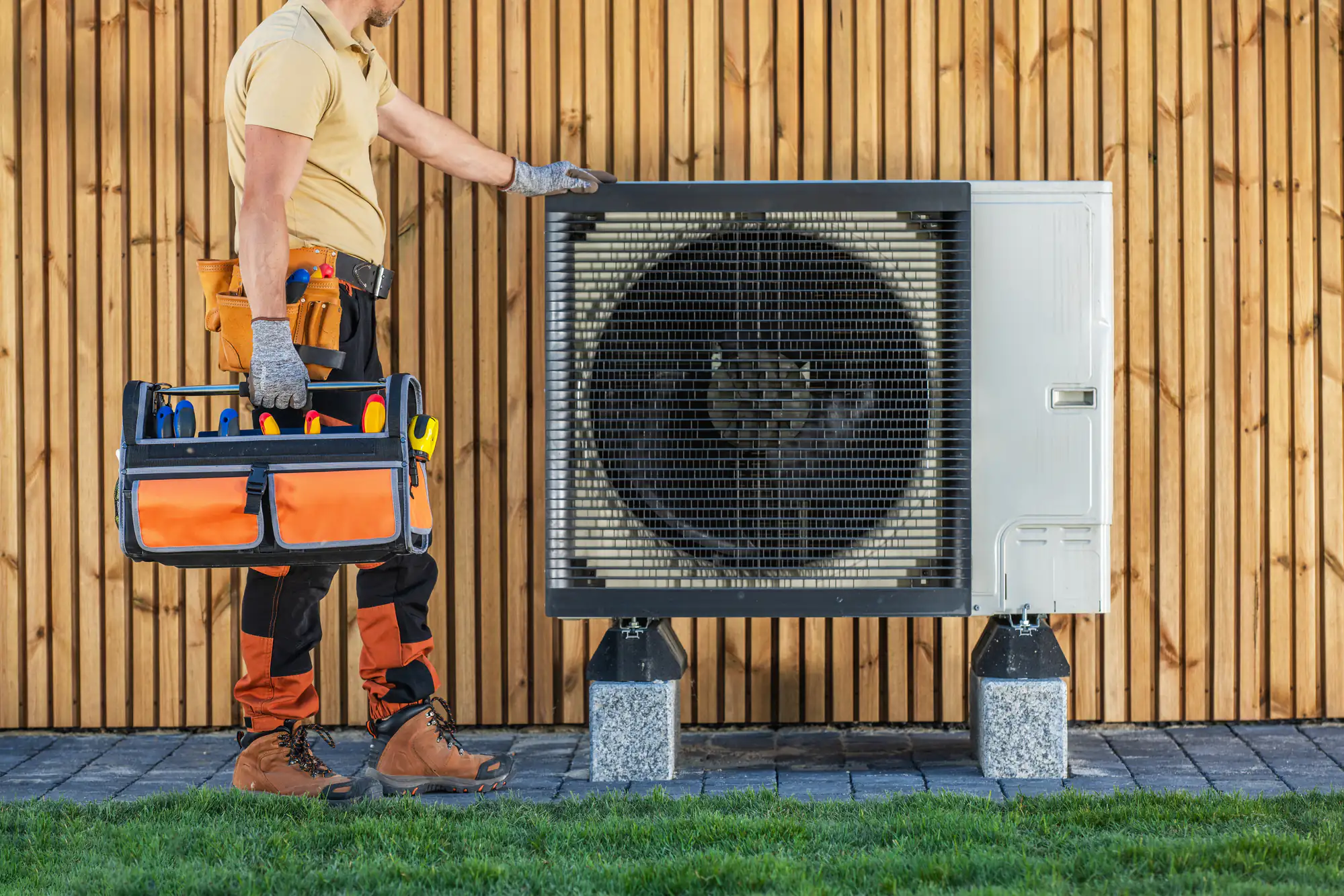
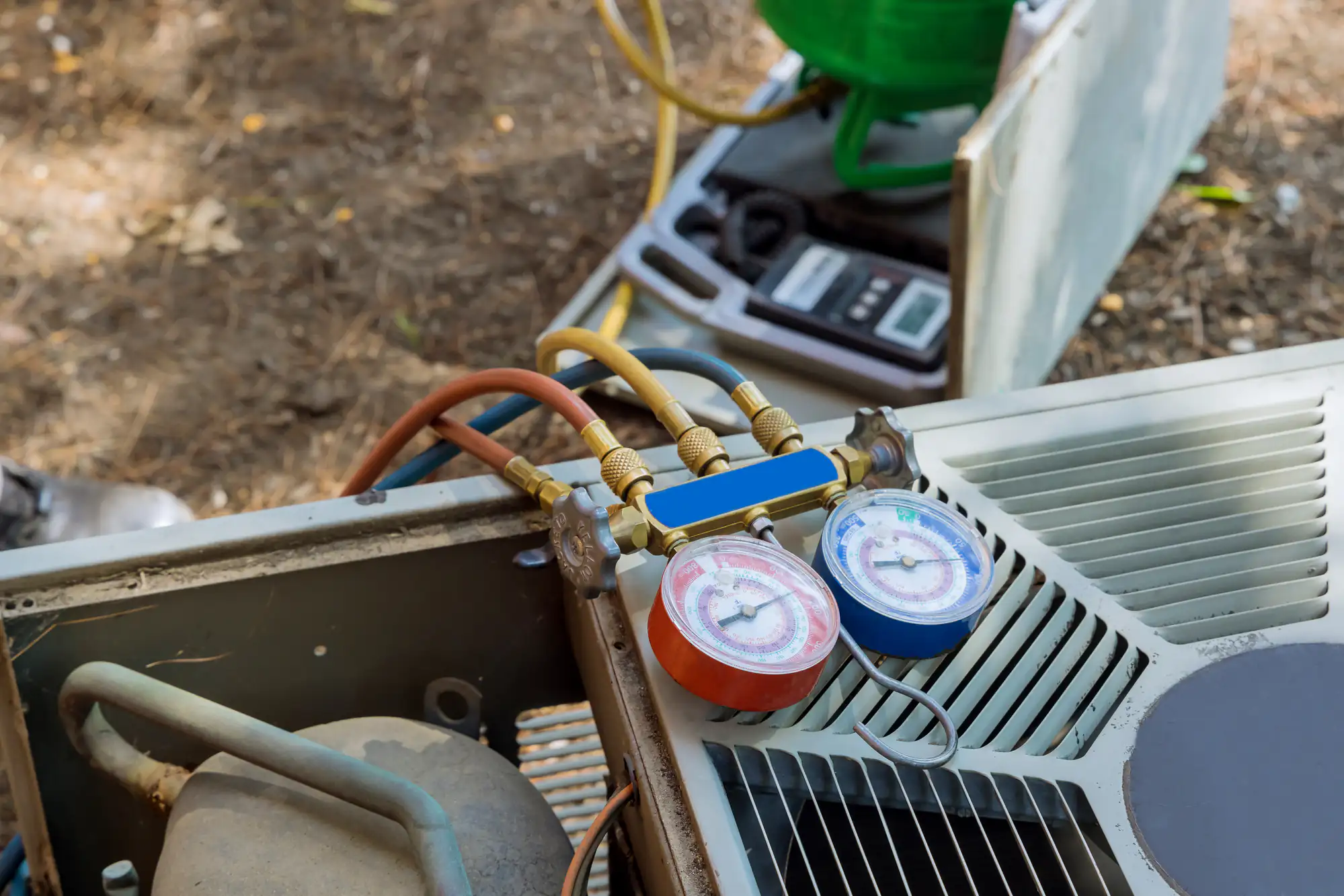
Air conditioning repair and installation covers everything from central AC systems to ductless mini-splits, which work well in Southampton homes where adding ductwork isn’t practical. We handle refrigerant leaks, compressor failures, and efficiency issues that drive up your electric bill.
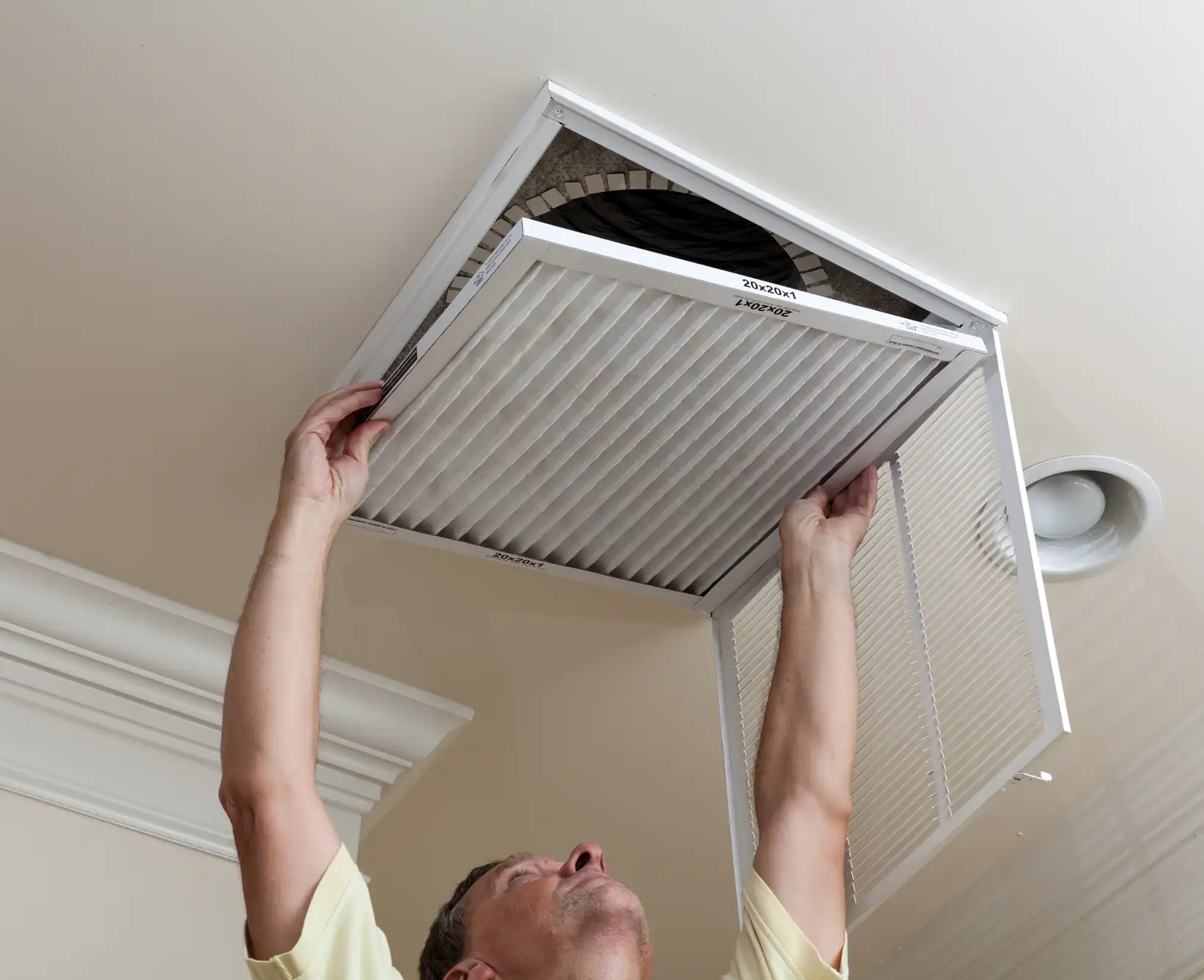
Furnace installation and heating system maintenance keeps you comfortable when temperatures drop. That includes tune-ups before heating season, filter replacements, and addressing issues like uneven heating or systems that cycle on and off too frequently.
HVAC replacement becomes necessary when repair costs start approaching the price of a new system, or when your equipment is over 15 years old and losing efficiency. We’ll help you understand when that line gets crossed. And because Southampton homes often have unique layouts and coastal exposure, we factor in humidity control, air quality, and corrosion resistance when recommending equipment.
Indoor air quality solutions matter here. Salt air, mold risk, and homes that get opened and closed seasonally all affect what you’re breathing. We install filtration systems, dehumidifiers, and ventilation upgrades that make a real difference.
At minimum, twice a year—once before you arrive for the season, and once before you close the house. But the better approach is a tune-up in spring before cooling season and another in fall before heating season, even if the house sits empty.
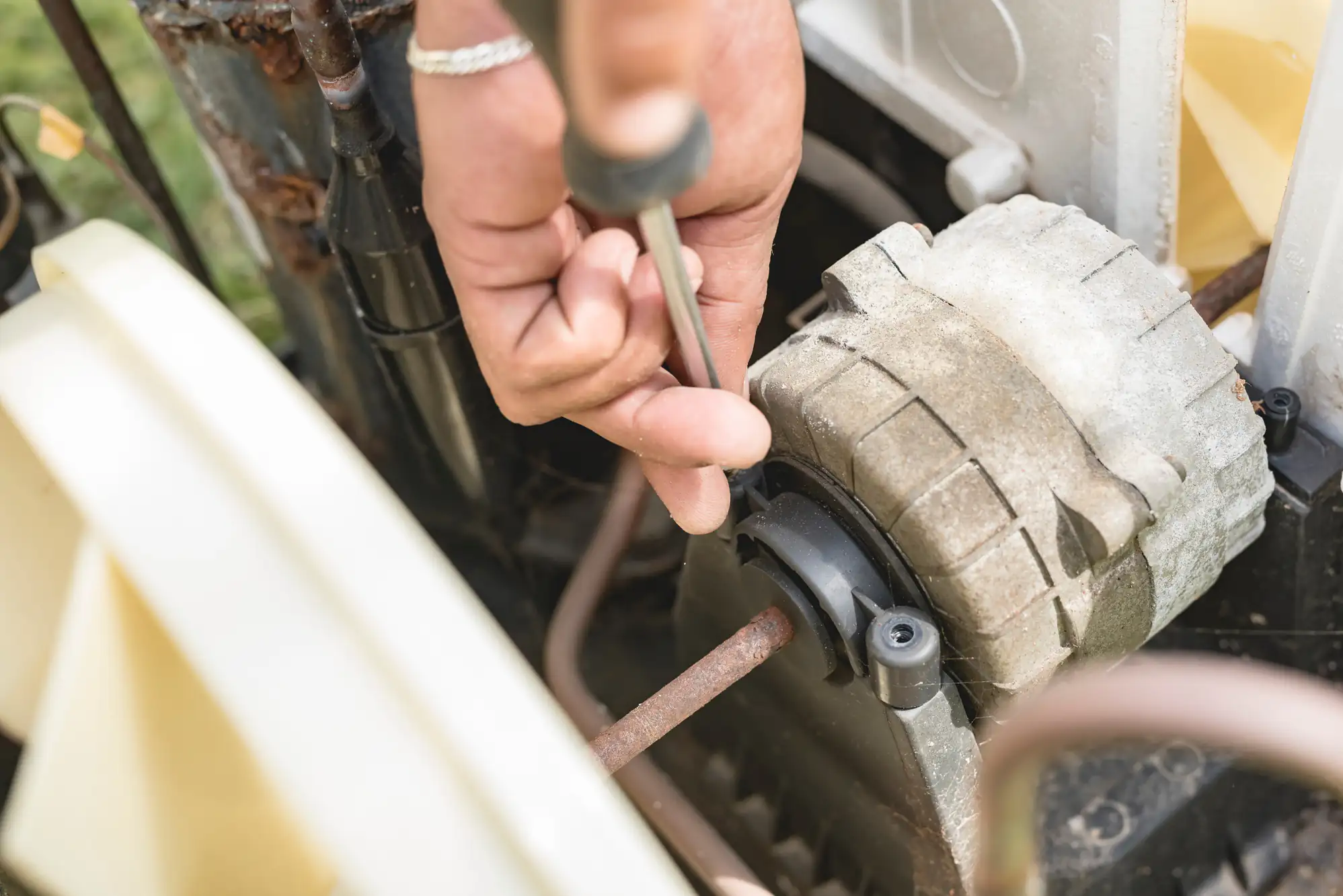
Here’s why that matters in Southampton. Systems that sit unused for months develop issues you won’t catch until you need them. Refrigerant can leak slowly. Seals dry out. Dust and salt air settle into components. Rodents sometimes nest in outdoor units.
A pre-season service catches those problems before they become emergencies. Your technician checks refrigerant levels, cleans coils, tests electrical connections, and makes sure everything fires up properly. That’s a lot easier than dealing with a failed compressor the day your renters check in, or discovering your heat doesn’t work when you arrive for Thanksgiving weekend.
For a full system replacement in a Southampton home, you’re typically looking at $8,000 to $18,000, depending on the size of your home, the equipment you choose, and whether any ductwork needs updating. Larger homes or properties requiring multiple zones will run higher.
That range accounts for quality equipment designed to handle coastal conditions. Cheaper systems exist, but they’re not built for salt air exposure and the humidity swings you get here. You’ll replace them sooner and deal with more repairs in between.
The actual number depends on your specific situation. A 2,000-square-foot home with existing ductwork in good shape sits at the lower end. A 4,000-square-foot property that needs ductless mini-splits in additions, or a home where we’re replacing corroded ductwork, costs more. We give you a firm price after seeing your home and understanding what you need—no ballpark guesses that change later.
Usually it’s one of three things: undersized equipment, poor installation, or a system that’s losing efficiency due to coastal exposure. Sometimes it’s all three.
Undersized equipment happens when contractors use rough square footage estimates instead of doing proper load calculations. Your home might need more capacity than the formula suggests, especially if you have large windows facing south or west, high ceilings, or poor insulation. The AC runs constantly but never quite gets there.
Poor installation is common. If your ductwork leaks, your refrigerant charge is off, or airflow isn’t balanced properly, even a correctly sized system won’t perform. You lose 30% or more of your cooling capacity to installation mistakes.
Coastal exposure accelerates wear. Salt air corrodes coils and electrical connections. That reduces efficiency over time. A system that worked fine for five years starts struggling in year six because corrosion is choking airflow or reducing heat transfer. Regular maintenance and corrosion-resistant components help, but older systems eventually hit a point where repair costs don’t make sense anymore.
If both are over 12-15 years old, yes. If one is significantly newer and still running well, you can usually replace them separately. But there are real advantages to doing both together.
First, you save on labor. We’re already there, the system is opened up, and we’re connecting everything at once. That’s less expensive than two separate jobs. Second, you get matched components designed to work together, which improves efficiency and reliability. Third, you’re not dealing with another major expense in two or three years when the other unit fails.
The decision gets clearer when you look at repair history. If your 14-year-old furnace needs a $1,200 heat exchanger repair and your 13-year-old AC is still working, it might make sense to replace both now rather than sink money into an old furnace and then replace the AC when it fails next summer.
We’ll walk through the actual condition of both units, what repairs are coming, and what the numbers look like either way. Sometimes replacing both makes sense. Sometimes it doesn’t. But you’ll know exactly why we’re recommending what we’re recommending.
Don’t shut your system down completely. Set your thermostat to maintain a moderate temperature year-round—around 55-60°F in winter and 78-80°F in summer. That keeps your system cycling regularly, prevents humidity extremes, and protects your home from mold and freeze damage.
Running your system while you’re away sounds expensive, but it’s cheaper than dealing with burst pipes, mold remediation, or a seized compressor that failed from sitting idle for six months. Modern programmable thermostats let you adjust settings remotely, so you can bump the temperature up or down before you arrive.
Schedule maintenance before and after your occupancy period. A technician should check your system before you leave for the season and again before you return. That catches issues while they’re small and makes sure everything works when you need it.
Consider a monitoring system that alerts you to temperature changes or system failures. If your heat goes out in January while you’re away, you want to know immediately—not when you return in May to find frozen pipes and water damage.
Salt air changes everything. It corrodes metal components faster than you’d see inland. Coils, electrical connections, cabinet panels—anything exposed to coastal air degrades quicker. That means more frequent inspections and earlier replacement of parts that would last longer elsewhere.
Humidity is higher and more variable here. Your system works harder to dehumidify, which affects efficiency and comfort. Indoor air quality becomes a bigger concern because moisture encourages mold growth, especially in homes that sit closed up for part of the year.
Equipment selection matters more in Southampton. You want corrosion-resistant coatings, sealed electrical components, and cabinets designed for harsh environments. Standard residential equipment works, but it won’t last as long or perform as well as units built for coastal installation.
Maintenance intervals should be shorter. An annual tune-up might be fine for a home in central Long Island. Here, you’re better off with service twice a year. That’s not upselling—it’s recognizing that your equipment faces conditions that accelerate wear and require more frequent attention to maintain reliability.